Winter Weather Preparedness Campaigns 2026:
The National Weather Service in Paducah, KY, will be promoting Winter Weather Safety and Preparedness during four different upcoming campaigns for each of the four states we serve. This is an opportunity to increase awareness and promote preparedness of winter weather hazards. The dates of the state campaigns are as follows:
Indiana: November 8-14
Missouri: November 2-6
Illinois: November 9-13
Kentucky: December 6-12
During these weeks, we will be sending out graphics on our social media platforms (Facebook & X/Twitter). The graphics we plan on sending every day during the campaigns are in the tabs below. Join us for an hour long Facebook Live session on Monday November 2nd, 2026 at 7:00 pm CST as we discuss winter weather preparedness with several of our partners, including TV media, EMA and more. You'll have a chance to ask questions and learn more about winter weather safety.
Wind Chill

It's not just the temperature, it's the WIND! Wind makes your body lose heat faster, increasing the risk of frostbite and hypothermia. Dress in layers, cover exposed skin, and limit time outdoors when wind chills are dangerously low and check the wind chill!

How cold does it REALLY feel outside? Wind chill combines temperature and wind speed to show how quickly exposed skin loses heat. The lower the wind chill, the faster frostbite can develop! Check out the chart to see your risk. Learn more: www.weather.gov/safety/cold-wind-chill-chart
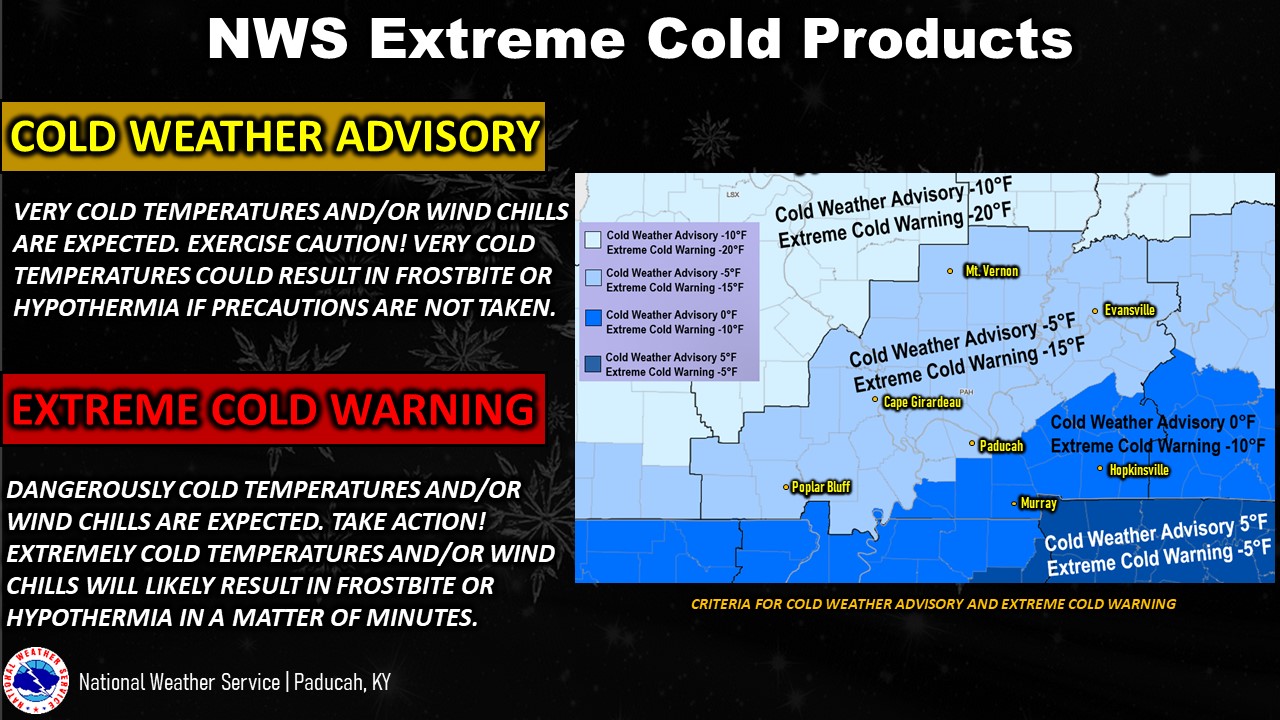
How cold is TOO cold? The National Weather Service issues Cold Weather Advisories and Extreme Cold Warnings when dangerously cold temperatures and/or wind chills are expected. Learn the difference between these products, when they're issued, and what they mean for your safety!

Pets need special attention during times of extreme weather. Remember that if it is too cold for you to be outside, it is too cold for them. If your pets must be outside, provide warm and dry shelter as well as plenty of food and fresh water.
Frostbite

Frostbite occurs when your skin/tissue freeze due to exposed to cold temperatures. It becomes progressively worse the longer your skin is exposed.

Understand the symptoms of the different degrees of frostbite. Damage to your skin gets progressively worse the longer it is exposed to cold temperatures. Take precautions during cold weather to avoid the serious impacts of frostbite.

When treating frostbite, refer to these tips. If frostbite is severe, it is best to seek medical attention. Since the skin becomes numb when frostbitten, it is difficult to know how severe your case might be. Look for any changes in skin color.
Hypothermia

Hypothermia is a serious condition in which your body temperatures drops below 95 deg. When your body temperature is too low, it affects your brain, making you unable to think clearly or move well. Know the warning signs of hypothermia.

Hypothermia is a serious condition in which your body temperatures drops below 95 deg. When your body temperature is too low, it affects your brain, making you unable to think clearly or move well. Know the warning signs of hypothermia.

The best way to prevent hypothermia is to limit your time outdoors, dress appropriately for the cold and stay dry. Make sure your heat is working properly and check on the elderly and those living alone.
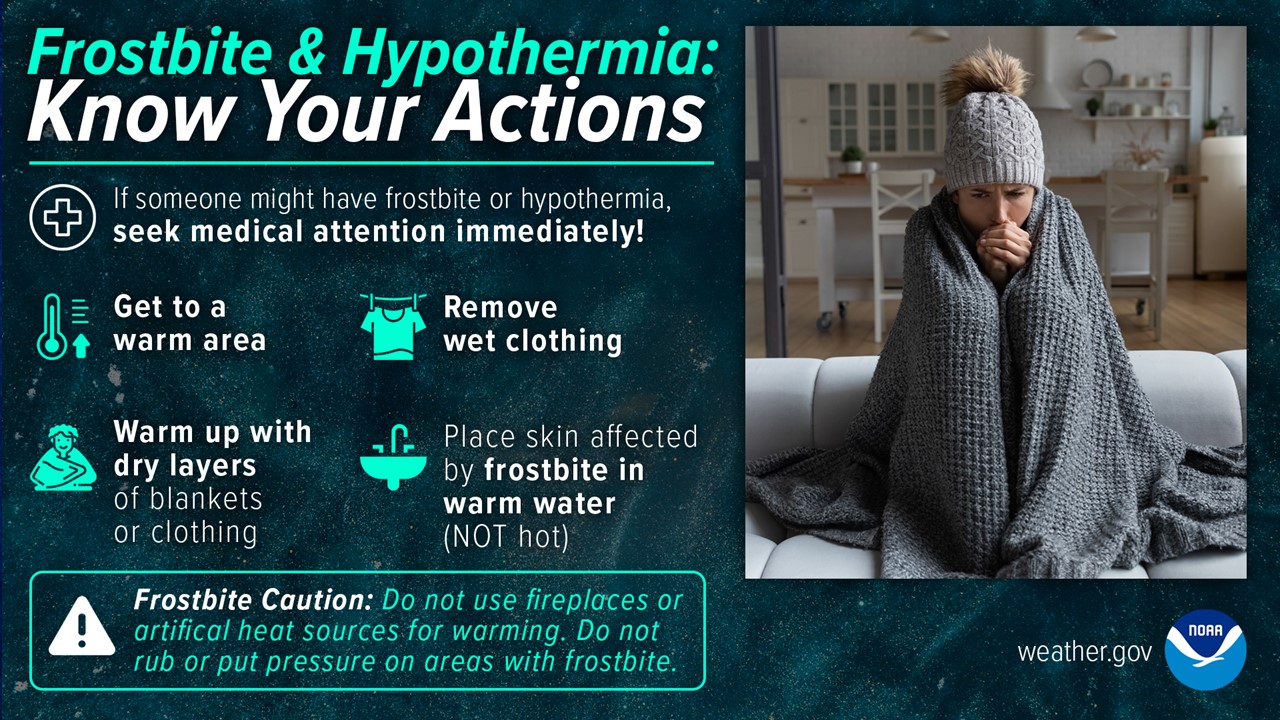
Cold outside? Avoid the risk of frostbite and hypothermia by dressing in layers, covering exposed skin, and limiting time outdoors. If someone might be experiencing either condition, seek medical attention immediately — and know your actions.
Winter Driving Prep
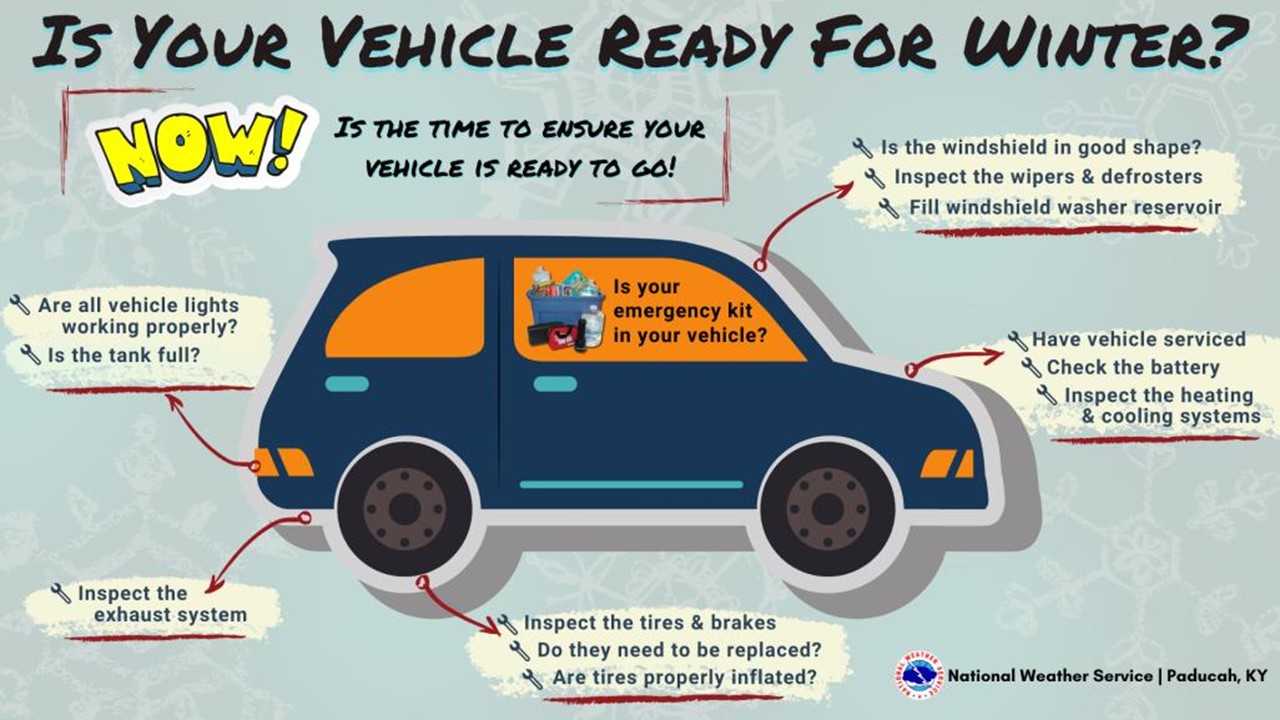
Winterizing your vehicle is an essential part of winter weather preparedness. Spending some time now to make sure your vehicle is in tip top shape, will go a long way to keeping you safe this winter season.
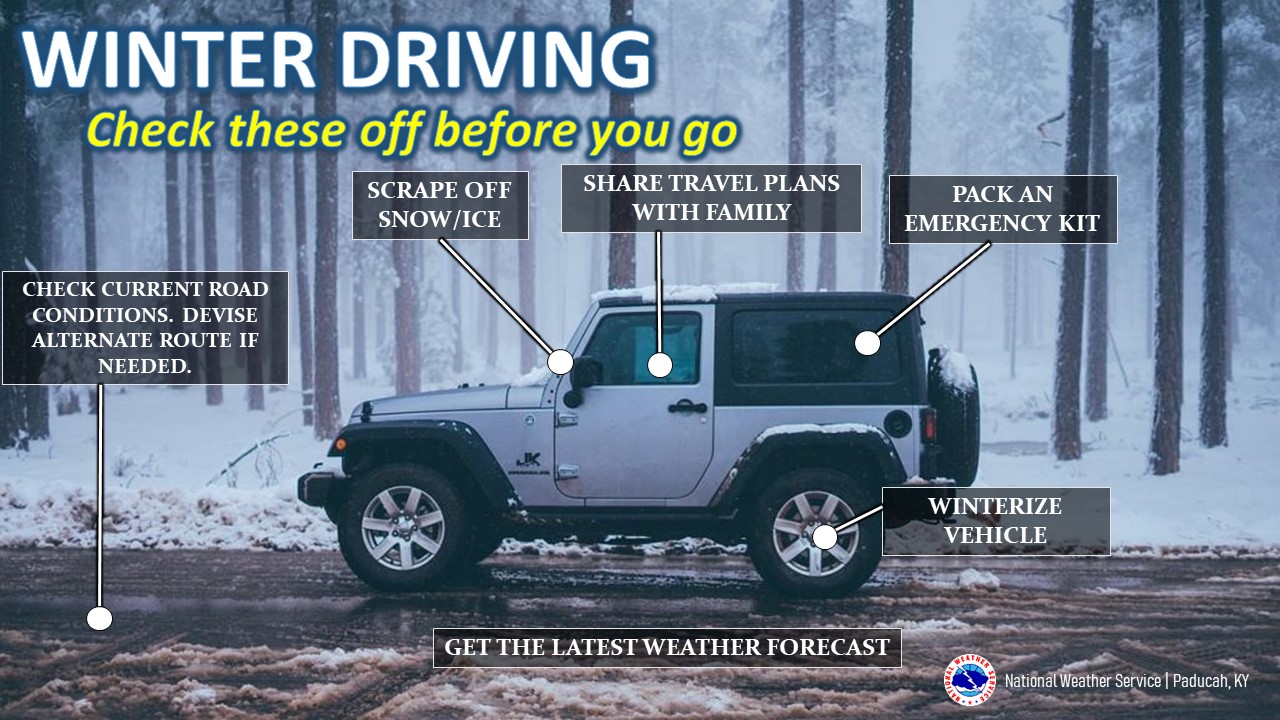
Make sure to check off these tips before venturing out during adverse winter weather conditions. Because staying home during winter weather is not always possible, utilizing these tips will help ensure you are doing all you can to prepare for hazardous winter driving conditions.
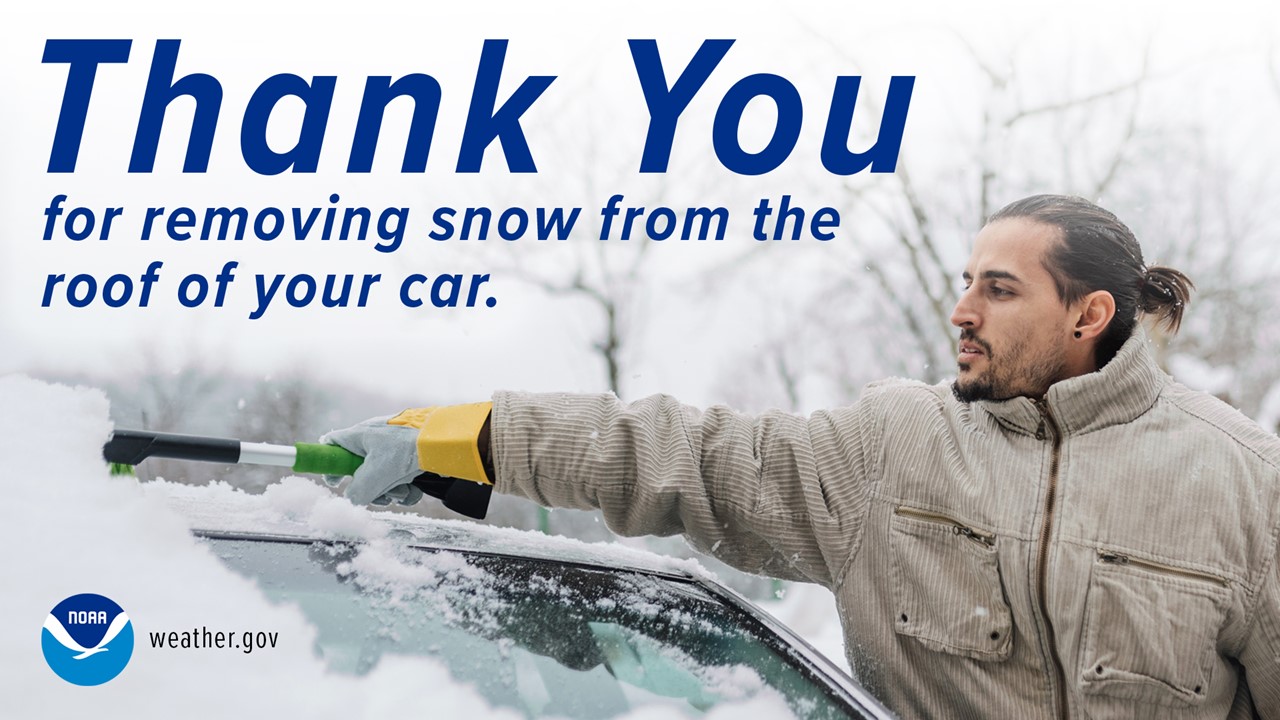
Please thoroughly clean snow off your car — including the roof. Snow left on car roofs can fly off your vehicle when in motion, creating potentially dangerous situations for you and those driving behind you.

Are you planning a lengthy trip by car this winter? Know how to prepare, and know that the decisions that need to be made will differ depending on where you are on the Winter Travel Timeline: youtu.be/ZzjarXUsDtA
Winter Driving Tips

Many winter weather related vehicle accidents are a result of a handful of bad driving habits or road conditions. Reducing your speed, making gentle movements and staying focused make a big difference in reducing accidents.

Here are a bunch of helpful tips when it comes to winter driving. Review these before heading out on snowy/icy roadways. Review these with young or newly licensed drivers as well.
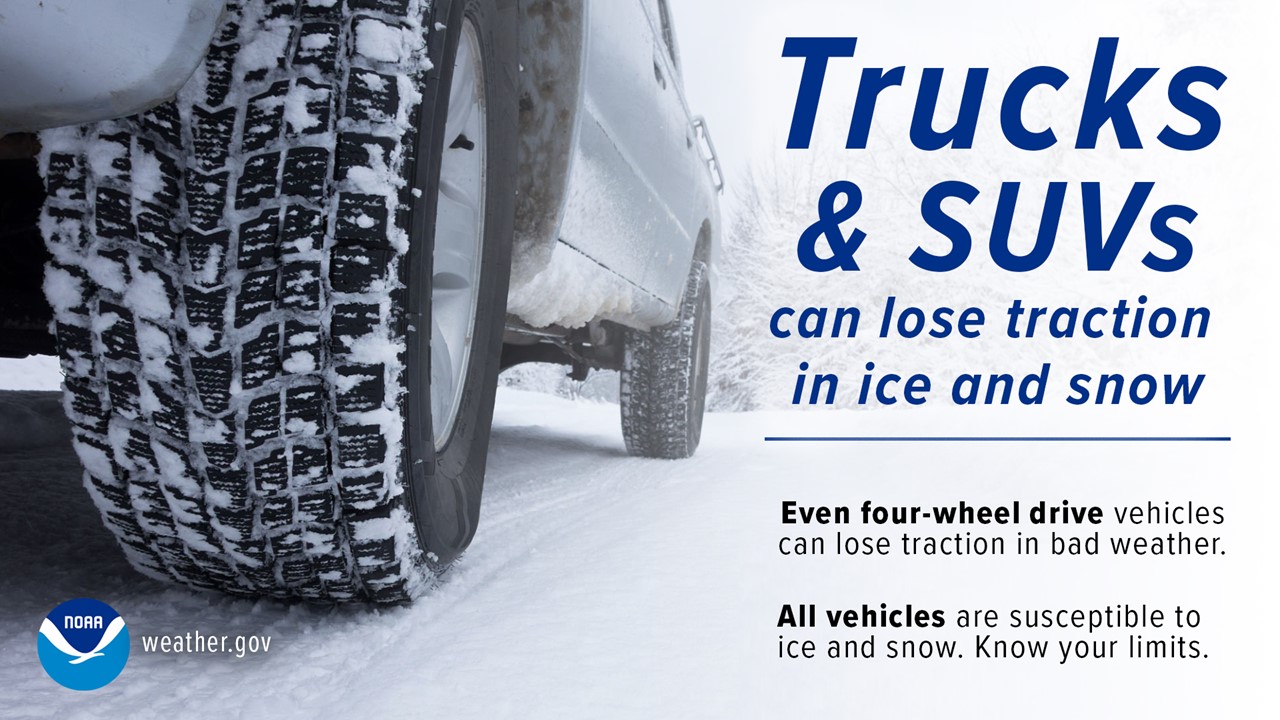
Even trucks and SUVs with four-wheel drive can still lose traction in the snow. Stay Weather-Ready by always using extra caution when driving in wintry conditions — no matter what you’re driving.

During a snow squall, the last place you want to be is on the road. Delay travel if a snow squall warning is issued. If you’re caught on the road when a snow squall occurs, use extreme caution. Slow down, turn on your low-beams and hazards. If you can safely reach an exit or parking area, pull completely off the roadway and wait for the squall to pass.
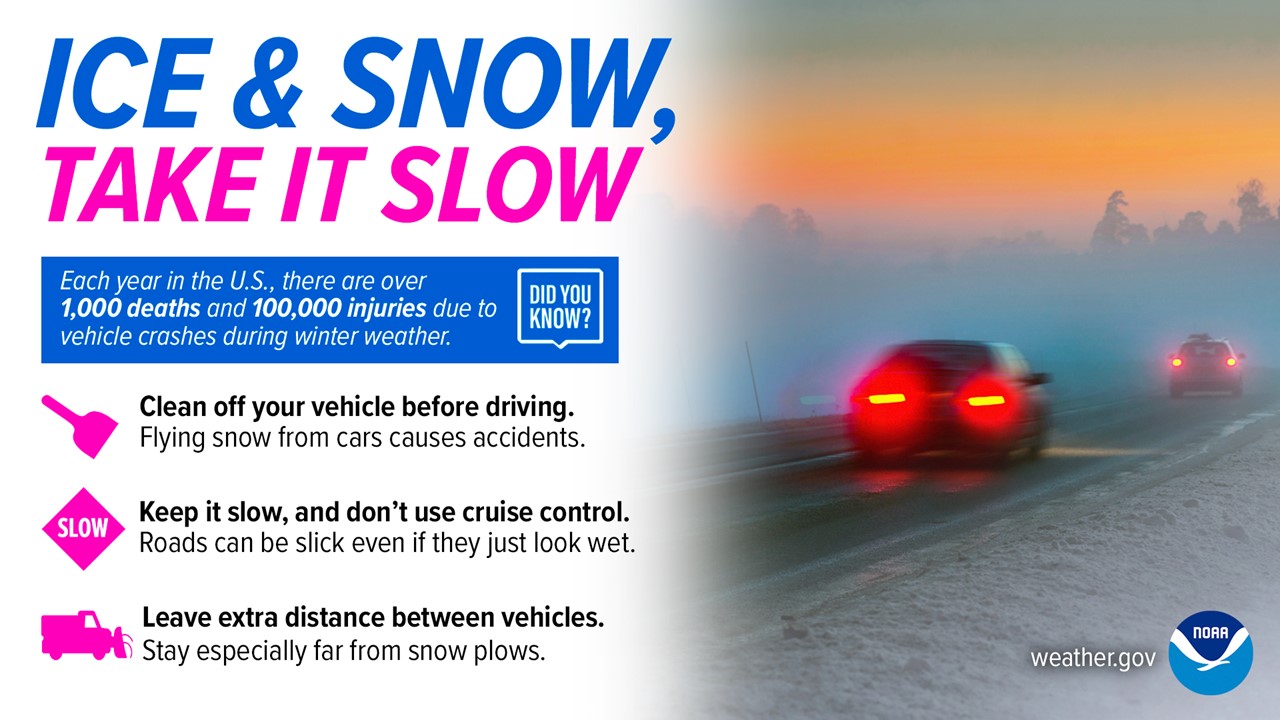
Winter driving can be hazardous. Slow down to keep yourself and everyone on the road safe. Remember, “Ice and snow, take it slow”.
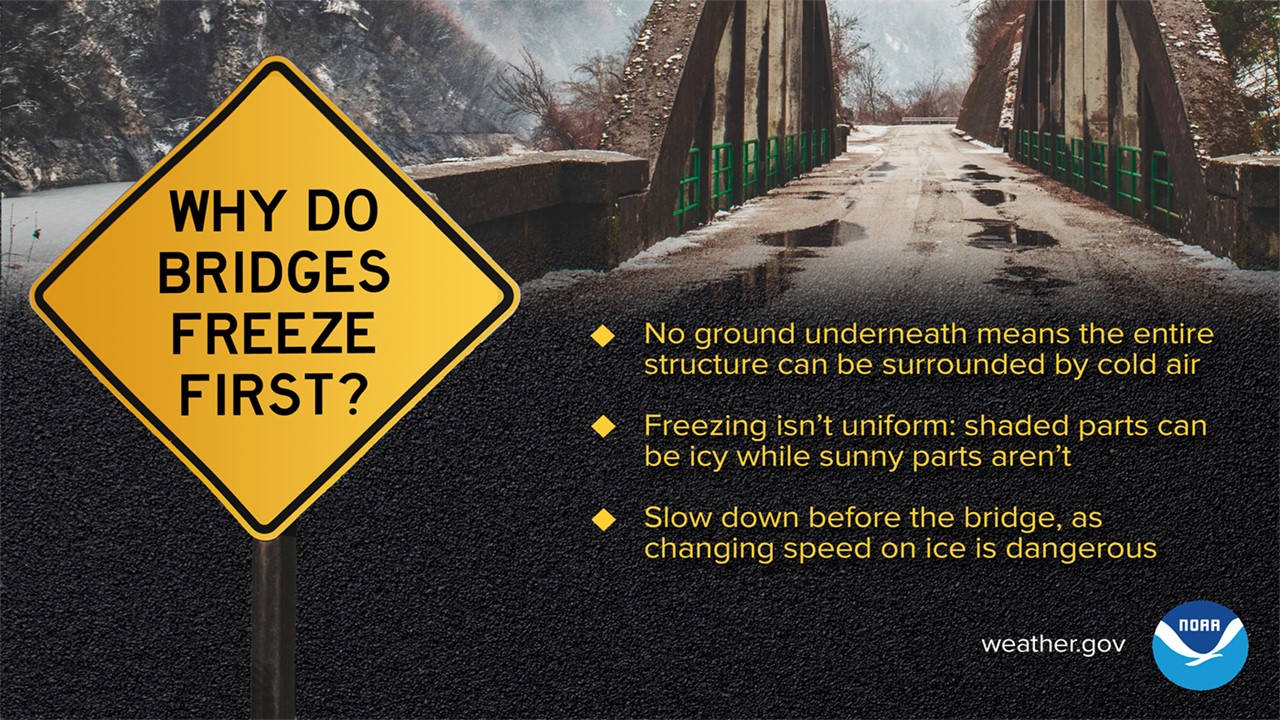
You’ve probably seen road signs advising that bridges freeze before roads, but do you know why? Having open air underneath the bridge means the cold air surrounds the bridge both above and below. If there’s even the chance that a bridge might be frozen, SLOW DOWN! And do it before you cross the bridge — changing speed on ice is dangerous.
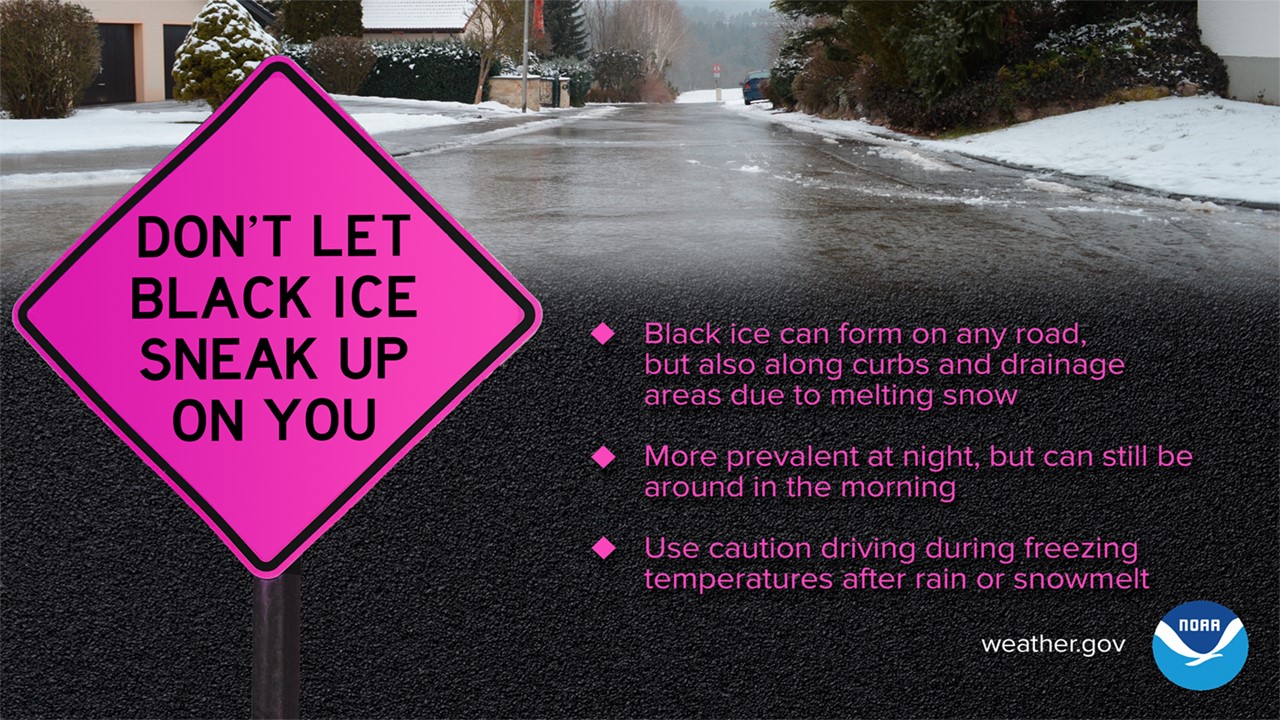
When recent rain or snowmelt comes into contact with freezing temperatures, black ice can form — and you might not even see it. And while black ice is more prevalent at night, it can often stick around for the morning commute. Use extreme caution when driving...don’t let black ice sneak up on you.

While we never plan on it, there may be a time when extreme winter weather becomes more than you can handle and you become stranded in your vehicle in a storm. Play it safe and use these tips if ever caught in this dangerous situation.
Indoor/Outdoor Winter Safety Tips

Many deaths during the winter season can be attributed to improper use of alternate heat sources, including carbon monoxide poisoning and fires. Always properly ventilate heat sources and make sure you have working smoke and carbon monoxide detectors in your home.
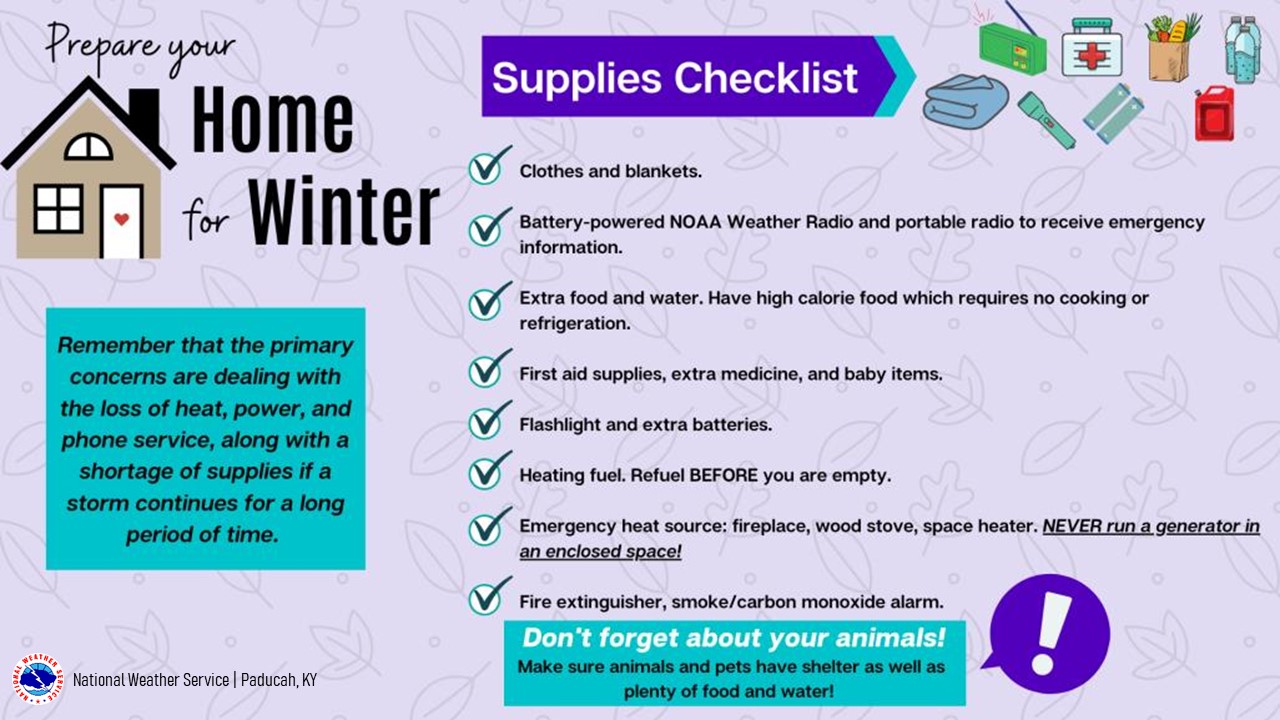
There are several things you can do to prepare yourself for the winter season, from having your home stocked with supplies, to keeping your vehicle topped off on gas, to knowing what to do to keep your pipes from freezing. Review these tips to keep you safe.

If winter weather leaves you without heat, stay indoors, dress in layers, and conserve warmth by closing off unused rooms and covering windows. If using an alternative heat source, follow fire safety precautions and protect yourself from carbon monoxide poisoning.

When it's cold outside or your power has gone out, many people may utilize alternate heat sources to keep their home warm. It is imperative to use these sources properly and take all necessary safety precautions. Check out https://www.ready.gov/winter-ready for more tips.
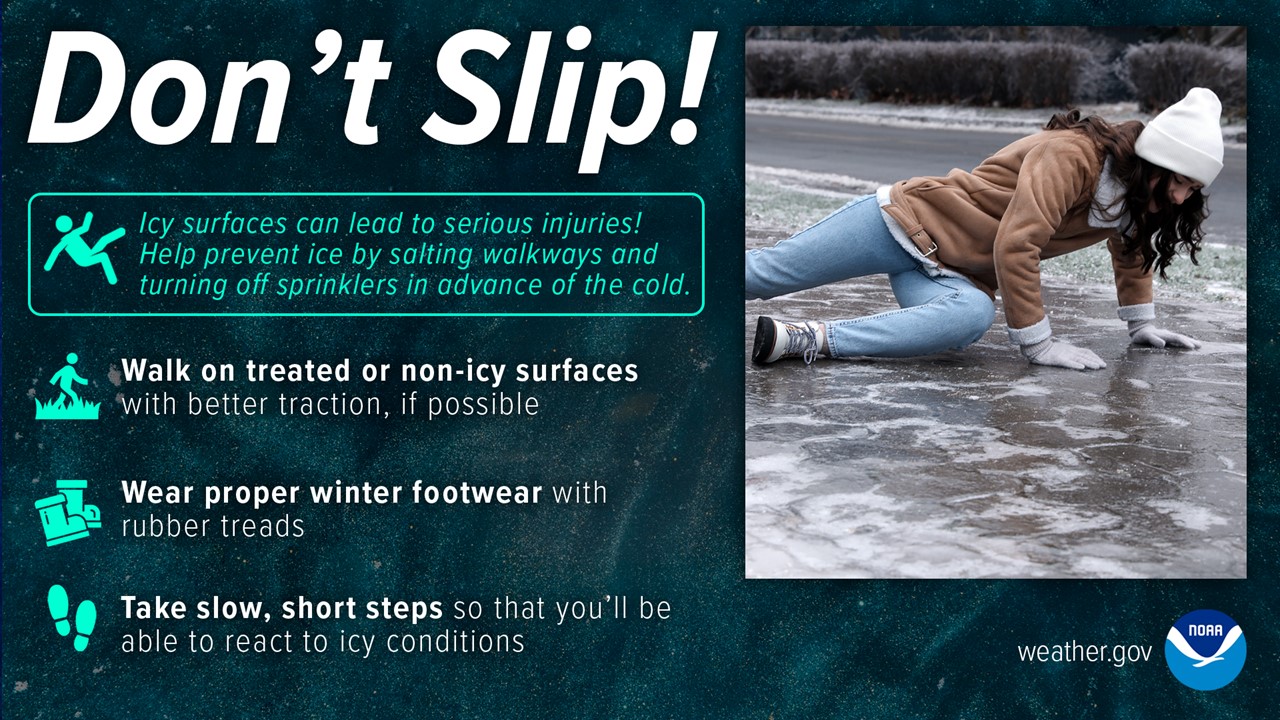
Slipping on an icy sidewalk can lead to serious injuries or even death, especially for the elderly. Help prevent the formation of ice by salting walkways and turning off sprinklers in advance of cold weather.

While we never plan on it, there may be a time when extreme winter weather becomes more than you can handle and you become stranded in a storm. Play it safe and use these tips if ever caught in this dangerous situation.

Everyone deals with the aftermath of a winter storm differently. Some stay home and wait for conditions to improve. Many go out to shovel or clean up their yard. Whatever you do, always be aware of the hidden aftermath dangers of winter storms.
Sneaky Winter Hazards
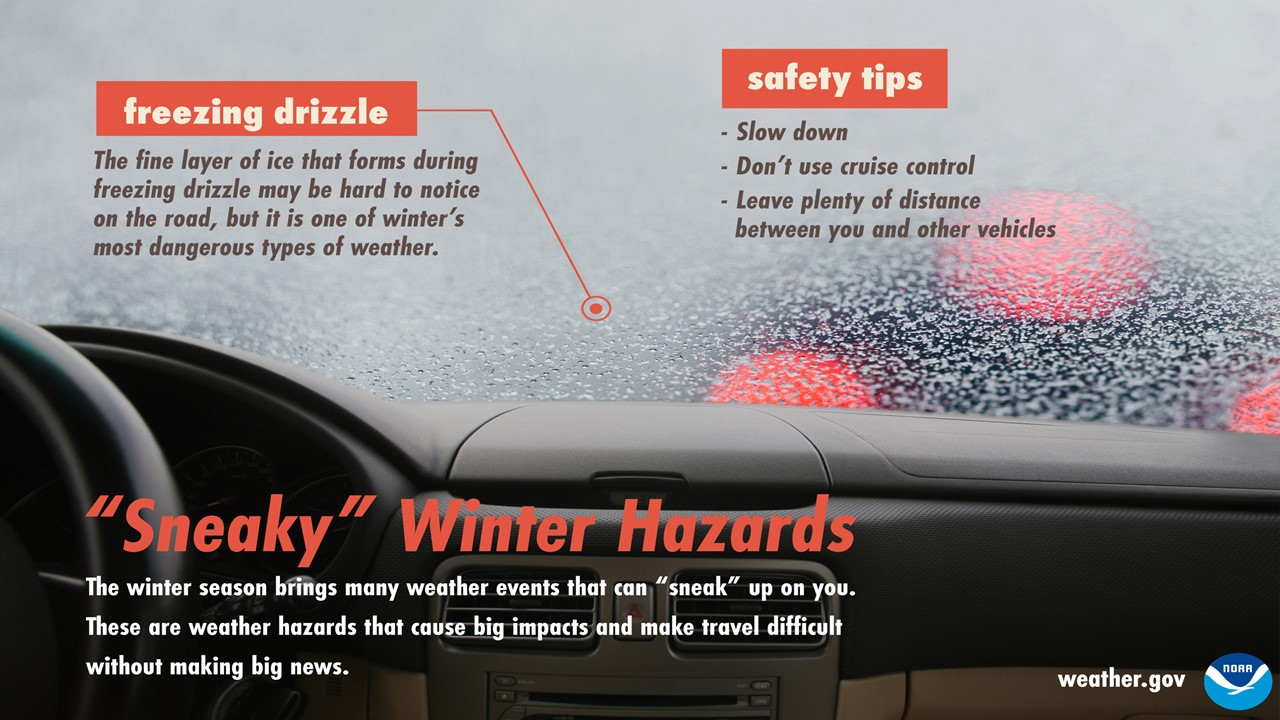
When surface temperatures are below freezing, drizzle will form a thin layer of ice on the roads. This difficult-to-see ice can cause very dangerous travel conditions. When it’s drizzling in the winter, slow down, don’t use cruise control, and keep your distance from other vehicles. Don’t let freezing drizzle sneak up on you!
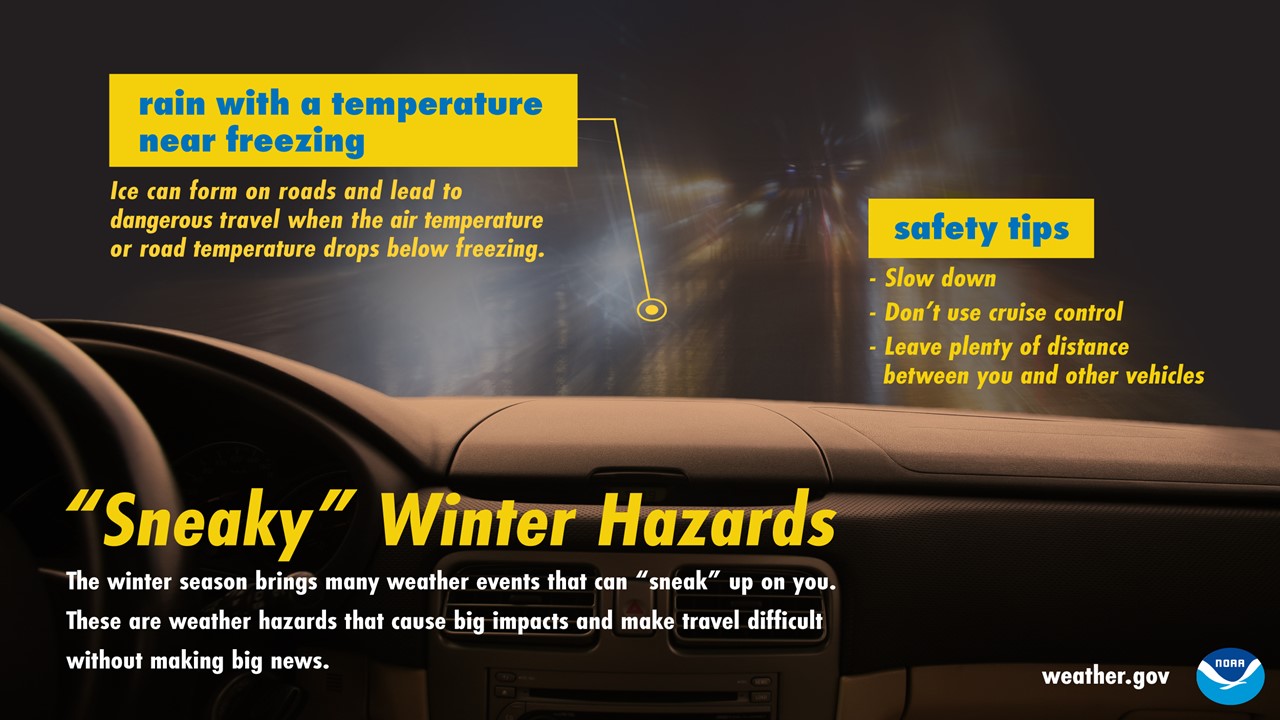
Rain may seem like less of a winter driving hazard than snow, but when temperatures are near freezing, that’s not the case. Ice can form quickly and make roads slick. In these conditions, slow down, don’t use cruise control, and keep plenty of distance between you and other vehicles. Don’t let this winter hazard sneak up on you!
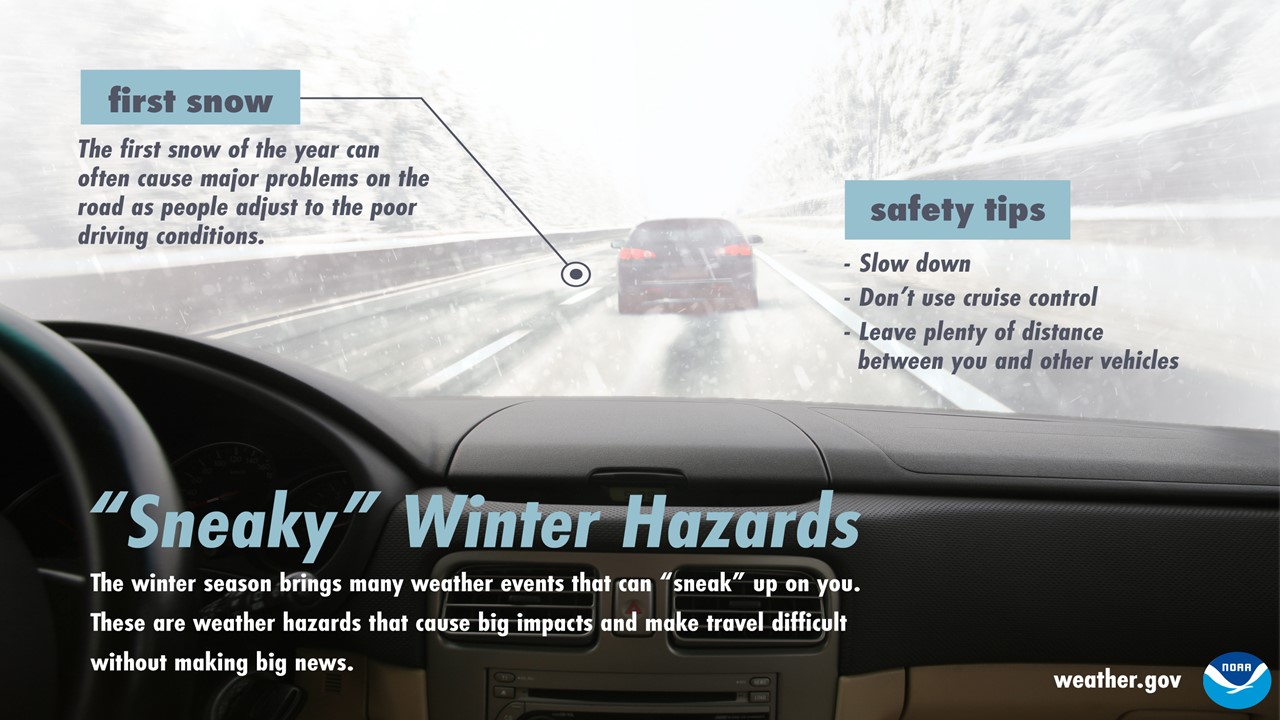
While lots of snow in the middle of winter can certainly cause dangerous travel conditions, many times it’s the first little bit of snow of the season that can cause accidents. Be extra careful as you and other drivers adjust to driving in poor conditions. Slow down, don’t use cruise control, and keep your distance from other vehicles. Don’t let the first snow sneak up on you!
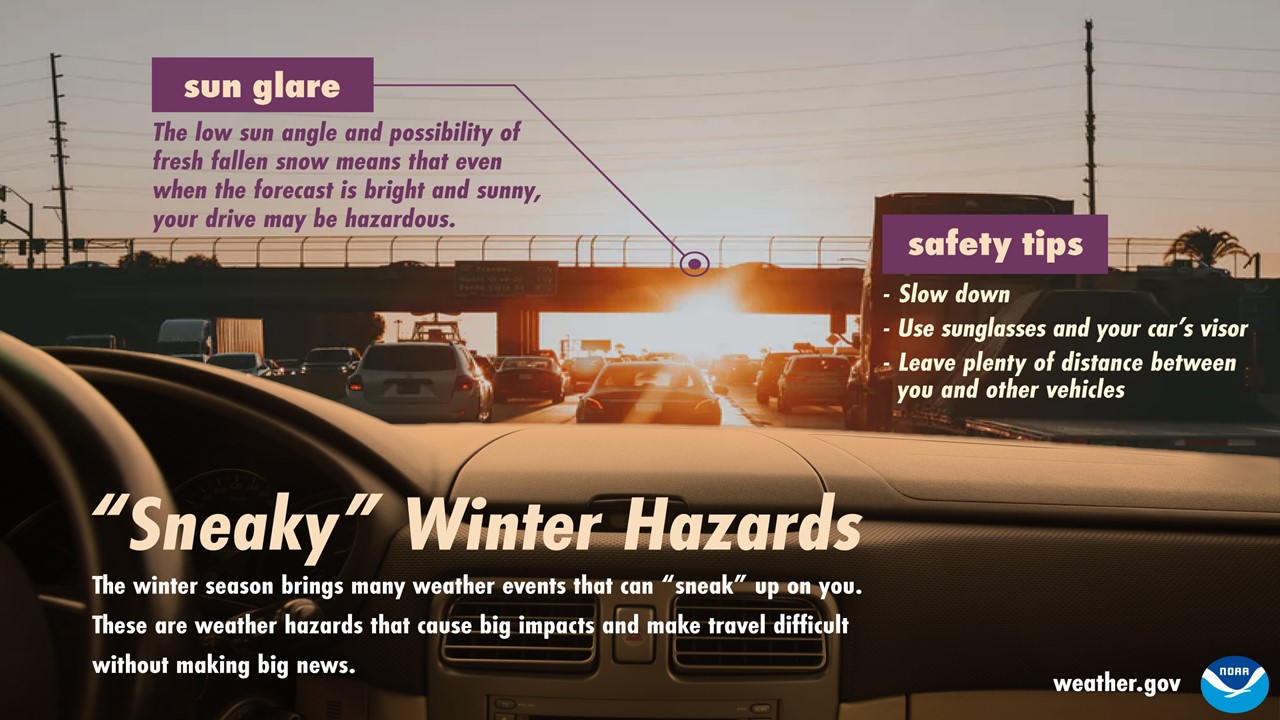
While lots of snow in the middle of winter can certainly cause dangerous travel conditions, many times it’s the first little bit of snow of the season that can cause accidents. Be extra careful as you and other drivers adjust to driving in poor conditions. Slow down, don’t use cruise control, and keep your distance from other vehicles. Don’t let the first snow sneak up on you!
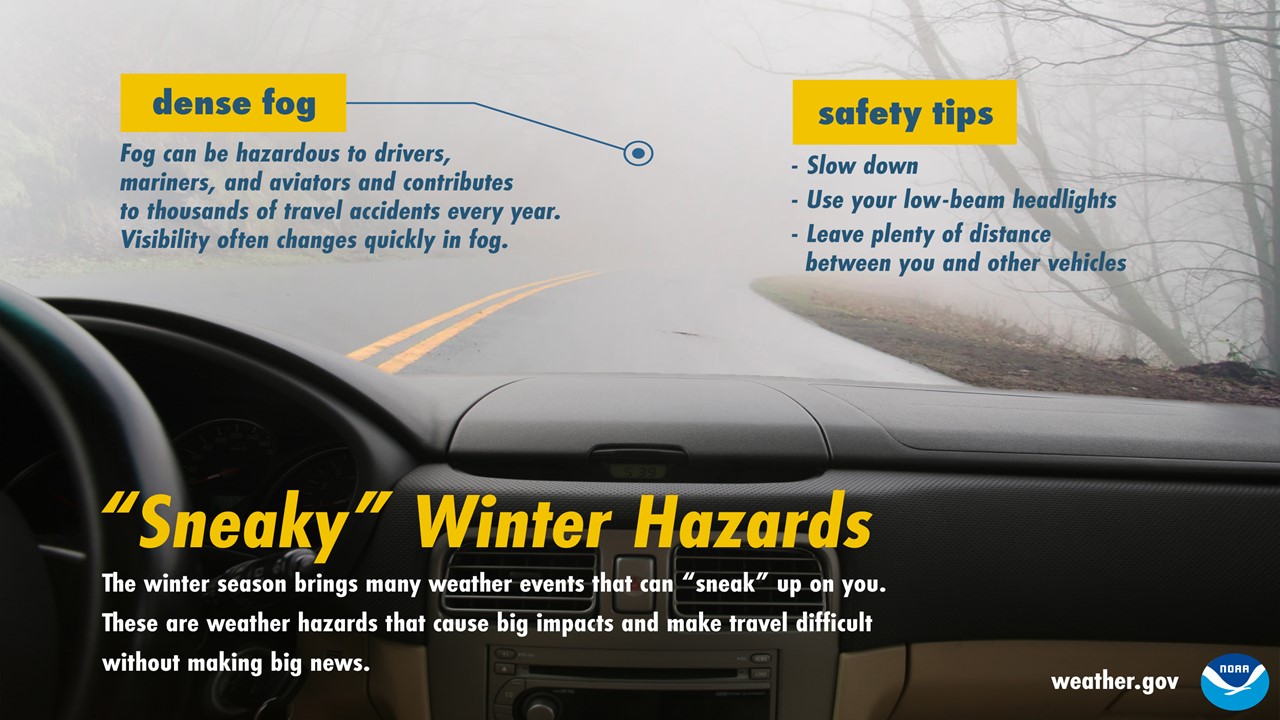
Visibility can change quickly in fog, creating hazardous driving conditions. Slow down, use your low-beam headlights, and leave plenty of distance between you and other vehicles. Don’t let fog sneak up on you!
En Español
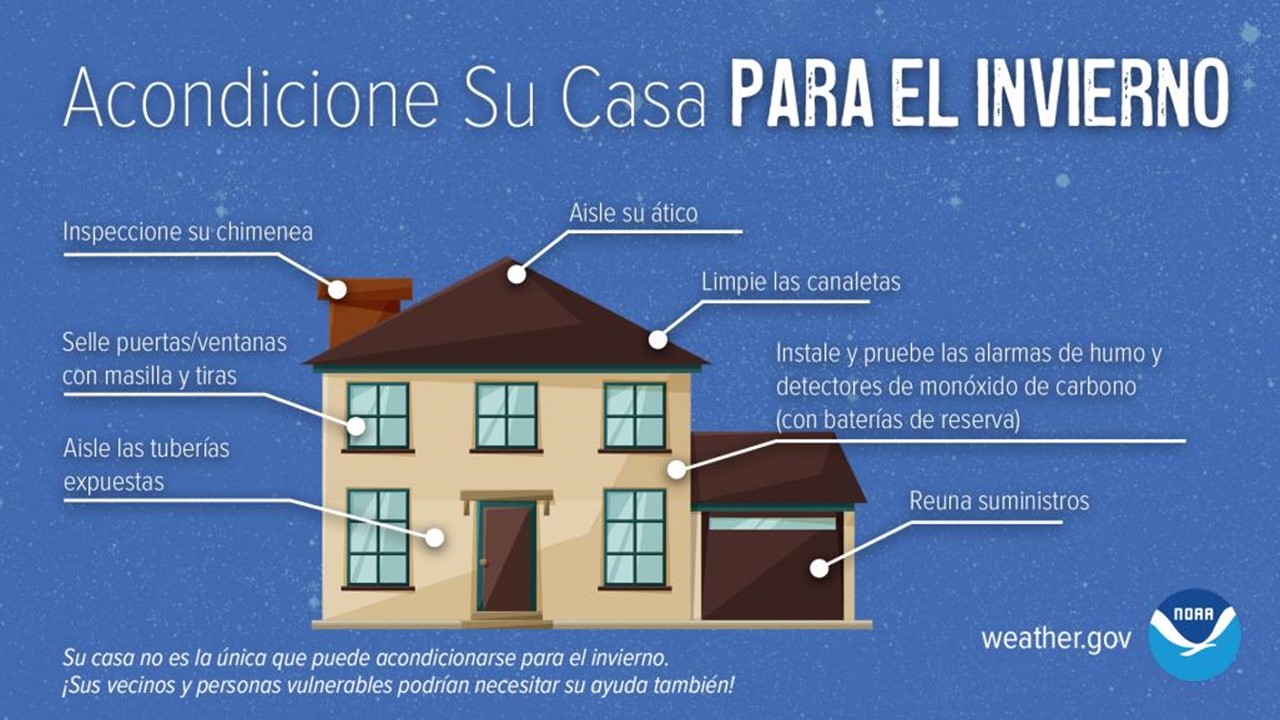
A medida que se acerca el invierno, hay pasos que puede seguir para preparar su hogar para el tiempo frío que se avecina. Obtenga más información ene que un puente esté helado, ¡REDUCE TU VELOCIDAD! Y hazlo antes de cruzar el puente - frenar sobre hielo es peligroso. weather.gov/safety/winter
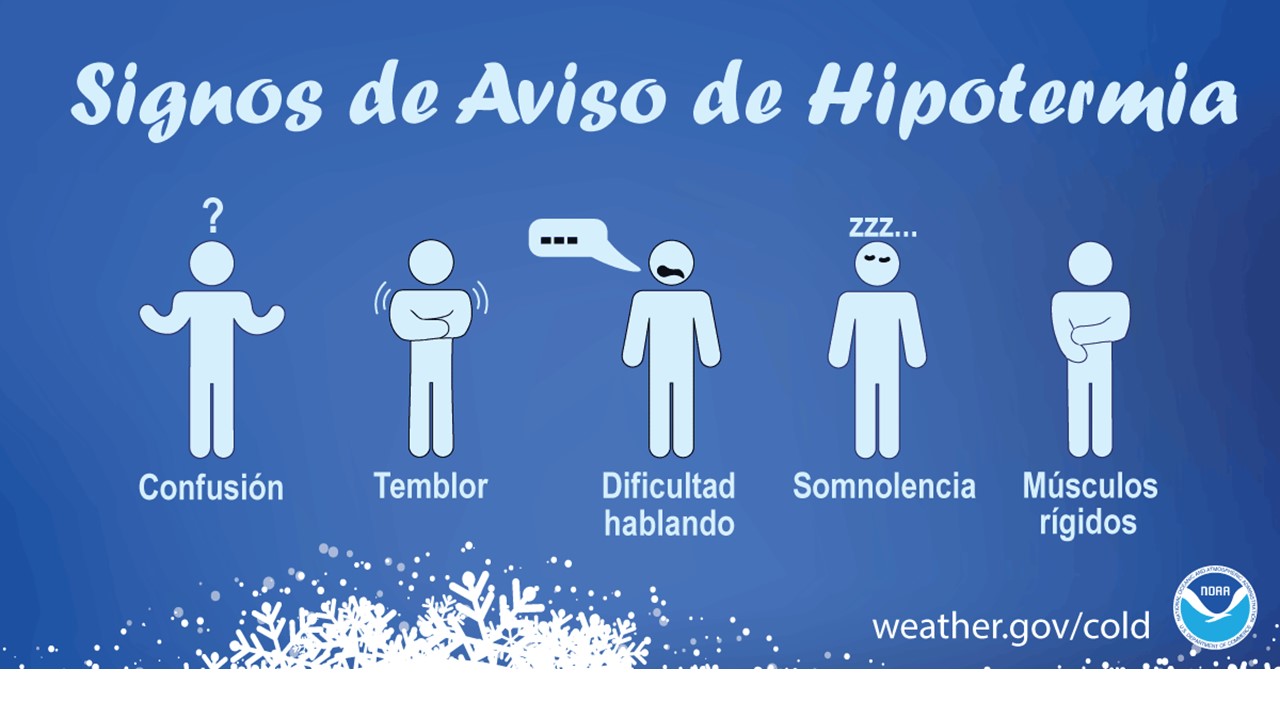
Si nota que alguien muestra signos de hipotermia, llévelo a un lugar cálido inmediatamente. Protéjase del frío este invierno en weather.gov/safety/cold
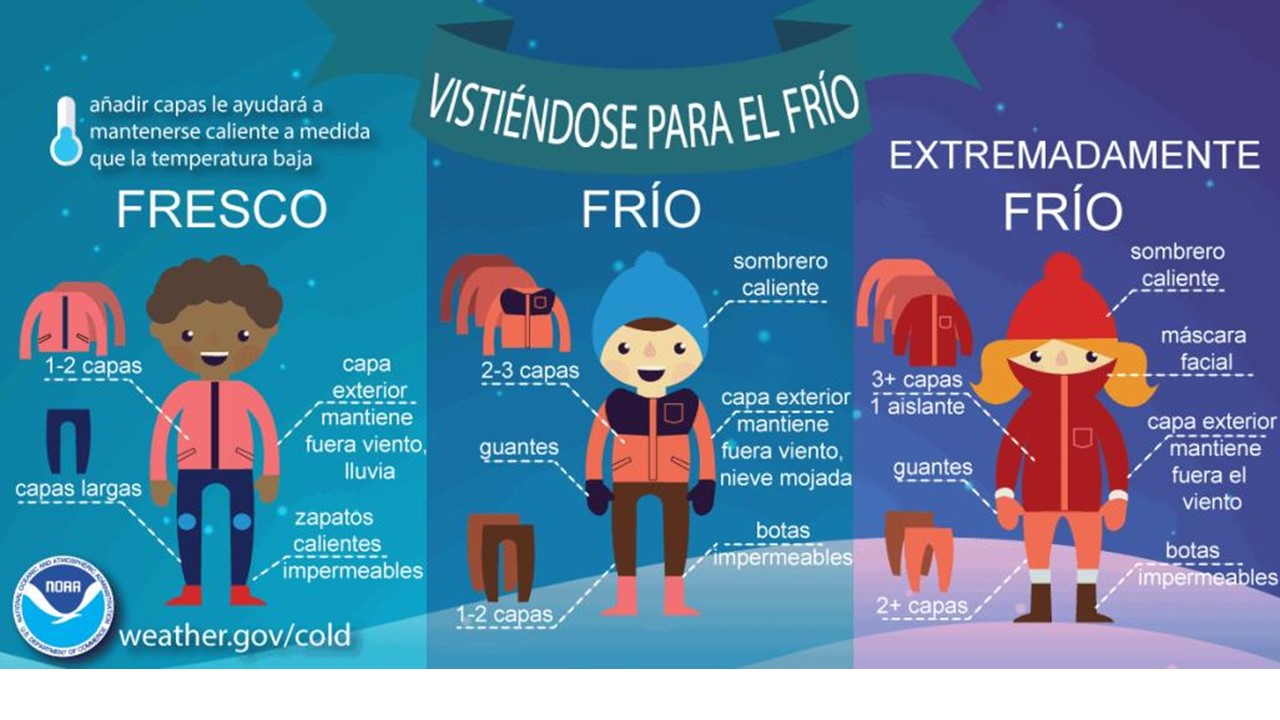
Abrigándose en capas y manteniéndose seco es una de las mejores cosas que puede hacer para mantenerse seguro este invierno. Protégete del frío este invierno. weather.gov/safety/cold
 |
Media use of NWS Web News Stories is encouraged! Please acknowledge the NWS as the source of any news information accessed from this site. |
|



 Follow us on X
 Follow us on Facebook
 Follow us on YouTube
 PAH RSS Feed