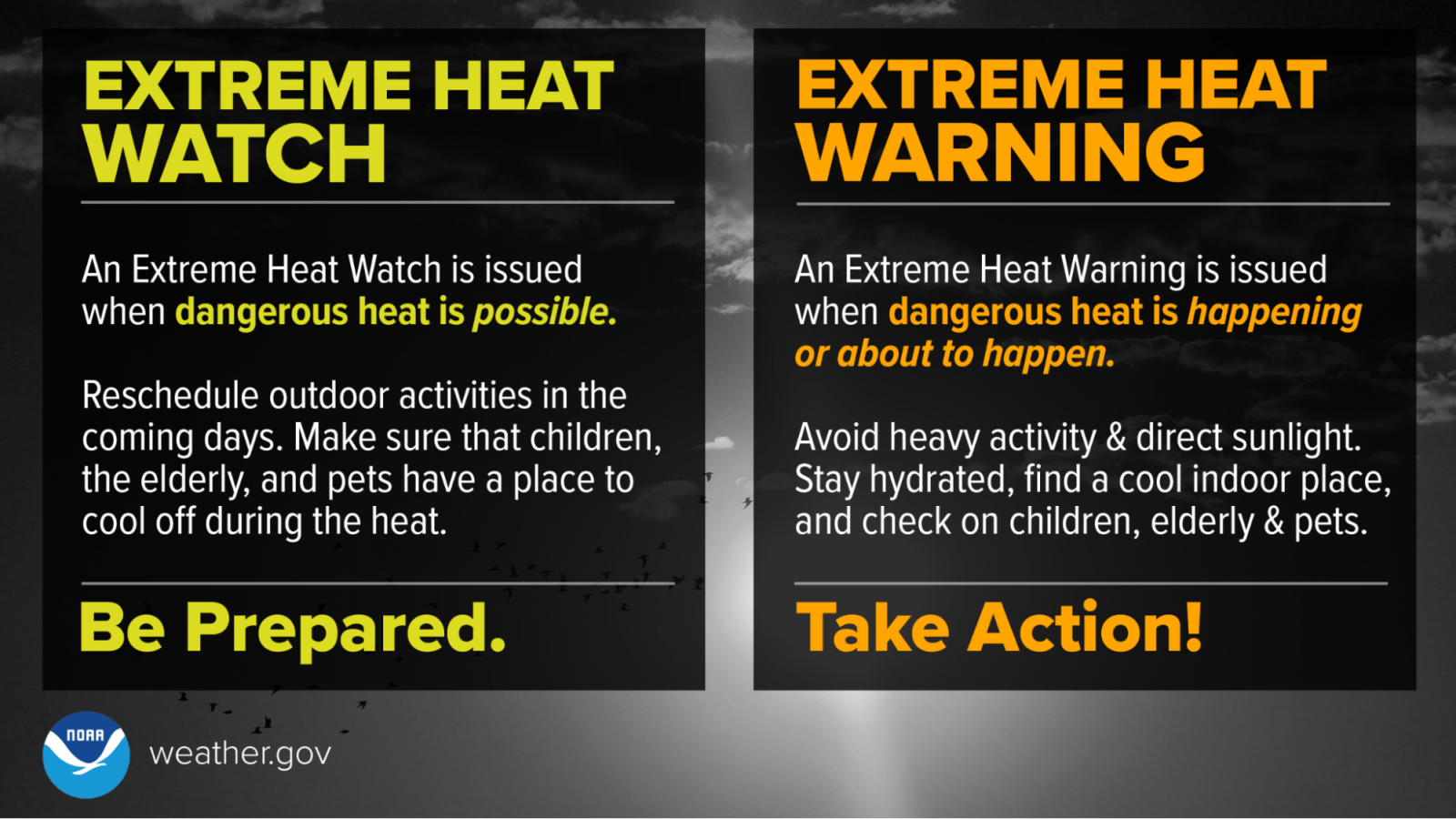
Heat is the #1 weather-related killer in the United States! Here are a few tips on staying safe during episodes of dangerously hot weather:
- Children and pets should never be left unattended in vehicles under any circumstances. This is especially true during warm or hot weather when car interiors can reach lethal temperatures in a matter of minutes.
- Take extra precautions if you work or spend time outside. When outdoors, wear sunblock and light colored clothing as well as a wide-brimmed hat to keep your head and body cooler. Limit strenuous outdoor activities and take frequent rest breaks in shaded or air conditioned environments. When possible, reschedule strenuous activities to early morning or evening.
- Drink more water than usual and avoid alcohol, sugar, and caffeine.
- Recognize the signs and symptoms of heat illness. Early symptoms include headache, thirst, and muscle cramps. Serious symptoms include weakness, skin that is cool to the touch, fast but weak pulse, nausea, and fainting. Severe symptoms include hot and red dry skin, fast and strong pulse, sweating that has stopped, and unconsciousness. Untreated heat illness can lead to a fatal heat stroke.
For more information, check the National Weather Service's Heat Safety page.

El calor es la #1 condición meteorológica relacionada a muertes con el clima en los Estados Unidos! Aquí hay algunos consejos sobre cómo mantenerse seguro durante los episodios de calor excesivo:
- Los niños y las mascotas nunca deben dejarse desatendidos en vehículos bajo ninguna circunstancia. Esto es especialmente cierto en climas cálidos o calurosos, cuando los interiores de los automóviles pueden alcanzar temperaturas letales en cuestión de minutos.
- Tome precauciones adicionales si trabaja o pasa tiempo afuera. Cuando esté al aire libre, use bloqueador solar y ropa de colores claros, así como un sombrero y gorras para mantener la cabeza y el cuerpo más frescos. Limite las actividades extenuantes al aire libre y tome descansos frecuentes en ambientes con sombra o con aire acondicionado. Cuando sea posible, reprograme las actividades agotadoras a la mañana o al atardecer.
- Beba más agua de lo habitual y evite el alcohol, el azúcar y la cafeína.
- Reconocer los signos y síntomas de la enfermedad por calor. Los primeros síntomas incluyen dolor de cabeza, sed y calambres musculares. Los síntomas graves incluyen debilidad, piel fría al tacto, pulso rápido pero débil, náuseas y desmayos. Los síntomas graves incluyen piel seca, caliente y roja, pulso rápido y fuerte, sudoración que se ha detenido e inconsciencia. Una enfermedad por calor no tratada puede llevar a un golpe de calor fatal.
Para más información, visite la página de Heat Safety del National Weather Service.

.png)



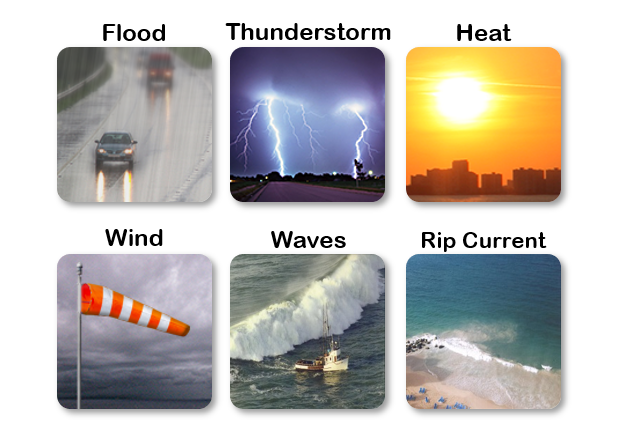 7-Day Graphical Hazardous Weather Outlook
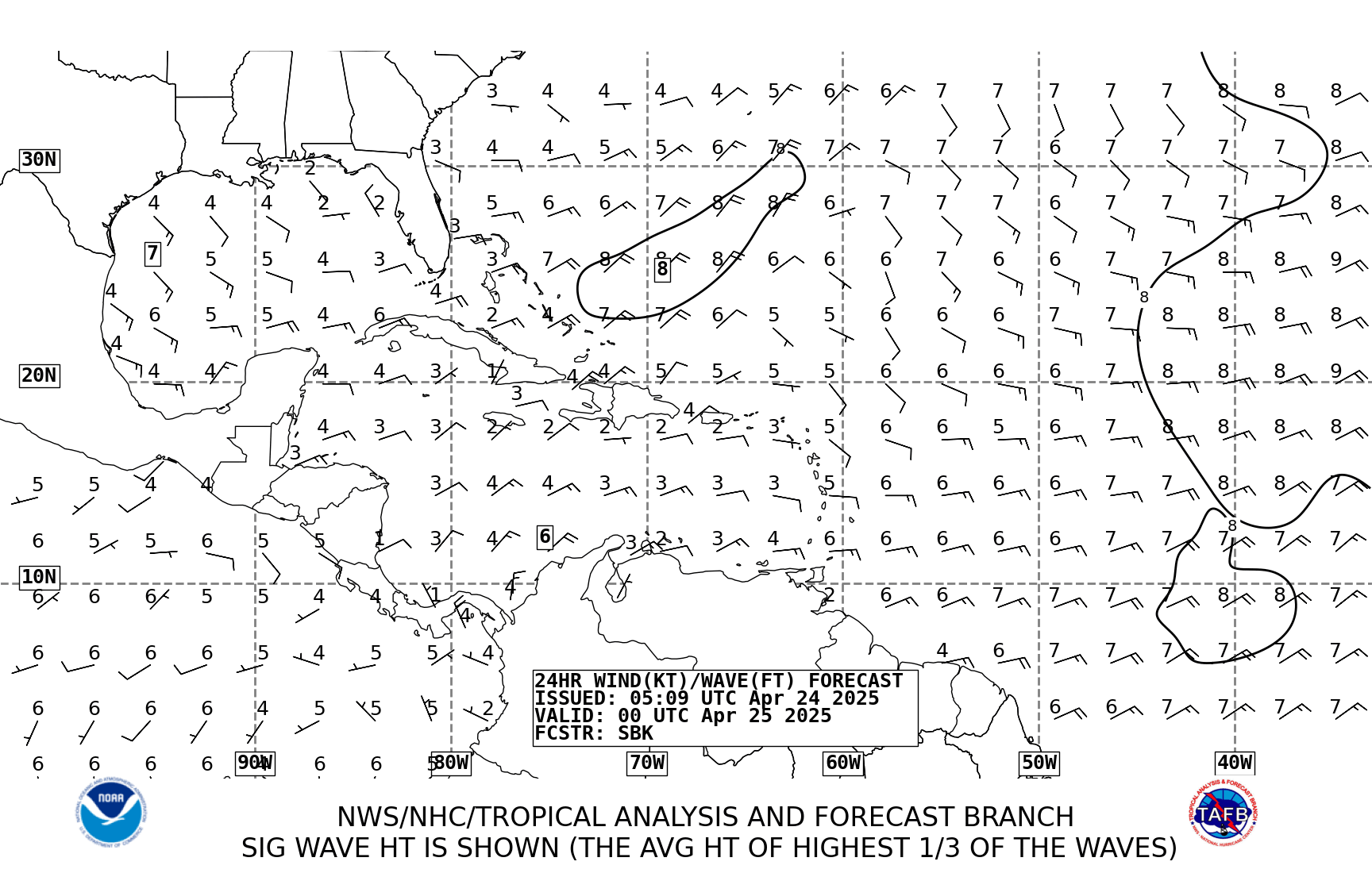 Tropical Analysis
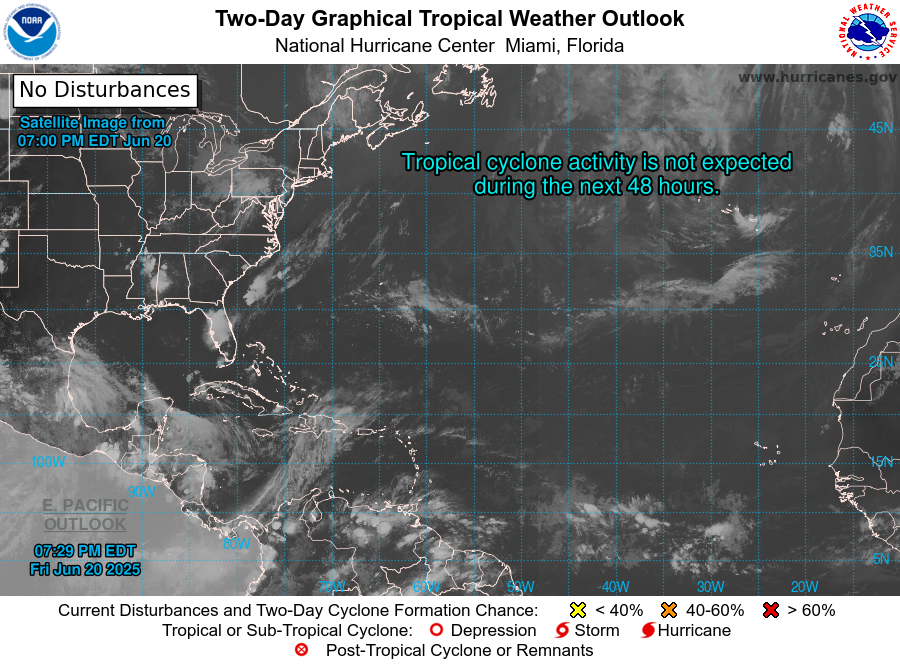 Tropical Weather
 Regional Satellite
 Puerto Rico and US Virgin Islands
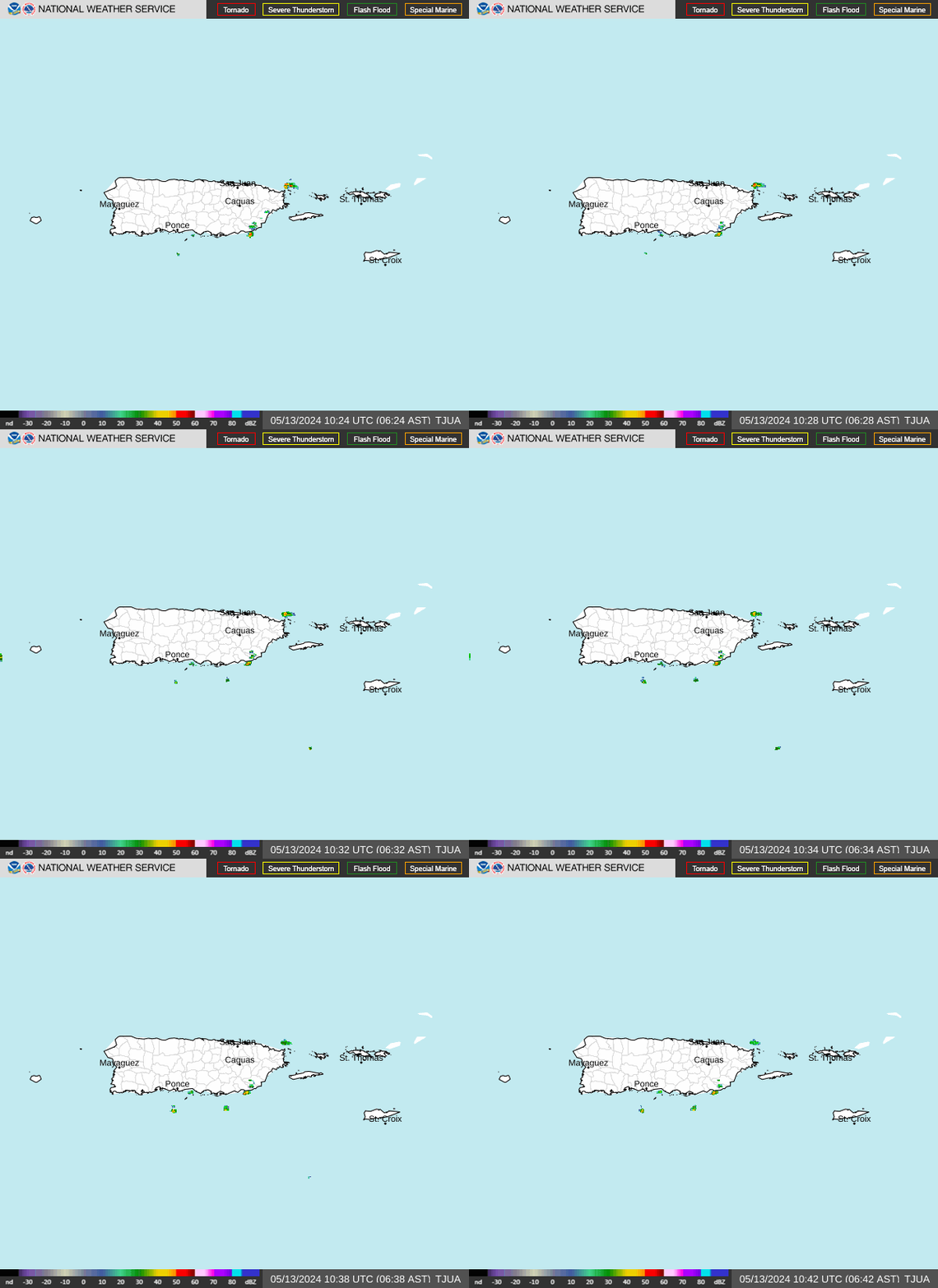 Local Radar
 Follow us on X
 Follow us on Facebook
 SJU RSS Feed