
Two Pacific storms will impact the western U.S. this week. The second storm arriving Tuesday night into Wednesday may bring heavy to excessive rainfall and possible flooding for coastal central and southern California, while heavy mountain snow is possible across the Sierra Nevada mountains. Heavy to excessive rainfall may bring flooding to parts of the east coast of Florida beginning Tuesday. Read More >
Overview
|
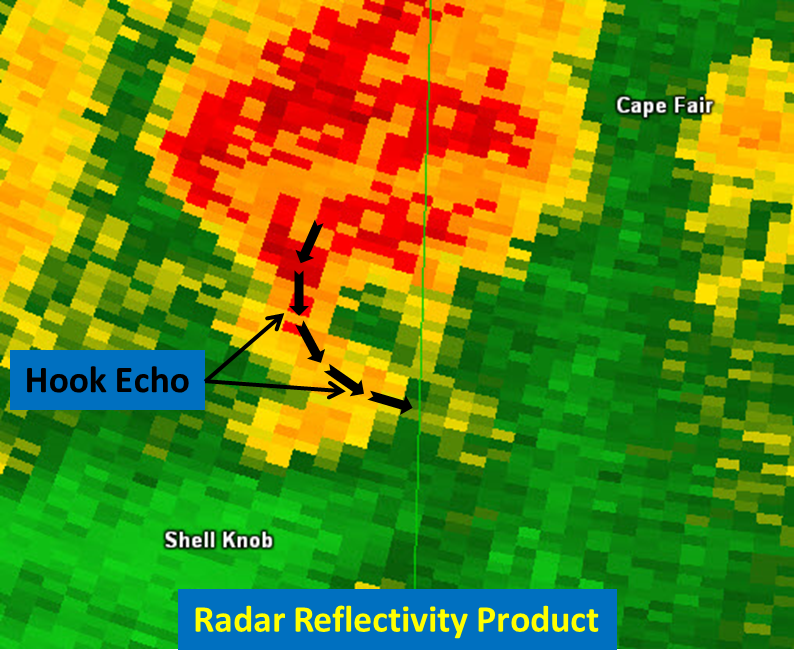
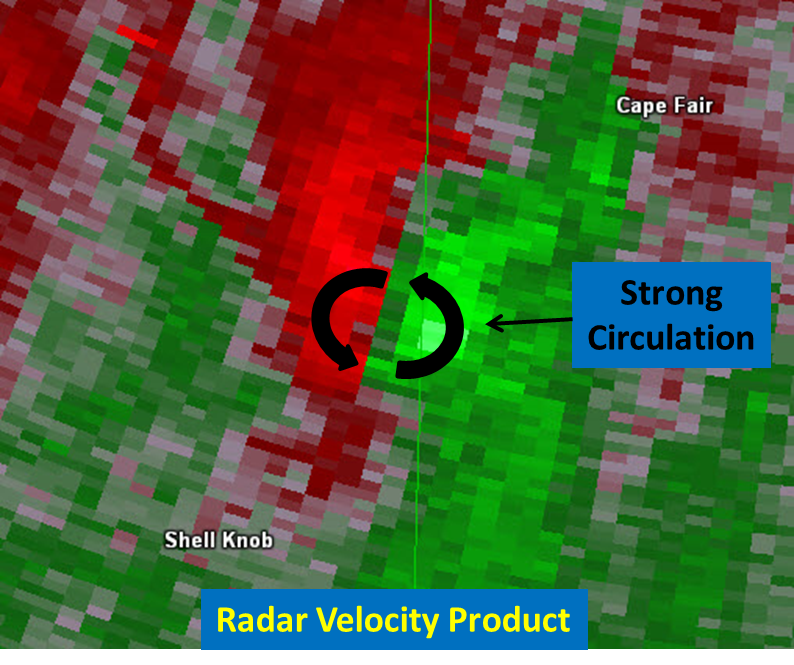
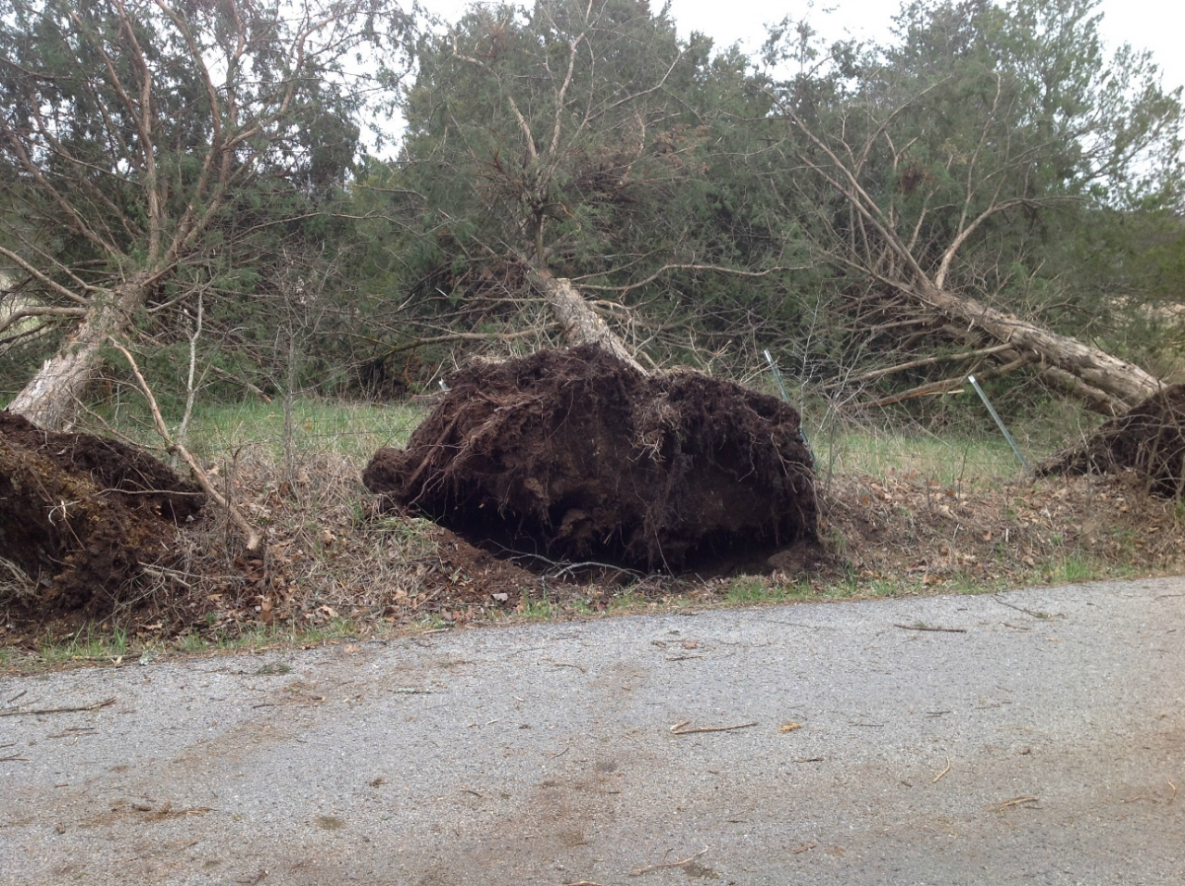
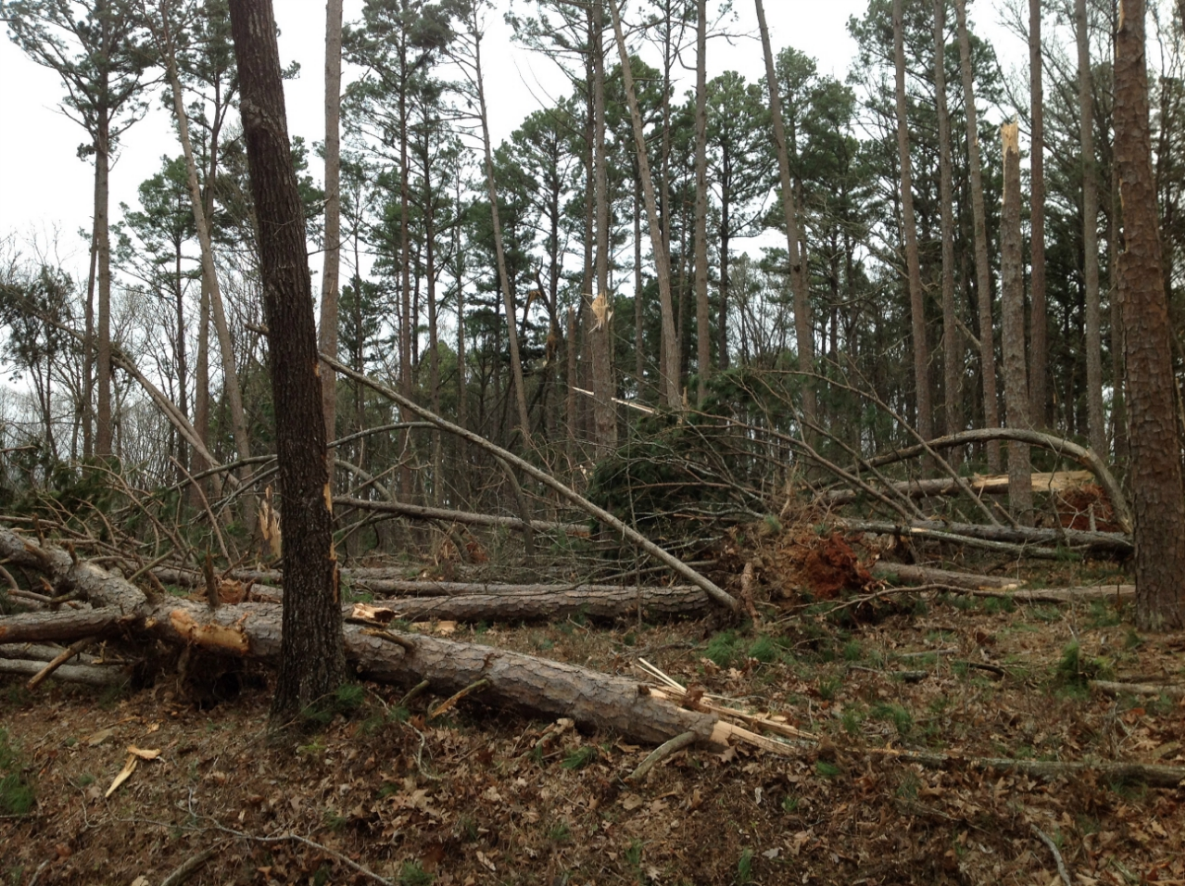
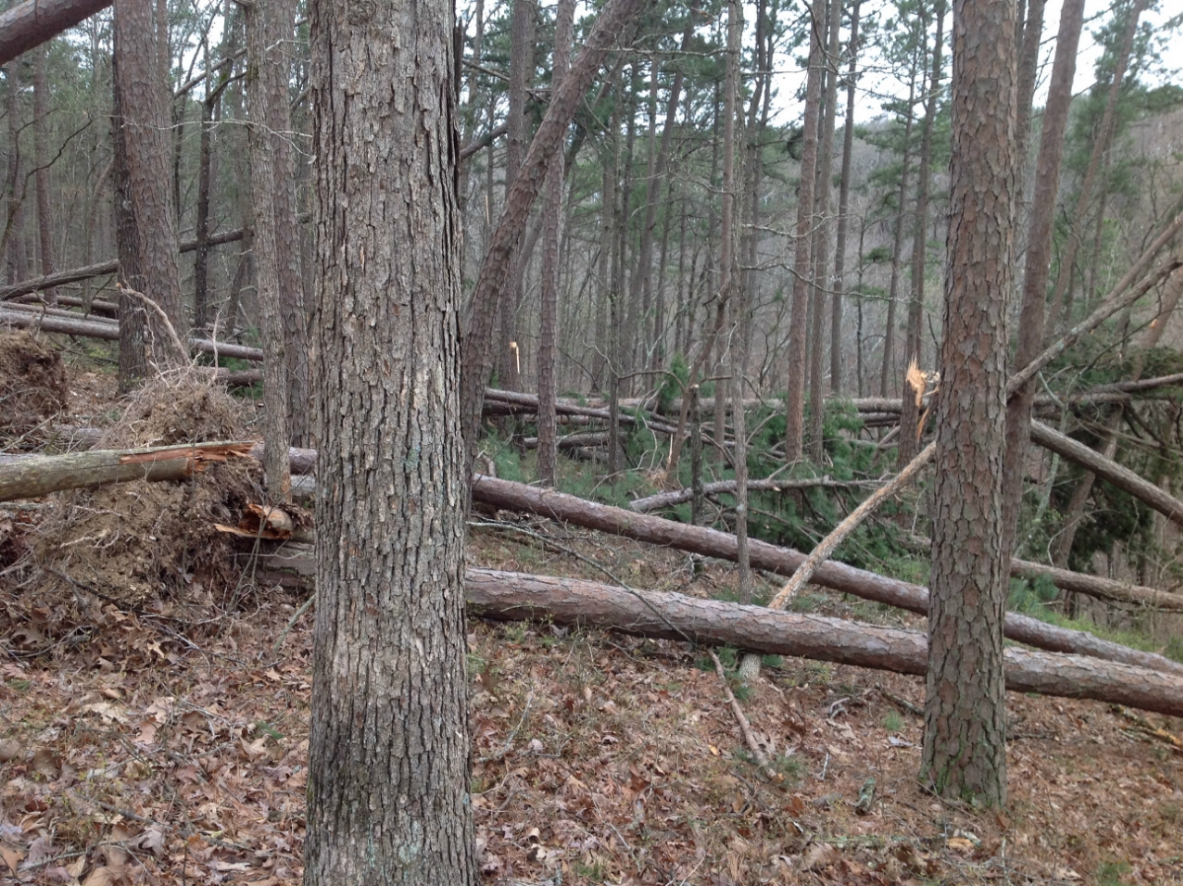
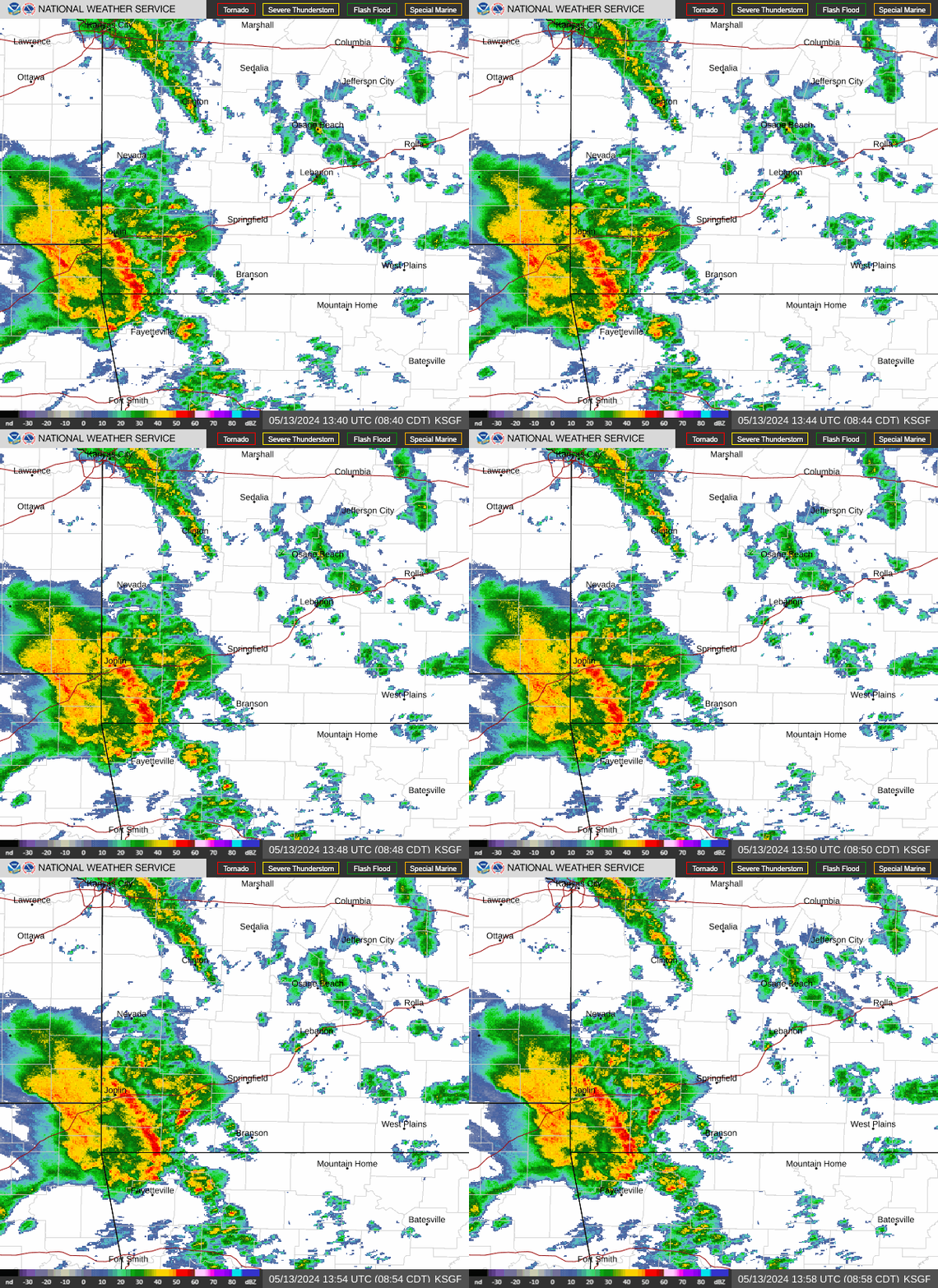
Several severe storms developed along and ahead of a cold front/dryline as it moved towards the Ozarks on the evening of March 23, 2016. Moisture from the Gulf of America was able to stream north into the region with the aid of a strong 850mb low level jet. Strong shear in association with synoptic winds and strong 850mb winds combine with limited instability were enough to produce a tornacic storm that moved across Barry into Stone Counties in Missouri. The very strong shear was able to overcome the limited instability as a strong storm embedded in a line of storms, moved across southern Missouri. This storm ultimatly developed an EF-1 Tornado near Shell Knob, Missouri. |
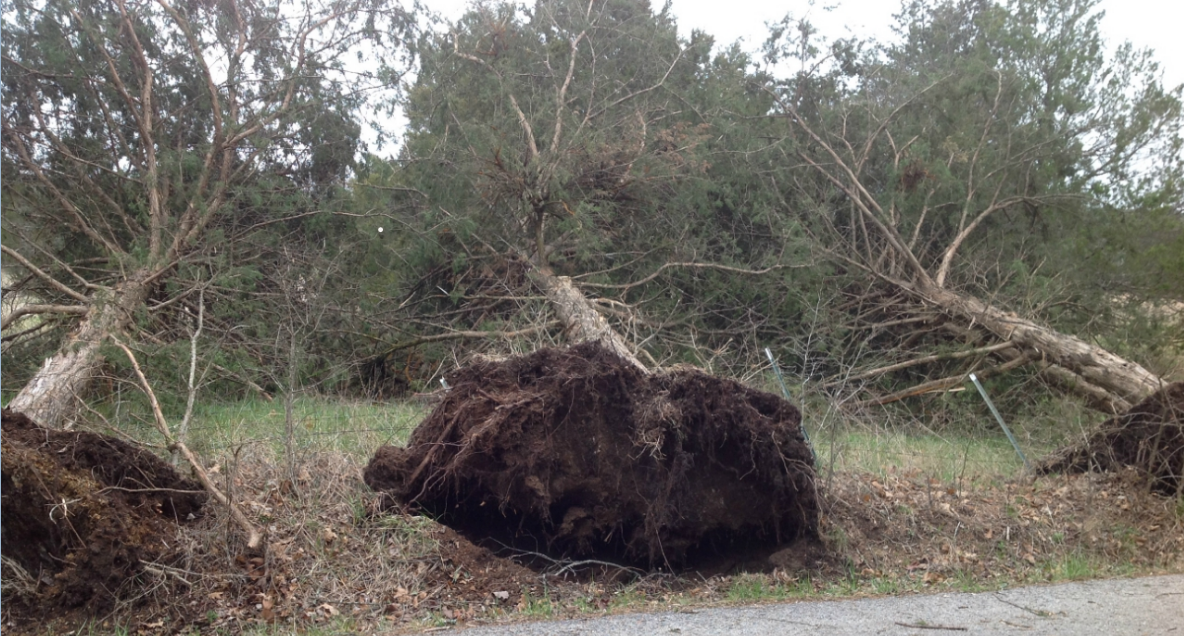 Damage from near Shell Knob |
 |
 |
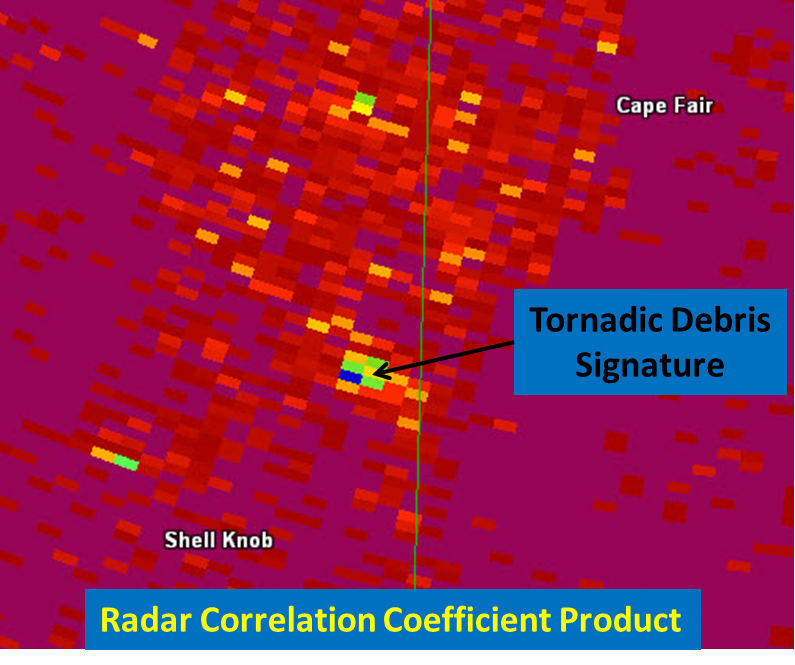 |
| Shell Knob Tornado - Reflectivity | Shell Knob Tornado - Storm Relative Velocity | Shell Knob Tornado - Correlation Coefficient |
Tornadoes:
|
|
||||||||||
|
||||||||||
|
Tornado - Near Shell Knob, MO
Track Map 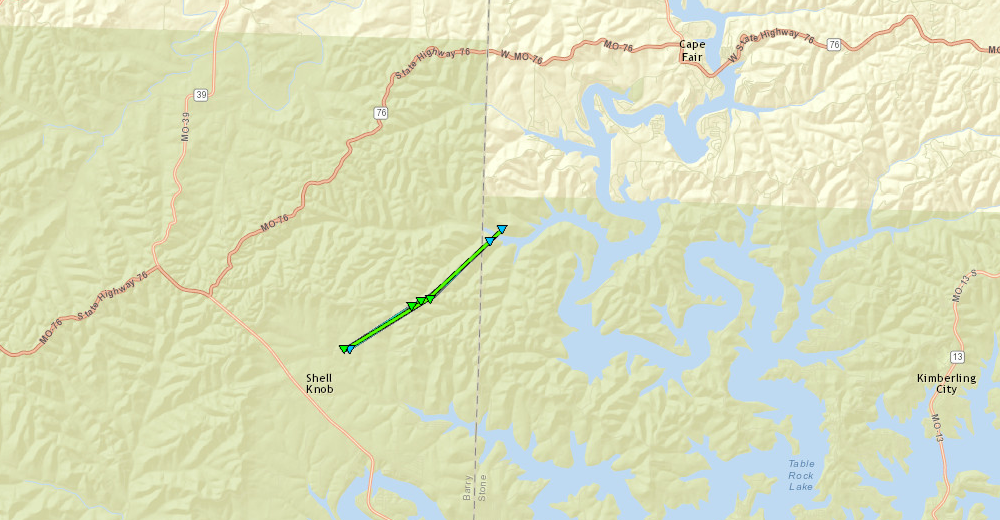 
|
||||||||||||||||
|
||||||||||||||||
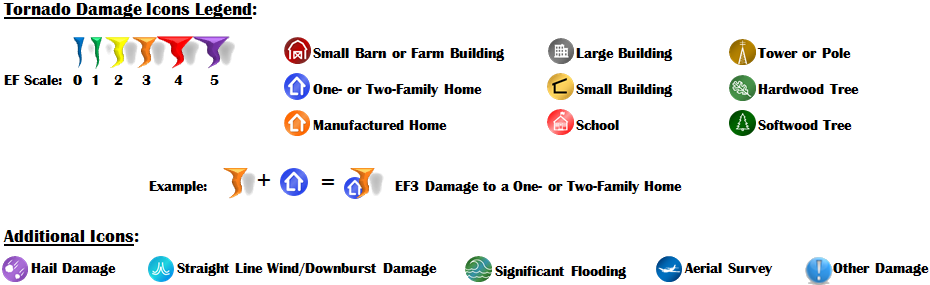
The Enhanced Fujita (EF) Scale classifies tornadoes into the following categories:
| EF0 Weak 65-85 mph |
EF1 Moderate 86-110 mph |
EF2 Significant 111-135 mph |
EF3 Severe 136-165 mph |
EF4 Extreme 166-200 mph |
EF5 Catastrophic 200+ mph |
 |
|||||
Radar:

Storm Reports

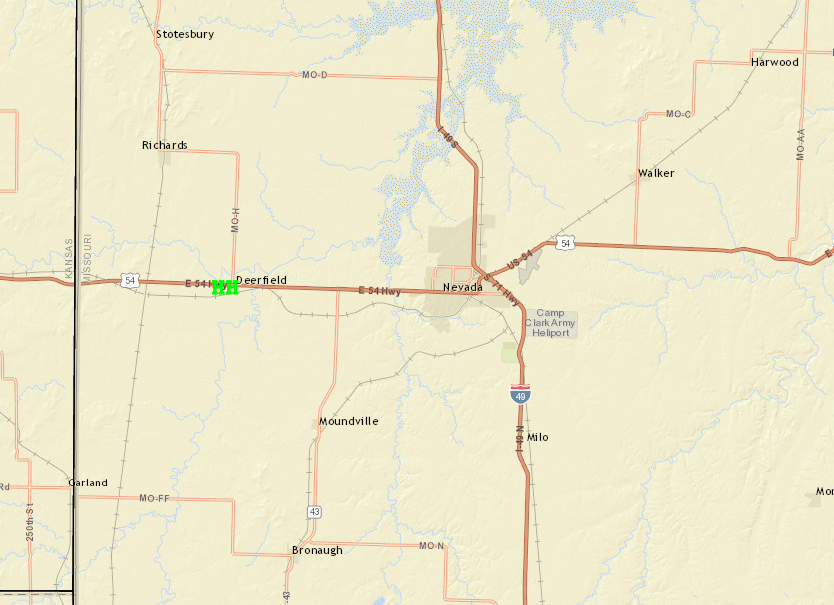
 |
Media use of NWS Web News Stories is encouraged! Please acknowledge the NWS as the source of any news information accessed from this site. |
|



 Weather Story
 Weather Map
 Local Radar
 Follow us on X
 Follow us on Facebook
 Follow us on YouTube
 SGF RSS Feed