National Weather Service United States Department of Commerce

Pacific Storm System Moves Inland; Strong Storm in Alaska

A Pacific storm system will bring low elevation/valley rain and mountain snow as it moves inland to the central Great Basin through the central Rockies through Thursday. Scattered thunderstorms are likely from California into the Great Basin. A large low pressure system continues to bring snow, blizzard conditions, damaging winds, and mixed precipitation along the Bering Sea and Southwest Alaska. Read More >

Click a location below for detailed forecast.

Last Map Update: Wed, Feb 11, 2026 at 12:42:23 pm AST

📅 Tue Feb 10, 2026 Although the Coastal Flood Risk has ended, dangerous marine and coastal conditions persist. Life-threatening rip currents remain a serious hazard, and hazardous seas continue for small craft. The public is urged to follow beach flag warnings, stay out of the water, and remain on land in high-risk areas until conditions improve. | Aunque el riesgo de inundaciones costeras ha finalizado, persisten condiciones marítimas y costeras peligrosas. Corrientes marinas potencialmente mortales continúan representando un riesgo significativo, y condiciones peligrosas para embarcaciones pequeñas se mantienen en las aguas costeras y mar afuera. Se exhorta al público a seguir las advertencias con banderas en las playas, mantenerse fuera del agua y permanecer en tierra en áreas de alto riesgo hasta que las condiciones mejoren.
📅 Wed Feb 11, 2026: Breezy to windy conditions are expected today, particularly across coastal and exposed areas. Gusty winds may cause loose or lightweight objects to blow around, and brief showers could lead to sudden changes in conditions. Residents are encouraged to secure outdoor items, use caution while driving—especially high-profile vehicles—and plan ahead for outdoor activities. | Se esperan condiciones ventosas a fuertes hoy, especialmente en zonas costeras y expuestas. Las ráfagas pueden provocar que objetos livianos o sueltos se desplacen, y aguaceros breves podrían causar cambios repentinos. Se recomienda asegurar objetos exteriores, usar precaución al conducir—especialmente vehículos altos—y planificar actividades al aire libre.
Tue Feb 11, 2026: Life-threatening rip currents continue to affect high-risk beaches across Puerto Rico, Culebra, Vieques, and the U.S. Virgin Islands. These conditions make entering the water extremely dangerous, even for experienced swimmers. Corrientes marinas potencialmente mortales continúan afectando playas de alto riesgo en Puerto Rico, Culebra, Vieques y las Islas Vírgenes. Estas condiciones hacen que entrar al agua sea extremadamente peligroso, incluso para nadadores experimentados. Rip currents are likely in high-risk areas and possible in moderate-risk areas. The public is urged to stay out of the water at high-risk beaches and follow all beach flag warnings. Las corrientes marinas son probables en áreas de alto riesgo y posibles en áreas de riesgo moderado. Se exhorta al público a mantenerse fuera del agua en playas de alto riesgo y seguir todas las banderas de advertencia. Rescues have occurred and search efforts continue. Do not underestimate rip current danger. Ya se han realizado rescates y continúan esfuerzos de búsqueda. No subestime el peligro de las corrientes marinas.
High surf is dangerous even if you stay out of the water. During high surf events, rogue waves can break far beyond the shoreline and sweep people into the ocean in seconds, especially near rocks and jetties. Do not sit, stand, or walk on rocks, turn your back to the ocean to take photos or videos, walk near cliff edges, tide pools, or wet coastal rocks, or allow children to play near rocks or surge channels. Do not assume calm moments mean it is safe—large wave sets arrive in cycles, and the quiet period is often the most dangerous. If waves are breaking on rocks, you are already too close.
El oleaje alto es peligroso incluso si te mantienes fuera del agua. Durante eventos de oleaje alto, las olas traicioneras pueden romper mucho más allá de la orilla y arrastrar a las personas al mar en segundos, especialmente cerca de rocas y escolleras. No te sientes, pares ni camines sobre rocas, no des la espalda al océano para tomar fotos o videos, evita caminar cerca de bordes de acantilados, pozas de marea o rocas costeras mojadas, y no permitas que niños jueguen cerca de rocas o canales de oleaje. No asumas que los momentos de calma significan que es seguro—los grupos de olas grandes llegan en ciclos y el período “tranquilo” suele ser el más peligroso. Si las olas están rompiendo sobre las rocas, ya estás demasiado cerca.
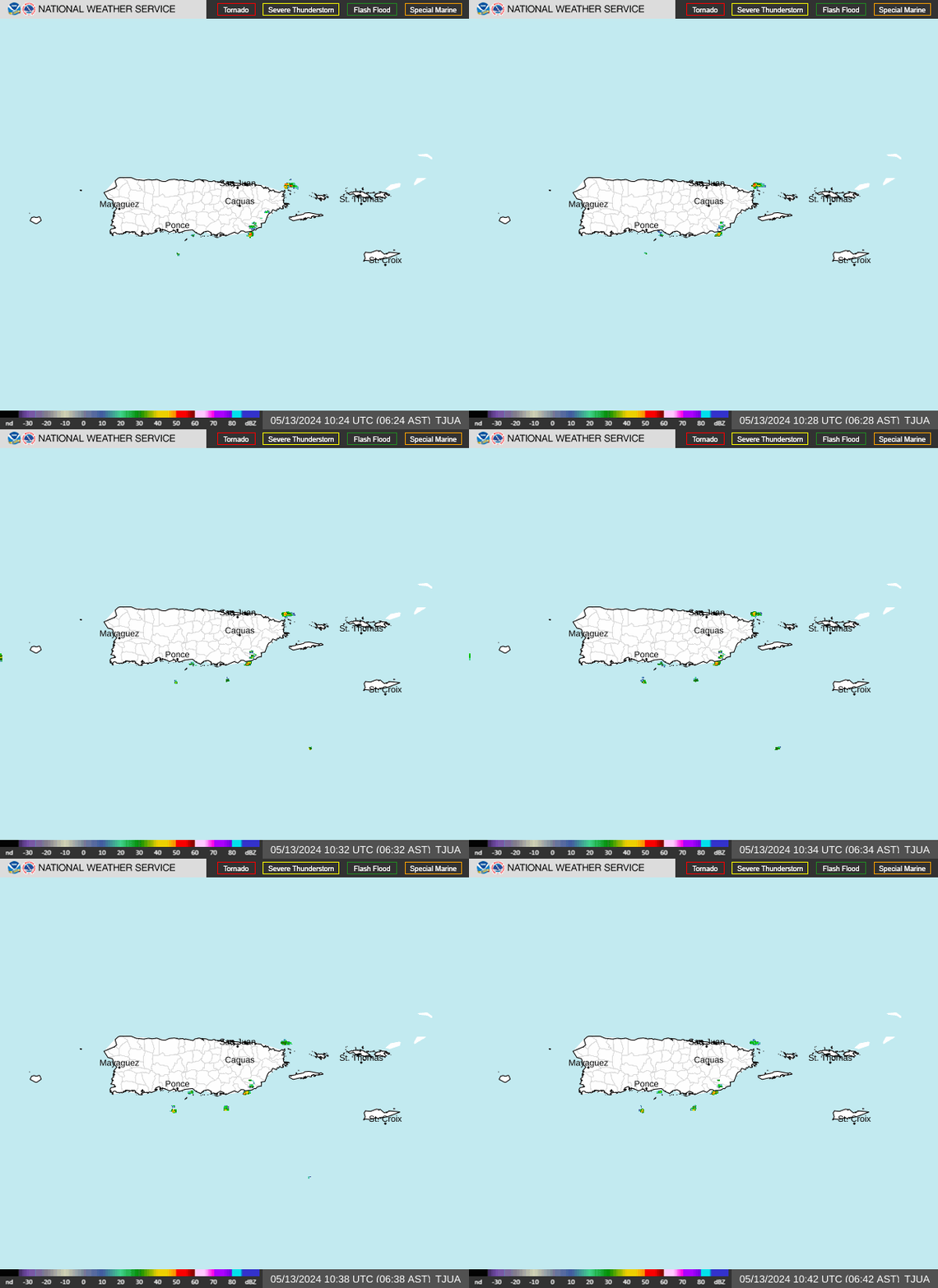
TJUA NEXRAD - Cayey, PR.