National Weather Service United States Department of Commerce

Extreme Heat and Tropical Storm Bertha Impacts

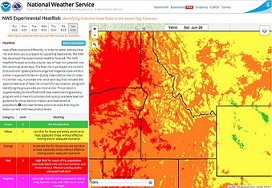
Dangerous heat will expand from the Gulf Coast into the Southern Plains and Desert Southwest through week's end. Additional extreme heat impacting the Pacific Northwest will shift to the northern Plains by the weekend. Tropical Storm Bertha is expected to continue to impact portions of the northern Gulf Coast from the western Florida Panhandle to southeastern Louisiana through tonight. Read More >

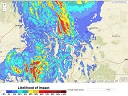
A significant surge of monsoon moisture will bring scattered to widespread showers and thunderstorms to Western Montana and North Central Idaho from Tuesday through Thursday. These are expected to be wet, bringing a potential for heavy rain and localized flash flooding, especially on Wednesday and Thursday. The main threats during the afternoon and evening hours will include frequent lightning, gusty and erratic winds, heavy rain, and small hail. To prepare, ensure you have a reliable way to receive weather warnings, such as a NOAA Weather Radio or a trusted weather app on your phone. If you are recreating outdoors, be prepared to alter your plans by getting off the water and away from mountain peaks before storms arrive. Finally, take a moment to secure loose patio furniture or outdoor decor, as high winds can easily blow these items around. Stay weather aware this week and visit weather.gov/mso for the latest updates. Temperatures are expected to rise into the 90s and just above 100 degrees in the lower elevations of Idaho. To mitigate the risks associated with these hot temperatures, individuals should stay hydrated, limit strenuous outdoor activities during peak afternoon heating, and spend time in air-conditioned or shaded environments.
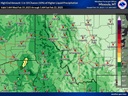
High amounts of atmospheric moisture are setting the stage for strong thunderstorms capable of dropping intense rainfall across parts of east-central Idaho and southwest Montana today. The primary areas of concern include Lemhi County in Idaho, as well as Deer Lodge, Silver Bow, and southern Ravalli counties in Montana. These locations face a threat of isolated flash flooding in low-lying or poorly drained areas. There is also an elevated risk near recent burn scars, where localized debris flows are possible. If you are out on the roads or planning outdoor activities in these areas today, keep an eye on the sky and have a reliable way to receive weather alerts. Remember to Turn Around, Don't Drown! Never attempt to drive through flooded roads.


Text Product Selector (Selected product opens in current window)