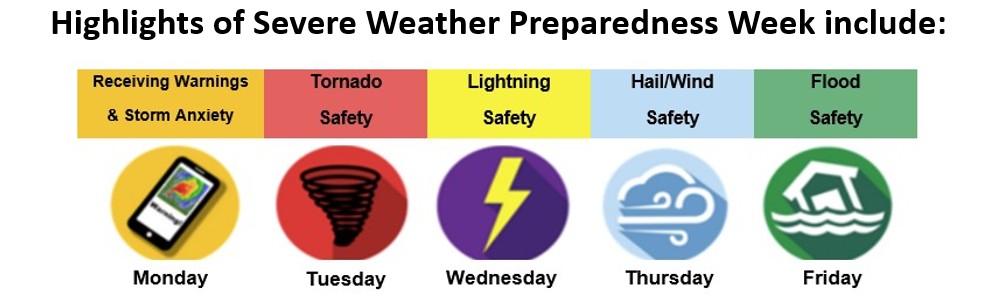
Treat this drill as if it were an actual Tornado Warning. The purpose of the drill is to test everyone's readiness for life threatening severe weather events such as tornadoes, flash floods, and damaging winds.
The test will be broadcast on NOAA Weather Radio using the Required Weekly Test (RWT) header.
Tornado sirens that are usually tested on the first Tuesday of the month should be sounded during this drill.
Click here for an interactive database
|
|
|
|
|
|
|
|
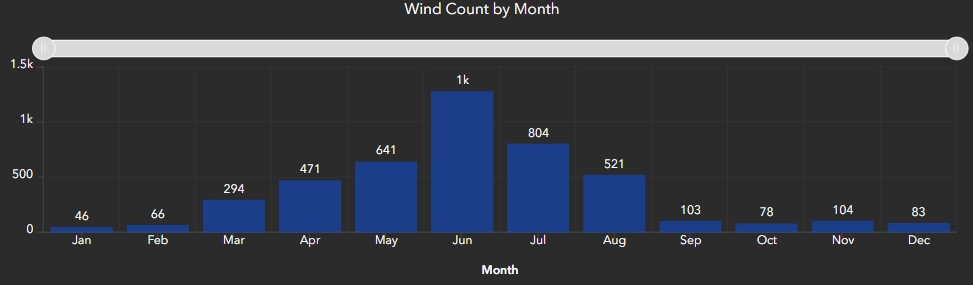 Occurrences of wind gusts at least 70 mph |
 |
 |
 |
 |
 |
 |
 |
 |
 |
 |
 |
 |
 |
 |
 |
 |
 |
 |
 |
 |
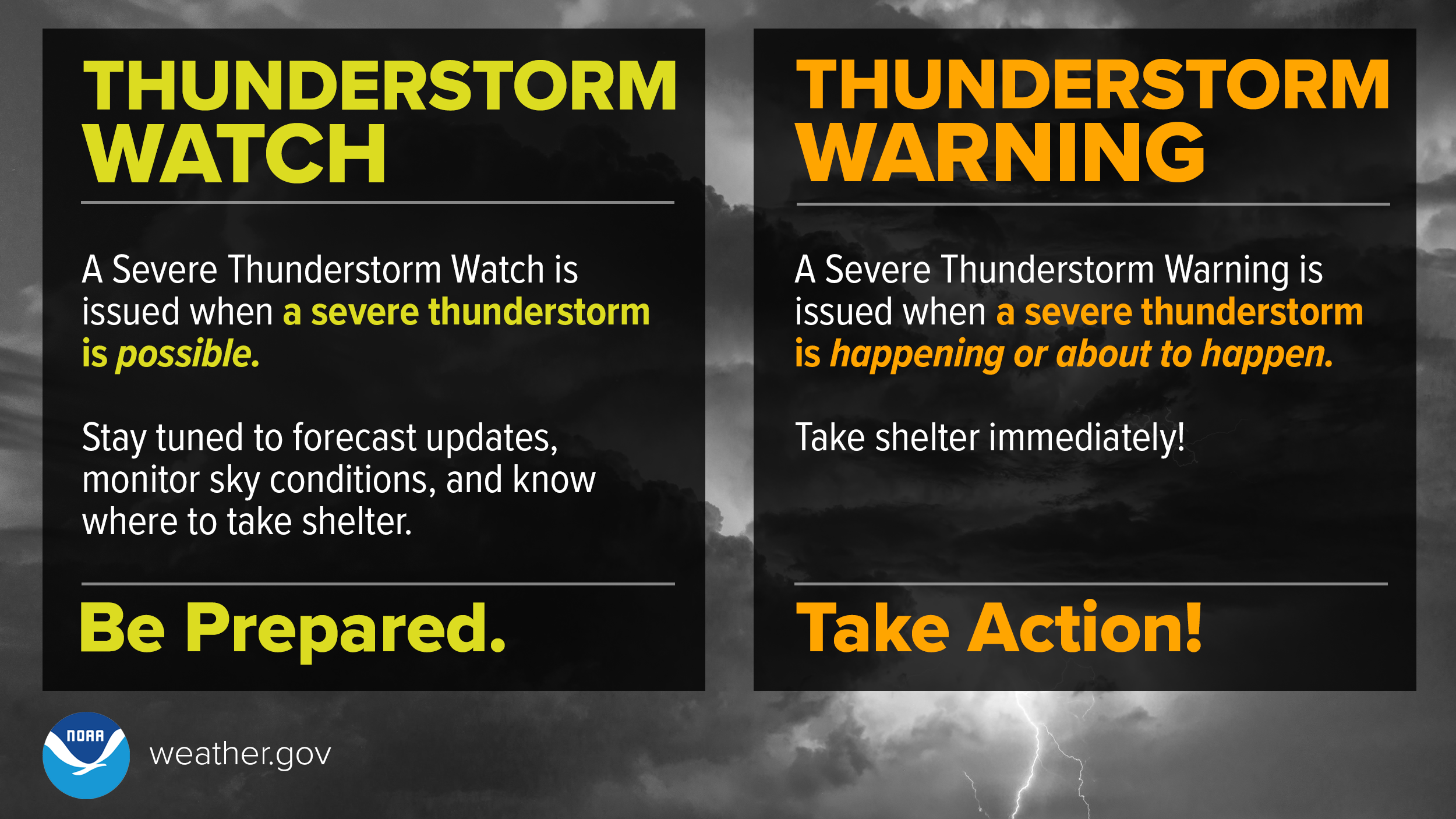
There is nothing we can do to stop severe thunderstorms, lightning, tornadoes or floods from developing. However, there are things that everyone can do to minimize the impacts of severe weather on our lives.
What you can do to be prepared:
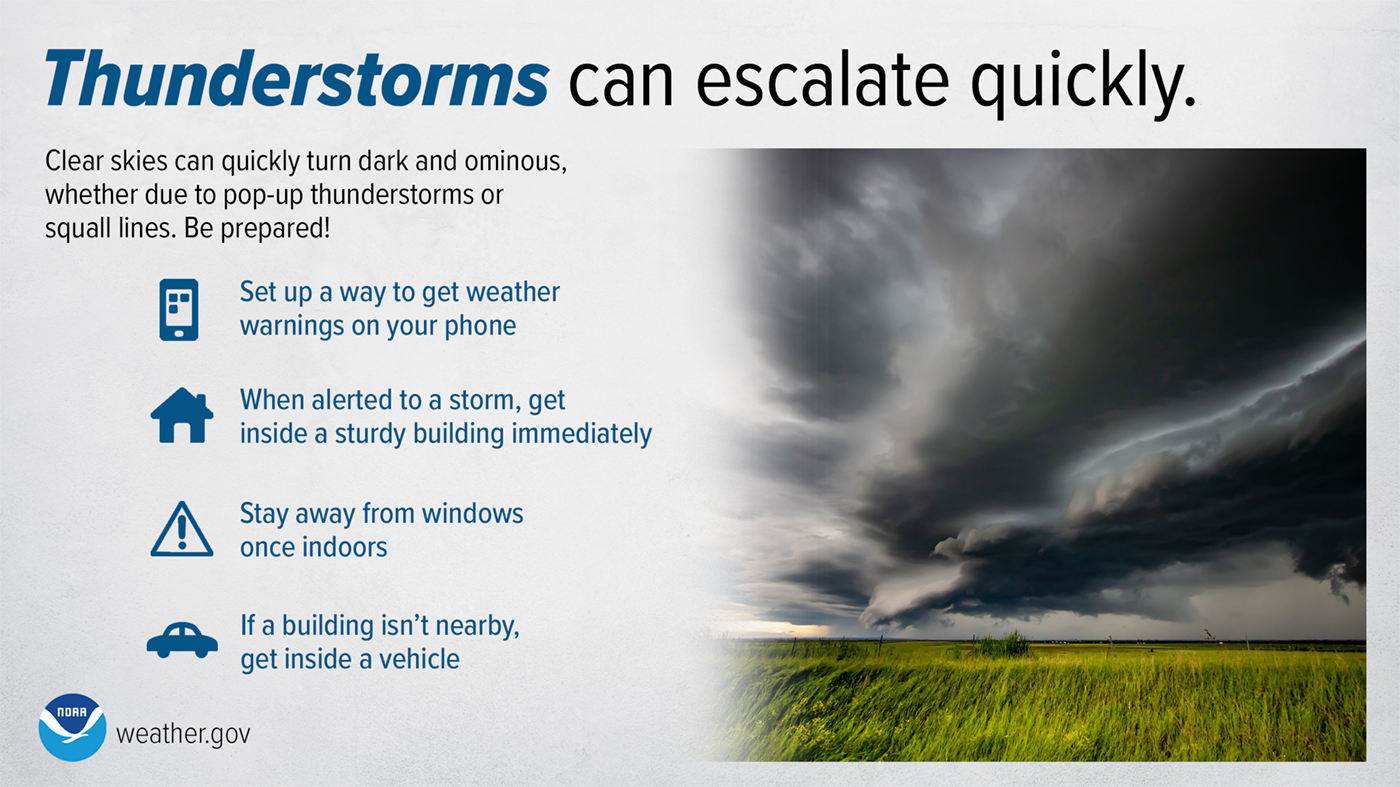
This can be done by monitoring a weather alert radio, local radio and TV broadcasts, NWS web pages, or various applications on computers and smart phones.
DON'T just rely on one method - especially storm sirens - which are NOT designed to be heard indoors by everyone.
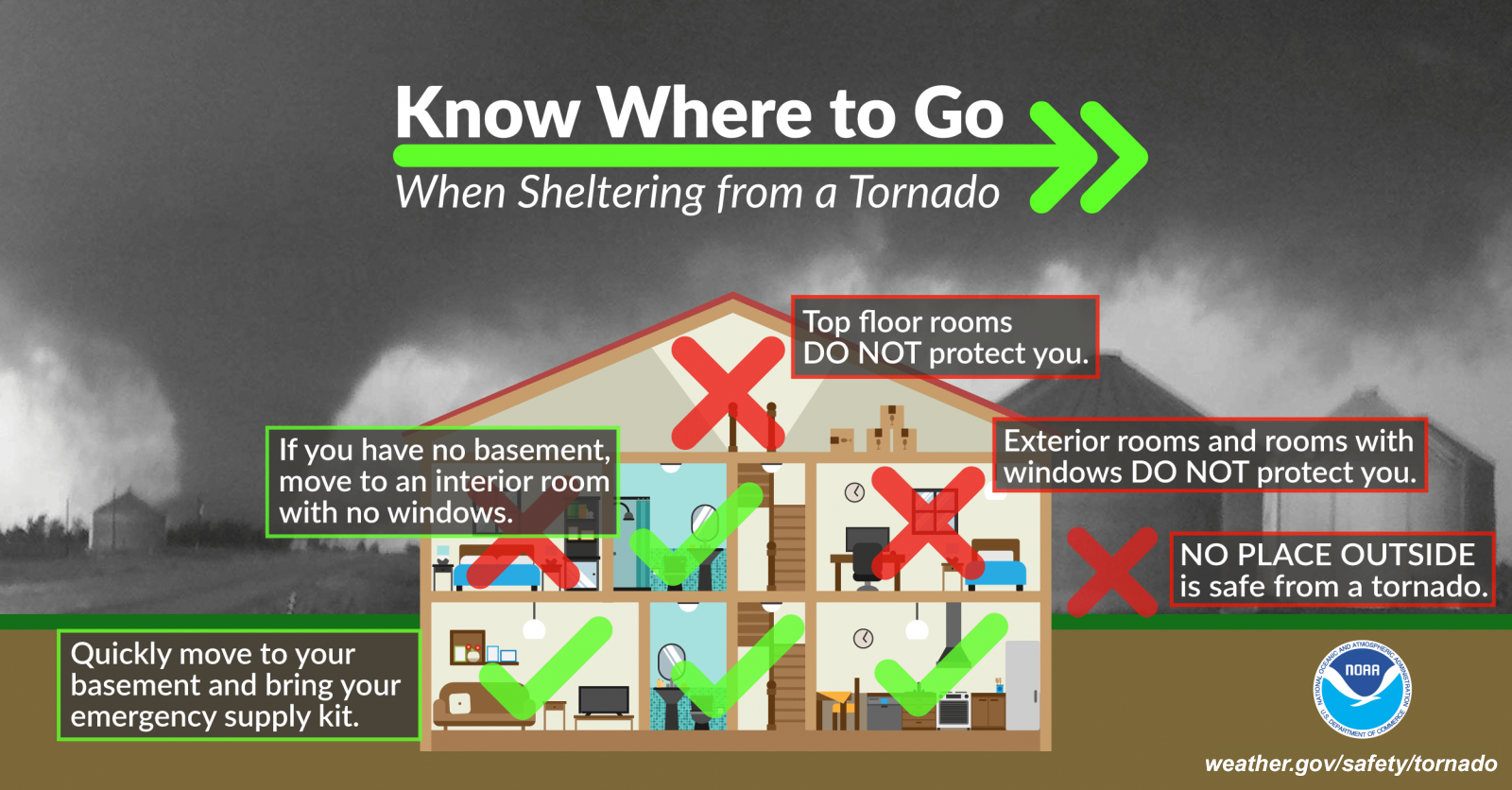
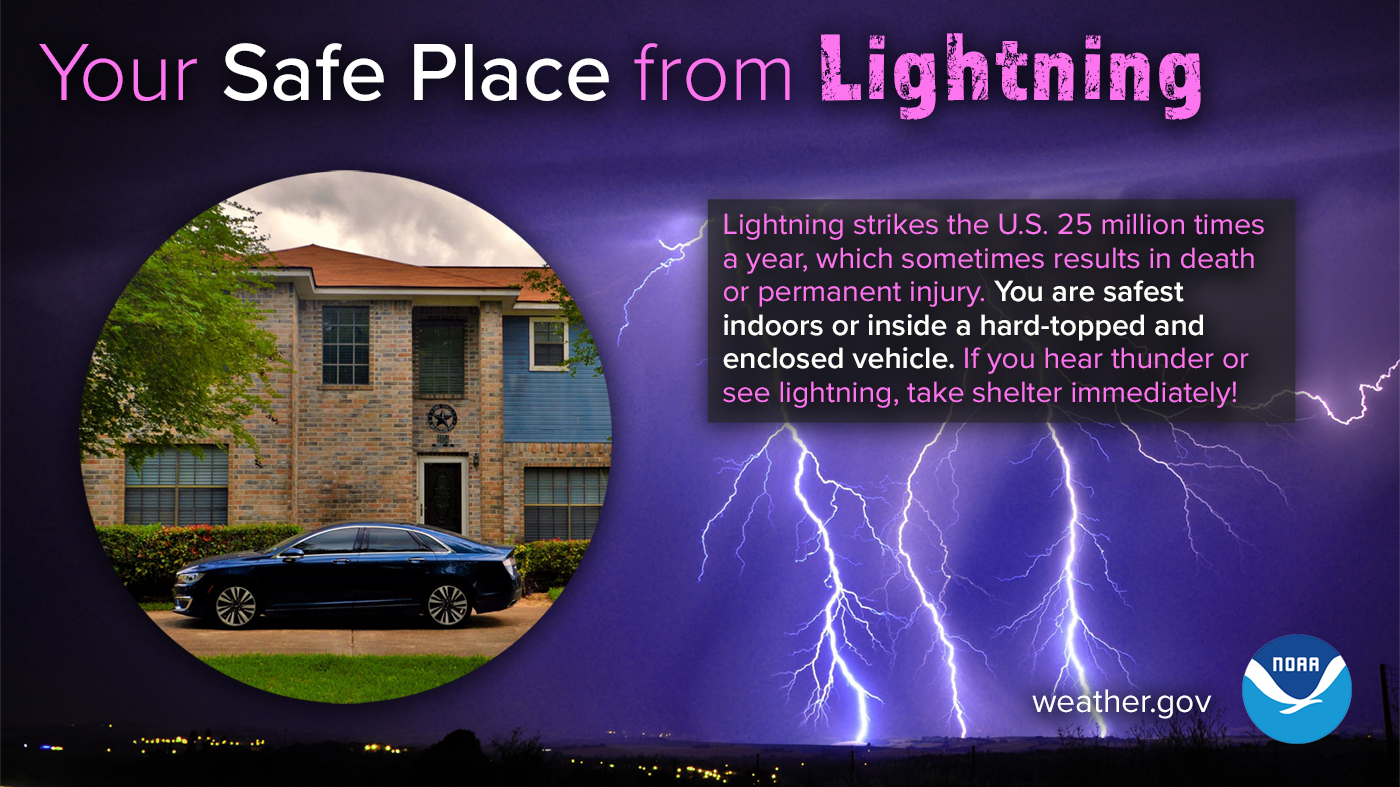
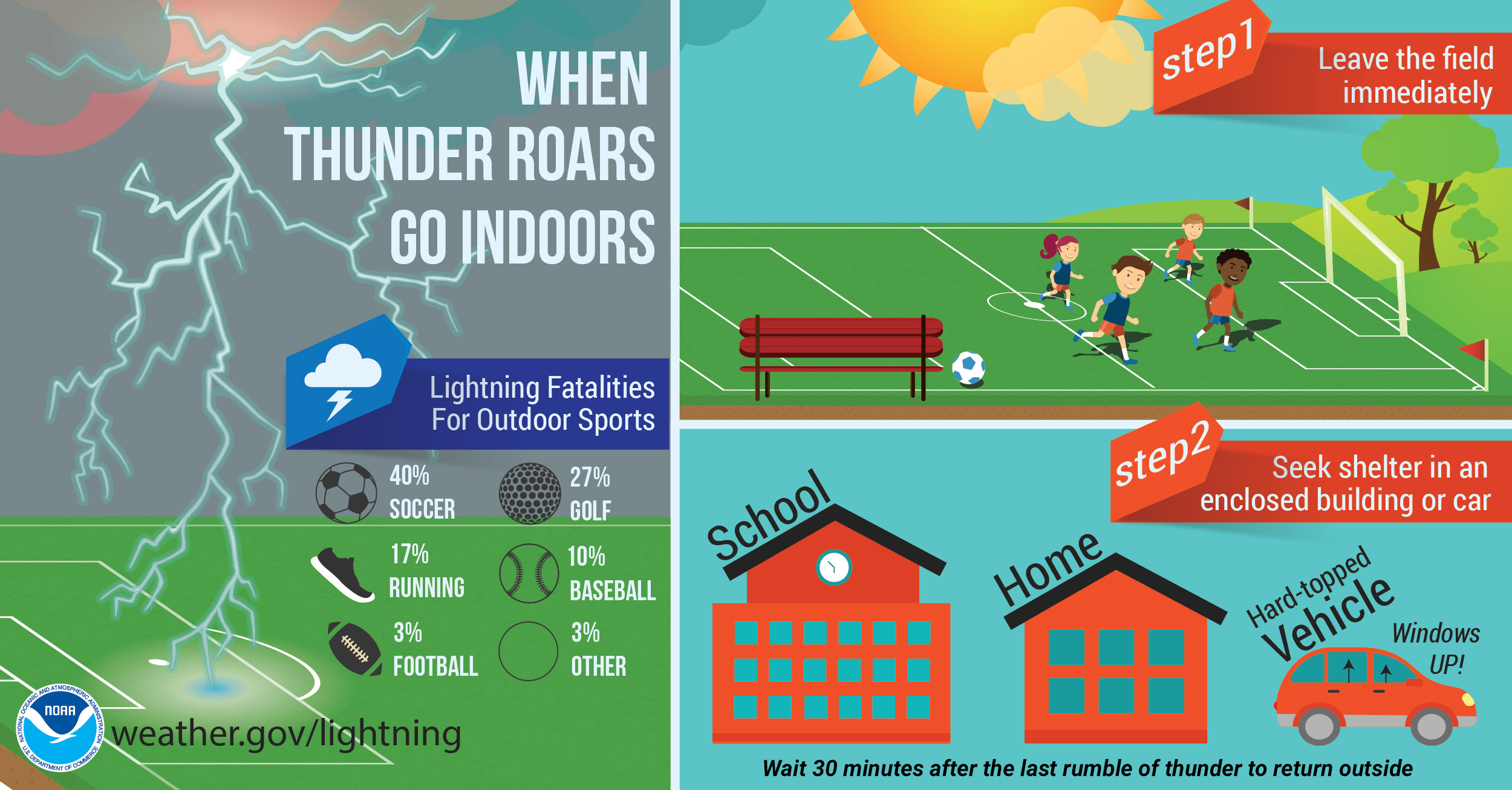
Do this for your home, business, schools and when you are traveling. Designate places to go to seek safe shelter from a tornado or severe thunderstorm. Pick two places to meet in case you are separated from your family or co-workers.
While traveling or when away from home, know the names of the locations you are visiting - especially county and city names.
Learn how to use a fire extinguisher, how to administer CPR, and how to turn off the electricity, gas and water supplies in your home.
Inspect your home for potential hazards such as weakened trees or limbs, cracked windows or worn roofing.
When you build a new structure - or renovate an existing one - there are ways to prevent wind damage to roofs, upper floors and garages. Rafters, trusses, walls and doors can all be reinforced.
Some storms produce power outages that will last for several days. Having the following items will help you cope with the disaster:
By failing to prepare you are preparing to fail.
-- Ben Franklin







 Follow us on X
 Follow us on Facebook
 Follow us on YouTube
 ILX RSS Feed