Heat Safety Week 2026
Heat Safety Week is May 18th through 22nd this year. This is an opportunity to increase awareness and promote preparedness of heat related hazards.
During this week, we will be sending out daily graphics on our social media platforms (Facebook and Twitter). The graphics we plan on sending each day are in the tabs below. Please Share/Retweet to share this knowledge with others.
Day 1 - Planning, Heat Products, and Heat Index Chart
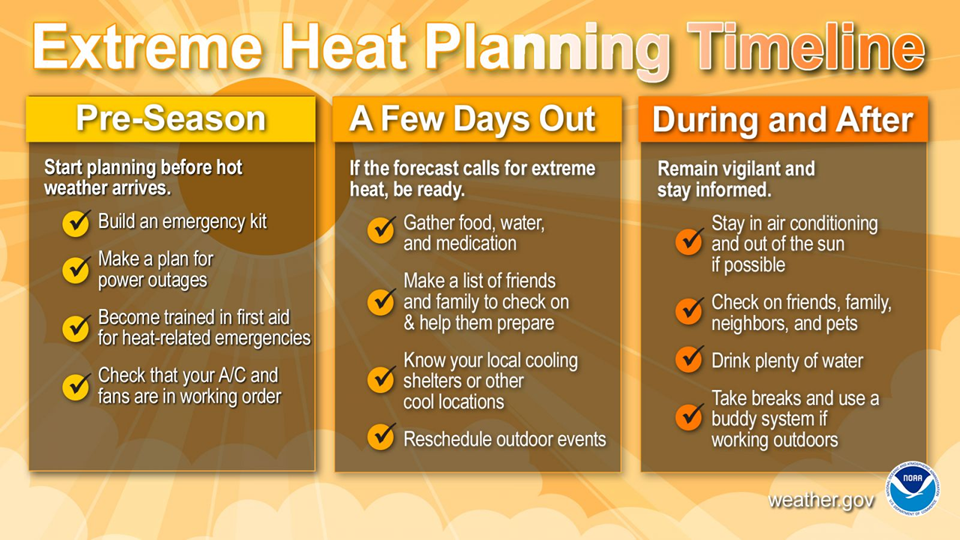
It is important to plan for extreme heat before it gets here. Be sure to gather everything you need into an emergency kit, plan for power outages, check your A/C and fans, and make a plan for checking on loved ones. Make sure to have plenty of water and find out where local cooling centers will be opening. Reschedule outdoor events and work if possible.

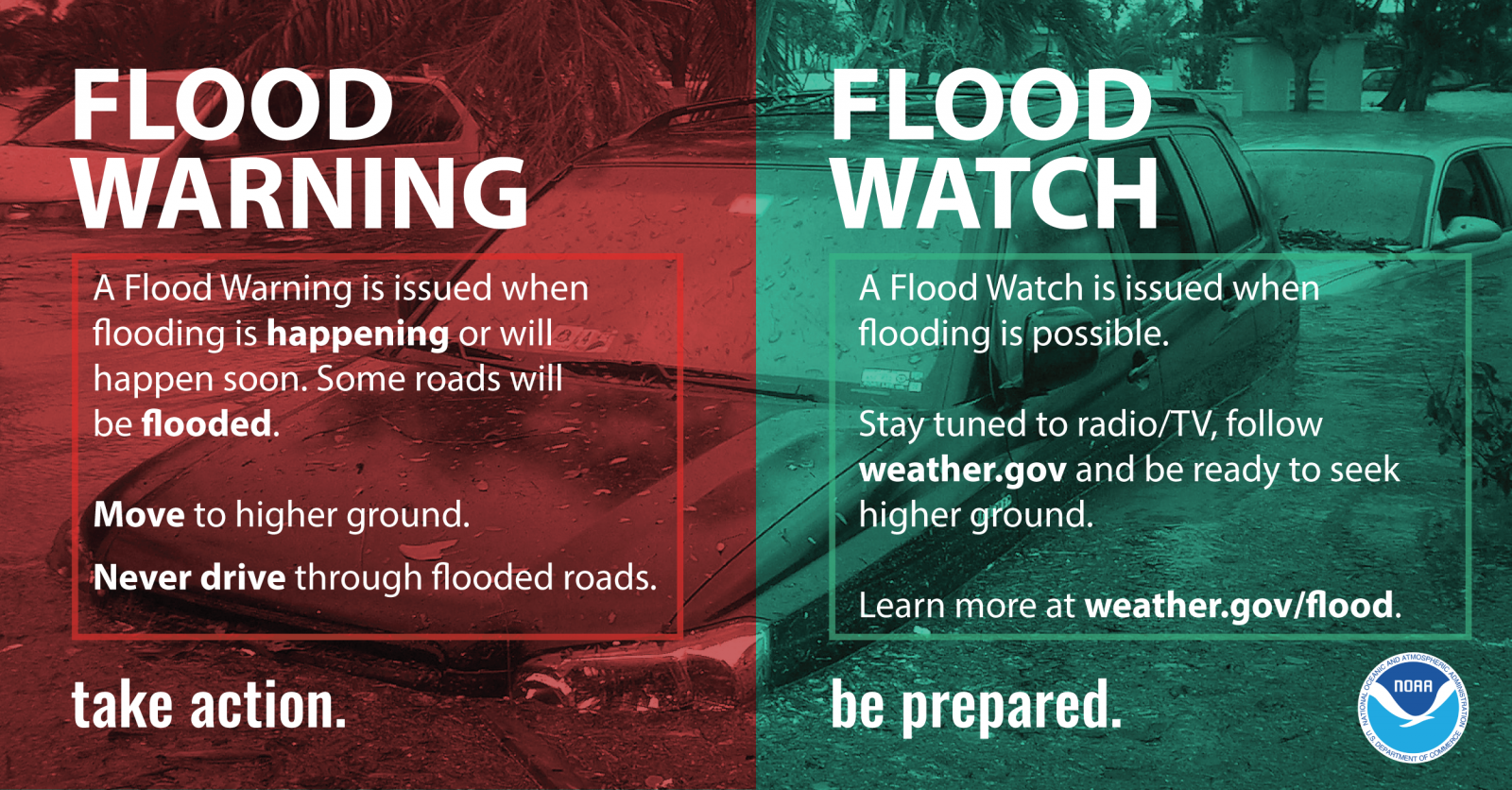
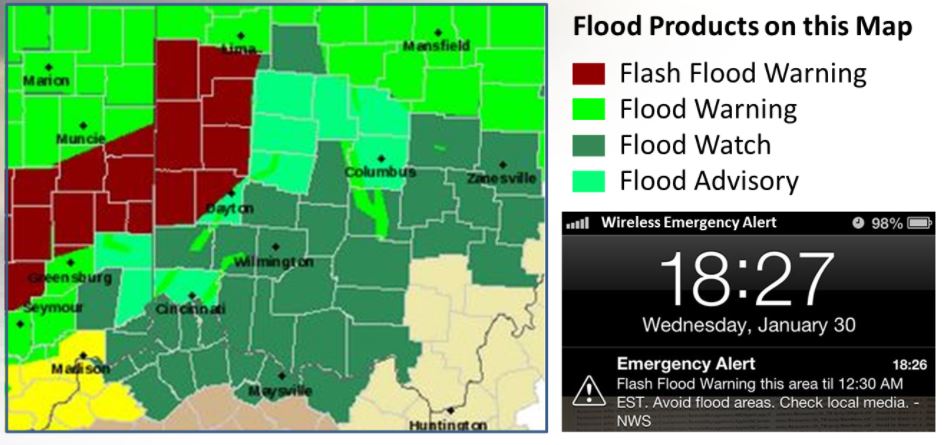
Do you know the difference between an Extreme Heat Watch and an Exteme Heat Warning? An Extreme Heat Watch is when dangerous heat is possible and now is the time to PREPARE! An Extreme Heat Warning is when dangerous heat is happening or about to happen and now is the time to TAKE ACTION!

Do you know what the Heat Index is and what it means? The Heat Index is a measure of how hot it really feels when relative humidity is factored in with the actual air temperature. Since heat index values were devised for shady, light wind conditions, exposure to full sunshine can increase heat index values by up to 15°F. Also, strong winds, particularly with very hot, dry air, can be extremely hazardous.
Day 2 - Safety tips for Outdoors
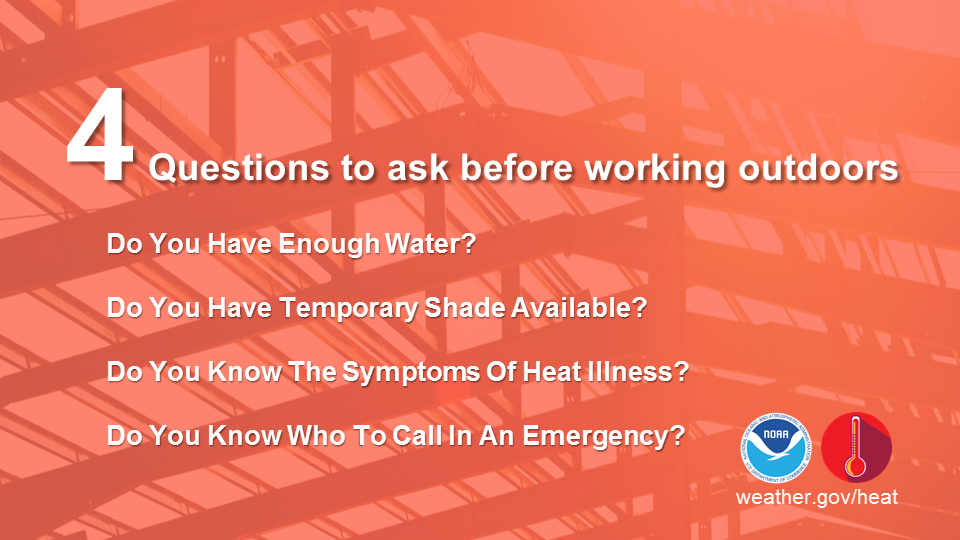
Working outdoors in the heat? Working in the heat can be dangerous, ask yourself these four questions before you start working.
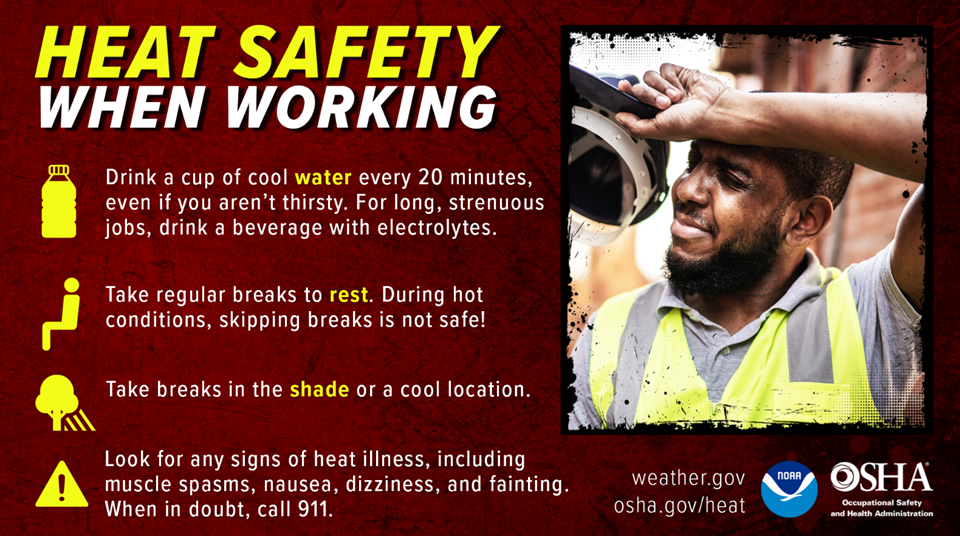
It’s important to know how to stay safe when working outdoors in the heat. Here are some important tips to consider!
The effects of heat can take people by surprise if they are not acclimated to the heat. According to OSHA, 50-70% of outdoor heat fatalities occur in the first few days of working in very warm environments. It is important to build a tolerance to heat over time.
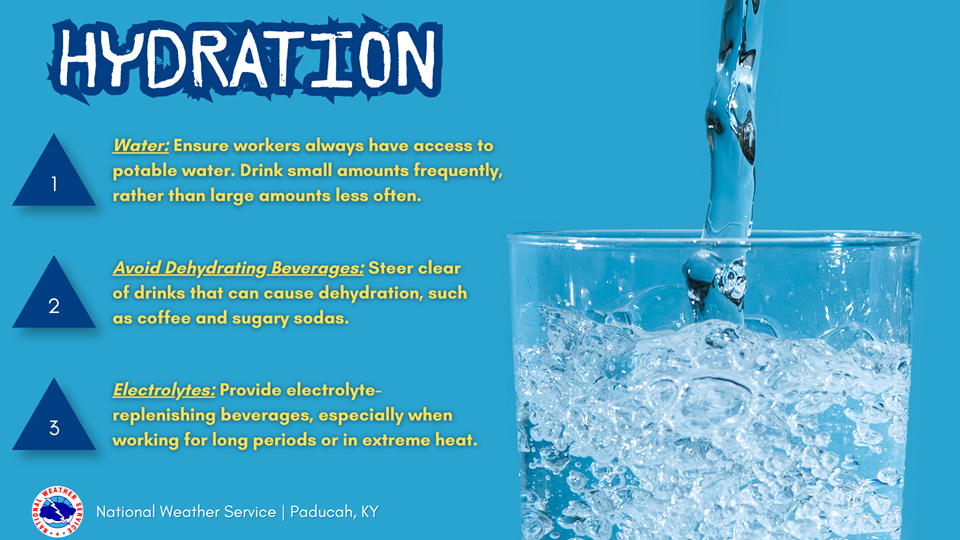
Day 3 - Heat Exhaustion/Stroke, Heat Impacts, and Hydration
Learn the symptoms of heat exhaustion and heat stroke, and how to act should these medical conditions occur.
Heat impacts disproportionately impact vulnerable populations, which include people who are: 1. Pregnant, 2. Newborns, 3. Children, 4. Elderly, or 5. People with chronic medical conditions.
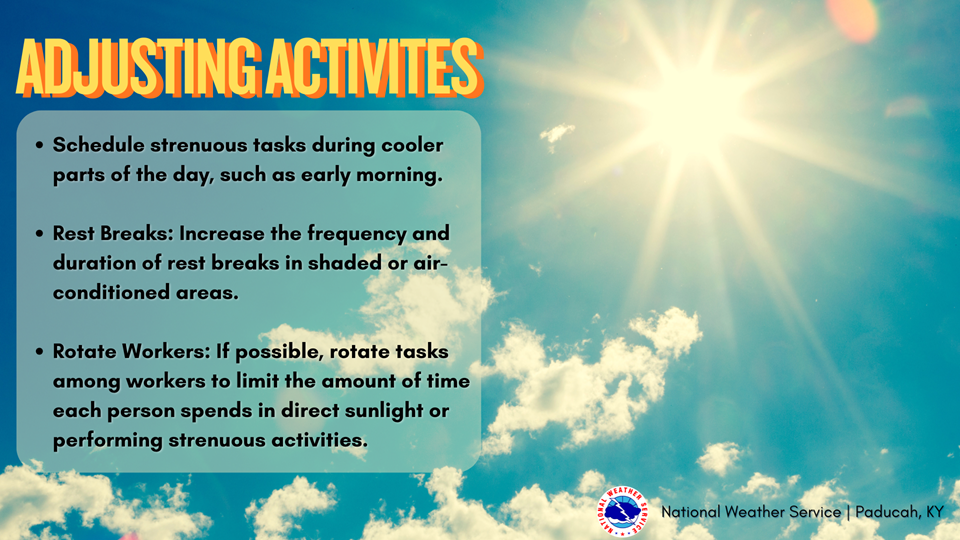
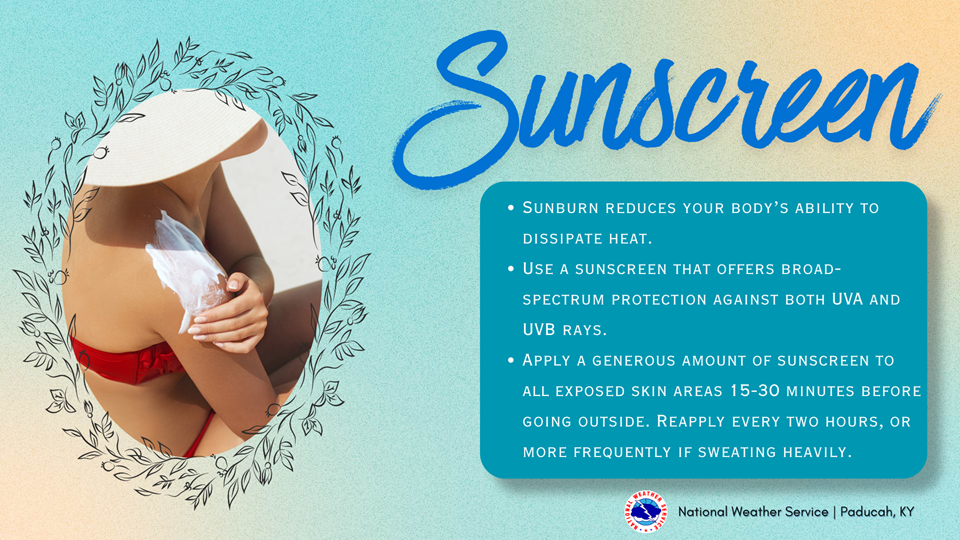
Day 4 - Adjusting Activities, Clothing, and Sunscreen

Day 5 - Heat Deaths, Check Back Seat, Pet Safety
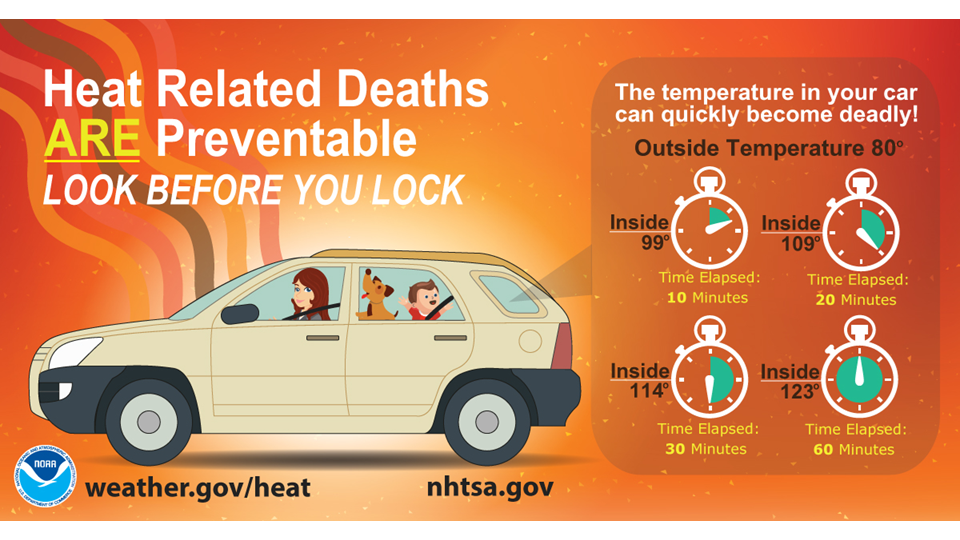
Heat related deaths are preventable. Always make sure you LOOK BEFORE YOU LOCK! The temperature in your car can quickly become deadly.
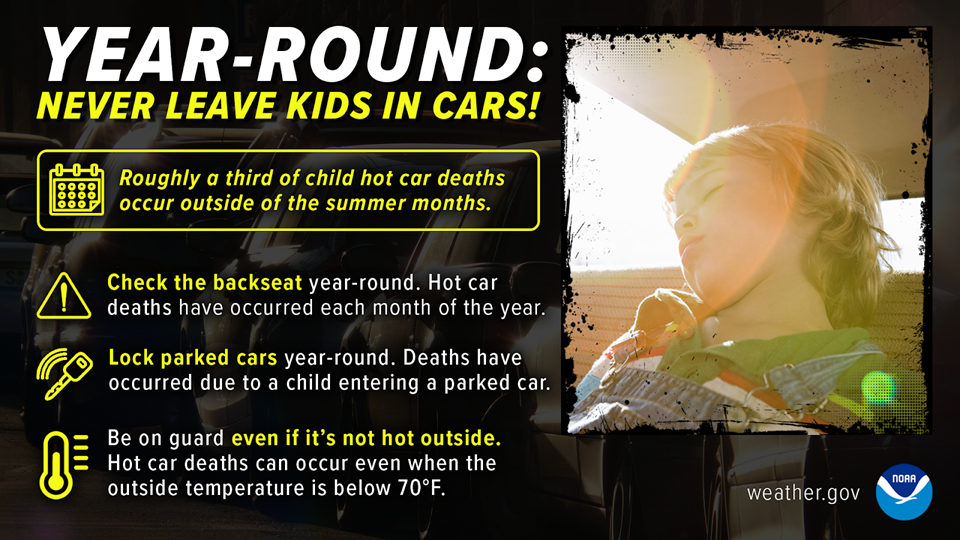
Year-round you should NEVER leave kids in cars! Roughly a third of child hot car deaths occur outside of the summer months. Here are some tips to remember.
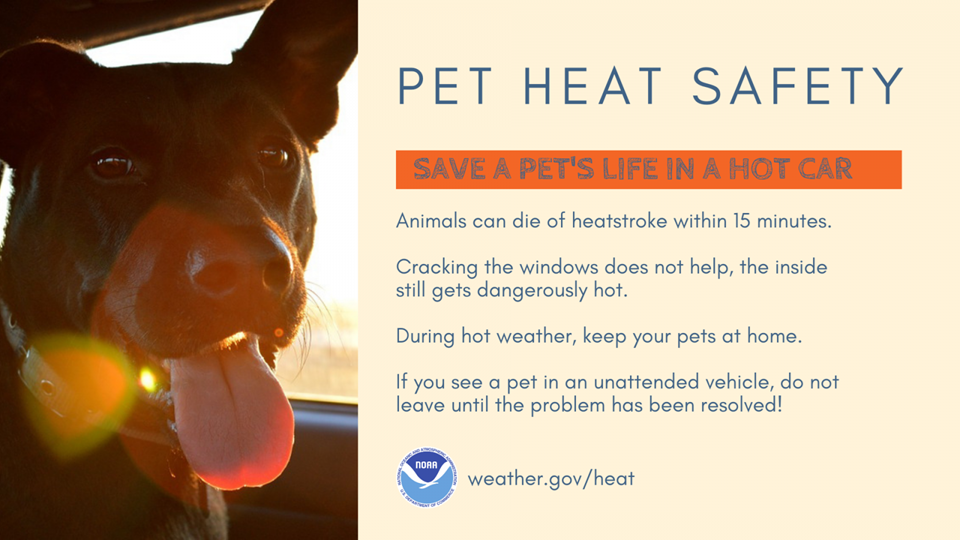
Pets are important family members! Animals can die of heat stroke in as little as 15 minutes, and cracking the windows does not help. During hot weather, keep pets a home.
 |
Media use of NWS Web News Stories is encouraged! Please acknowledge the NWS as the source of any news information accessed from this site. |
|



 Follow us on X
 Follow us on Facebook
 Follow us on YouTube
 PAH RSS Feed