
Tropical Depression Nine is forecast to track toward the central U.S. Gulf Coast while strengthening into a tropical storm by early Wednesday and a hurricane on Thursday. Stay tuned to forecast updates. Much higher than typical October temperatures will continue across much of California through midweek. Temperatures are forecast to gradually cool beginning Thursday in Coastal California. Read More >

Hurricanes are one of the most dangerous types of storms that can threaten our area. Even hundreds of miles inland, tropical systems that make landfall in the southeast can bring strong winds, heavy rain, landslides, and tornadoes. Because of this, we encourage everyone who lives, works, or travels to our area to learn more about hurricanes and make a plan in case a tropical system threatens our area. Look through the resources below to help you get prepared!

The purpose of Hurricane Preparedness Week is to learn more about hurricanes and gather ideas for how to prepare your home and create a plan to keep yourself and your family safe in case of a tropical system. We suggest everyone take time during Hurricane Preparedness Week to gather supplies and create a hurricane safety plan. Click on a tab to learn more about the preparedness topic for each day of the week.
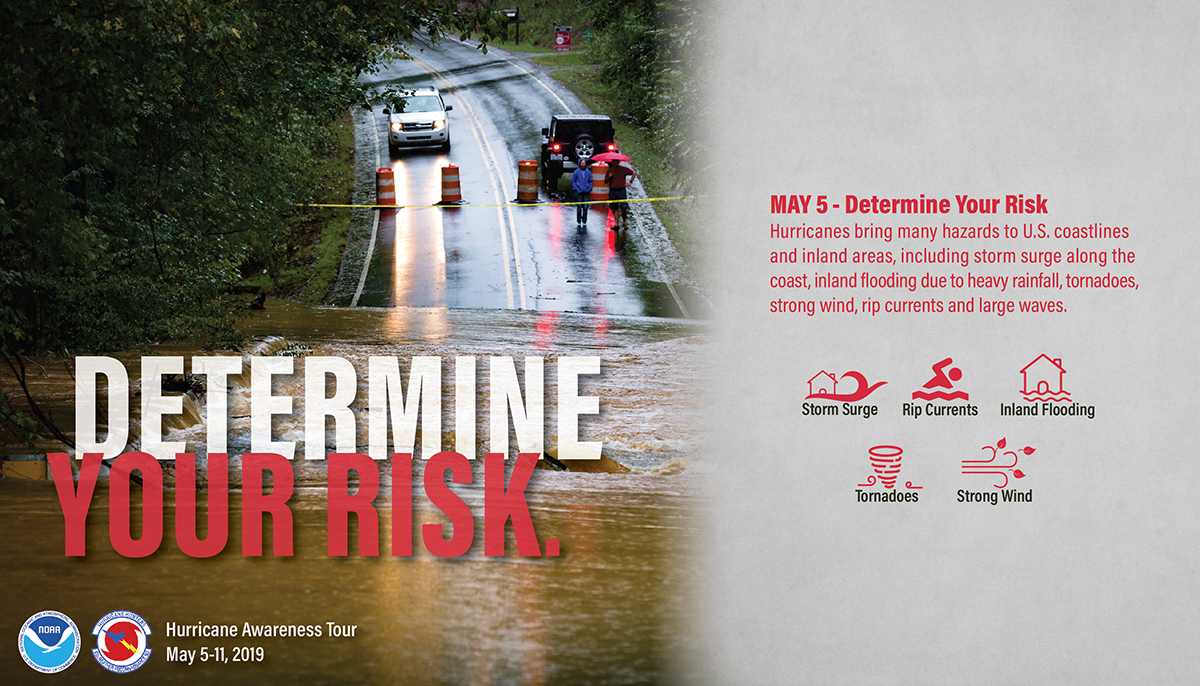
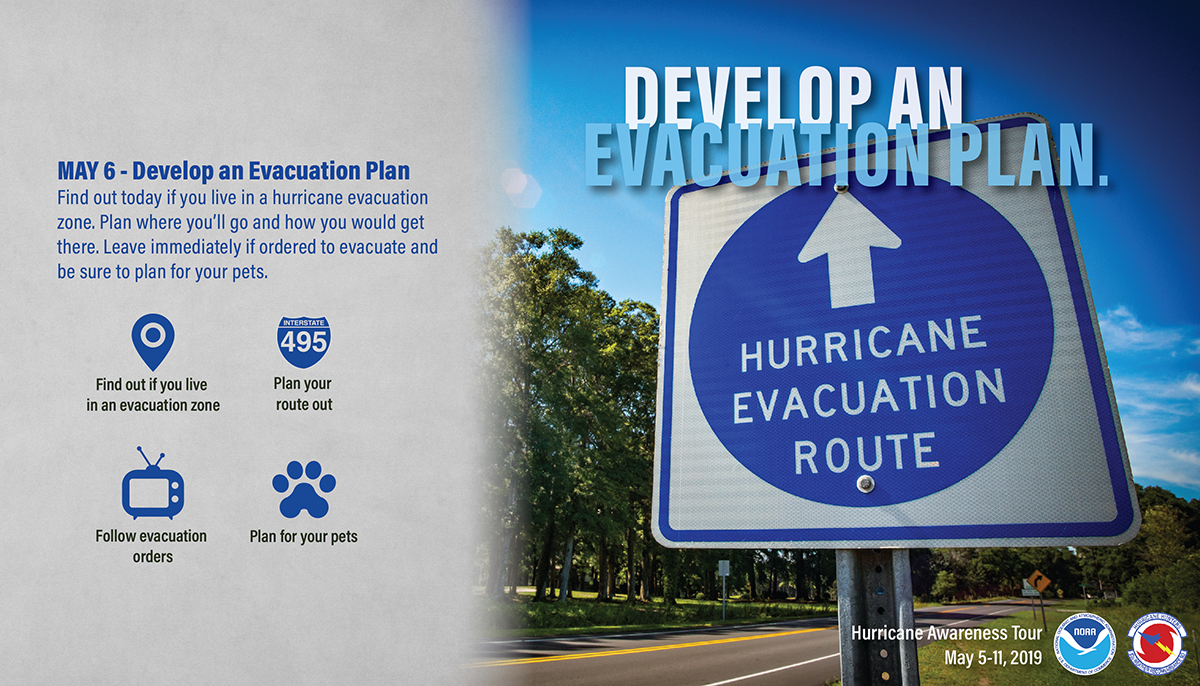


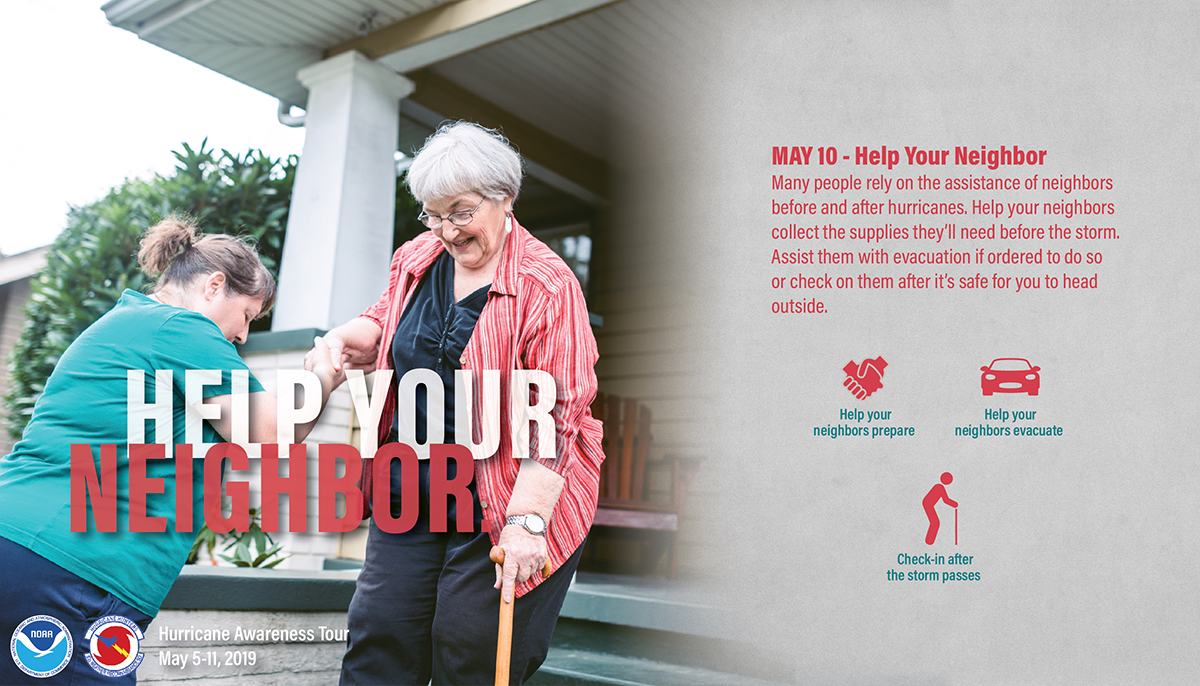
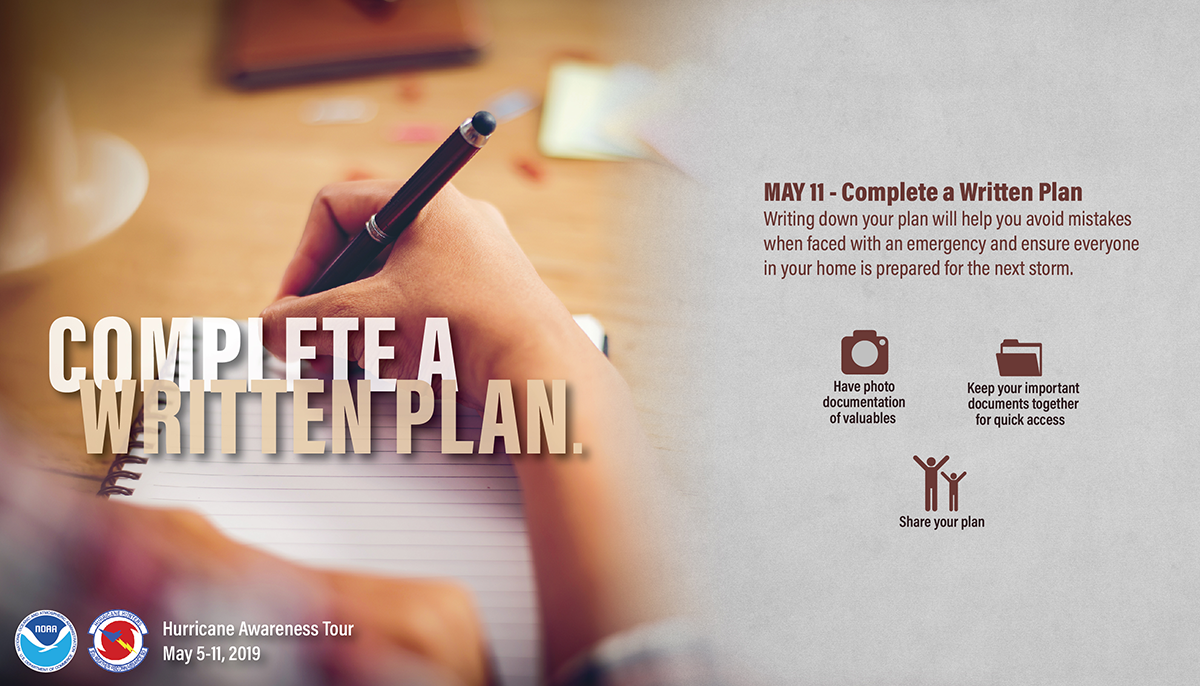
This year, we're pleased to announce that Charlotte, NC is a stop on the Hurricane Awareness Tour! Click here for details.

Heavy rain and flooding are one of the greatest hazards the western Carolinas and NE Georgia face from landfalling tropical systems. Rainfall of 6" or more in under 24 hours has been observed with many tropical systems that have moved through the area, causing widespread flooding. Flooding is one of the most deadly weather phenomena we experience. Most flood deaths occur in vehicles, many of them when the driver intentionally drove into a flooded road way. Some things to think about: Even though we are hundreds of miles from the coast, strong and damaging wind from tropical systems can still reach our area. Sustained winds of tropical storm force (39+mph) have occurred from tropical systems moving through our area in the past, especially in higher elevations. The good news is there are some things you can do in order to keep yourself, your home, and your family safe. Some things to think about: Tornadoes are common in landfalling tropical systems, and though they can occur anywhere in the storm, occur most often in the right front quadrant (compared to the storm's motion) of the storm. Tornadoes in tropical systems can spin up extremely quickly and some can't even be detected on radar, so you need to be prepared for tornadoes to spin up at any time. Tropical tornadoes are not usually strong (most are EF0 and EF1), but they can still do damage. Some things to think about: Landslides are a threat from tropical systems that often doesn't occur in coastal areas, but is a concern in inland areas when a tropical system or its remnants move over mountains. Local research has discovered that receiving 5" or more in 24 hours in mountainous area makes landslides more likely to occur, and rainfall of 10" or more in 24 hours makes widespread landslides likely. Watching the forecast to see predicted rainfall totals is very important for this reason. Some things for you to think about:
Rain and Flooding
Wind
Tornadoes
Landslides
The latest forecast information can be found at https://www.nhc.noaa.gov/
This web page is under construction. Check back later for more updates!



 Radar
Radar Current Weather
 Rivers & Lakes
 Satellite
 Forecast Maps
 Hour by Hour Forecast
 Tropical Weather
 Graphical Hazards
 Weather Hazard Briefing
 Report Severe Weather
 Fire Weather
 Drought
 Recreation Forecasts
 Obs & Text Products
 Forecaster's Discussion
 Climate Data
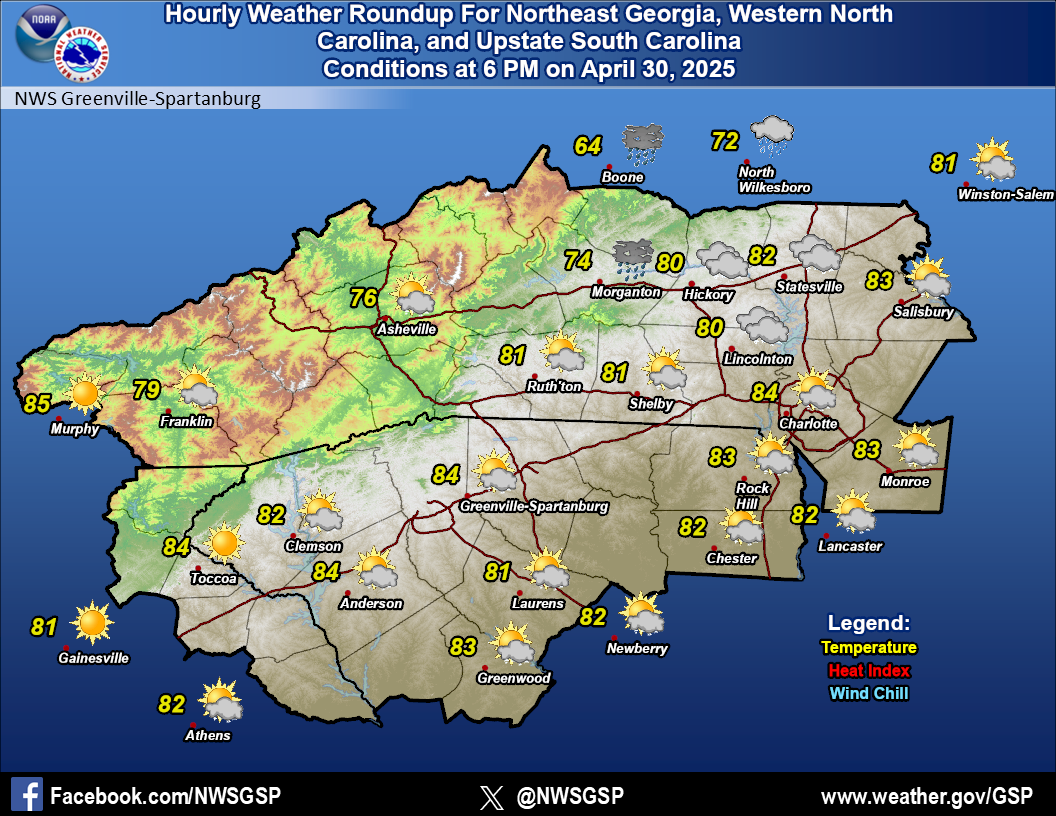 Hourly Weather
 NOAA Weather Radio
 Follow us on X
 Follow us on Facebook
 Follow us on YouTube
 GSP RSS Feed