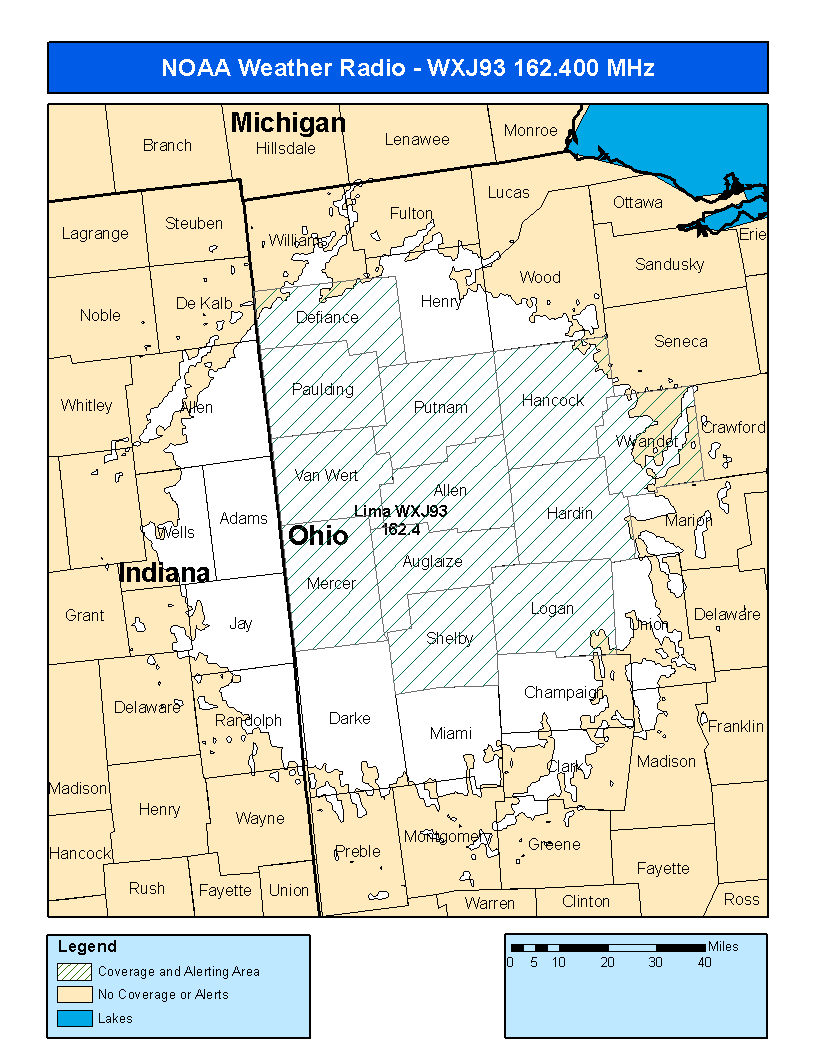
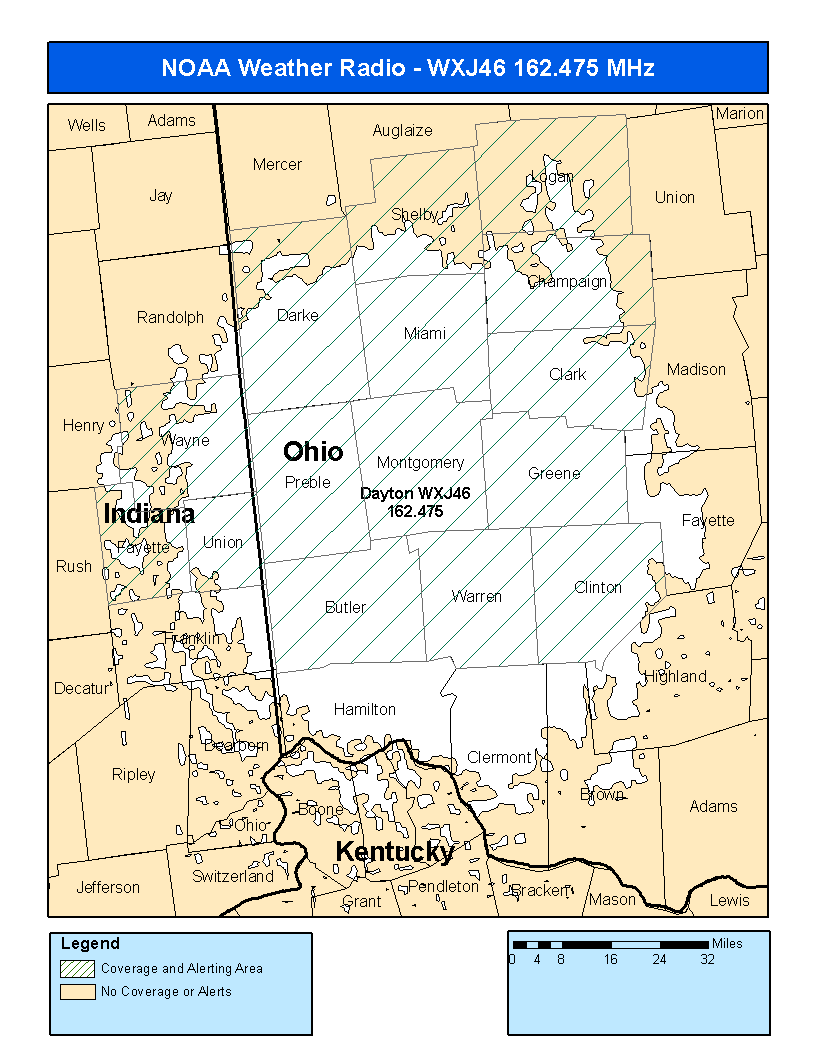
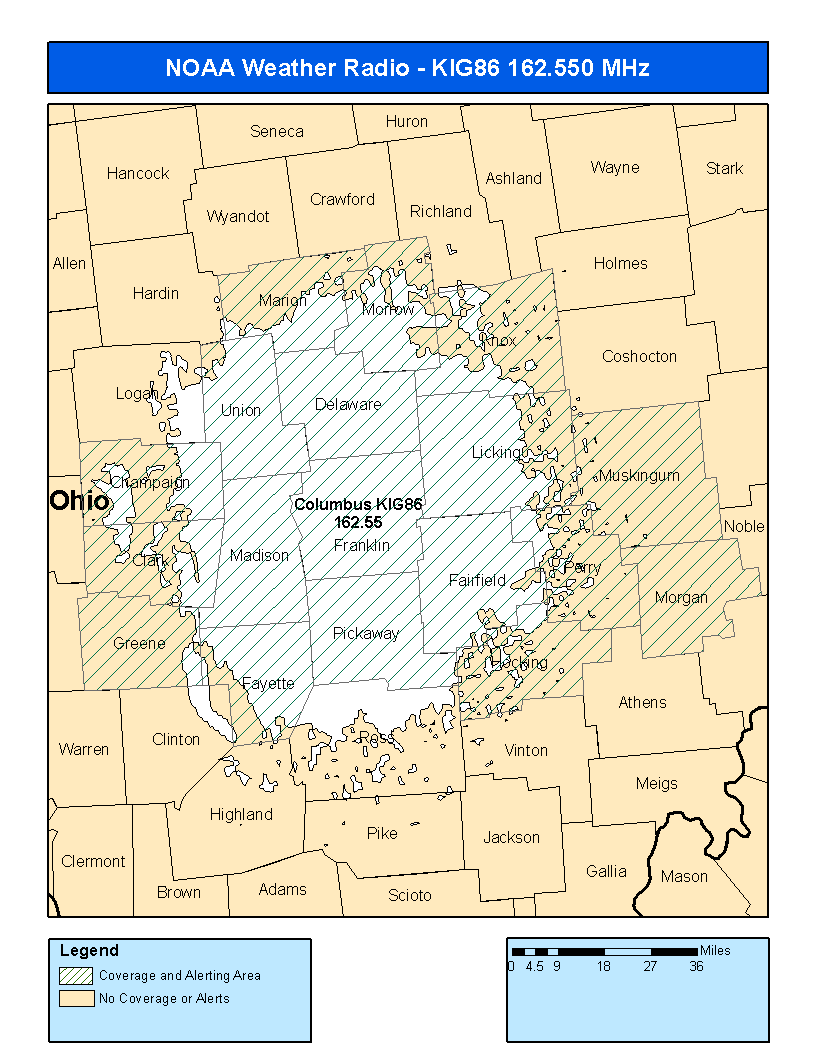
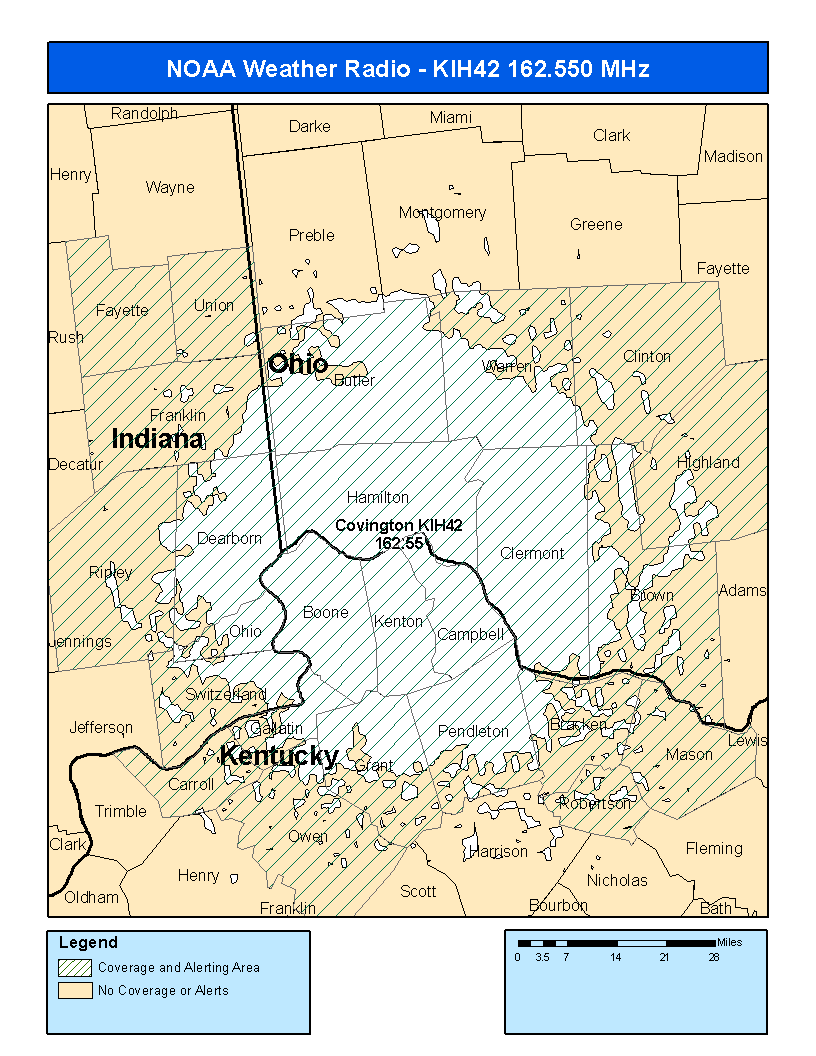
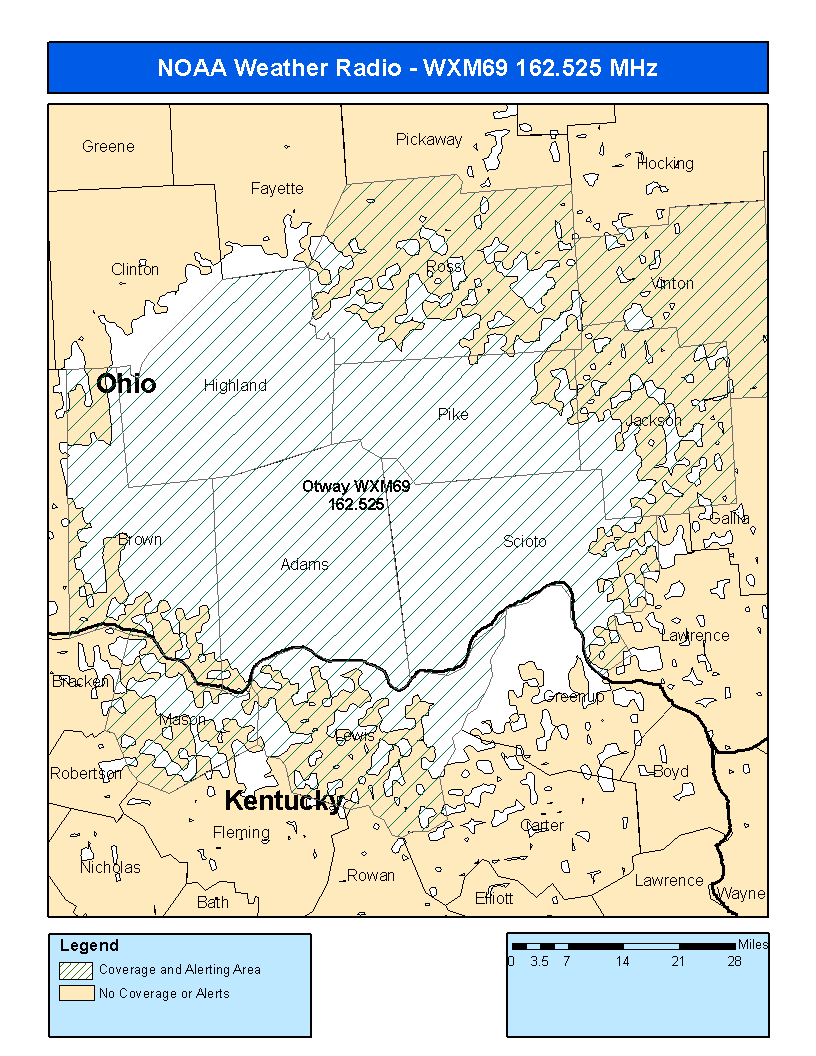
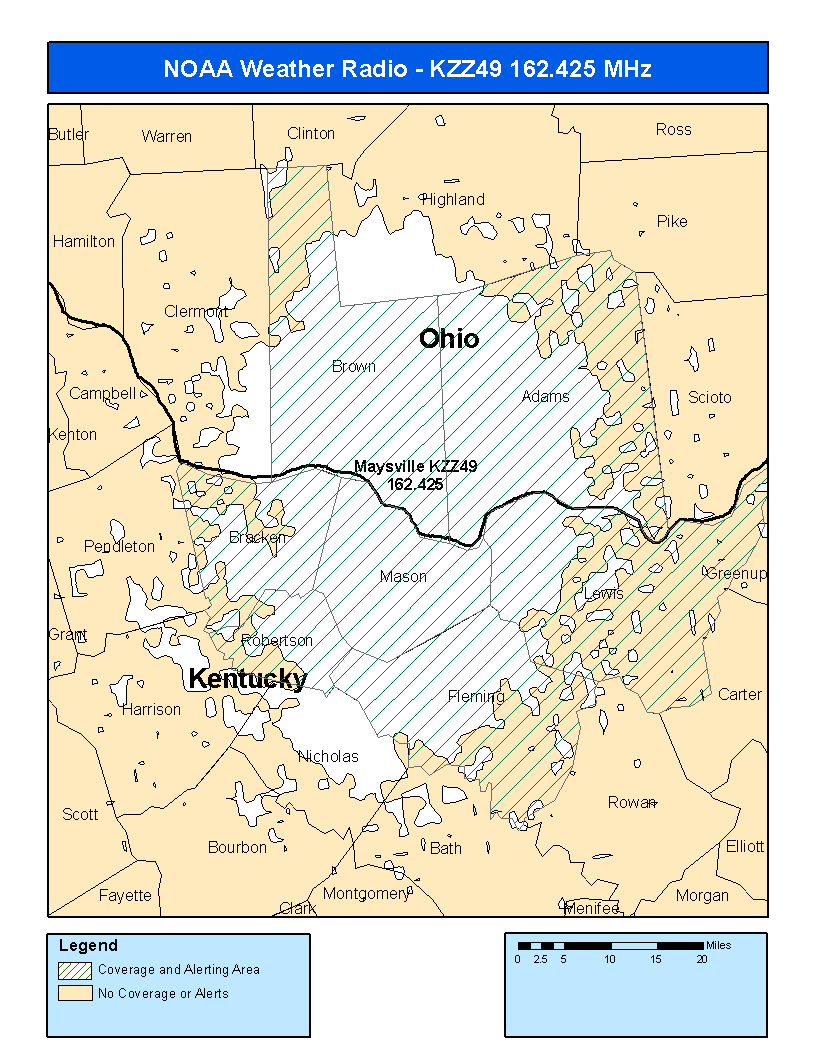
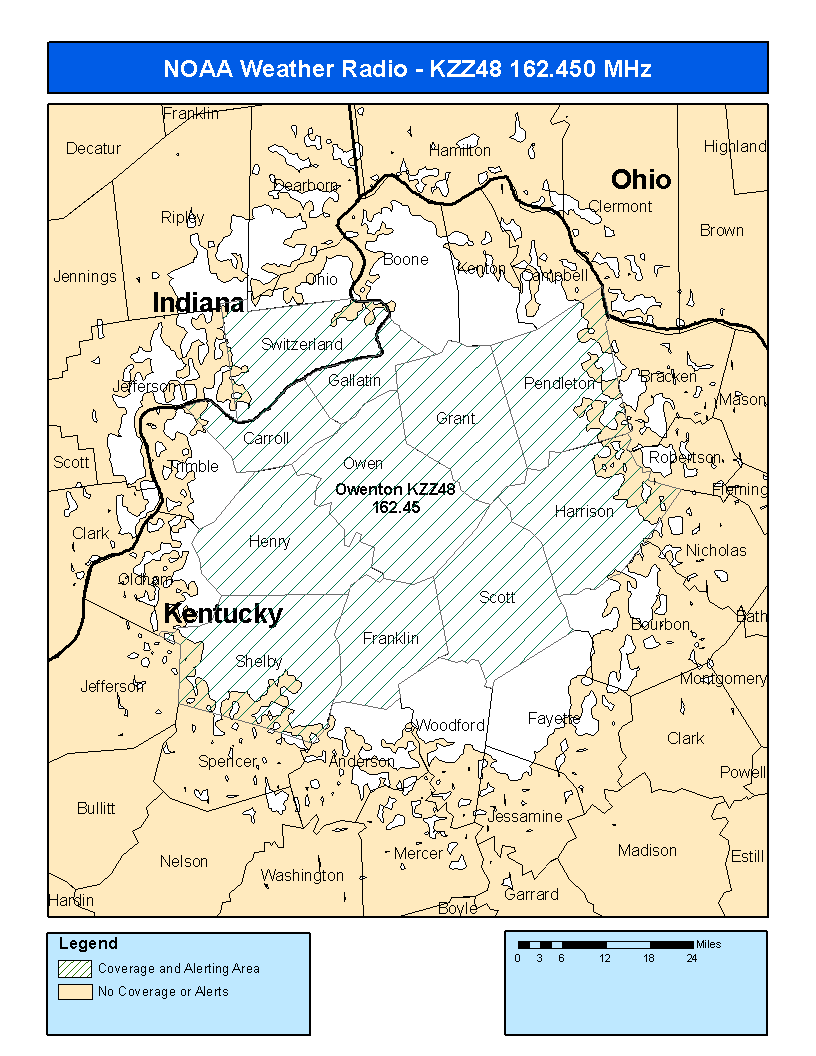
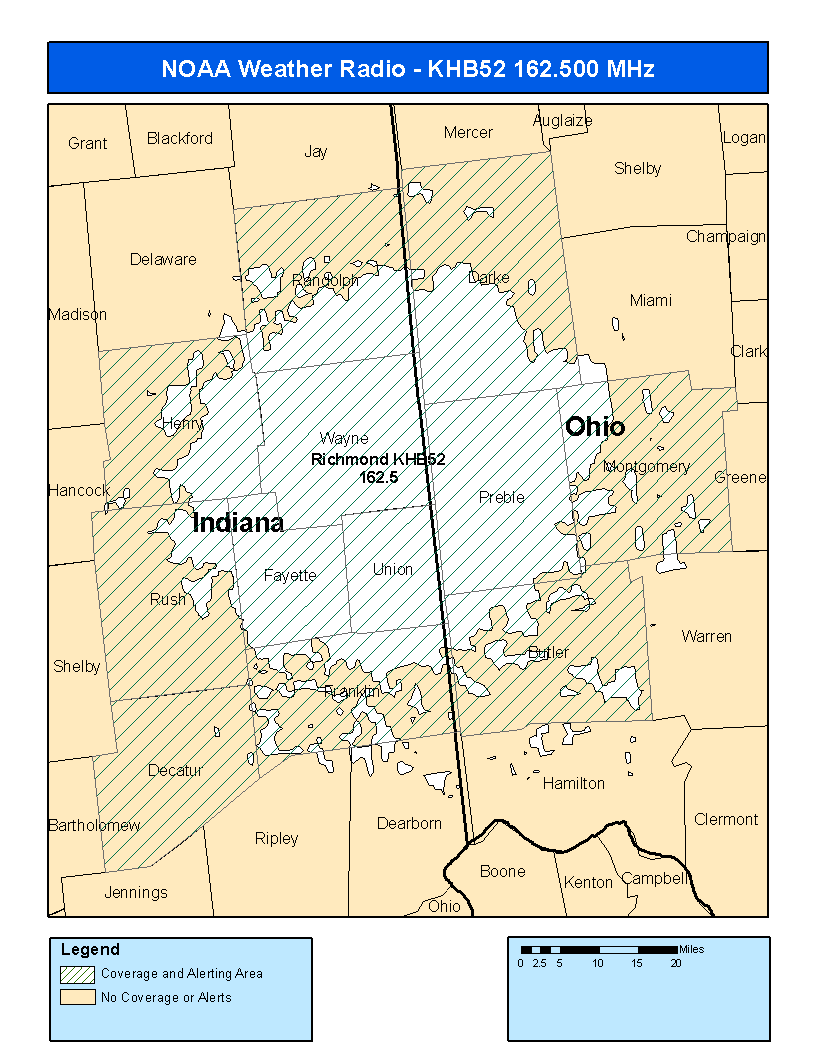
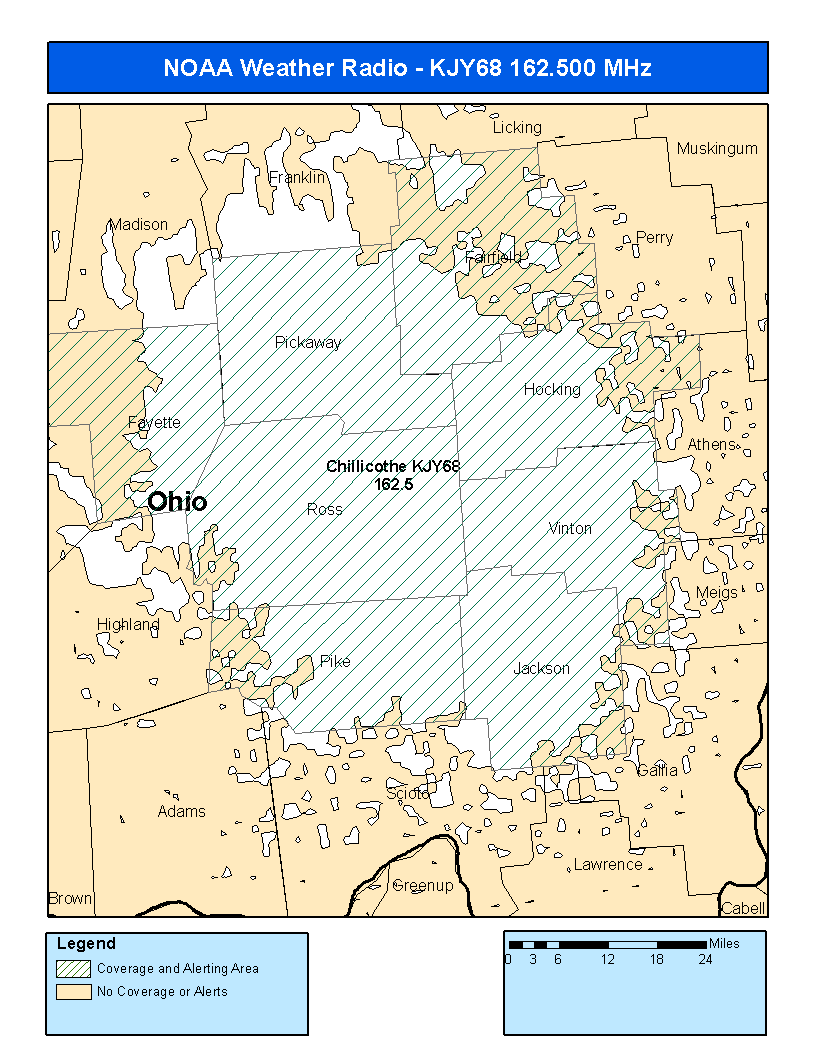
The coverage statistics and maps shown above are calculated using a computer model and station data assuming ideal conditions. Coverage may be 5 to 10 percent below the computer predicted coverage for the following reasons:
The computer model is sensitive to antenna performance. Antenna performance is a function of local conditions, causing signals to be stronger signal level in some directions than others.
Placement of NWR antennas is dictated by the tower owner, which may result in a less than ideal set up.
The antenna may be affected by nearby structures or bodies of water.
In some special instances, the antenna may have been intentionally adjusted to be "directional" and provide better coverage to a specific area to the detriment of other areas.
Because of variations in local site conditions, the performance of an individual transmitter and antenna may be less than predicted or expected.
Seasonal environmental conditions, such as icing or heavy rain, affect performance of a transmitter station and its various components, particularly those subject to continuous weather exposure.
The coverage maps are shown in a single color format, which relates to an estimated signal level (white areas indicate reliable broadcast coverage with signal levels greater than 18dBuV).




 Radar
Radar Current Weather
 Rivers & Lakes
 Satellite
 Forecast Maps
 Hour by Hour Forecast
 Tropical Weather
 Graphical Hazards
 Climate Webpage
 Text Bulletins
 Skywarn
 Forecaster's Discussion
 NOAA Weather Radio
 Briefing Page
 Fire Weather
 Follow us on X
 Follow us on Facebook
 Follow us on YouTube
 ILN RSS Feed