
|
Wildfires During The Monsoon?Rainfall associated with the monsoon typically arrives after the dry, windy, and often dusty spring months. Temperatures are also quickly rising during these late spring and early summer months, making the beginning of the monsoon hot and dry prior to the arrival of the moisture, clouds, and precipitation. This means that vegetation and “fuels” can be dry and more likely to burn in the early part of the monsoon (June through early July). During the seasonal transition of the winds, occasional bouts of gusty conditions can also linger into June and sometimes early July, and the combination of stronger winds with low humidity and hot temperatures can keep critical fire weather threatening through this time. These critical fire weather conditions can lead to rapid fire spread and large fire growth.
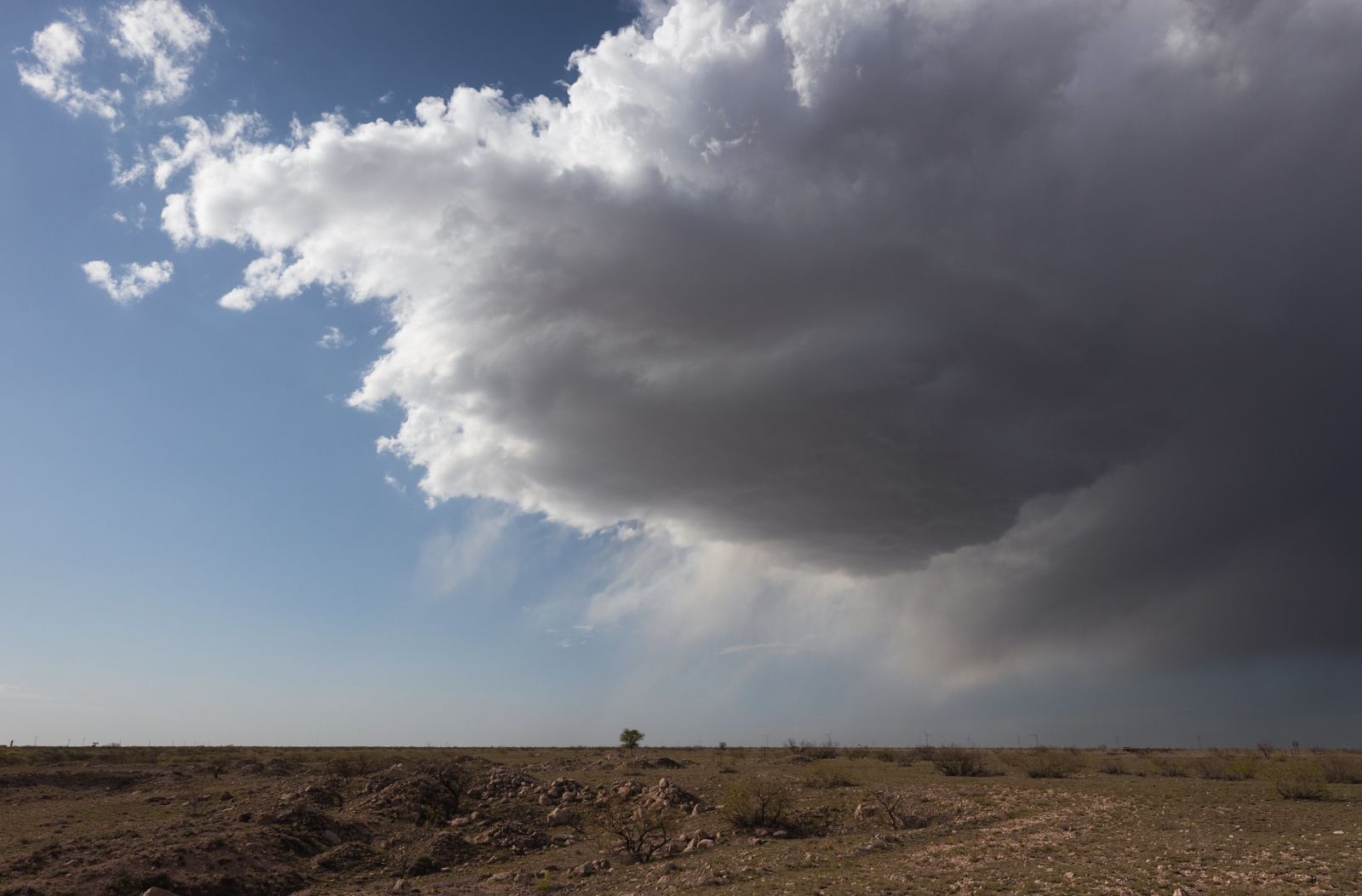
Smoke from the Calf Canyon wildfire can be seen in the southern Sangre de Cristo mountains. Photo by Jessica Psahoulias. Virga And Dry ThunderstormsAfter winds begin to undergo their seasonal transition, moisture gradually seeps into the desert southwest region. Often, the moisture first arrives in the mid to upper levels of the atmosphere while very dry conditions persist in the low levels, or beneath the higher based clouds. Showers may begin to take shape during the earlier parts of the monsoon, however it is common for much of the associated rainfall to evaporate in the dry lower levels of the atmosphere. This evaporating rainfall, known as “virga” can lead to sudden and erratic wind gusts. In addition, if showers grow tall enough to become statically charged, they can produce lightning. When thunderstorms develop, but are incapable of producing much rainfall, they are referred to as “dry thunderstorms.” Thunderstorms are generally considered to be “dry” when they produce less than 0.10” of rain. The cloud-to-ground lightning from thunderstorms not only poses a deadly risk to those outdoors, but it can also lead to new wildfire starts or ignitions. The combination of lightning and gusty winds from any ongoing virga showers or dry thunderstorms can quickly cause new wildfires to spread rapidly.
Wetting RainfallAs additional moisture arrives, especially within the lower layers of the atmosphere, showers and thunderstorms begin to evolve, becoming more efficient at producing “wetting rainfall." Wetting rainfall is often defined to be 0.10 inch or more, which is usually enough to slow the spread and growth of fire, as this is typically enough to temporarily soak fuels and vegetation, even beneath tree canopies. Though the first few days or weeks of the monsoon can be characterized by drier storms, atmospheric conditions normally evolve later in the season, supporting more efficient rainfall producing storms.
Lightning IgnitionsLightning can also ignite wildfires that go undetected for a couple to a few days. These “sleeper” fires may occur in higher terrain areas with heavier fuels consisting of thick conifer trees and timber forests or wilderness areas, making them difficult to identify and reach. Lightning may ignite a small timber fire in remote, high terrain areas during a period of relatively light winds or high humidity. Later when wind gusts increase, perhaps from other passing showers or storms, these “sleeper” fires can awaken and grow quickly.
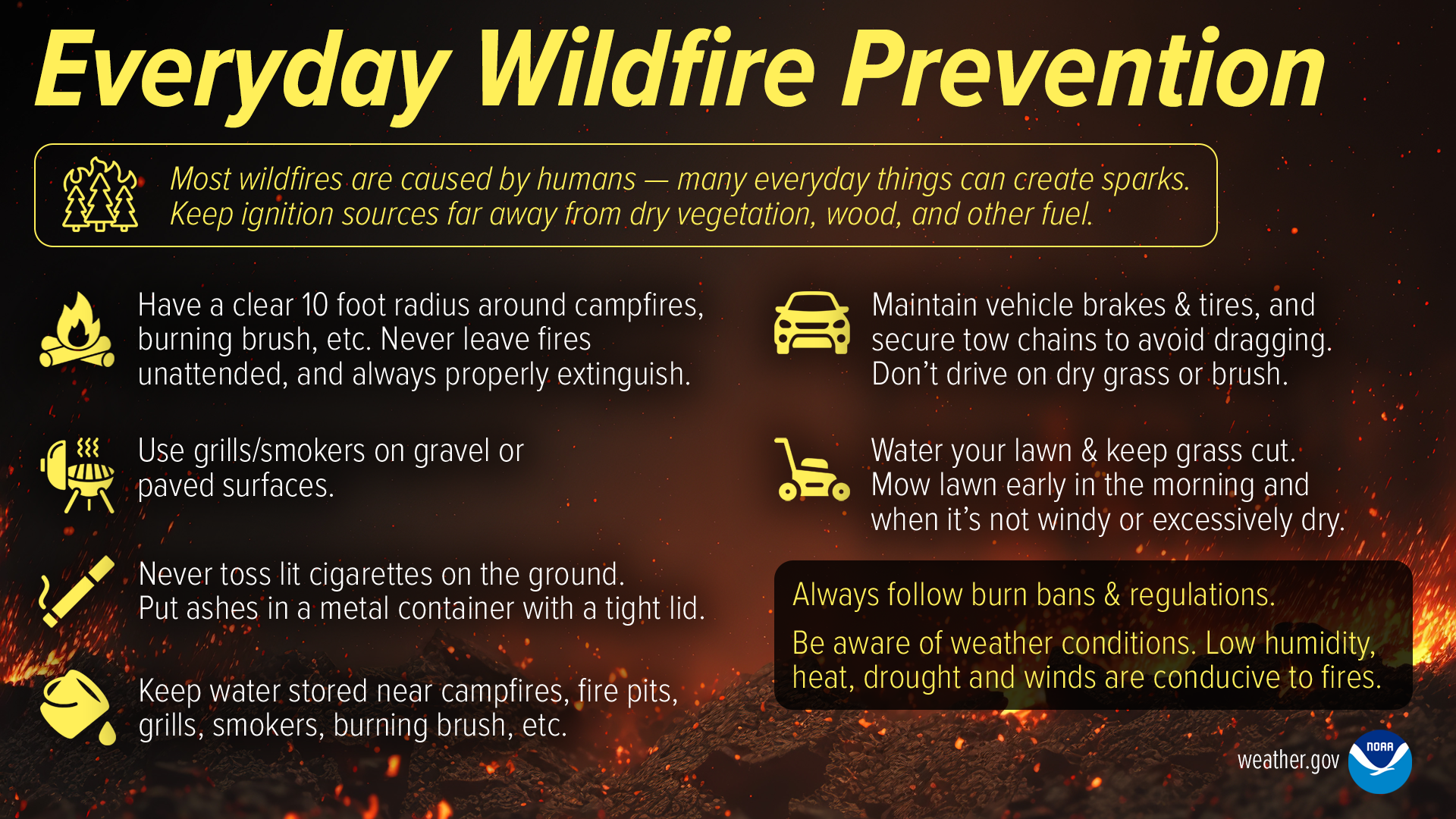
Above: A cloud-to-ground lightning strike occurs over dry west central New Mexico with little rainfall occurring. NWS Photo. Wildfire SafetyWildfires can start, not only from lightning, but also a variety of human-related causes. Carelessness with cigarettes or campfires are a couple of the more obvious causes, but the use of power tools on dry, windy days can also create sparks that lead to wildfires. Grinders, welders, and even mowers can produce sparks to ignite fires. Strong winds can also knock down utility poles and lines, leading to fires. It's important to remain weather-aware to ensure that you don’t contribute to the start of a new fire. Help keep yourself, your loved ones, and your neighbors safe by practicing fire safety. If planning to do any outdoor burning, stay informed of the forecast and avoid burning during any periods of strong winds or low humidity. If thunderstorms are forecast, be sure to extinguish any fires or campfires completely to avoid the risk of them awakening as gusty outflow winds develop from passing storm activity. Also, stay on the lookout for any new fires caused by lightning.
|
||||
|
More information can be found in two fire weather features below: Dry Thunderstorms
|
||||







 Follow us on X
 Follow us on Facebook
 Follow us on YouTube
 ABQ RSS Feed