
Isaias is expected to approach the northern Gulf Coast as a strong hurricane on Friday, bringing life-threatening storm surge, damaging winds, heavy rain, and severe thunderstorms across the region and Southeast into the weekend, with risks of flooding and tornadoes. Read More >
Link to Pan and Zoom RADAR Imagery
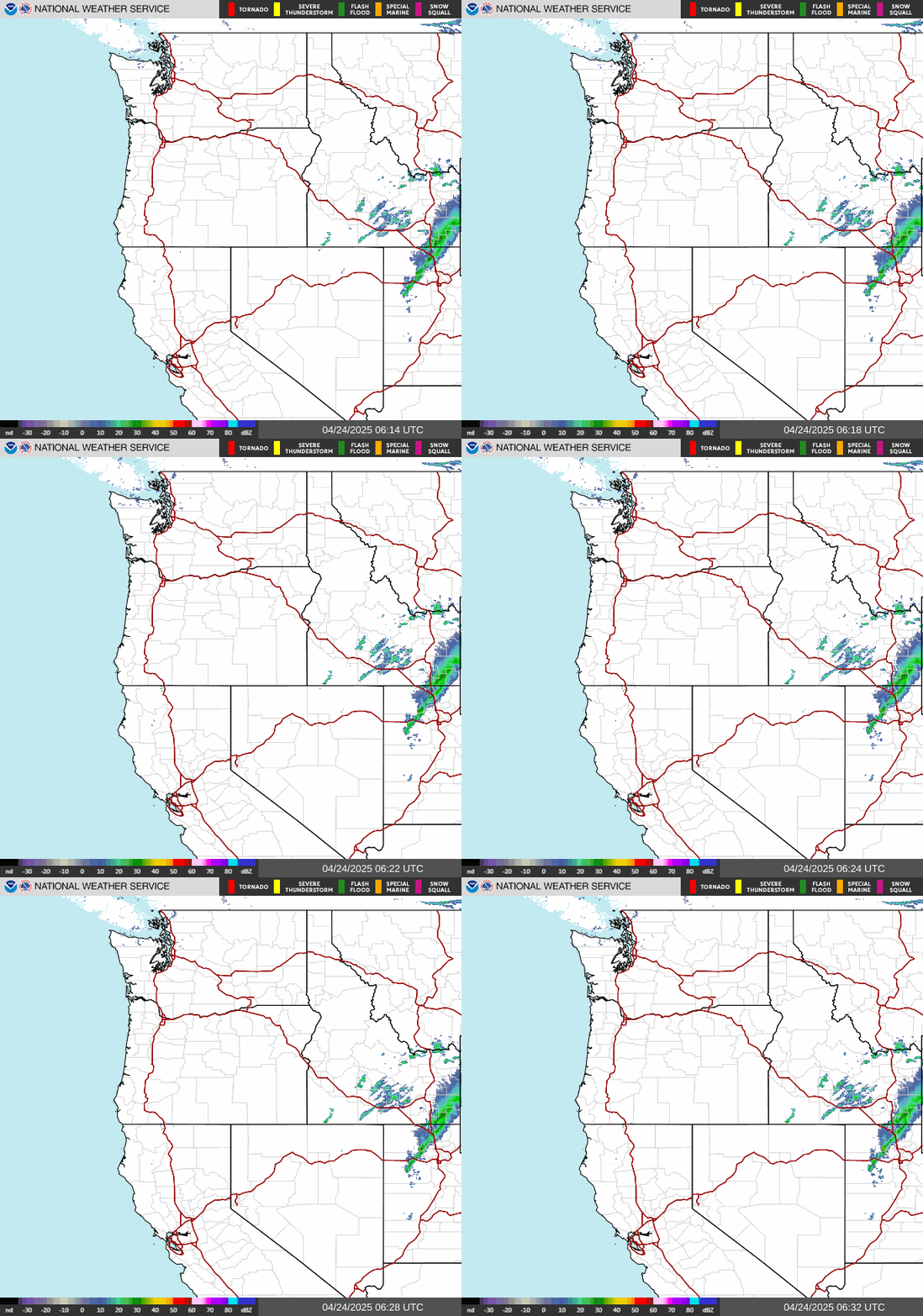
Latest RADAR imagery (KMAX--Mt Ashland)
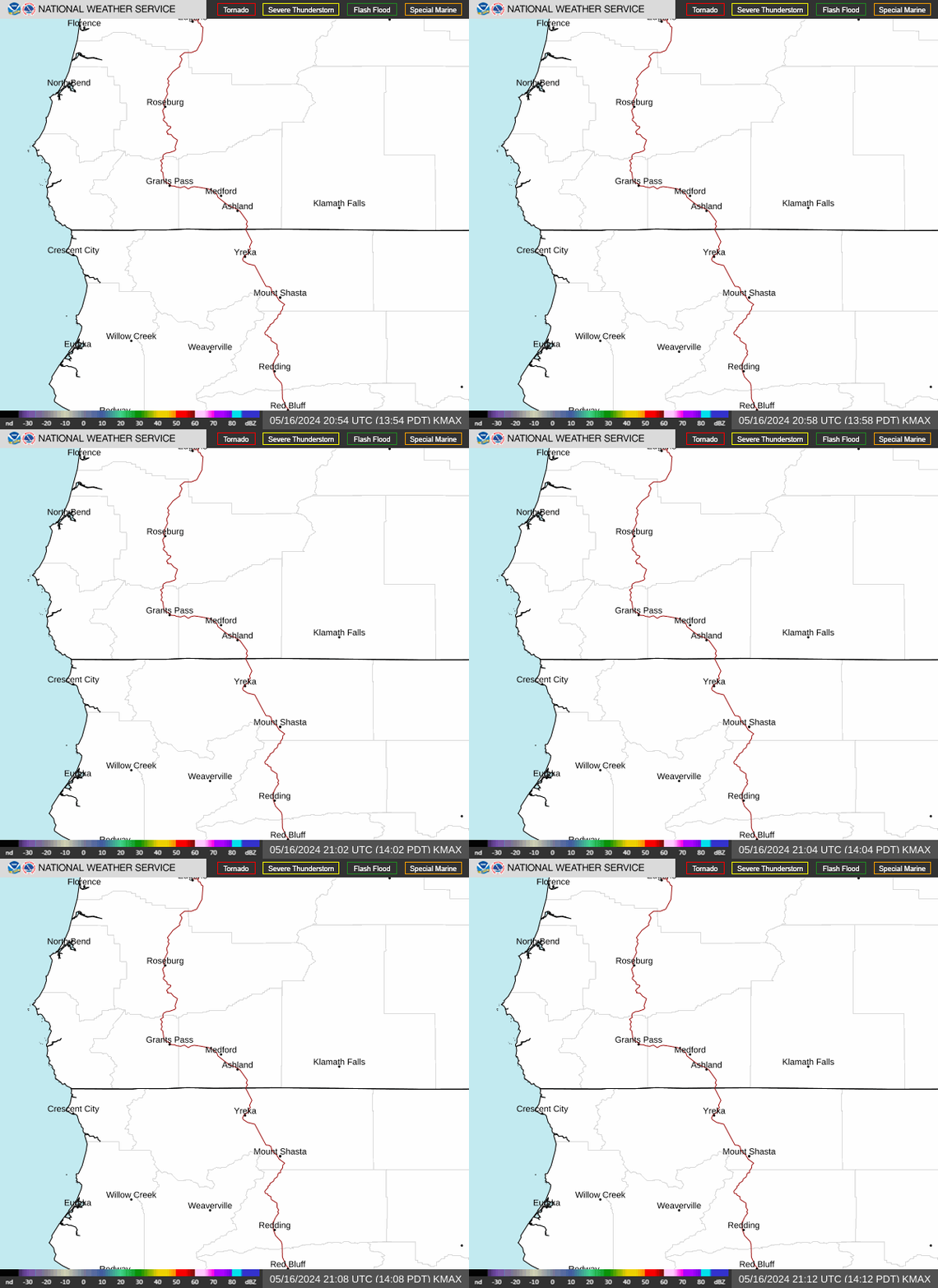
KBHX--Eureka, CA
KBBX -- Beale AFB, CA
KRTX--Portland, OR
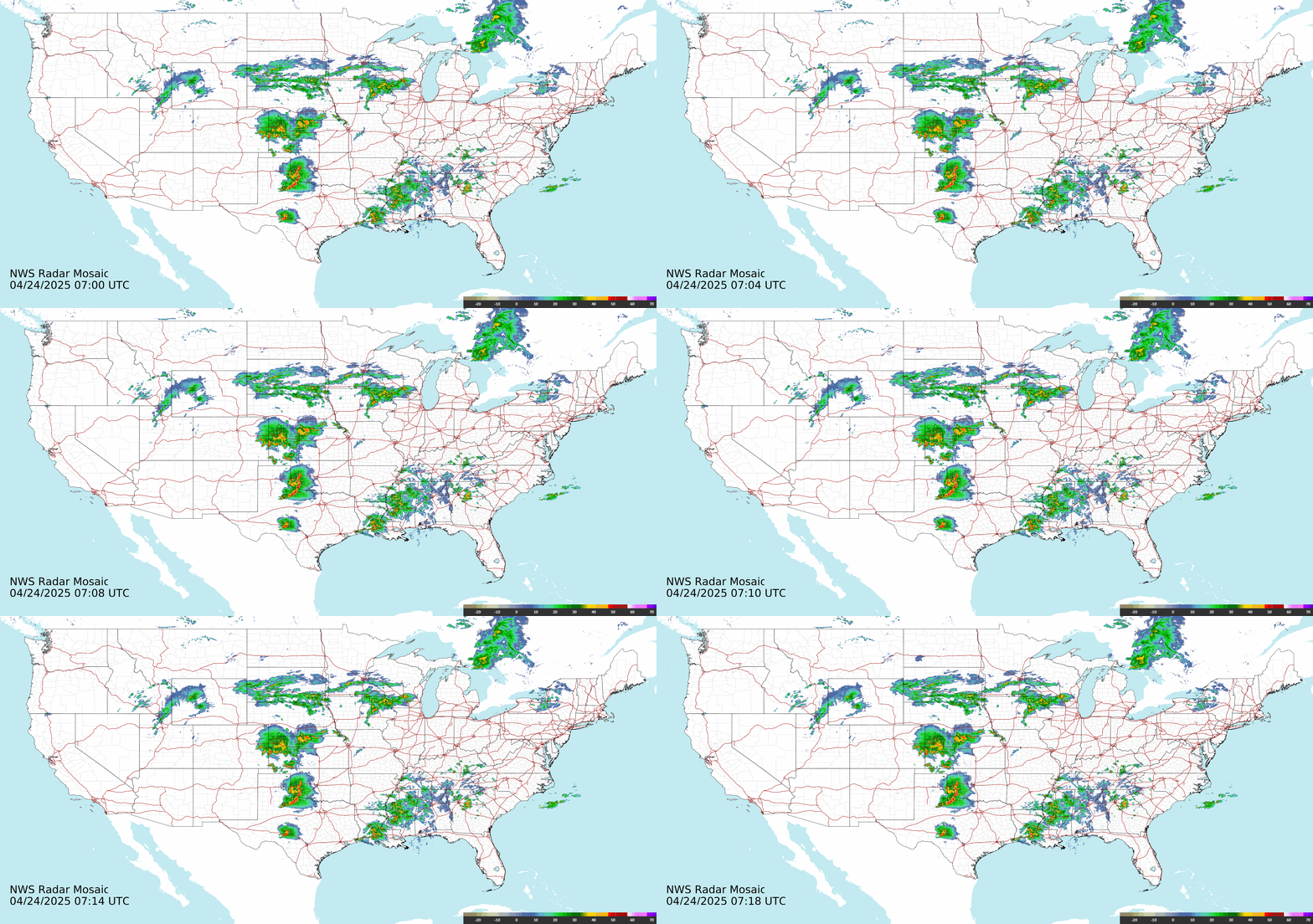
Click to enlarge national RADAR image
 |
|
| Helpful hints when viewing this "lite" RADAR imagery | |
|
Time is it UTC. Subtract 7 hours to get PDT and 8 hours to get PST |
|
|
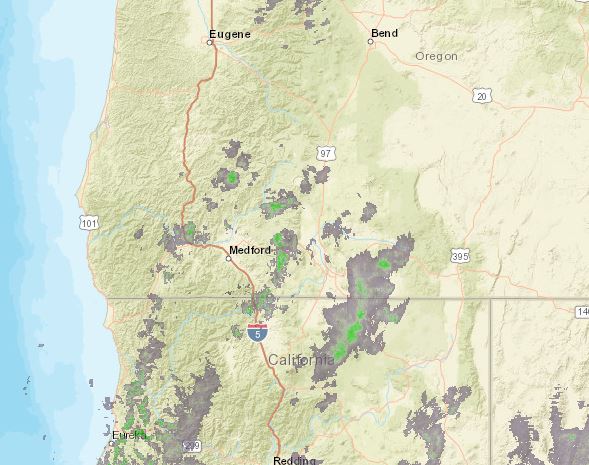
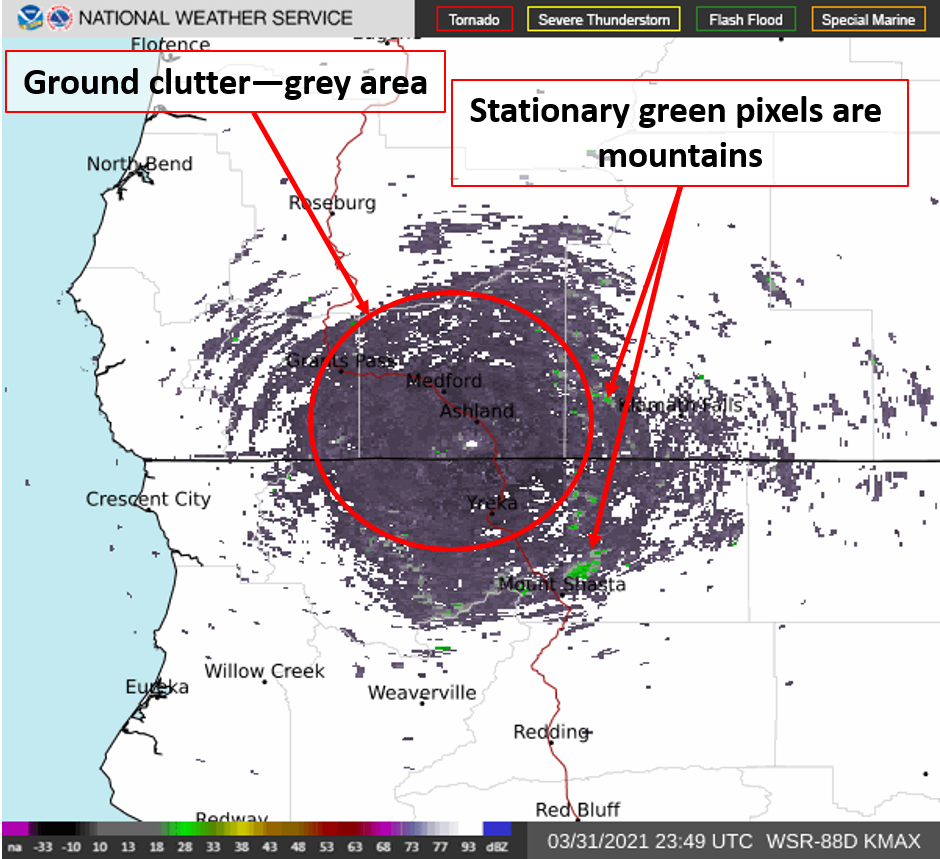
Ground Clutter: Image is what it can look like when there is no precipitation but significant ground clutter. The grey and green areas won't move much.
|
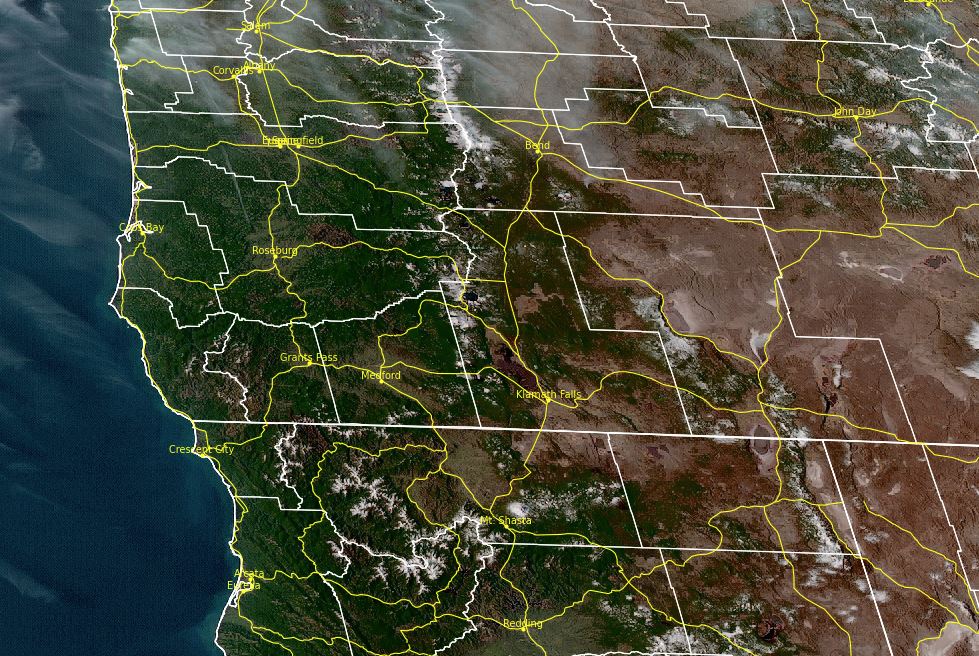
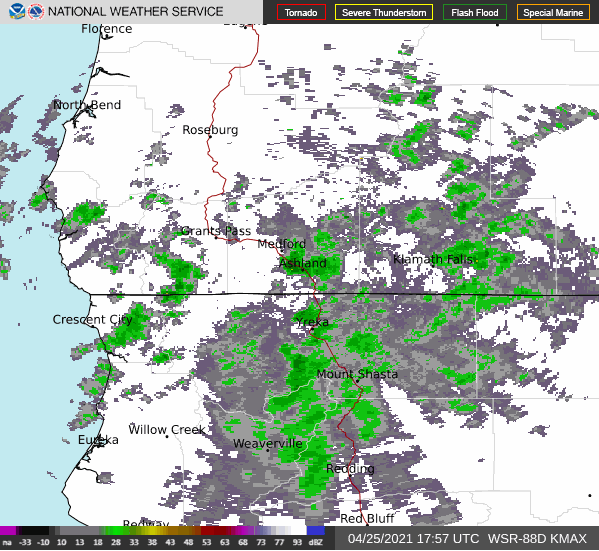
Actual Precipitation: Image below shows precipitation in the area. Green areas change/move like you'd expect with areas of rain/snow.
|
 |
|
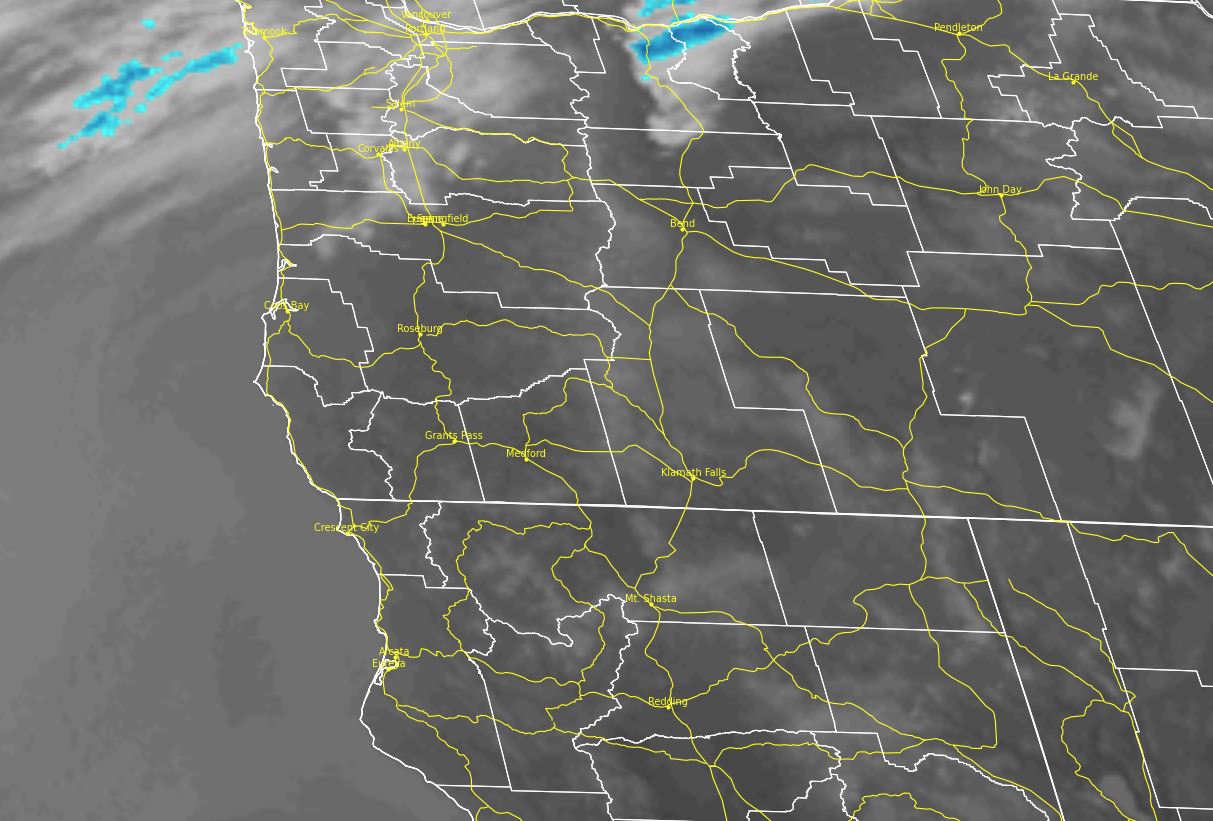 |
|
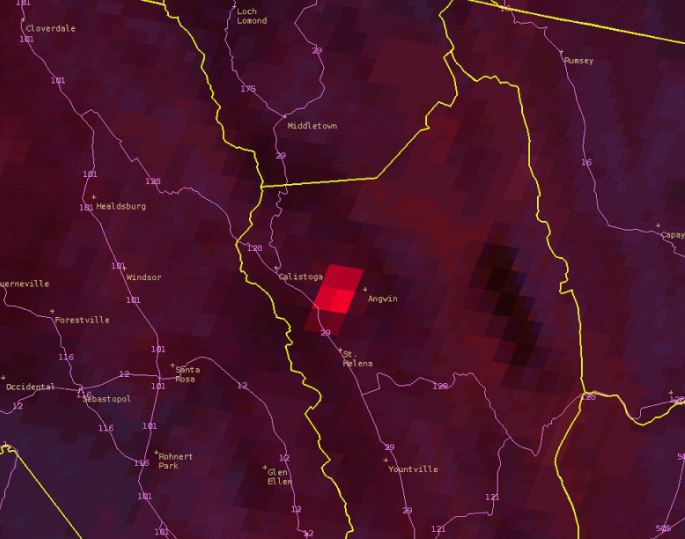 |
|
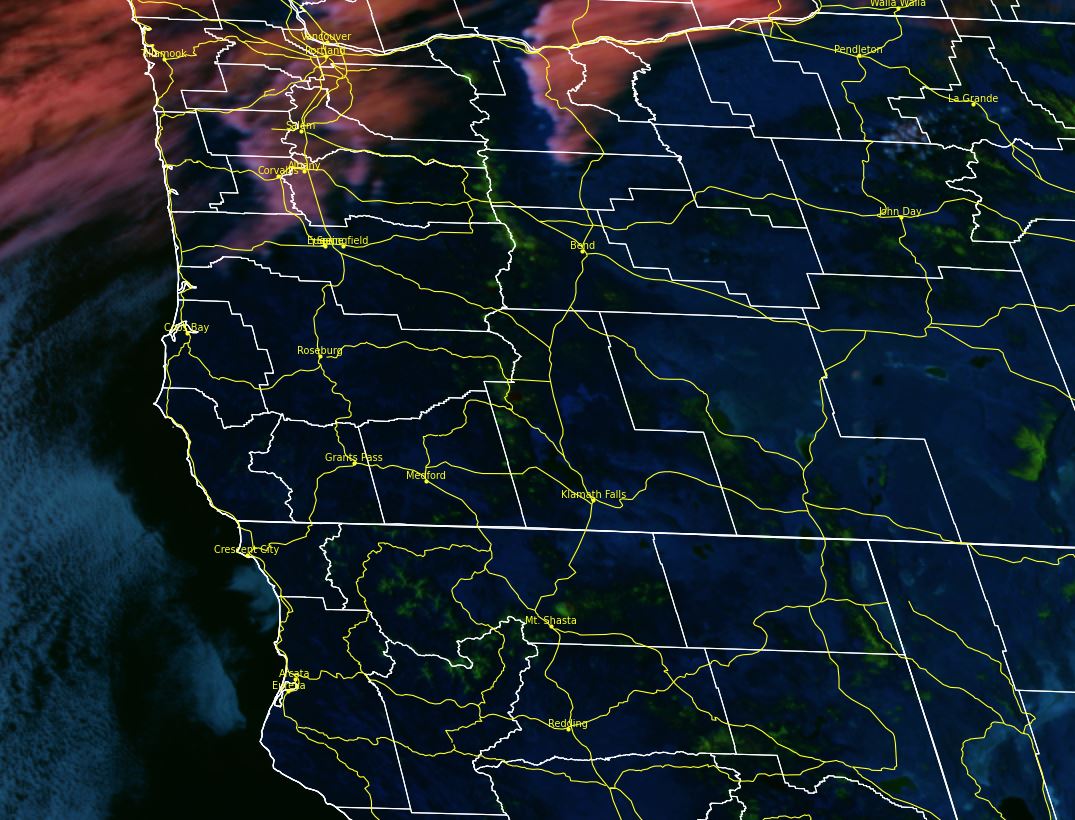 |
|
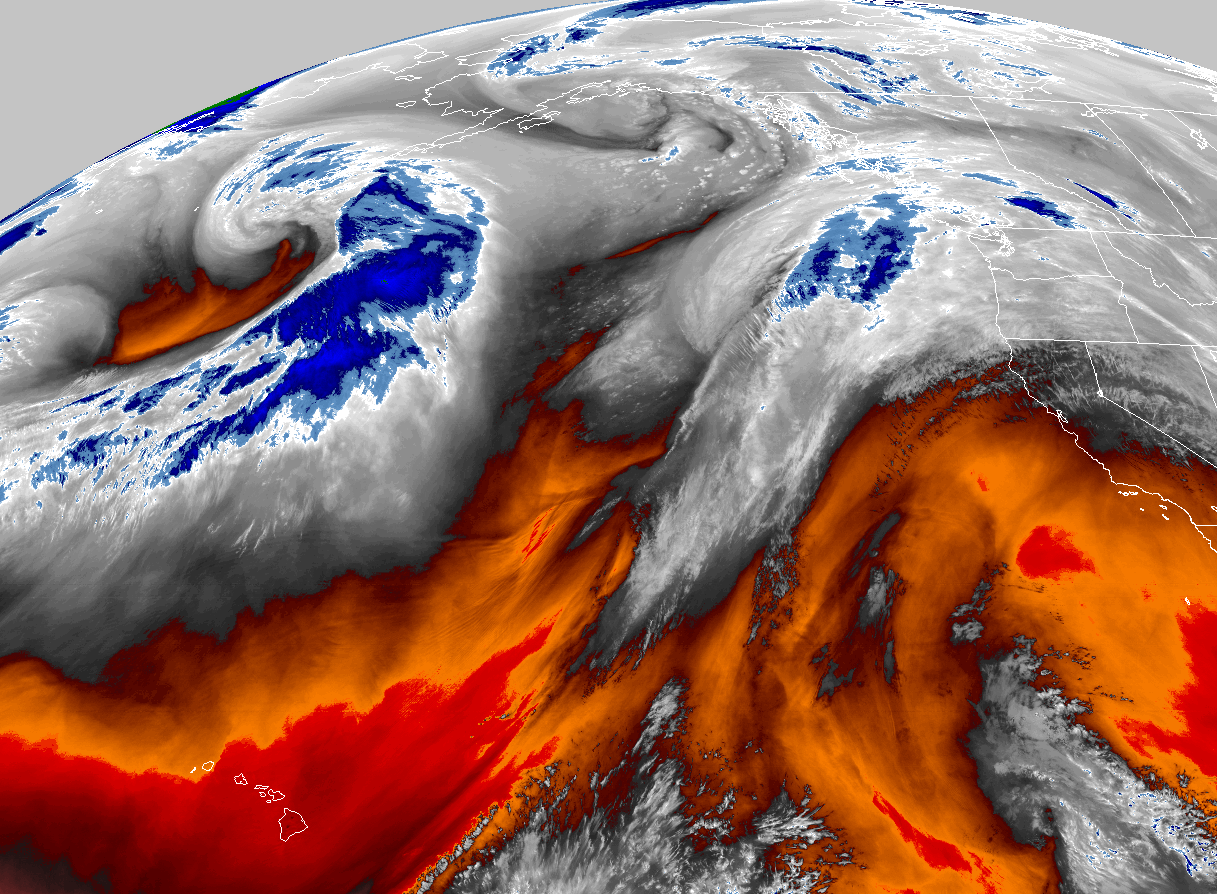 |
|



 Precipitation Tracker
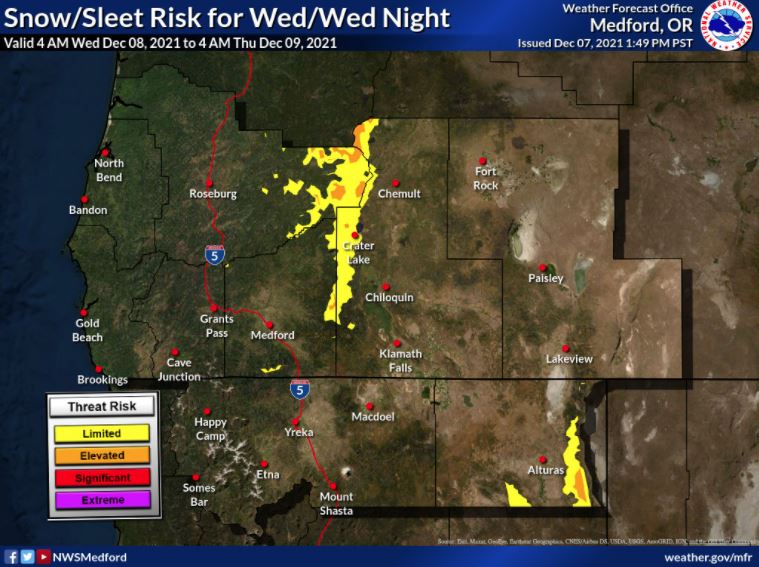 Graphical Hazards Outlook
 Forecast Discussion
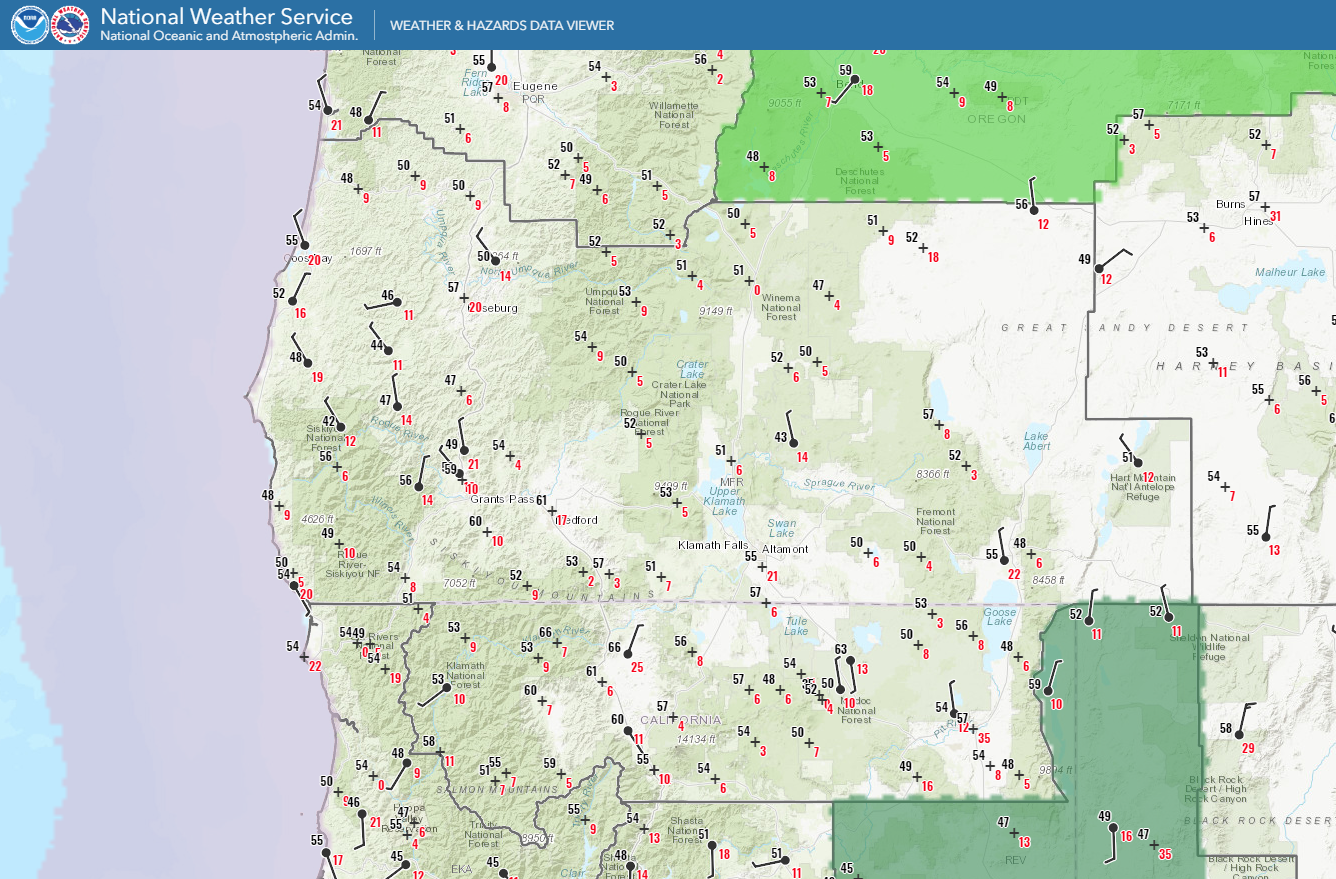 Observations/Hazards
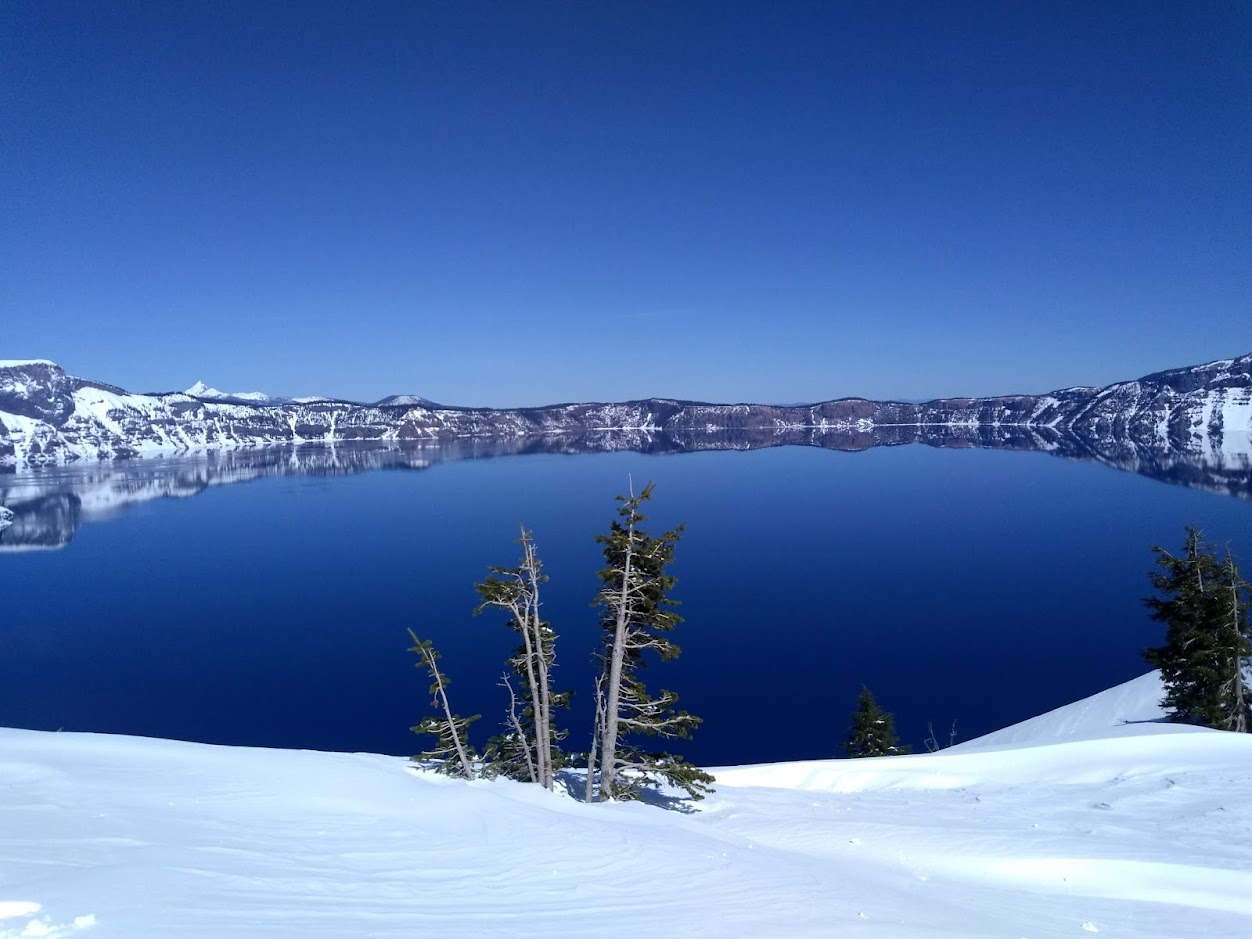 Snowfall and Depth With Crater Lake Details
 Avalanche Guidance
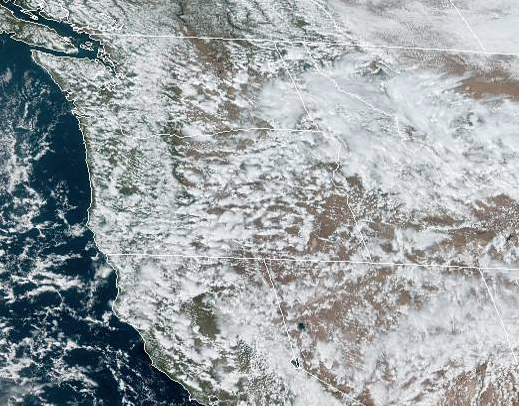 NESDIS Geocolor
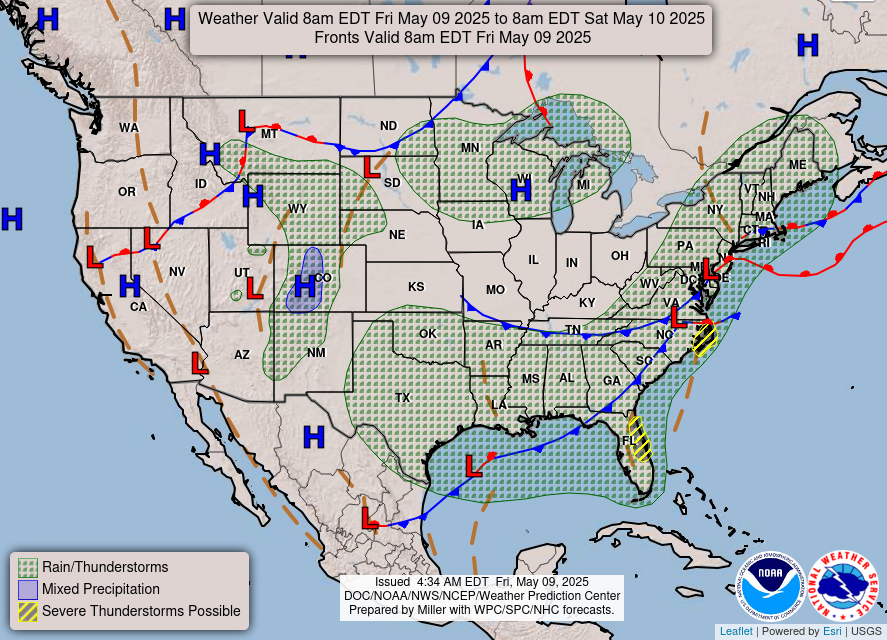 Weather Map
 Marine
 Local Climate Data
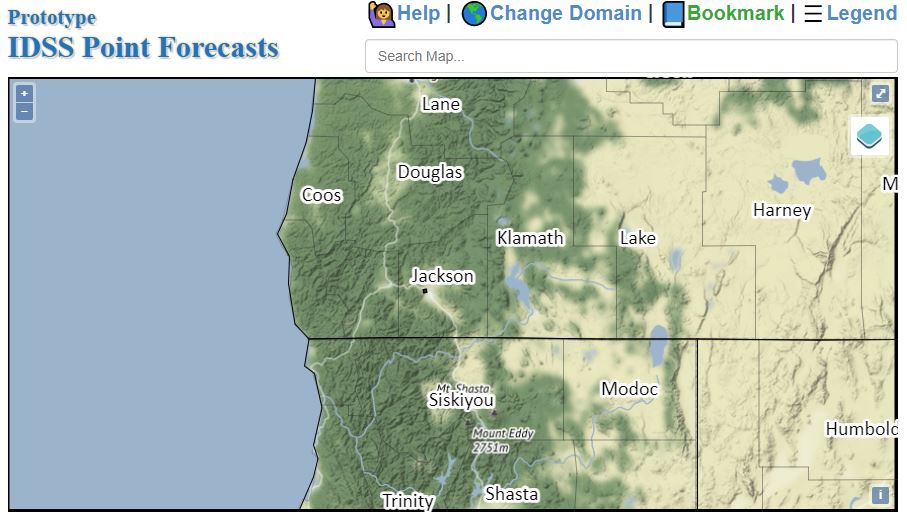 Alternate Point Forecast
 Weather Stats
 Year Charts
 Fire Weather
 Smoke Forecast
 Follow us on X
 Follow us on Facebook
 Follow us on YouTube
 MFR RSS Feed