
A prolonged atmospheric river will continue to impact the Pacific Northwest into the Northern Rockies with heavy rainfall, areas of urban and river flooding, landslides, heavy mountain snow, and gusty winds into Thursday. A strong clipper system will bring the threat of heavy snow and high winds across the Upper Midwest/Great Lakes as well as portions of the interior Northeast and Appalachians. Read More >
Last Map Update: Tue, Dec 9, 2025 at 6:36:44 pm PST
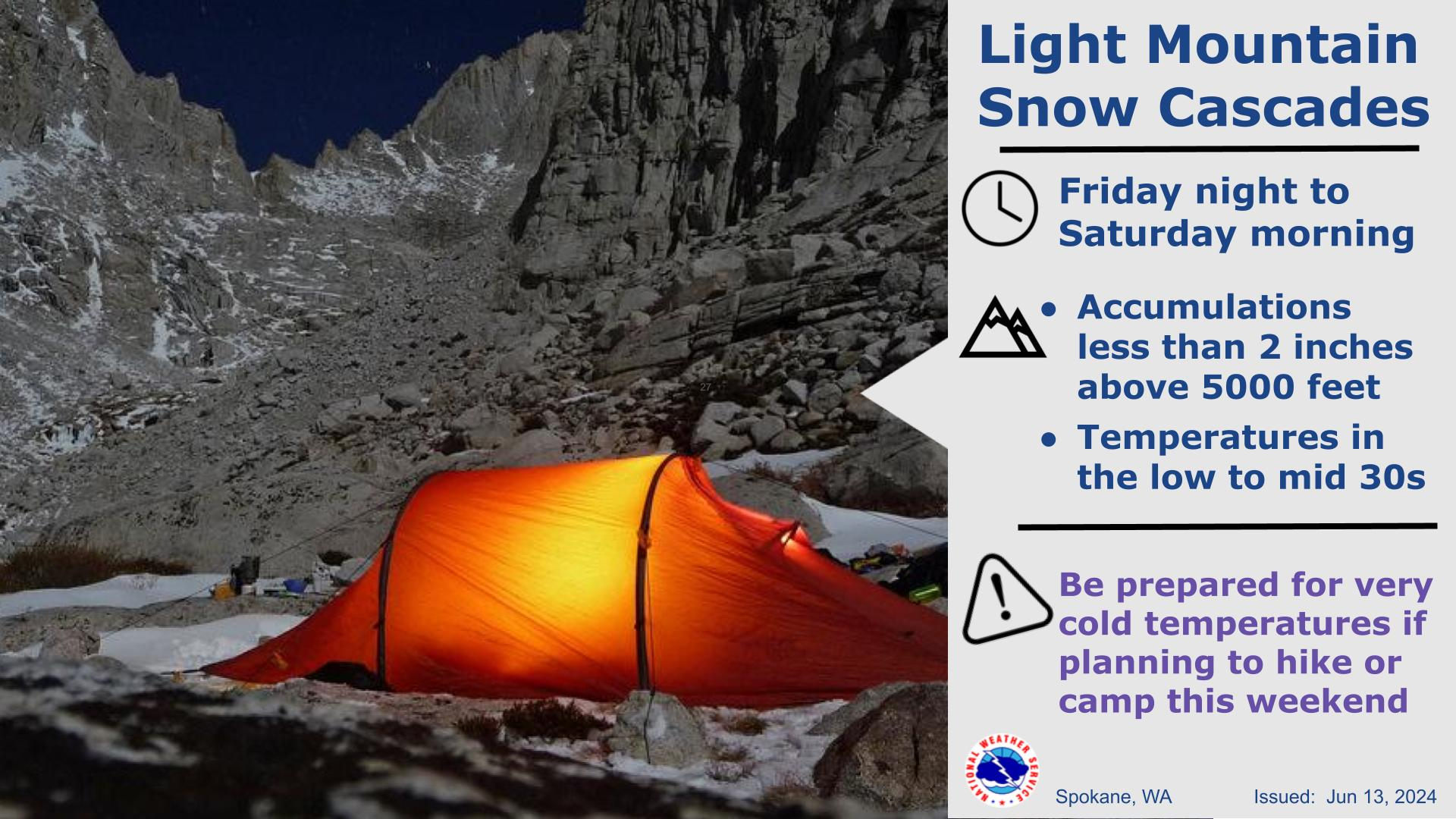
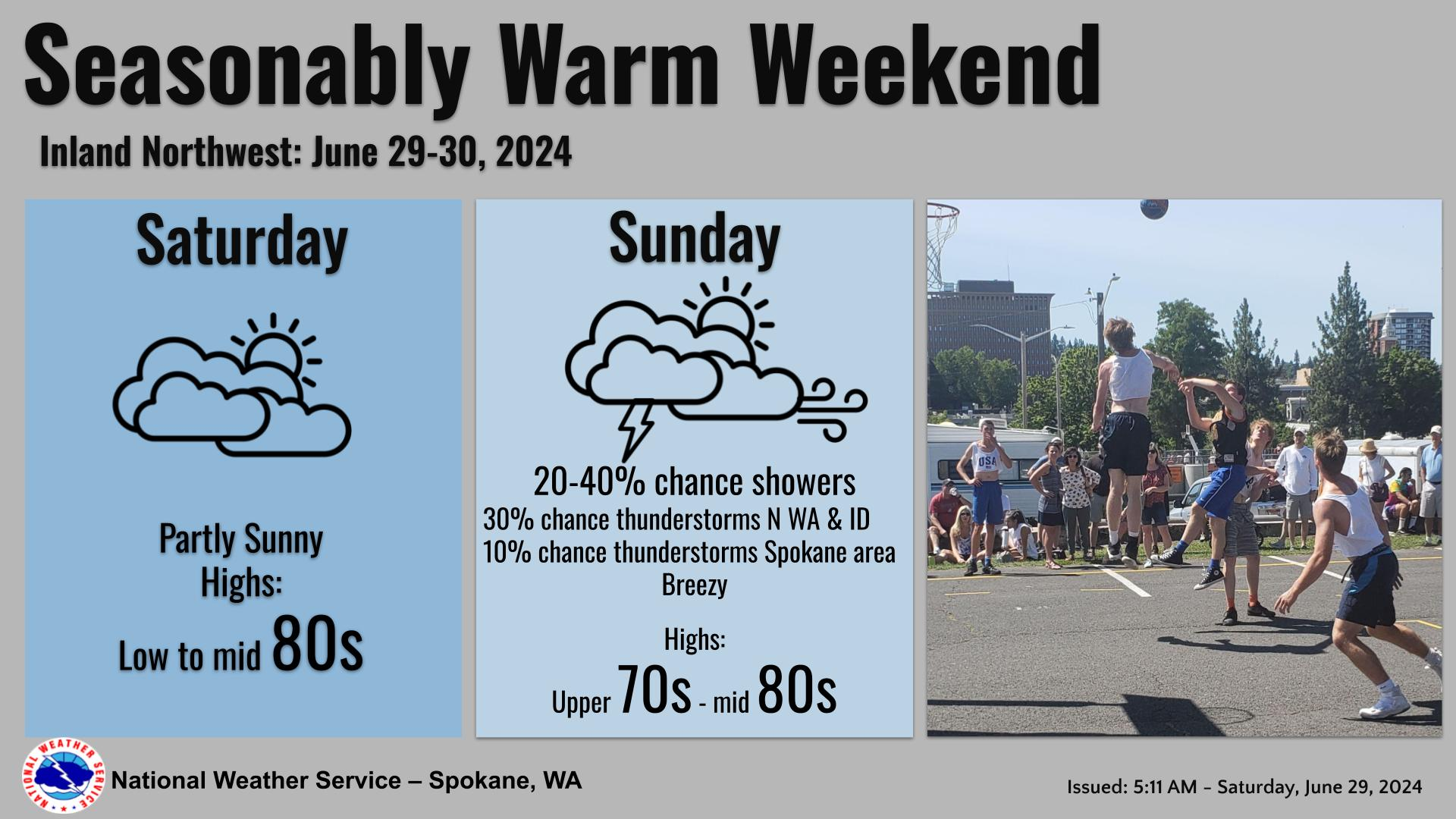

|
Text Product Selector (Selected product opens in current window)
|
|





 Social Media
 Forecast Discussion
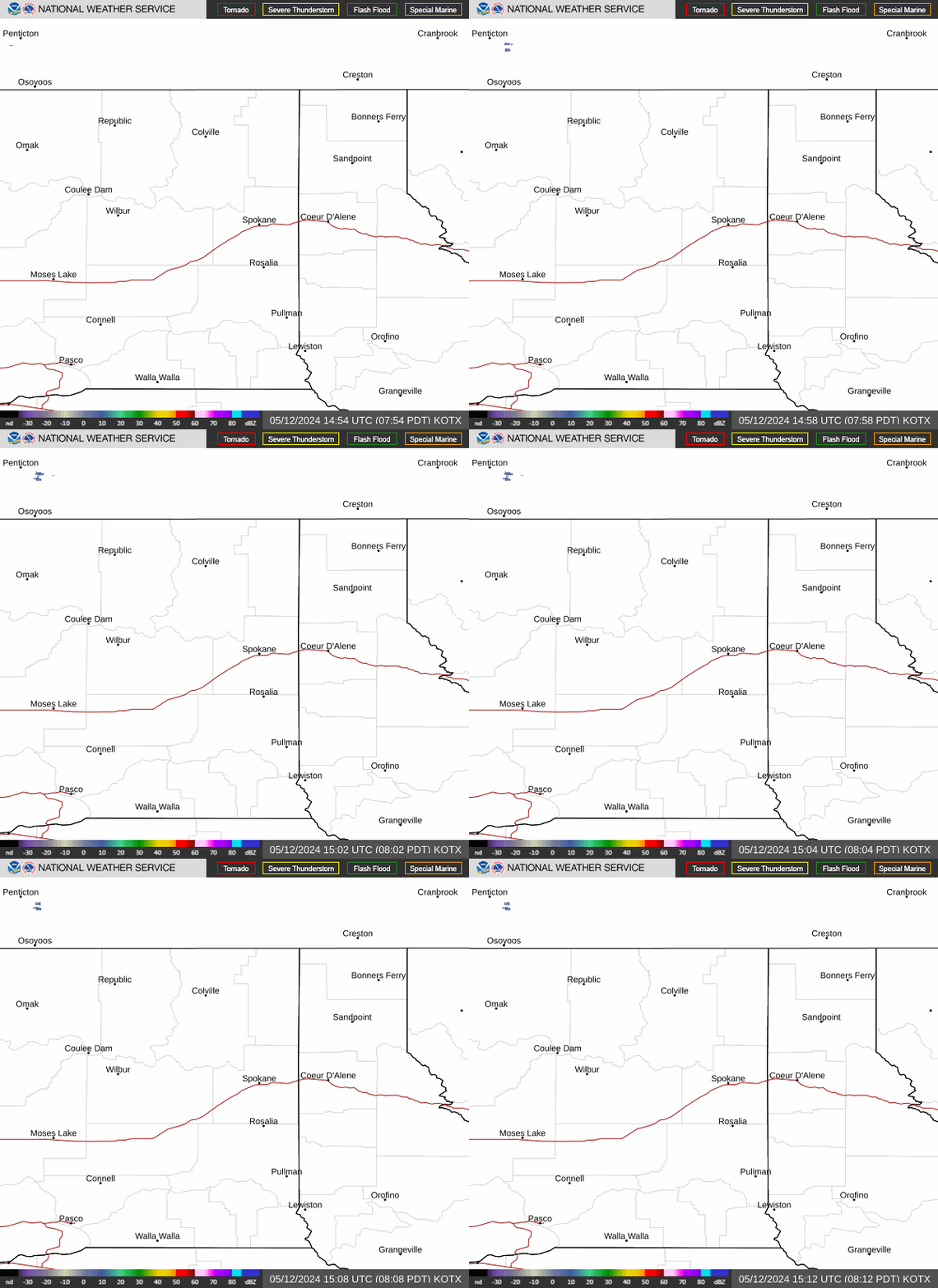 Local Radar
 Satellite Images
 Weather Maps
 Graphical Forecasts
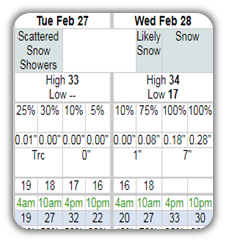 Weather Table Forecasts
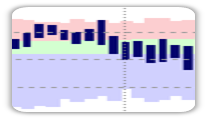 Climate Graphics
 Rivers and Lakes
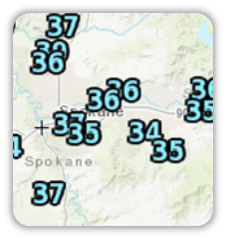 Observations & Hazards
 Fire Weather
 Aviation Weather
 YouTube Channel
 Hourly Forecasts
 Drought Information
 Climate
 Submit a Storm Report
 View Storm Reports
 Follow us on X
 Follow us on Facebook
 Follow us on YouTube
 OTX RSS Feed