|
Nebraska Severe Weather Awareness Week March 21-25, 2016
The week of March 21-25, 2016 has been designated as Severe Weather Awareness Week in Nebraska. The week provides opportunities for public, government and private businesses to raise awareness, prepare, test and practice procedures for what to do during a severe weather event. As long as no severe weather is expected or occurring, the statewide tornado drill will be conducted by the National Weather Service on Wednesday, March 23th between 10 a.m. to 11 a.m. CDT (9 a.m. to 10 a.m. MDT). The tornado drill timeline is available for the state. In the event of active weather on March 23th, the tornado drill will be completed on March 24th. The purpose of the drill is to ensure that Nebraskans can adequately receive a tornado warning and to practice any actions which would be taken to protect your life in the event of a real tornado. The test warning will be sent through all communication channels which are normally used for severe weather dissemination. This tornado drill presents an excellent opportunity for everyone at work, school, or home to practice their safety measures.
Severe Weather Awareness Week provides the National Weather Service the opportunity to get potentially lifesaving information out to the public. Each day this week, the National Weather Service Offices across Nebraska will concentrate on one safety topic and have this information available through Public Information Statements, on the NOAA Weather Radio All Hazards and the Internet. |
 |
|
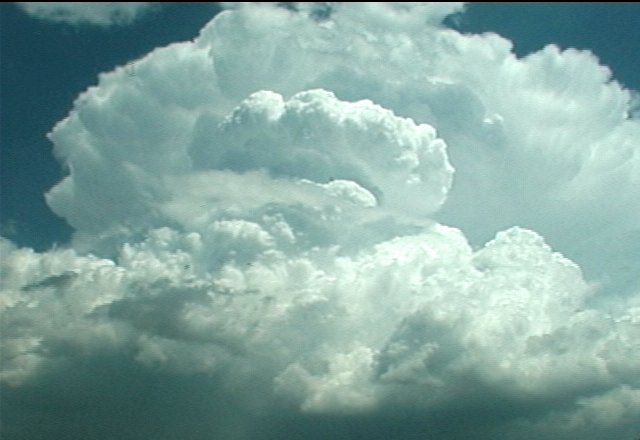
Severe Thunderstorms - Thunderstorms are considered severe if they include wind gusts of 58 mph or greater and/or hail with a diameter of 1 inch or greater. |
|
|
|
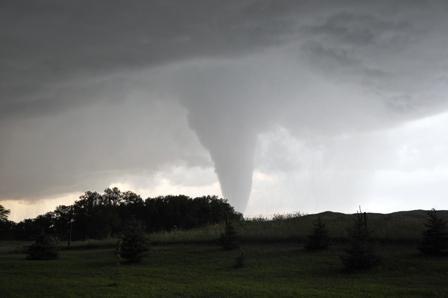
Tornadoes - Defined as a violently rotating column of air pendent from or beneath a cumuliform cloud. In other words, the circulation must be connected to the cloud base as well as the ground. The condensation cloud itself may not be visible. Tornadoes kill approximately 60 individuals each year across the United States. |
|
Photo courtesy Kim Paul |
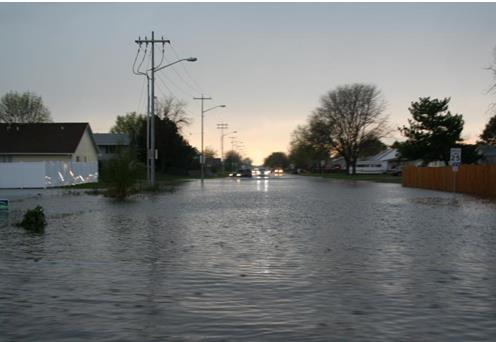
Flash Flooding - Flash flooding is by far the primary killer among severe weather hazards, claiming approximately 140 lives each year. More than half of all flash flood fatalities are vehicle related. Turn Around And Don't Drown!!! |
|
|
Photo courtesy Les Green |
|
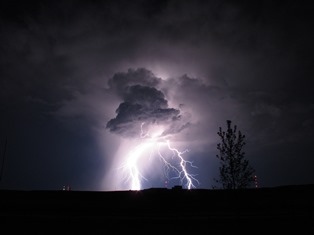
Lightning - When thunder roars go indoors - No place outside is safe! |



 Follow us on X
 Follow us on Facebook
 Follow us on YouTube
 LBF RSS Feed