A slow moving front will produce a threat for heavy rainfall and severe weather from New Mexico into the western High Plains through the weekend. Heavy rainfall is also expected this weekend in South Florida. The Bering Sea storm continues to bring heavy precipitation, strong winds, and minor to major coastal flooding through the weekend across western Alaska. Read More >

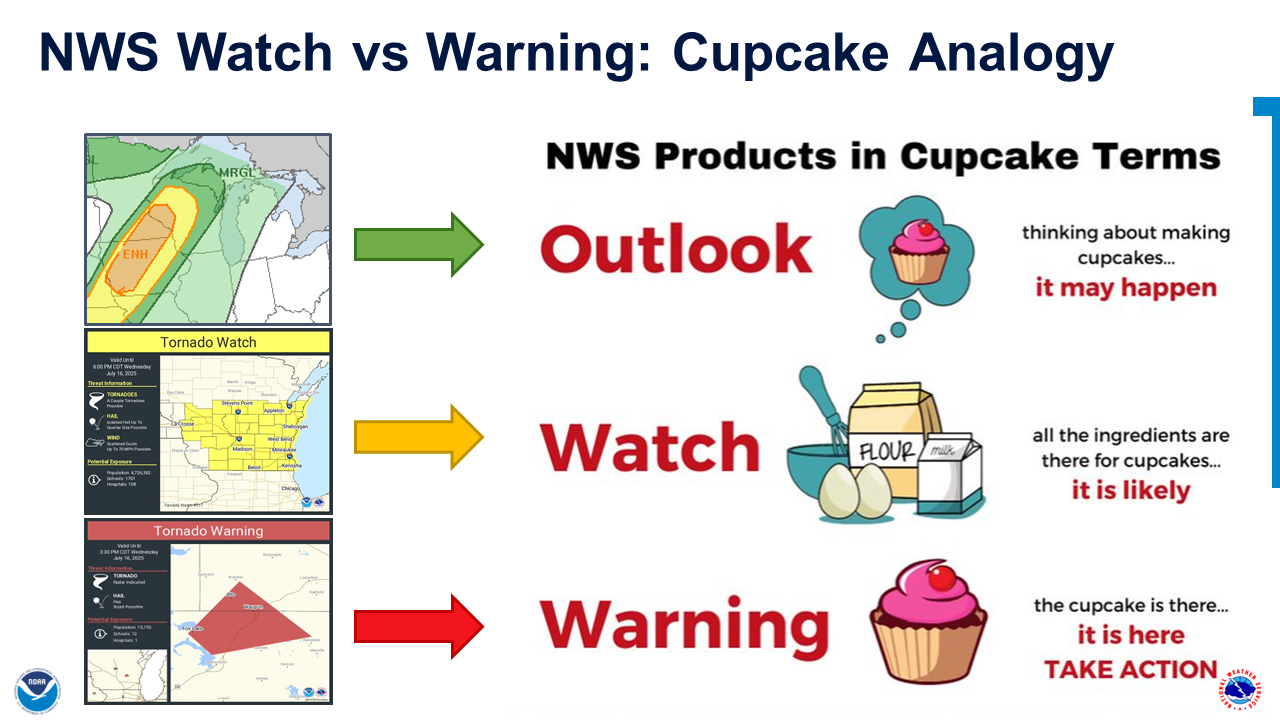
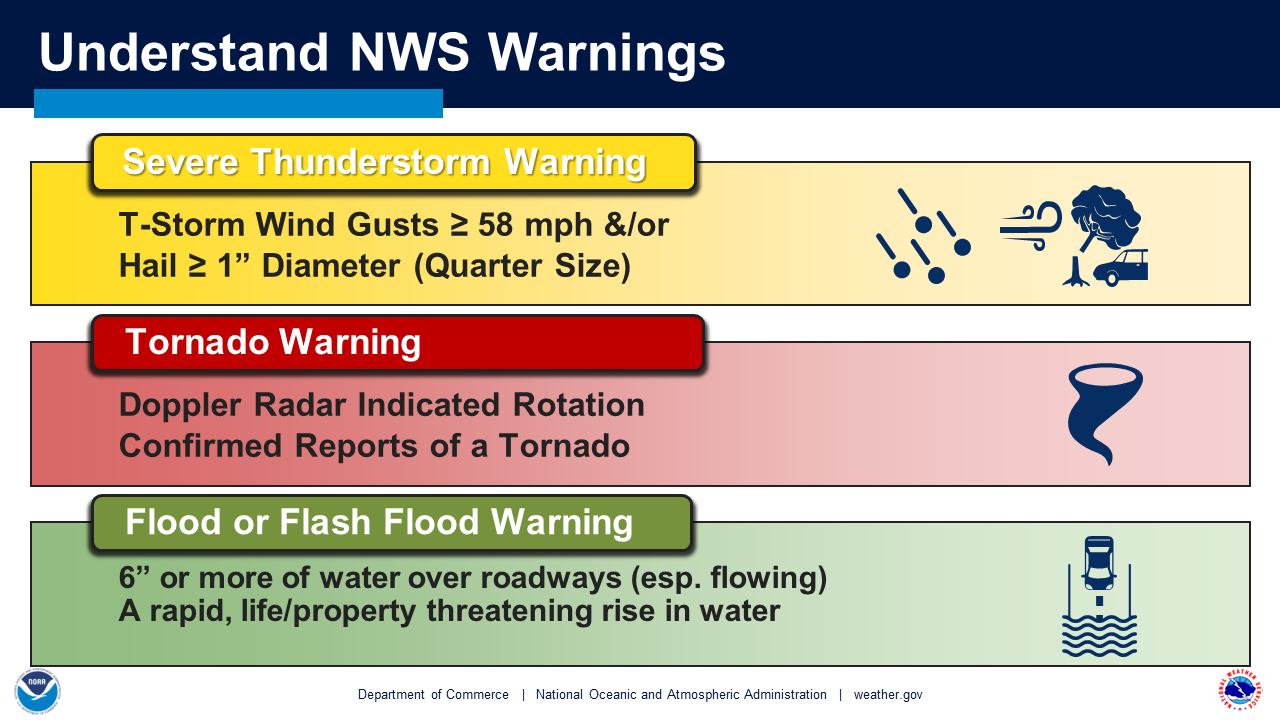
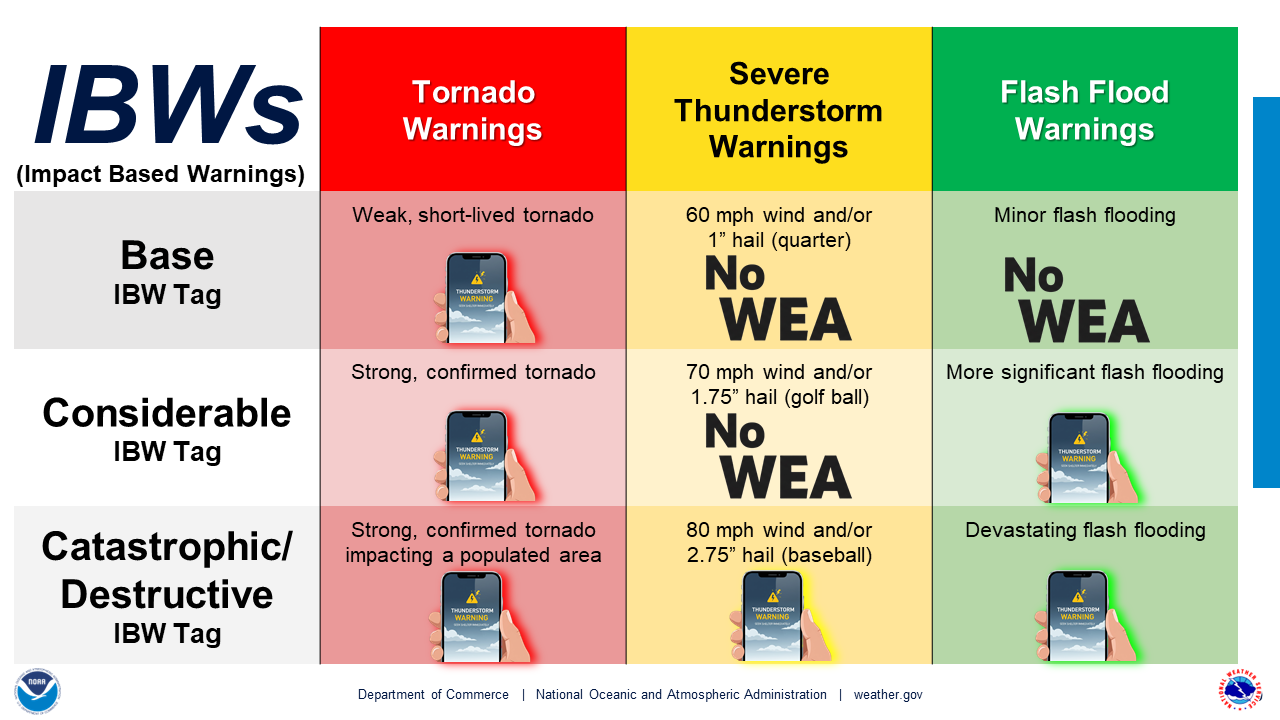
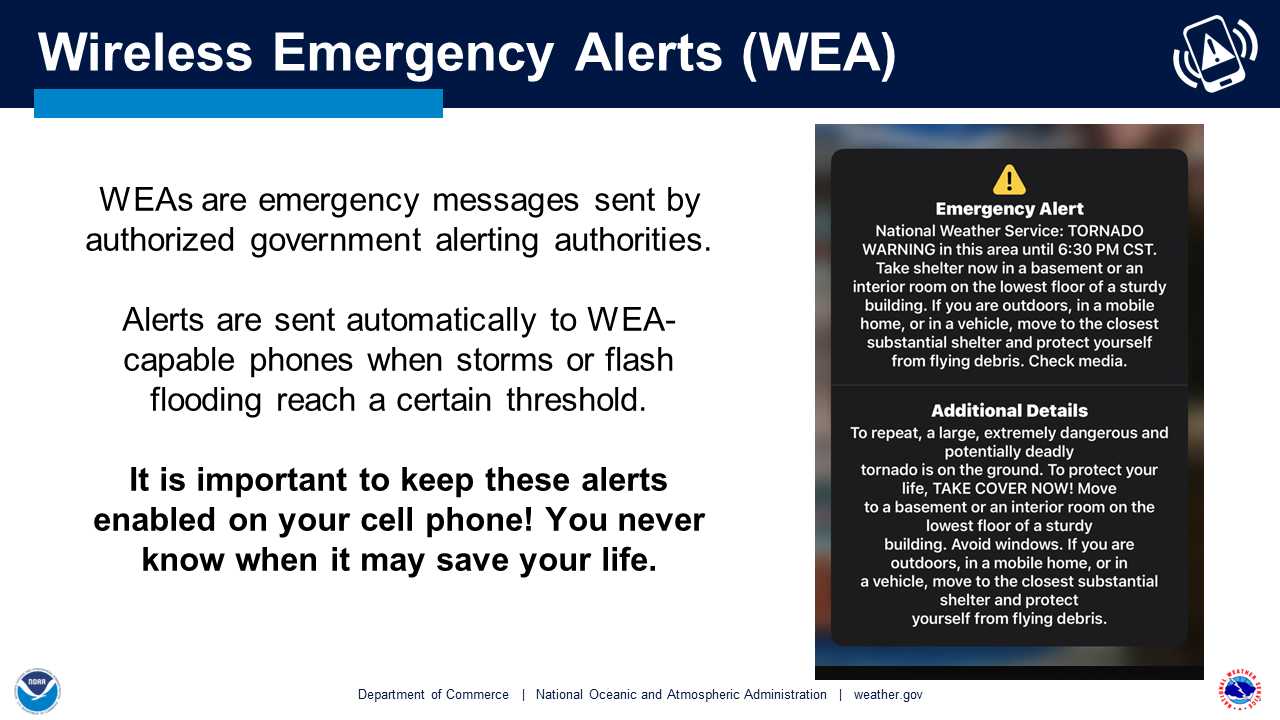
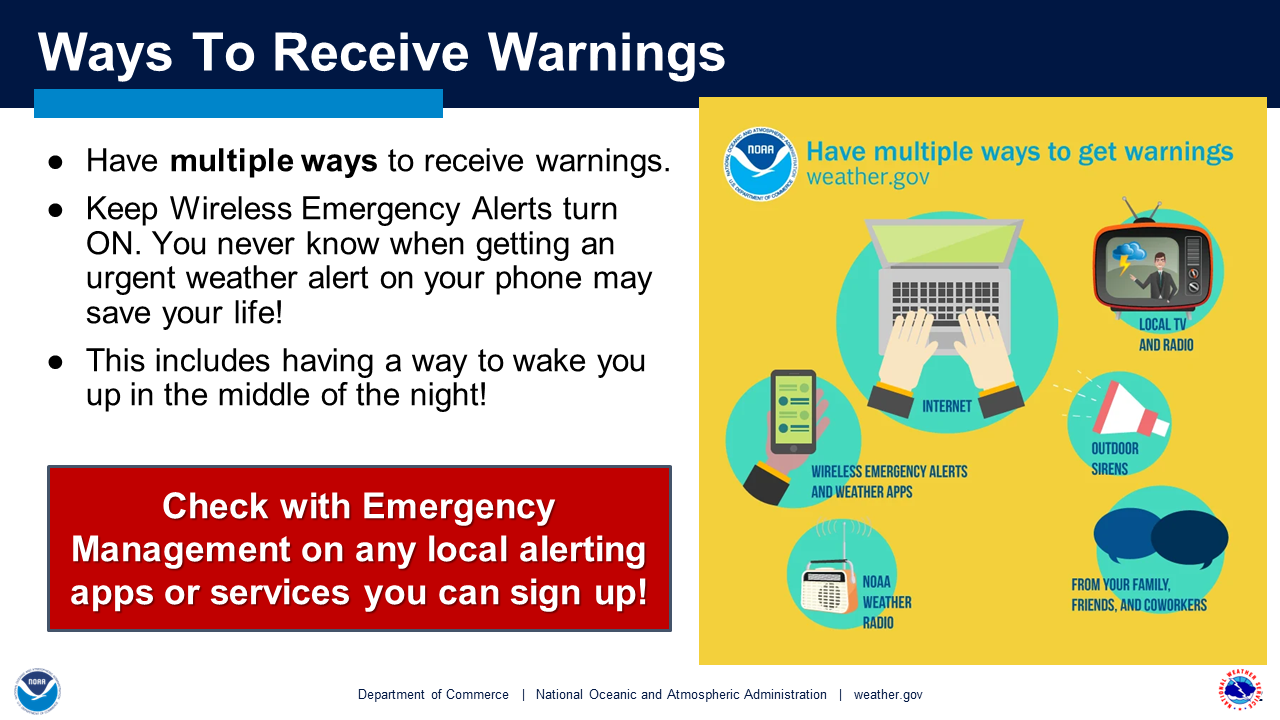
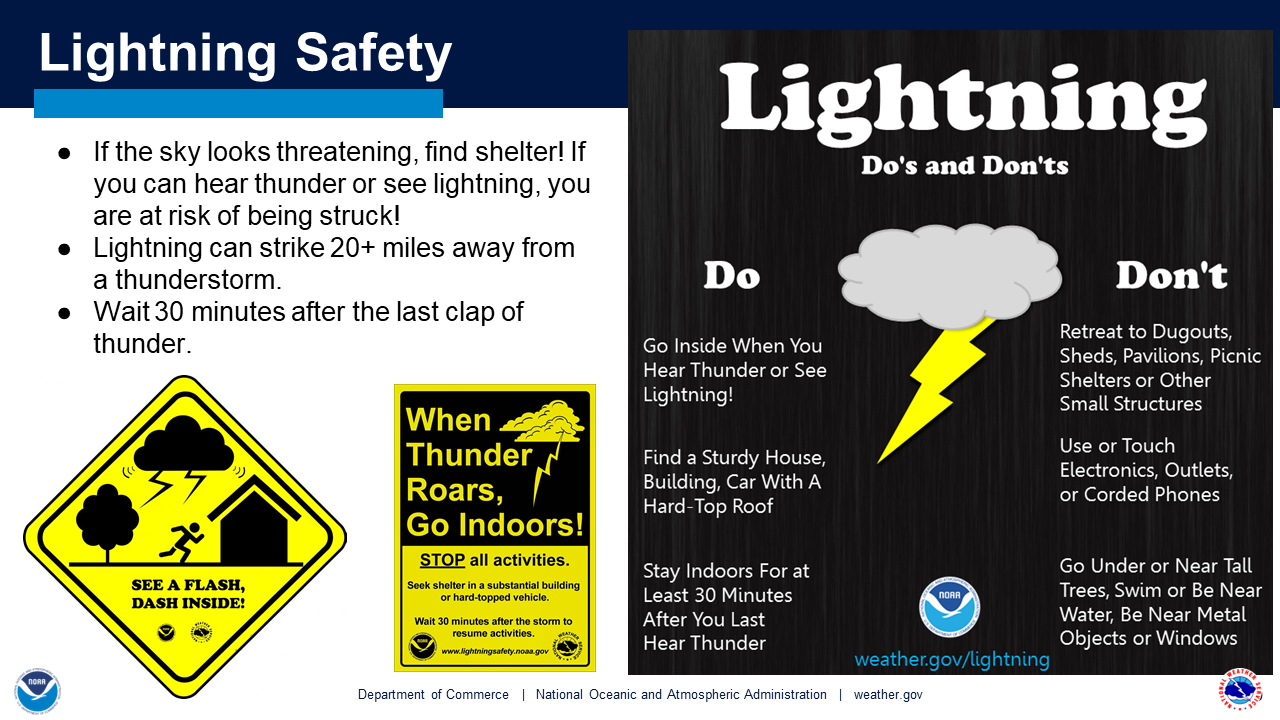

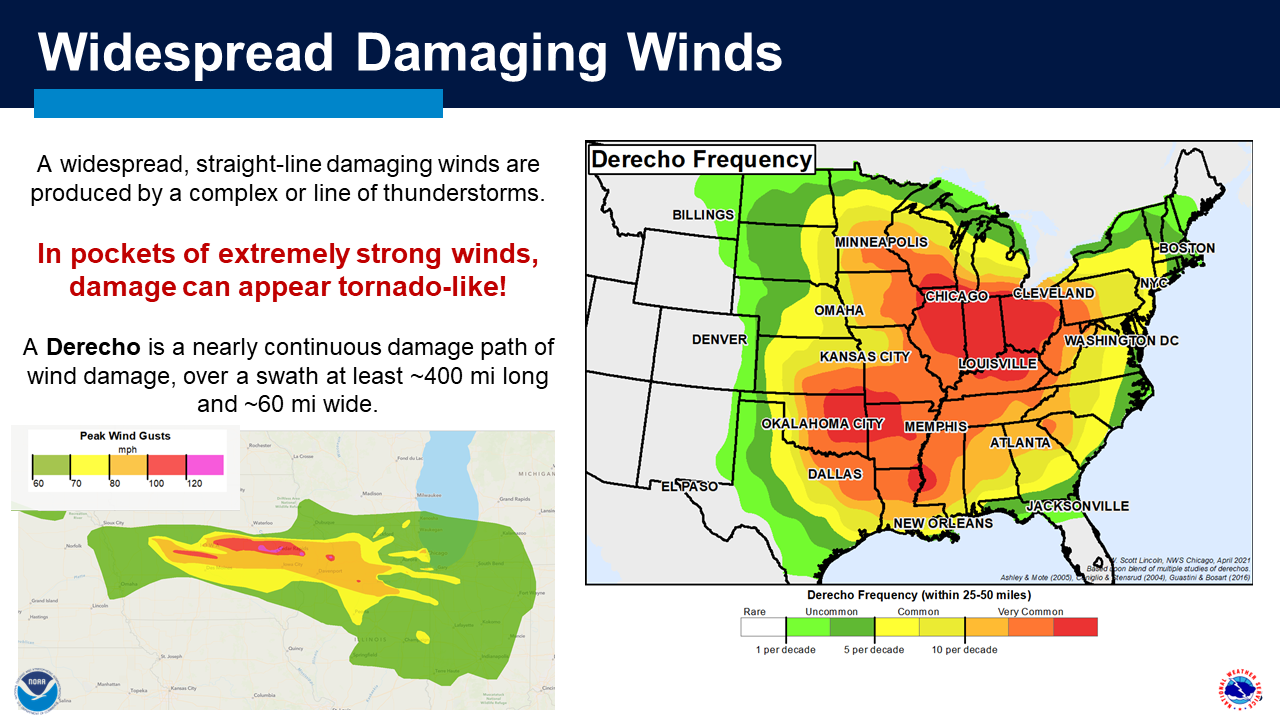
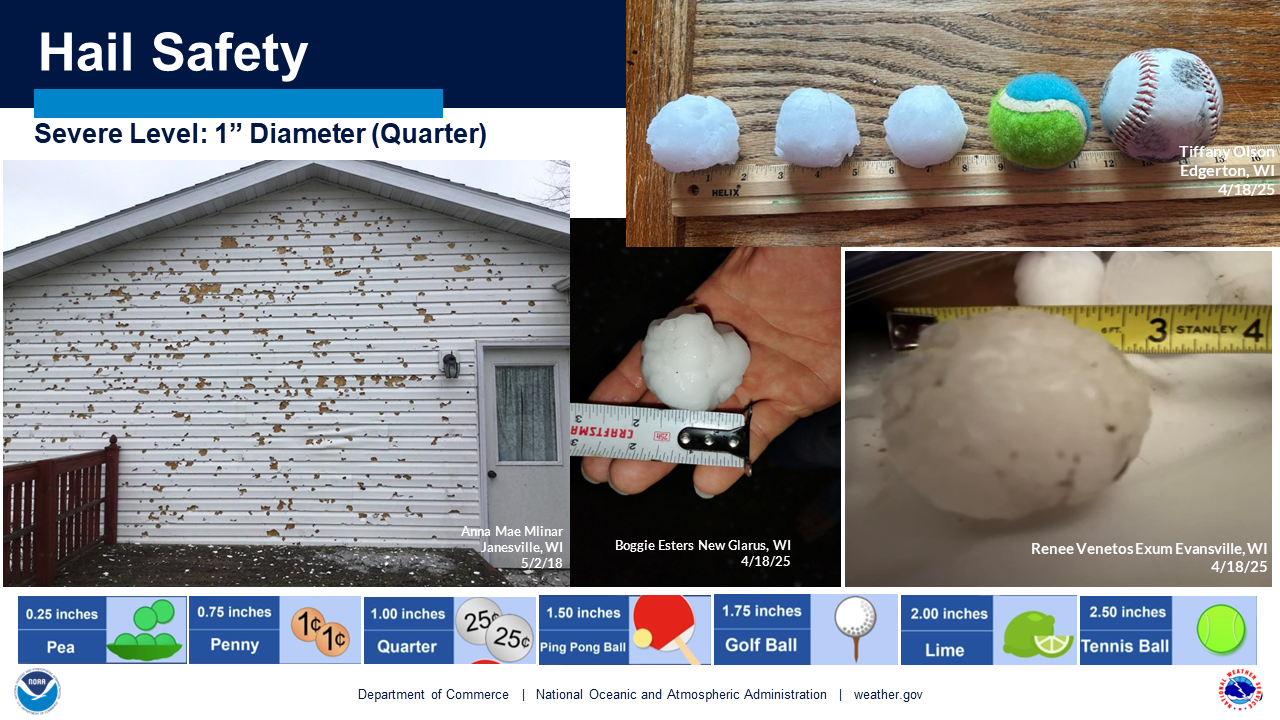
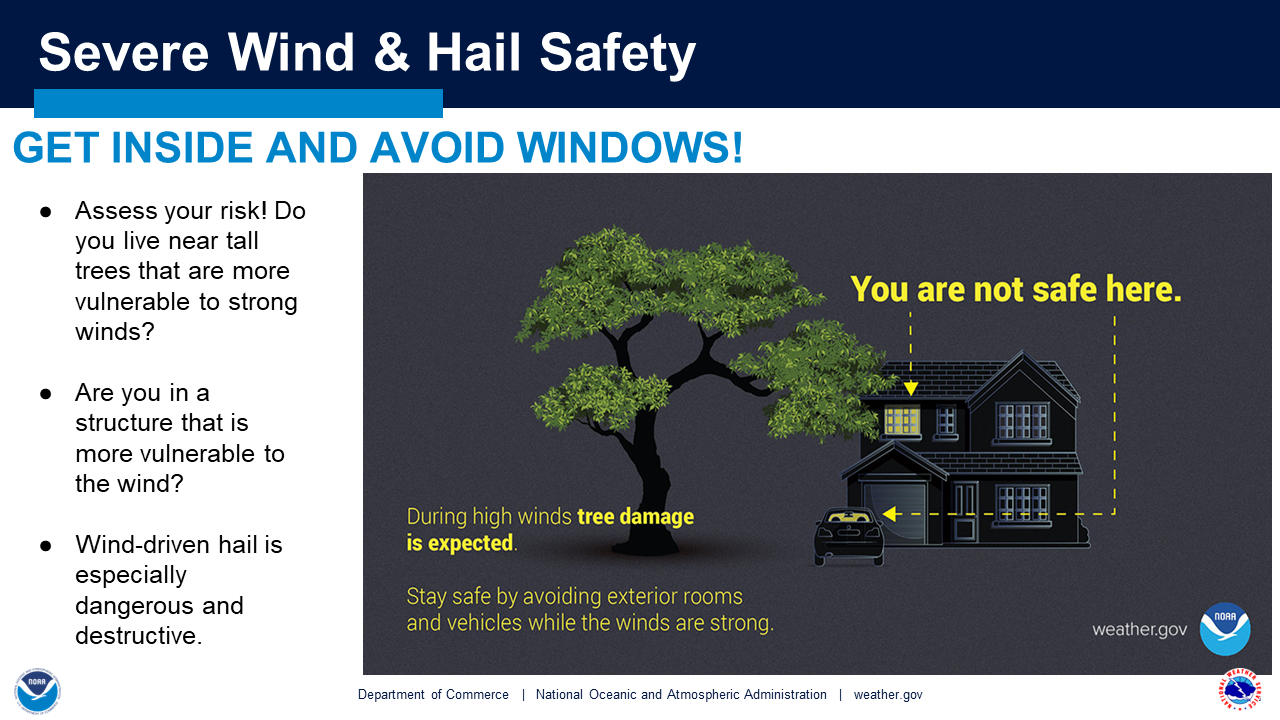
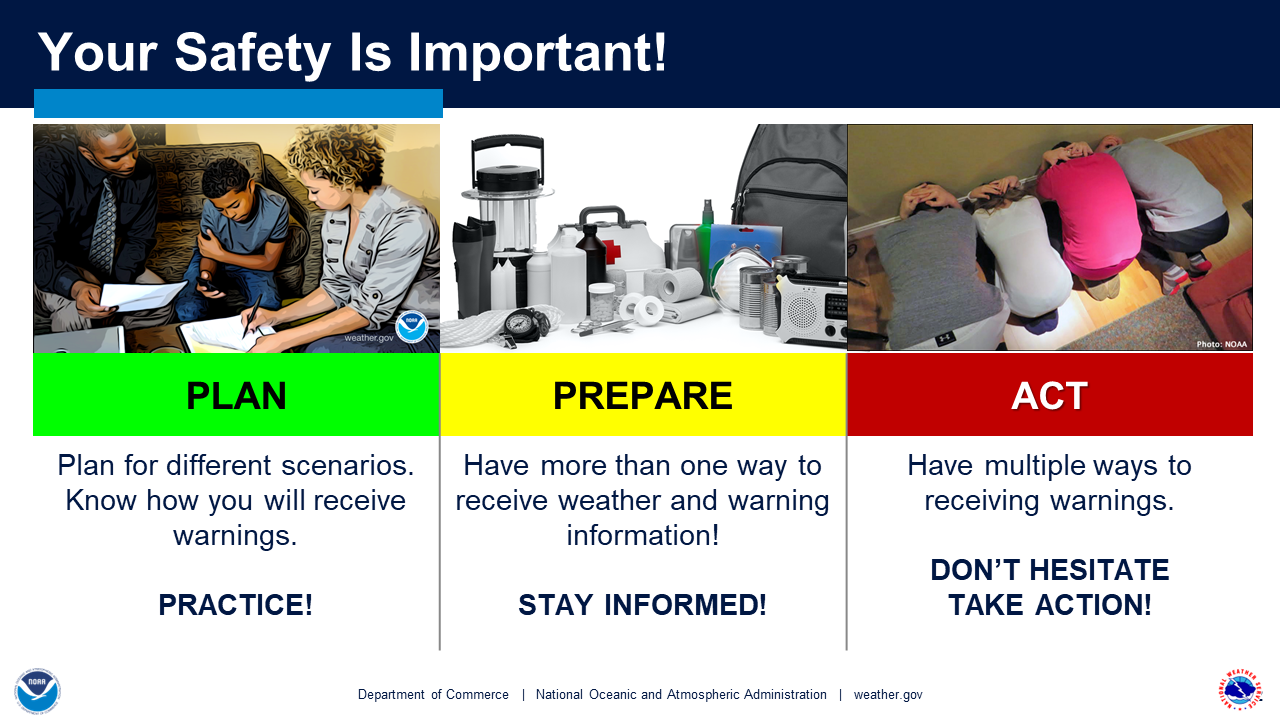
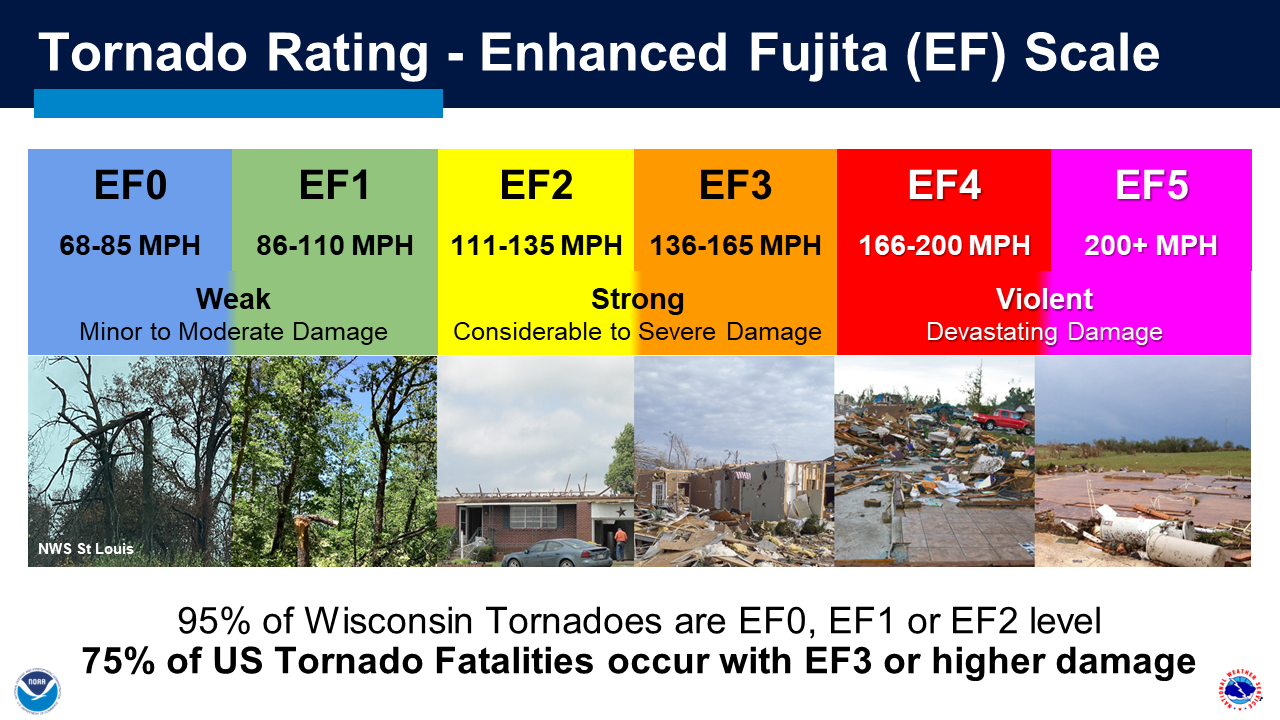


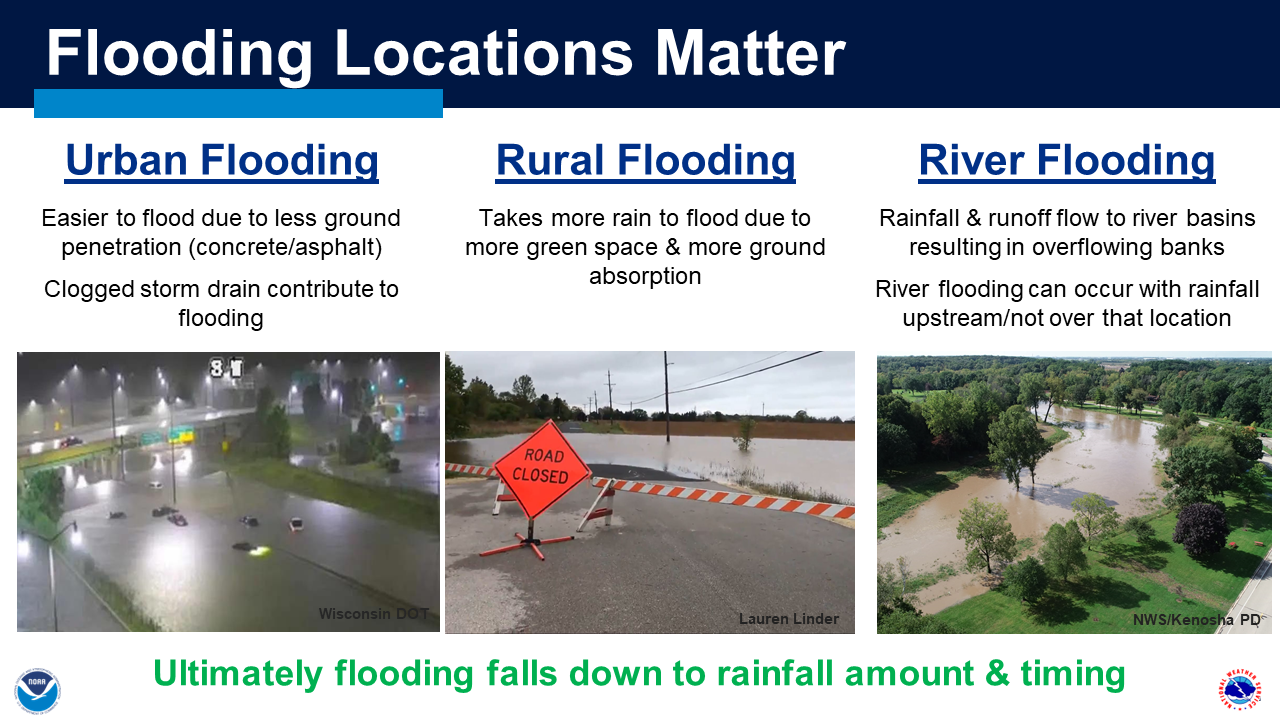
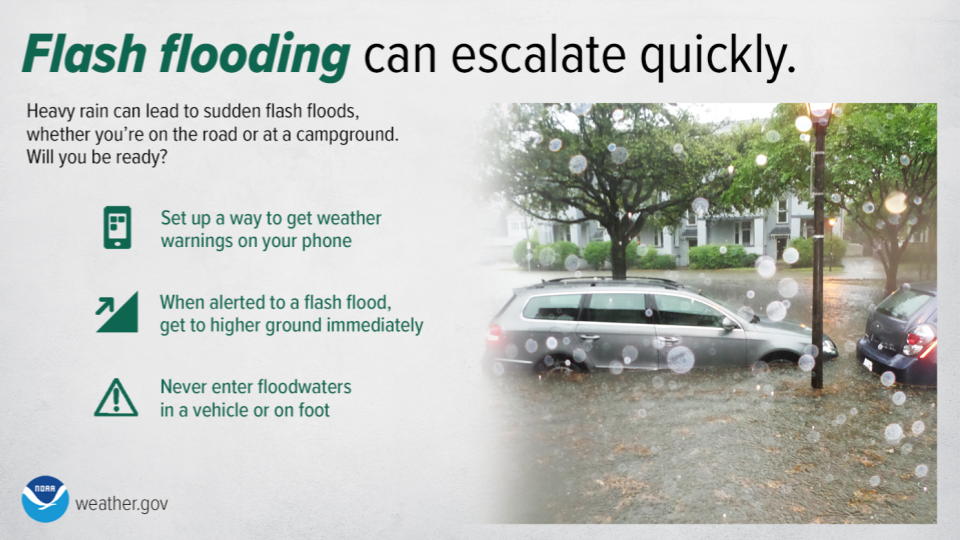

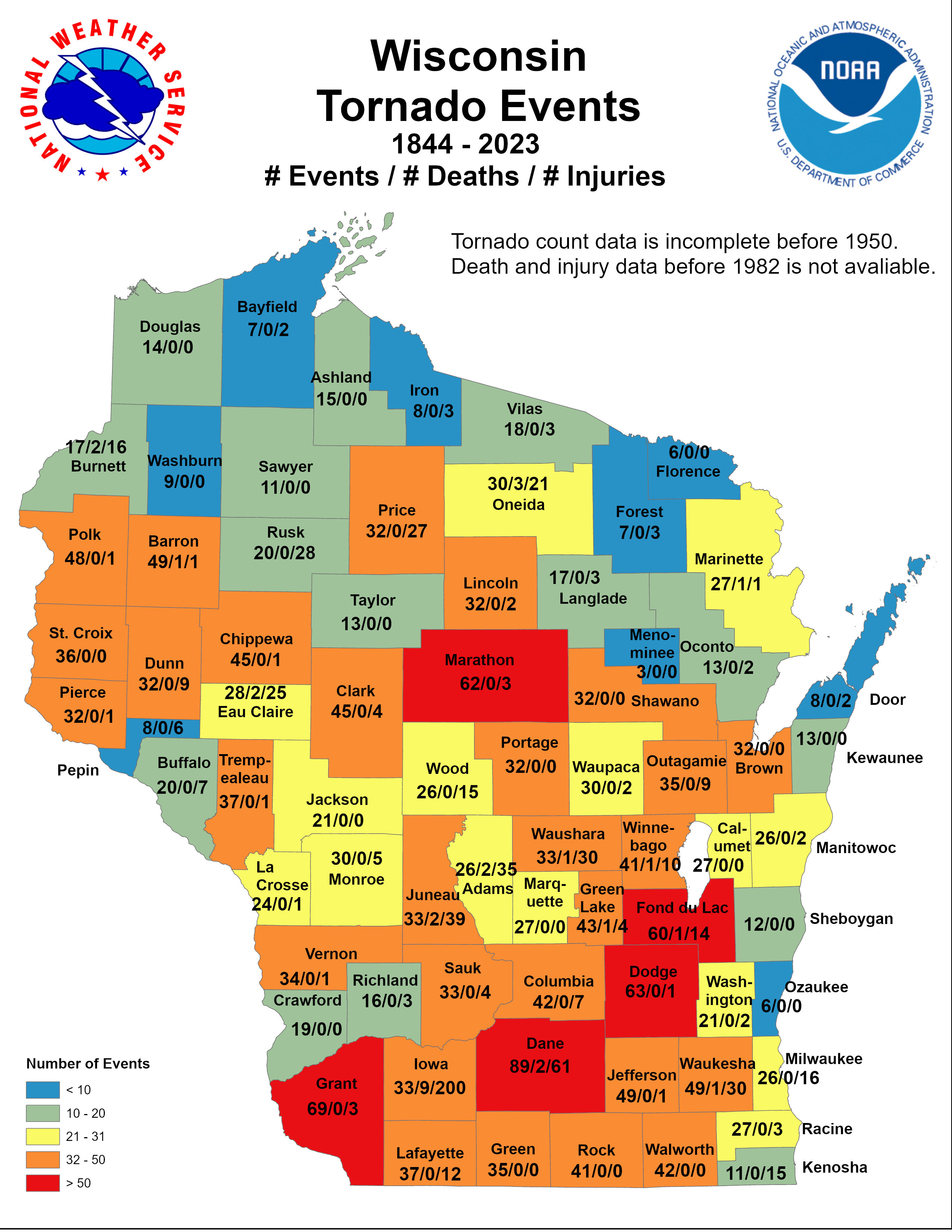
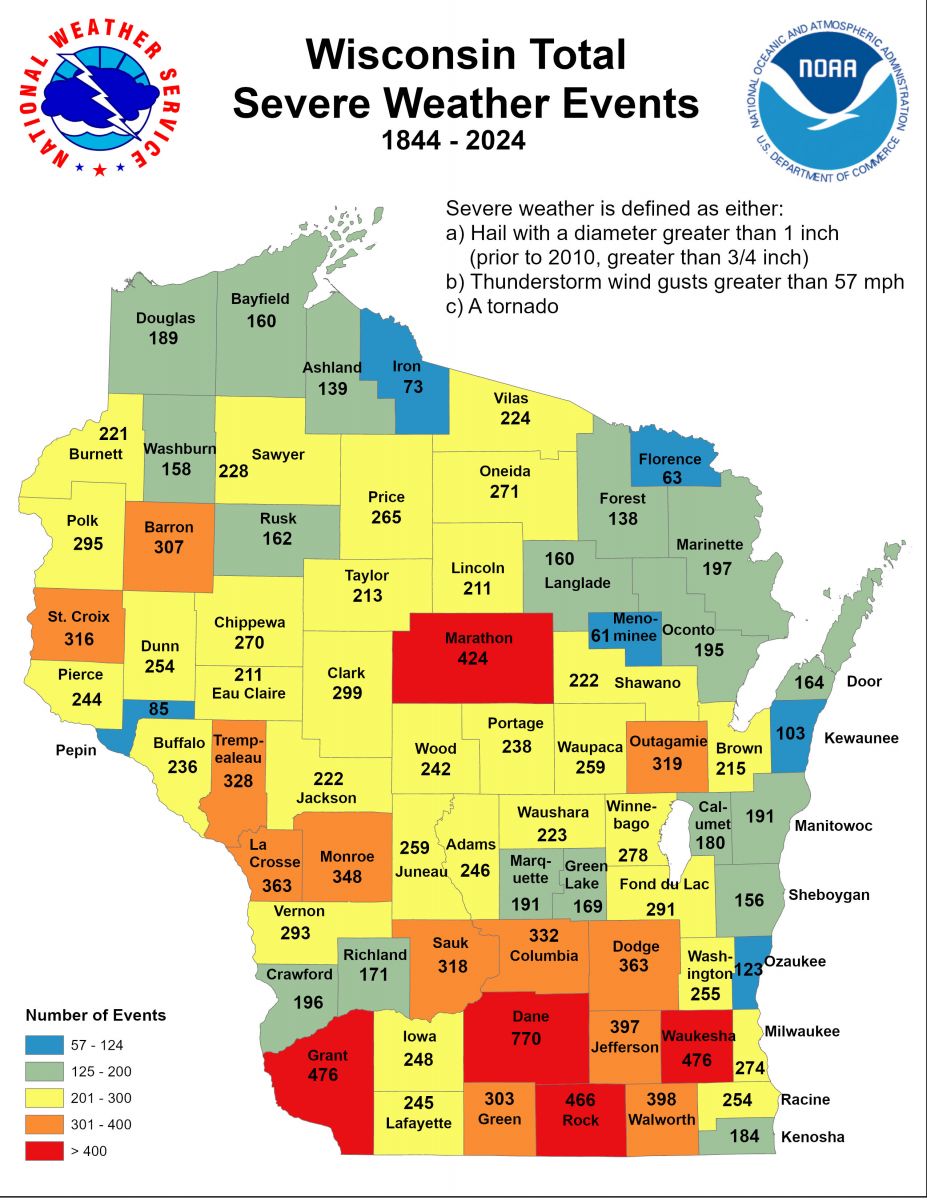
The week of April 13-17, 2026 is Severe Weather Awareness Week in Wisconsin. The Wisconsin Emergency Management team and the five National Weather Service Forecast Offices that service Wisconsin are asking that everyone take time to go over their safety plans so that they will be ready when severe weather strikes.
Wisconsin averages 23 tornadoes per year, with most tornadoes occurring in the 3 to 9pm time-frame, particularly between 6 to 7pm. The peak tornado months in Wisconsin is May through August, with June having the highest number of documented tornadoes. A record-setting 62 tornadoes occurred in 2005, followed by 46 in 2010. In 2025, Wisconsin had 39 tornadoes, including 2 EF-Unknowns, 20 EF-0s, 13 EF-1s and 4 EF-2s. The "average" Wisconsin tornado has a 7 to 8 minute duration, a path length of about 4 to 5 miles, and a damage width of about 120 yards.
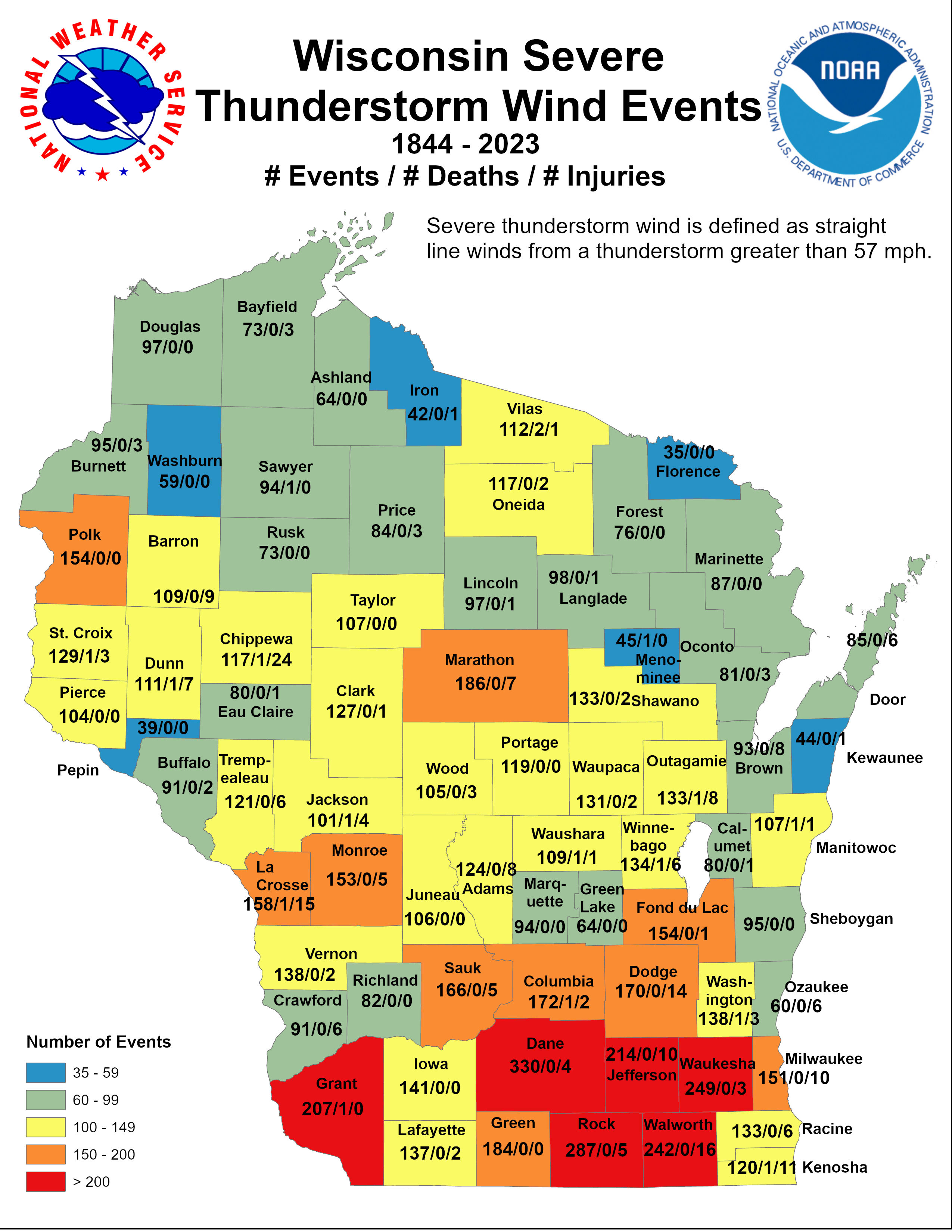
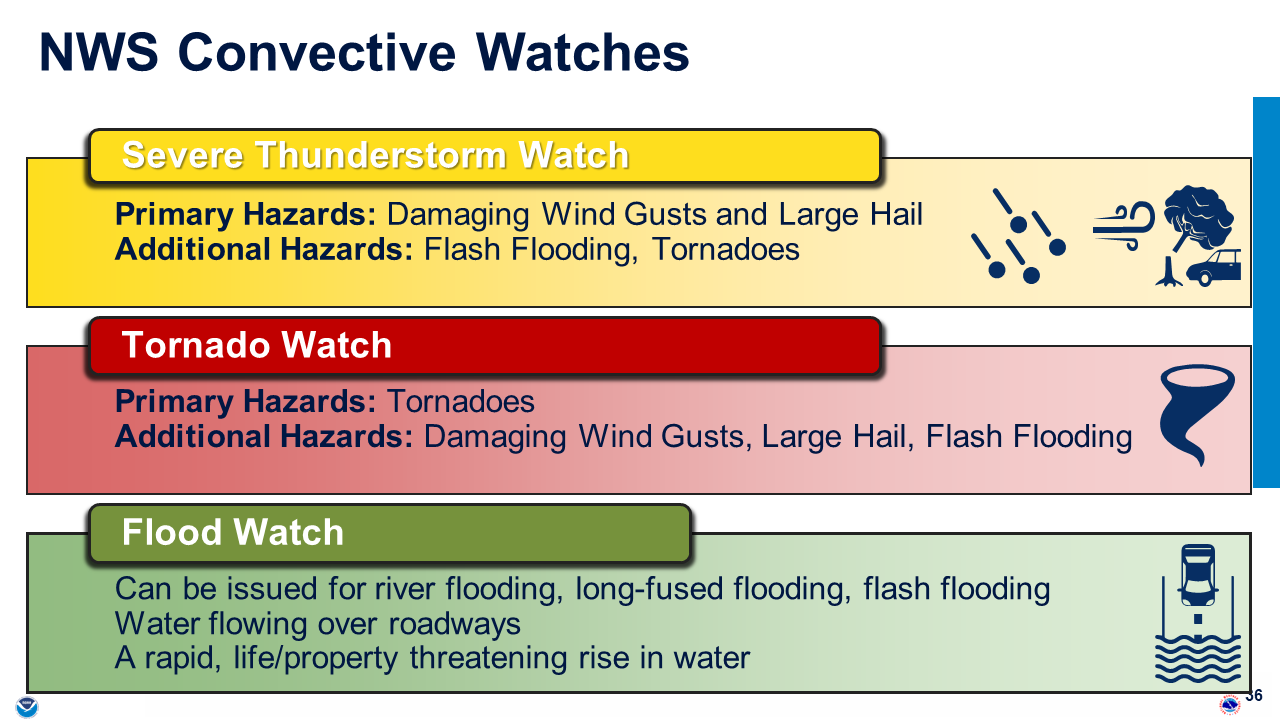
Another hazard of the warm-season is powerful, straight-line thunderstorm winds that can peak at 75 to 150 mph. Every year Wisconsin will get a few storms that generate hurricane-force winds of at least 75 to 100 mph. Severe Thunderstorm Warnings are issued for these wind events, rather than Tornado Warnings. The bottom line is - if you don’t feel safe, head for a sturdy shelter, go the lowest level of the building, and get away from windows and exterior walls.
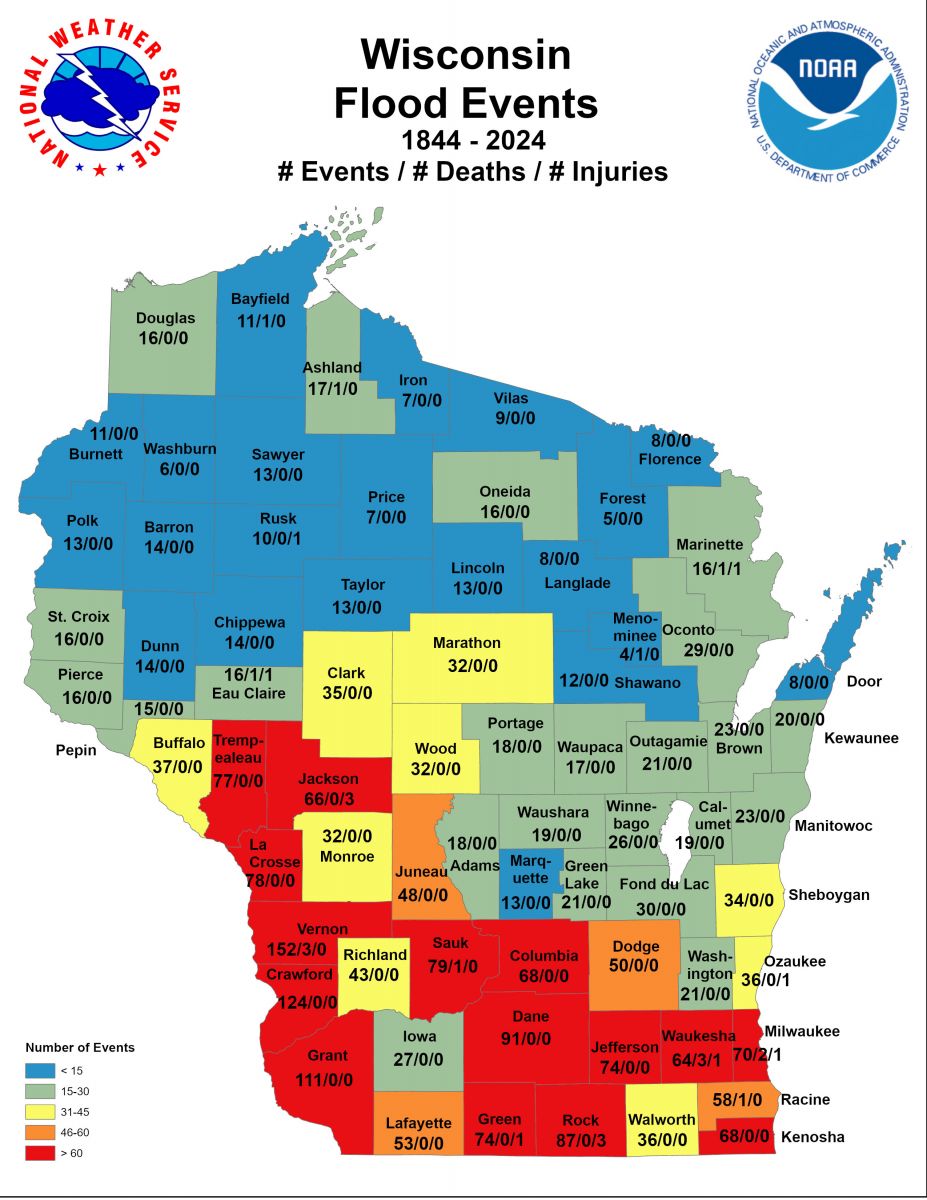
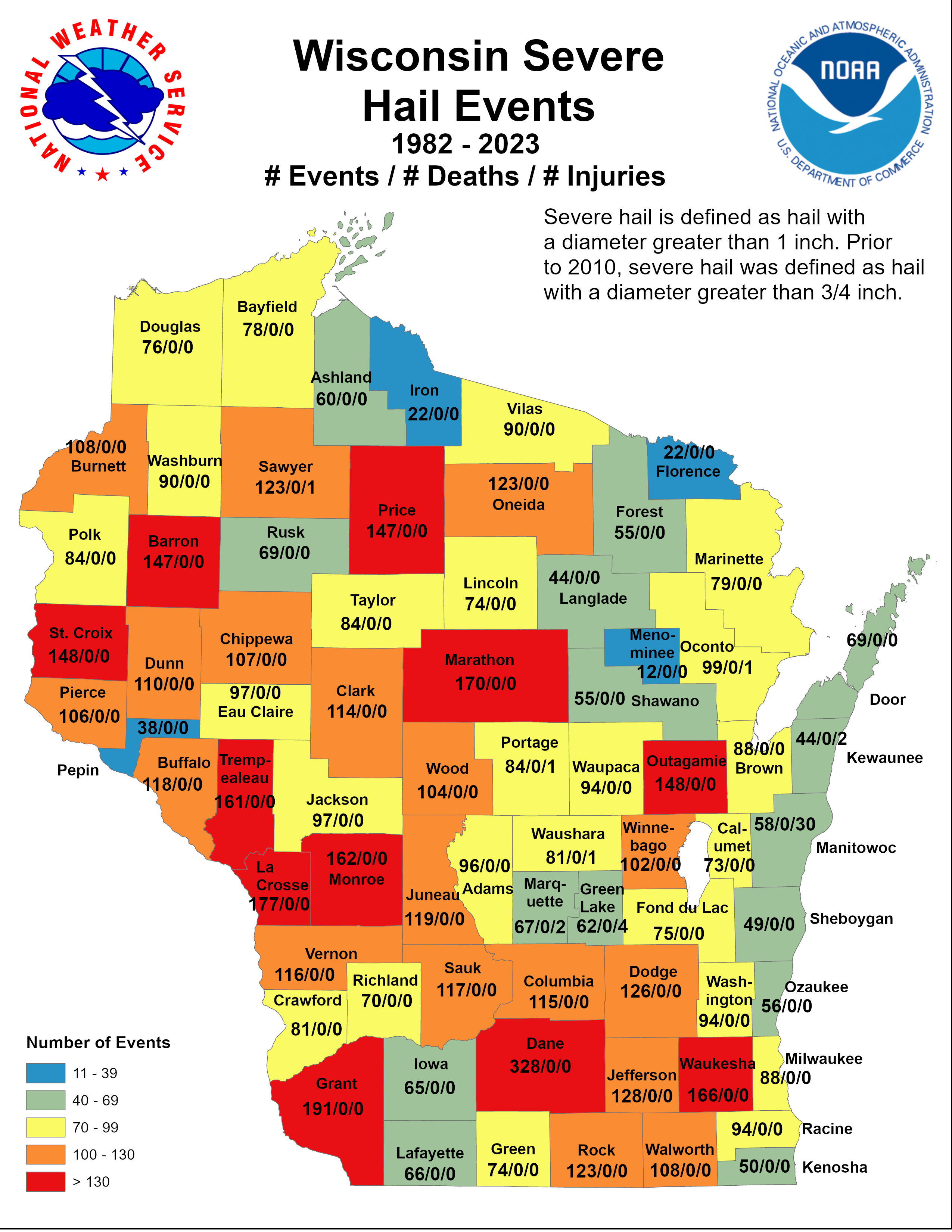
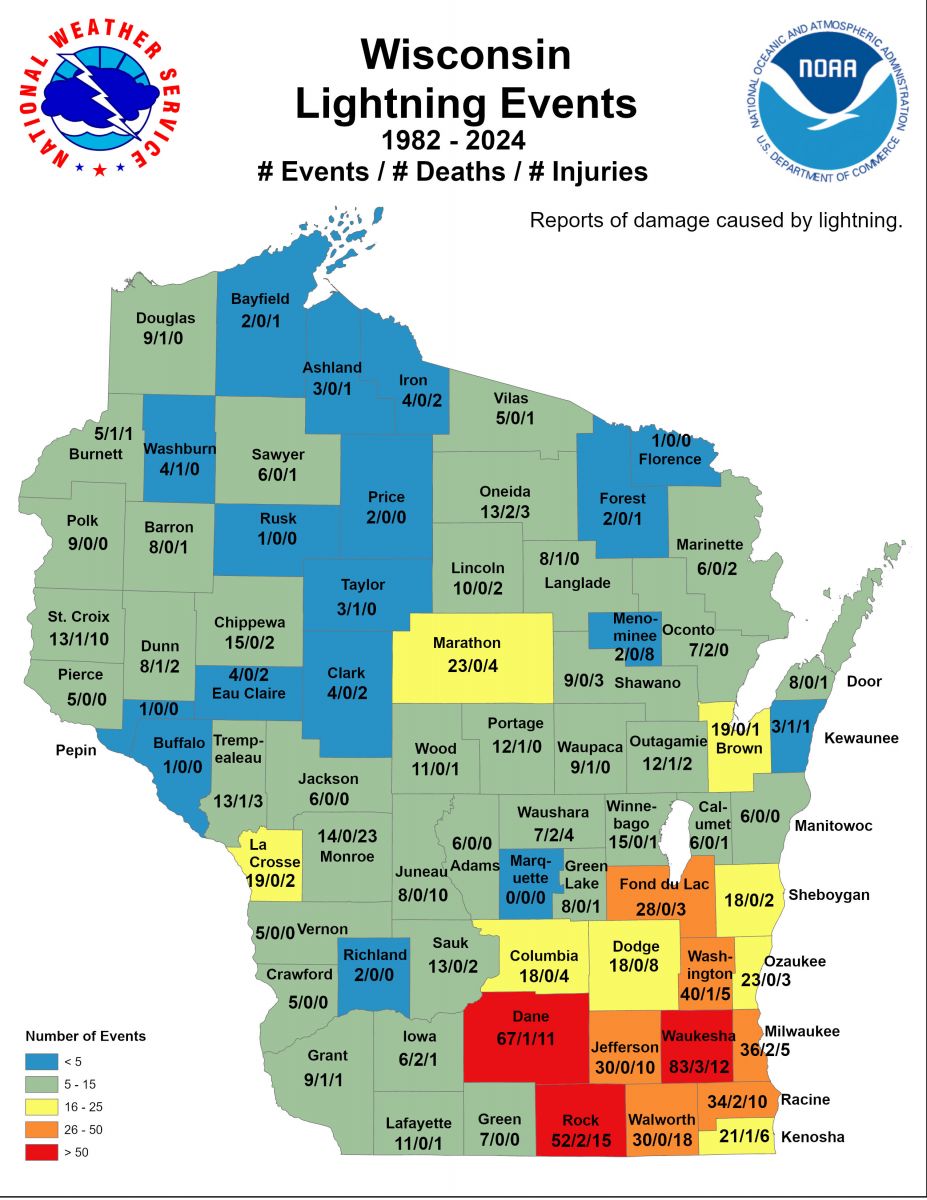
Other warm-season hazards include large hail stones that can result in damage in the millions of dollars, localized flash floods or widespread river and lowland flooding, lightning, and excessive heat.
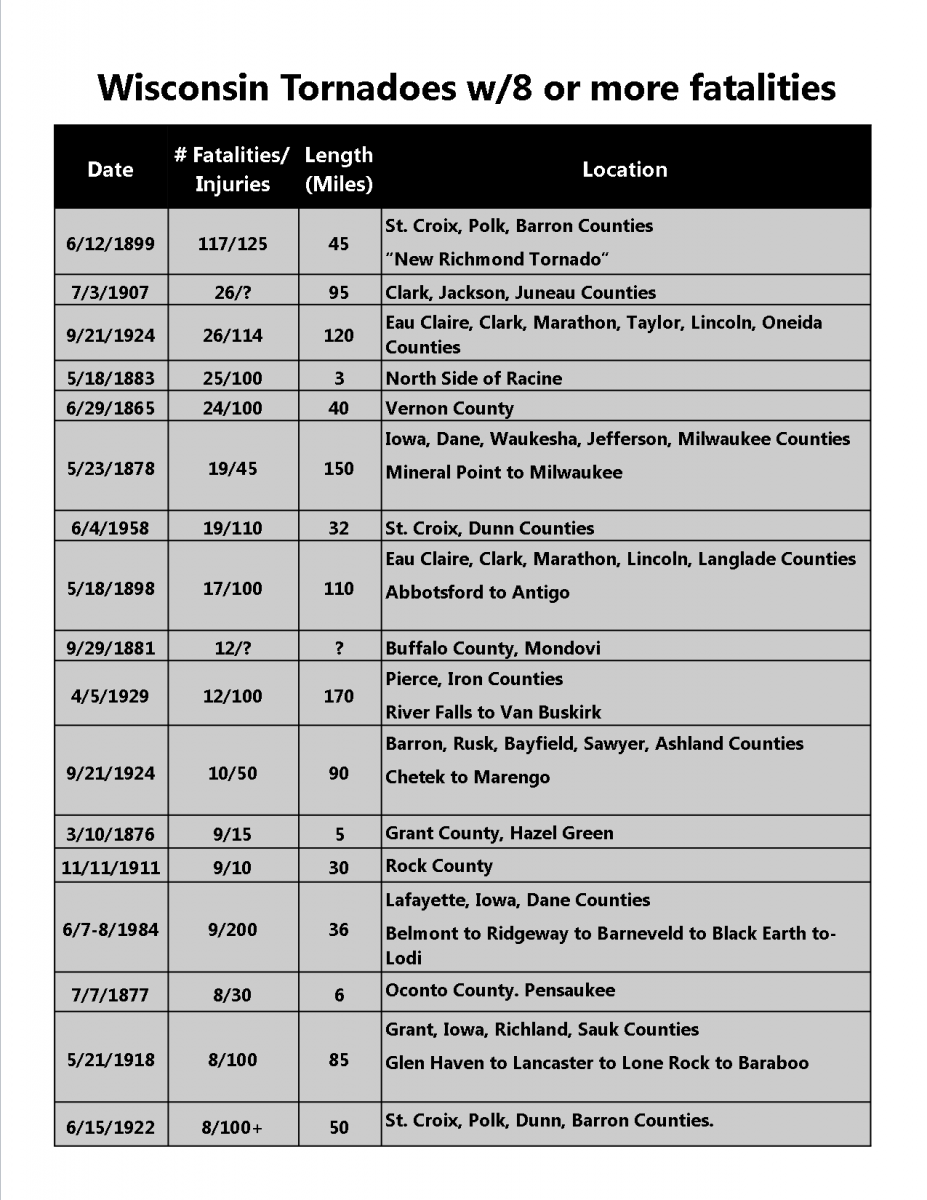
Here is a listing of tornadoes that have caused 8 or more fatalities in Wisconsin:
Wisconsin Number of Events / Deaths / Injuries by county for:
Spotter Organizations:



 Follow us on X
 Follow us on Facebook
 Follow us on YouTube
 MKX RSS Feed