La Crosse, WI
Weather Forecast Office
Fluffy snows are expected today and tonight, producing accumulations with very little water. Commonly, the percentage of water to snow is called the "snow ratio". An old rule of thumb was that for every 10 inches of snow, there would be 1 inch of water (10:1). However, this is far from the norm, and recent studies indicate that a 12:1 ratio might be more representative (on average) for the Upper Midwest. This said, there are so many variables that can affect the ratio of liquid water to snow that using a rule of thumb is usually off the mark. In fact, the snow ratios can change dramatically within a snow event itself. Some of the variables that come into play include...
Additional Information
Storm Summaries
Cooperative Observers
Educational Resources
Science / Research
Weather Phenomenon
Mayfly Tracking
Latest
Temp/Pcpn Summary
Precipitation Reports
Forecast Discussion
Hazardous Weather Outlook
Hourly Weather
Public Information Statement
Local Storm Report
Lightning Plot Archive
River Stages
Water Temp
Observations
Precipitation Plotter
Soil Temps

US Dept of Commerce
National Oceanic and Atmospheric Administration
National Weather Service
La Crosse, WI
711 County Road FA
La Crosse, WI 54601
608-784-7294
Comments? Questions? Please Contact Us.


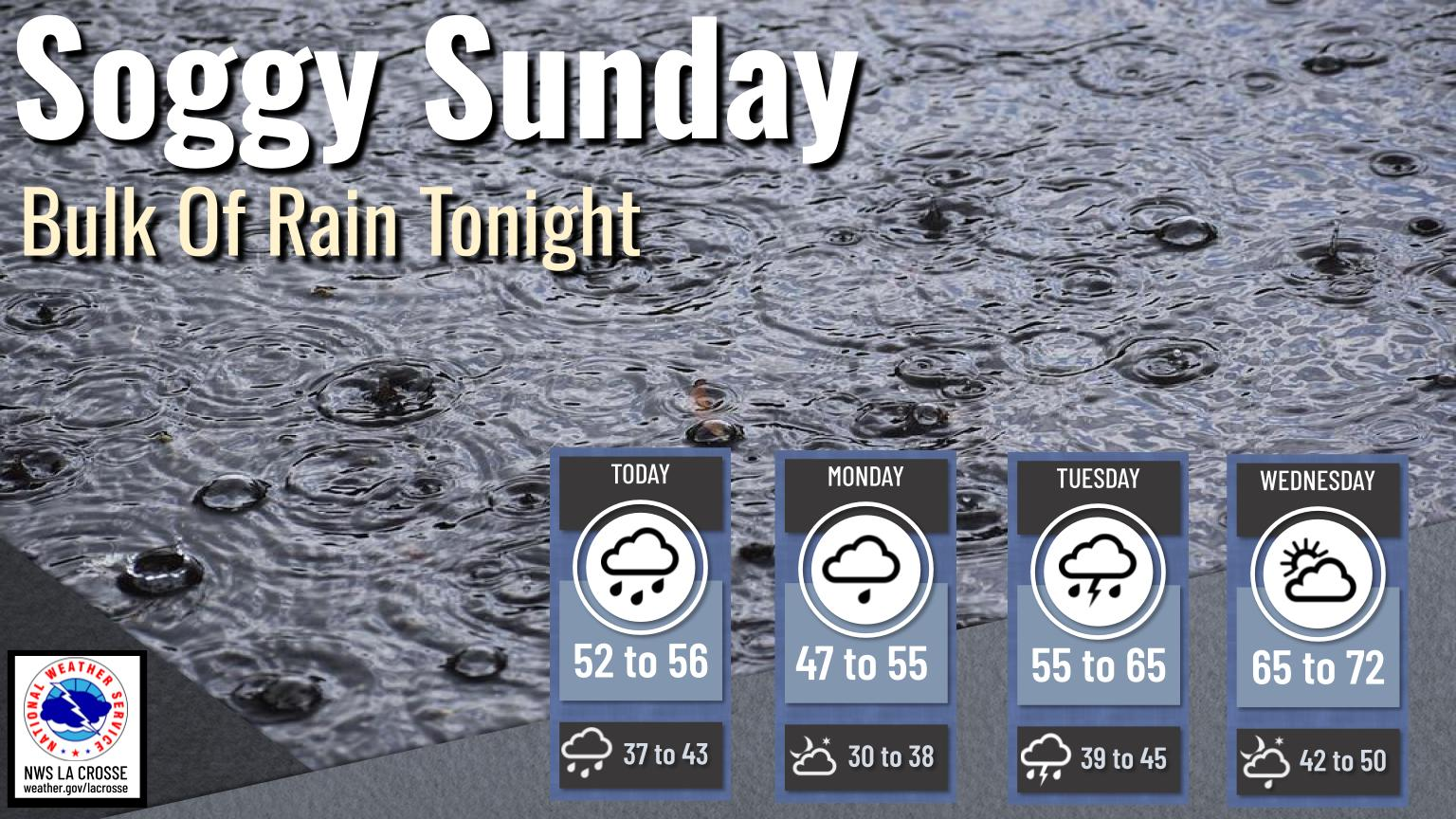 Weather Story
 Weather Map
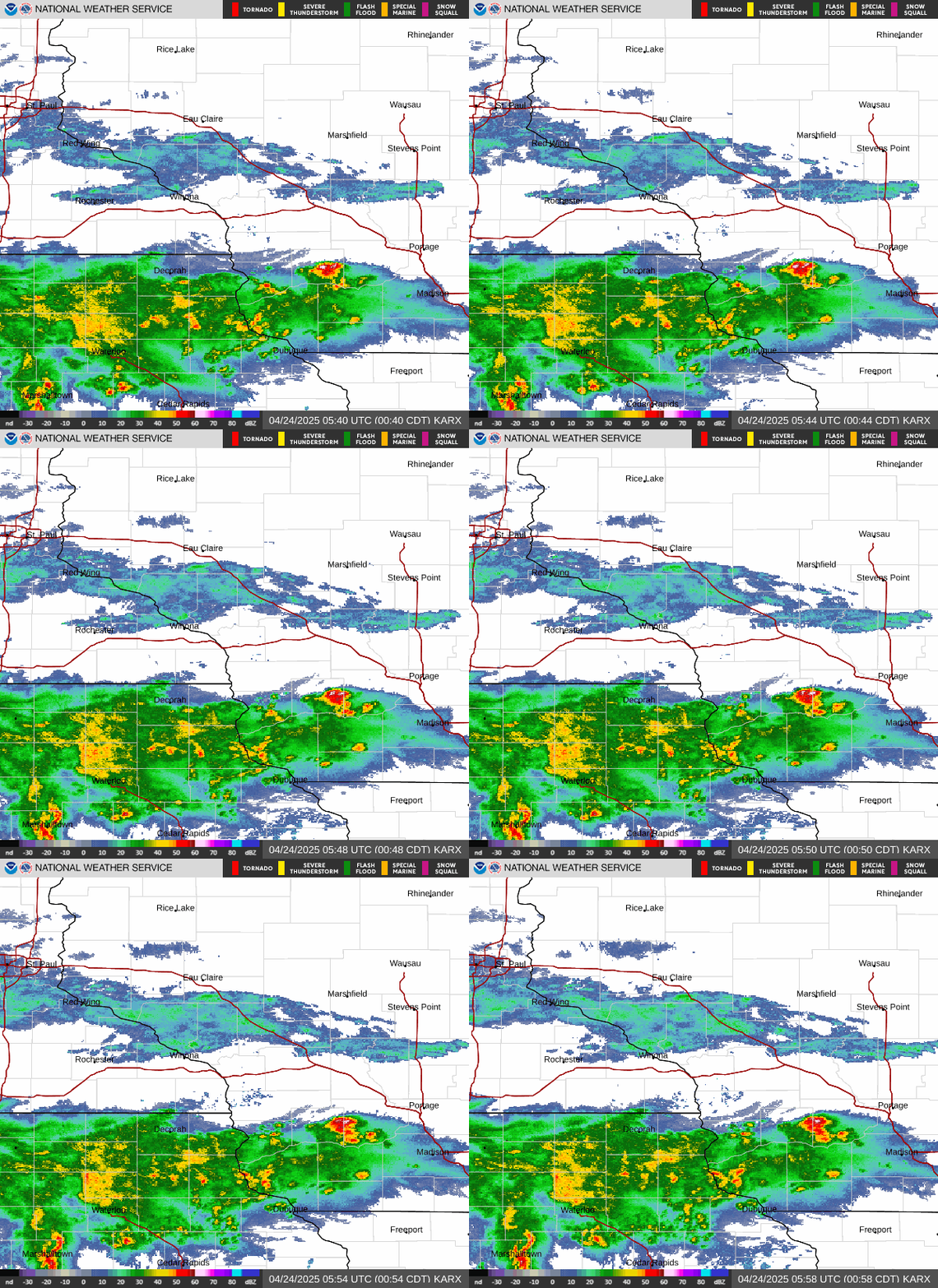 Local Radar
 Follow us on X
 Follow us on Facebook
 Follow us on YouTube
 ARX RSS Feed