The NWS is seeking user feedback on experimental Wet Bulb Globe Temperature (WBGT) grids in the National Digital Forecast Database (NDFD) through September 30, 2020.
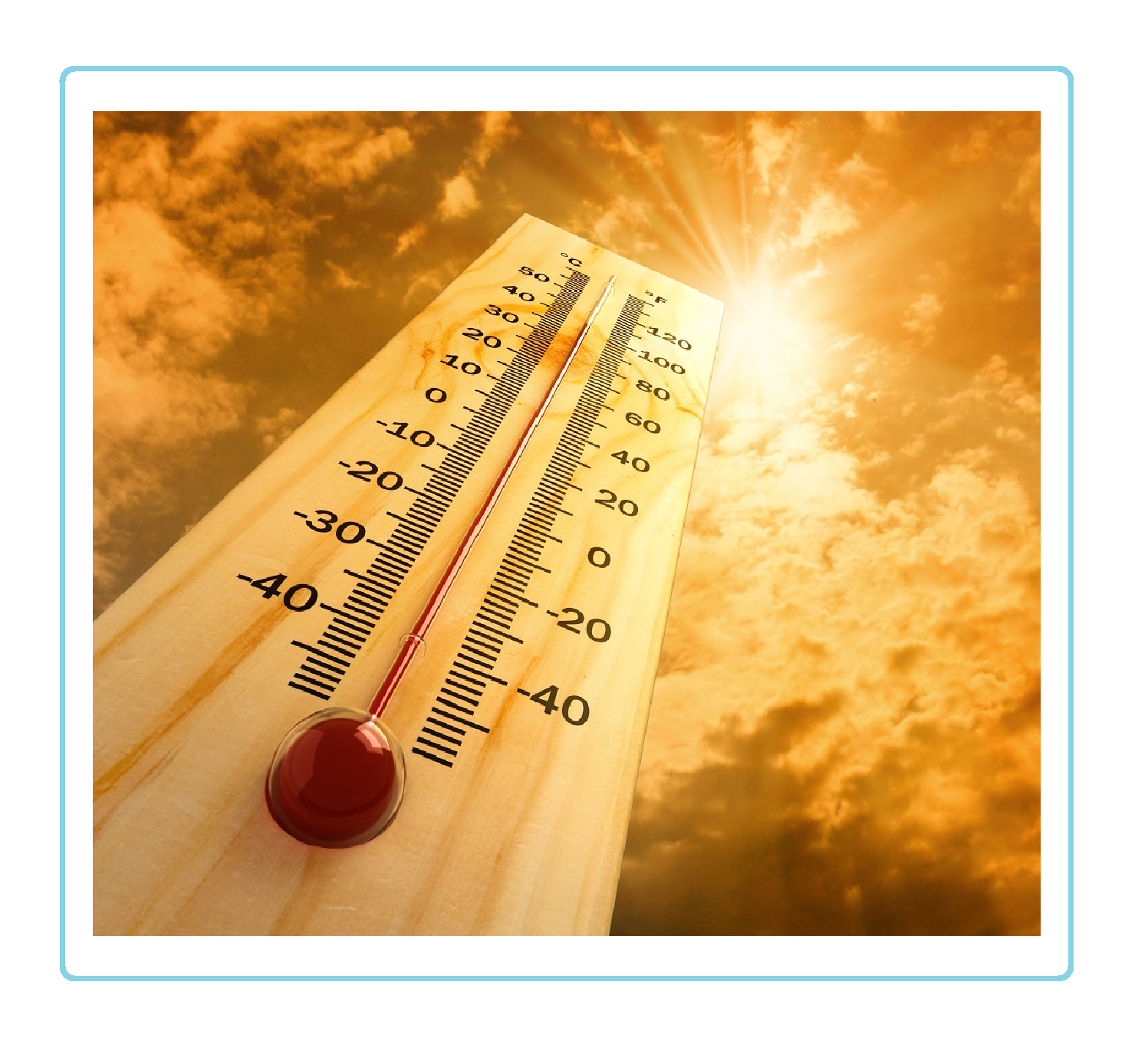
NWS currently uses the Heat Index to convey heat risk during summer heat events. While the heat index is useful for sedentary populations, research has proven that the WBGT is a more effective means of assessing heat risk to persons involved in physical activity. The WBGT is a composite parameter that estimates the effects of temperature, humidity, wind, and solar radiation on humans, while the Heat Index only takes into account temperature and humidity.
Based upon engagement with core partners, particularly emergency management officials, the NWS has identified the need to provide WBGT forecasts because it is becoming an increasingly needed parameter by partners in Impact-based Decision Support Services (IDSS) activities. In particular, WBGT is important for those partners who need a numerical (finite) value, rather than a threat index, to determine necessary modifications to their respective activities in the interest of protecting life.To better meet users' needs, NWS will provide gridded forecasts of WBGT in the NDFD on an experimental basis.
NWS Product Description Document for the experimental WBGT forecasts



 Radar
Radar Current Weather
 Rivers & Lakes
 Satellite
 Forecast Maps
 Hour by Hour Forecast
 Tropical Weather
 Graphical Hazards
 Climate Plots
 Fire Weather
 Heat Safety
 Drought Information
 Weather Hazard Briefing
 Statewide Maps
 Forecaster Discussion
 Text Bulletins
 SKYWARN
 Follow us on X
 Follow us on Facebook
 Follow us on YouTube
 RAH RSS Feed