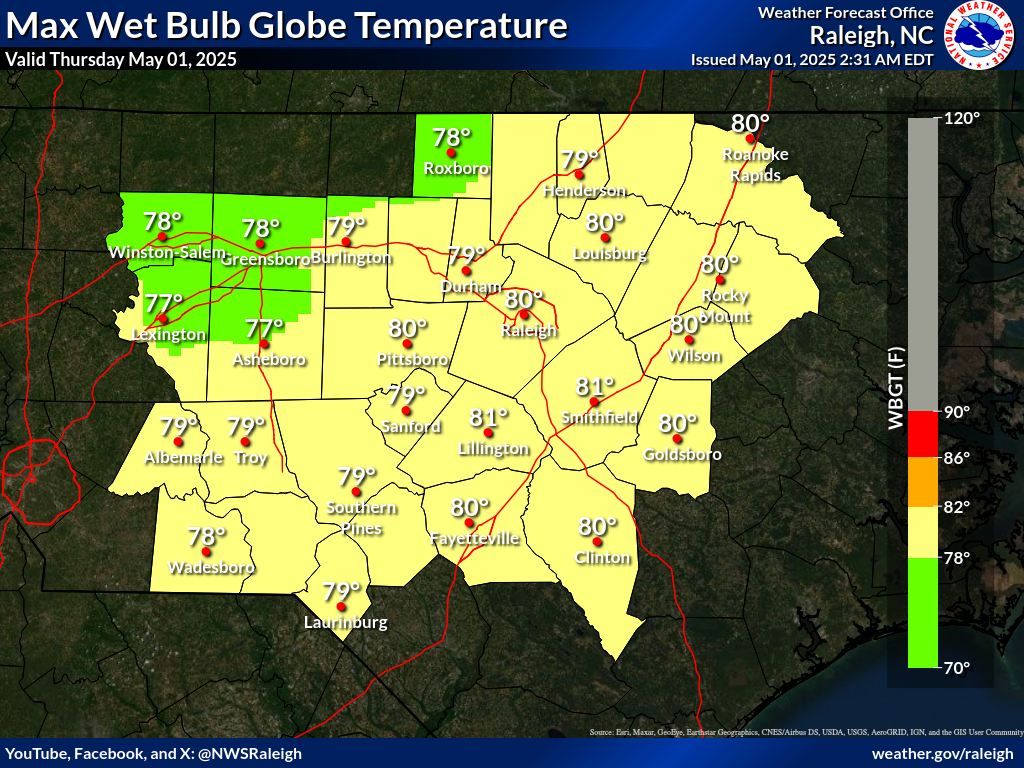
These forecasts are organized from longer term outlooks, at the top, to near term forecasts at the bottom.
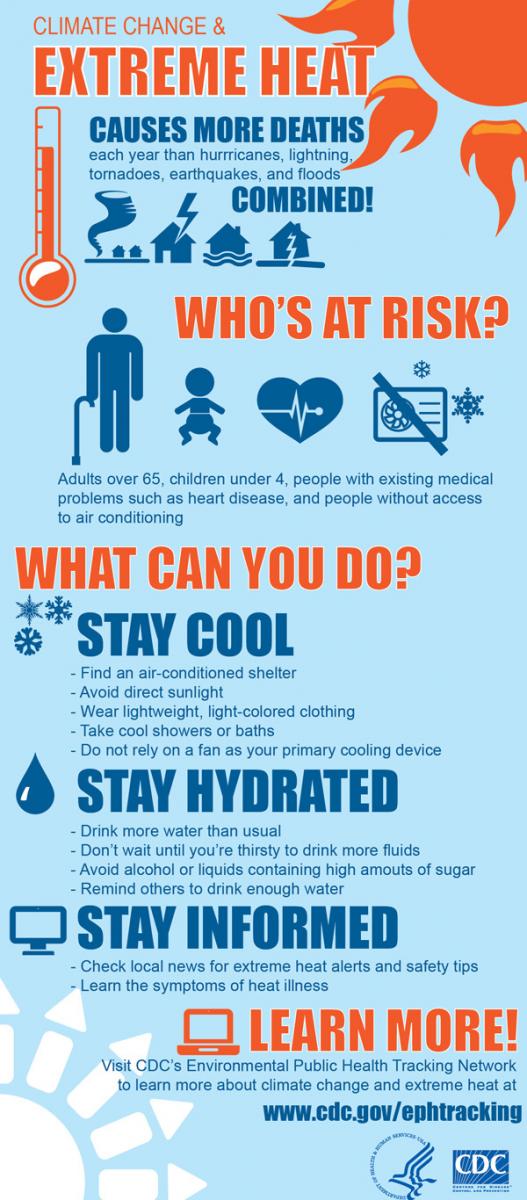
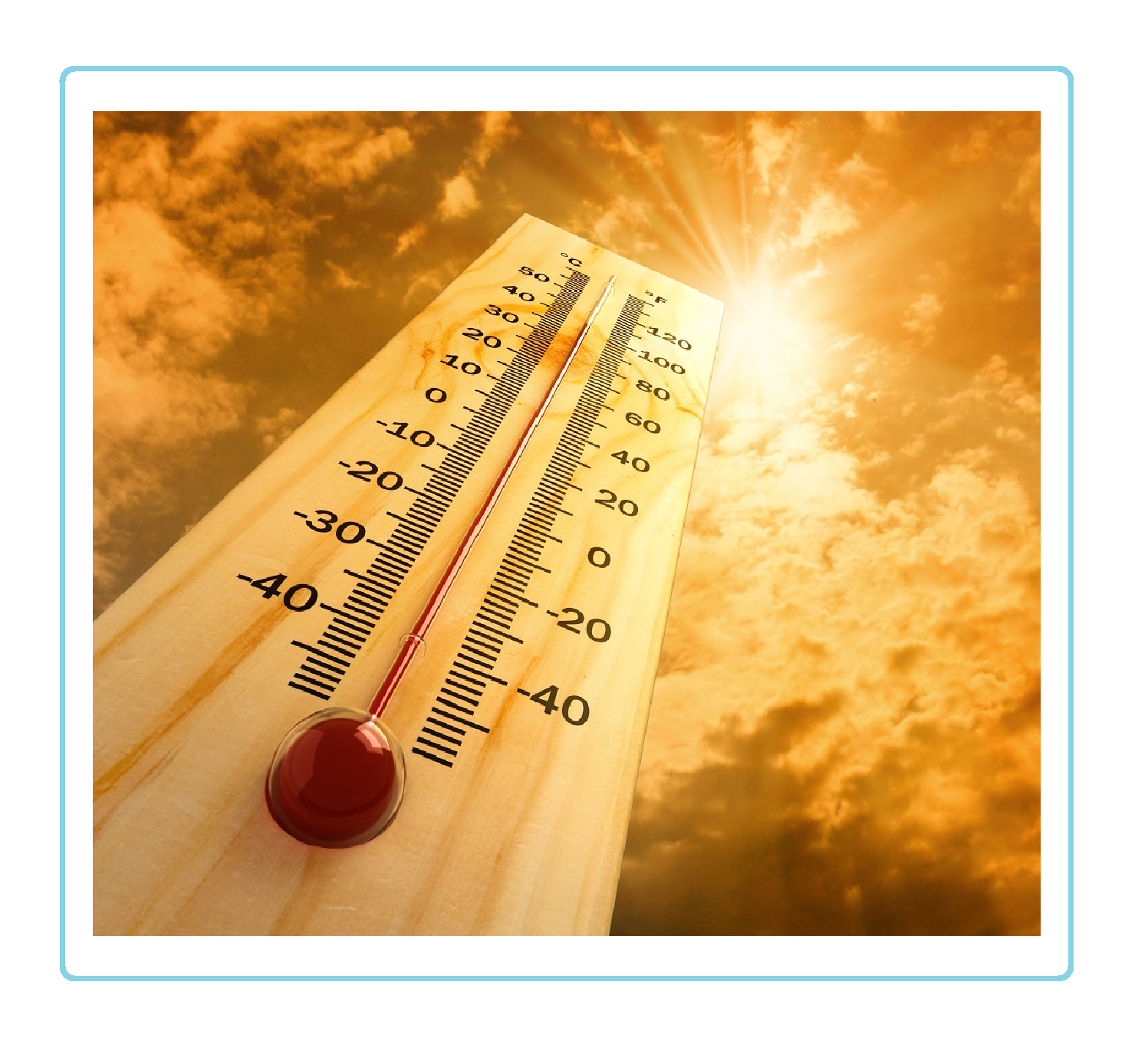
On average, extreme heat has killed more people in the last 10 years than any other weather phenomena. Remember these tips for staying safe in extreme heat:
Hydrate. Whether you feel thirsty or not, drink plenty of water to avoid becoming dehydrated, especially when you're working or exercising outside.
Educate yourself. Keep up with the latest temperature and heat index forecasts and current readings (take actions to stay cool and safe when the temperatures hits 85 degrees or the heat index hits 90 degrees). Know the warning signs of a heat illness, and how you can stay cool.
Act quickly when a heat illness is suspected. Seek medical attention immediately for any of these warning signs: cramping, rapid pulse, heavy sweating, hot red skin, dizziness, confusion, nausea, vomiting.
Take it easy. Anyone working or exercising outdoors should avoid overexertion, especially between the hours of 11 am and 6 pm. Take hourly breaks in the shade or in air conditioning.



 Radar
Radar Current Weather
 Rivers & Lakes
 Satellite
 Forecast Maps
 Hour by Hour Forecast
 Tropical Weather
 Graphical Hazards
 Climate Plots
 Fire Weather
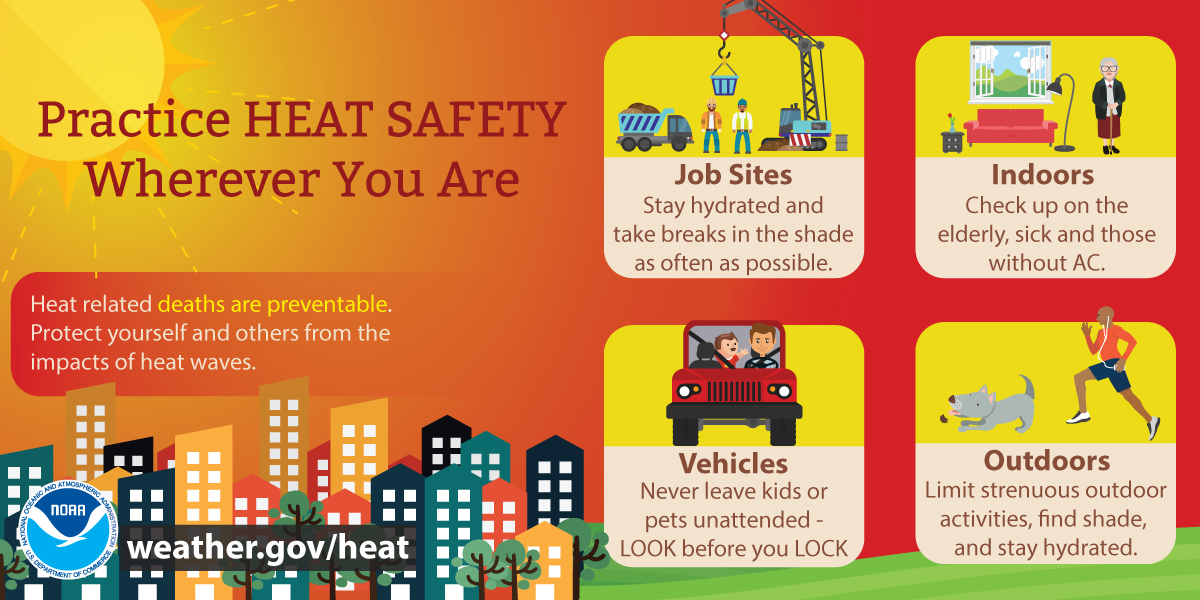
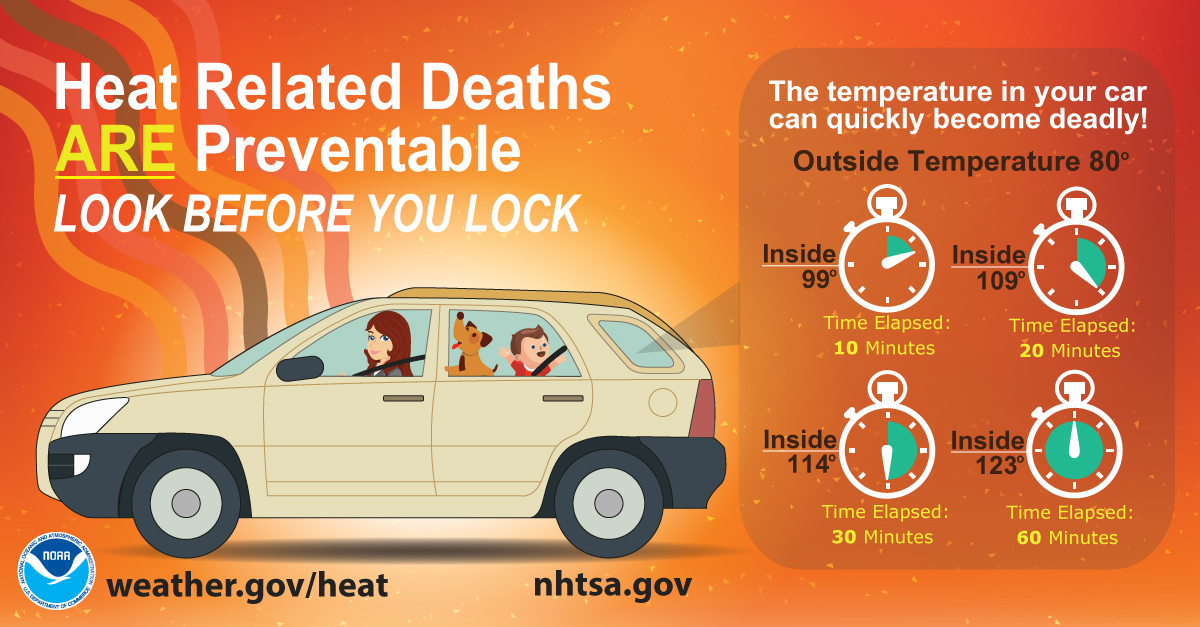
 Heat Safety
 Drought Information
 Weather Hazard Briefing
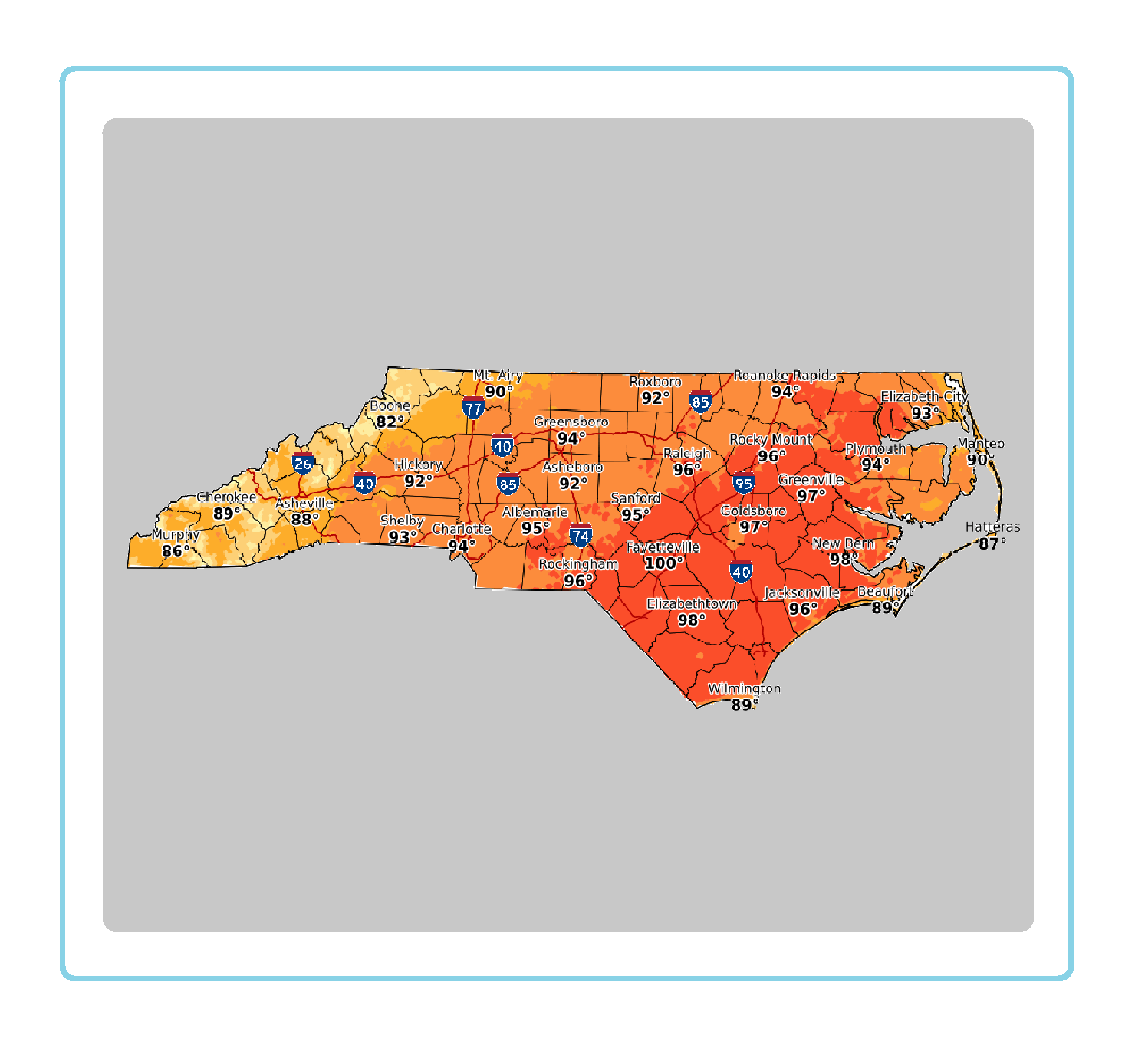 Statewide Maps
 Forecaster Discussion
 Text Bulletins
 SKYWARN
 Follow us on X
 Follow us on Facebook
 Follow us on YouTube
 RAH RSS Feed