Current hazards, forecasts, and outlooks for east central Ohio, western Pennsylvania, and northern West Virginia, gathered in one place for emergency managers and partners.
 Open page


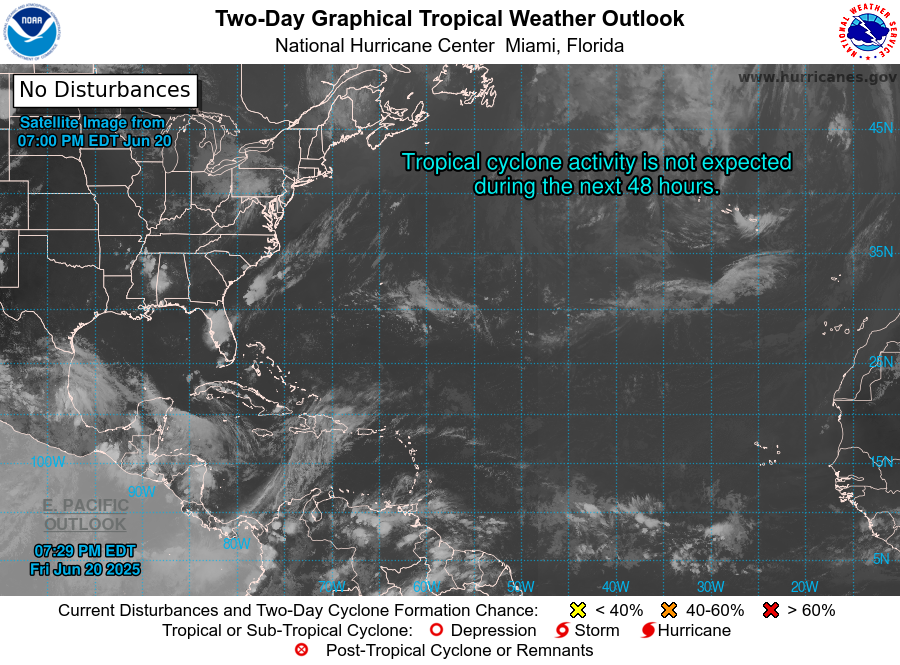
GeoColor blends several satellite channels to approximate what the human eye would see from space. During the day, clouds and fresh snow are excellent reflectors and appear white, while the ground appears darker. Clouds can be distinguished from snow because clouds move and snow does not. At night the imagery switches to infrared-based clouds shown over a background of city lights.

This imagery senses surface and cloud-top temperatures by measuring the infrared radiation they emit. High clouds appear cold, while mid- and low-level clouds appear warmer. Low clouds are often about the same temperature as the surrounding terrain and can be difficult to distinguish. Unlike visible imagery, it works day and night.

This imagery shows where moisture exists in the mid and upper atmosphere, even where it is not visible as cloud. Moist air and dry air appear in contrasting colors. Areas of high water vapor often indicate rising motion that can lead to precipitation, while dry air indicates sinking motion that inhibits storm growth. The jet stream also shows up well.
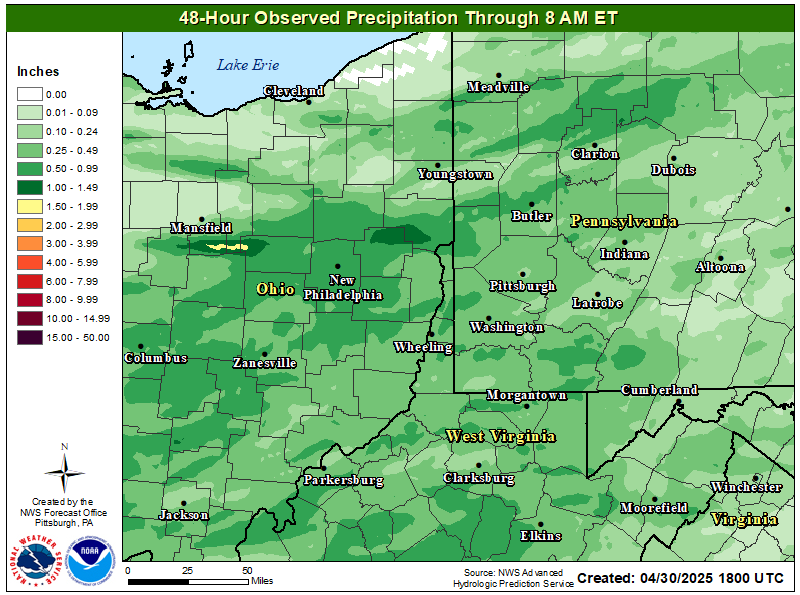
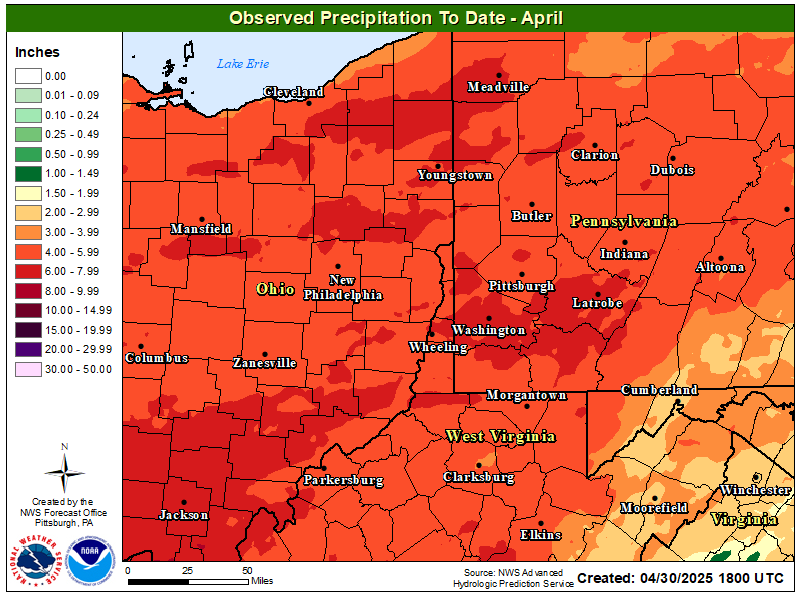
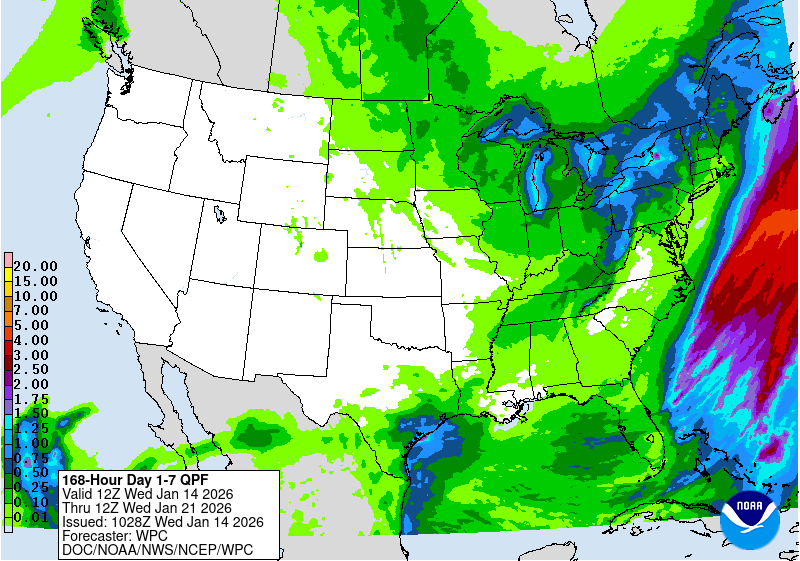
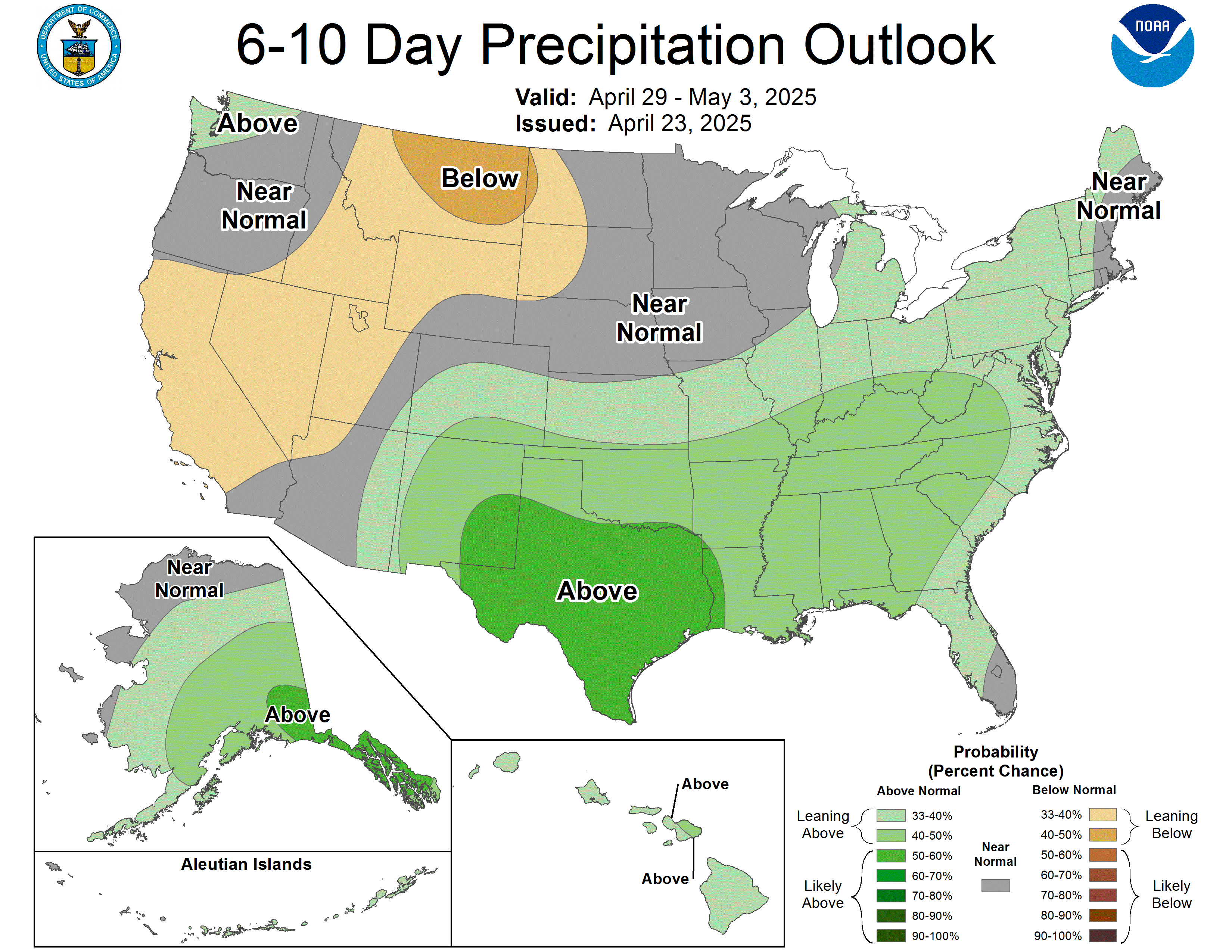
Liquid precipitation, including the melted water content of snow and ice.


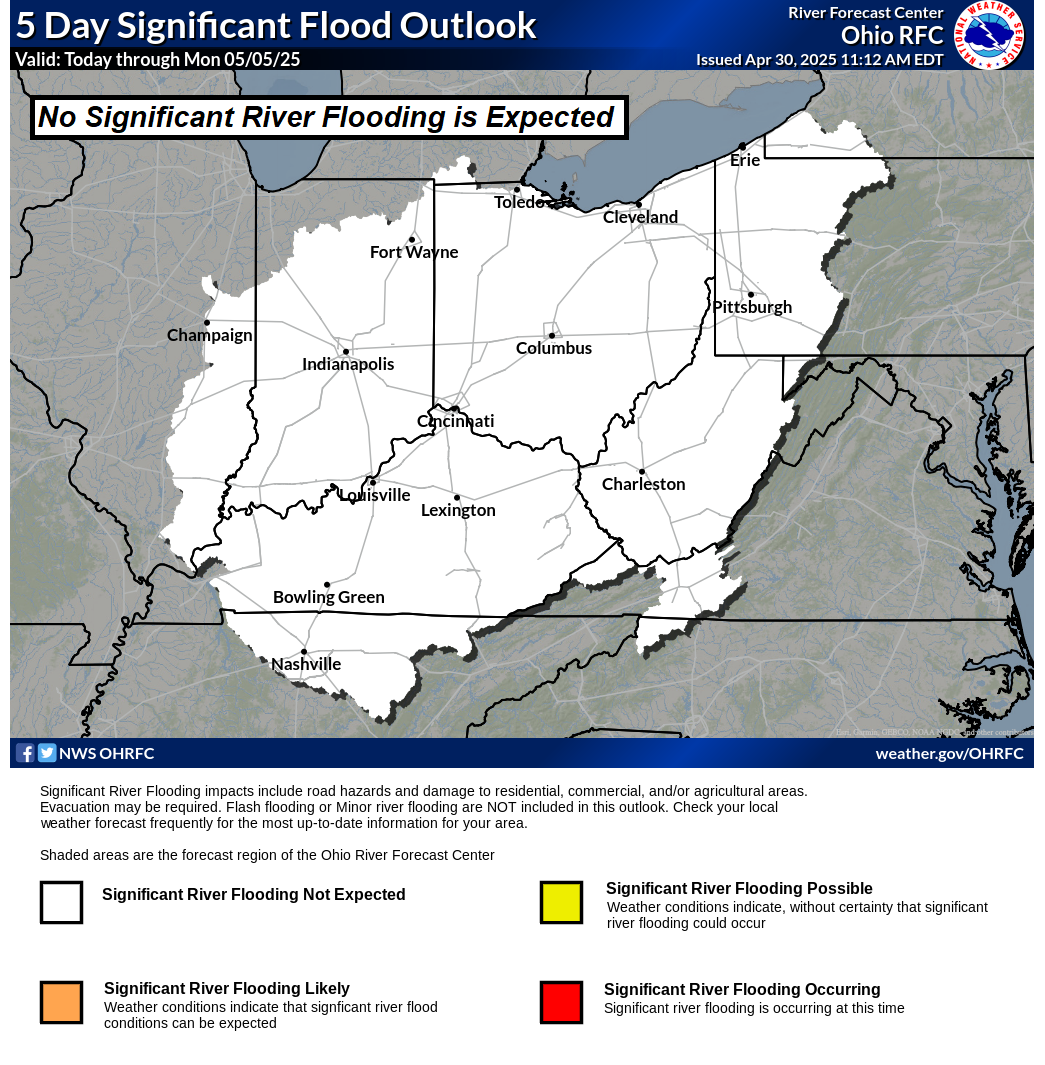
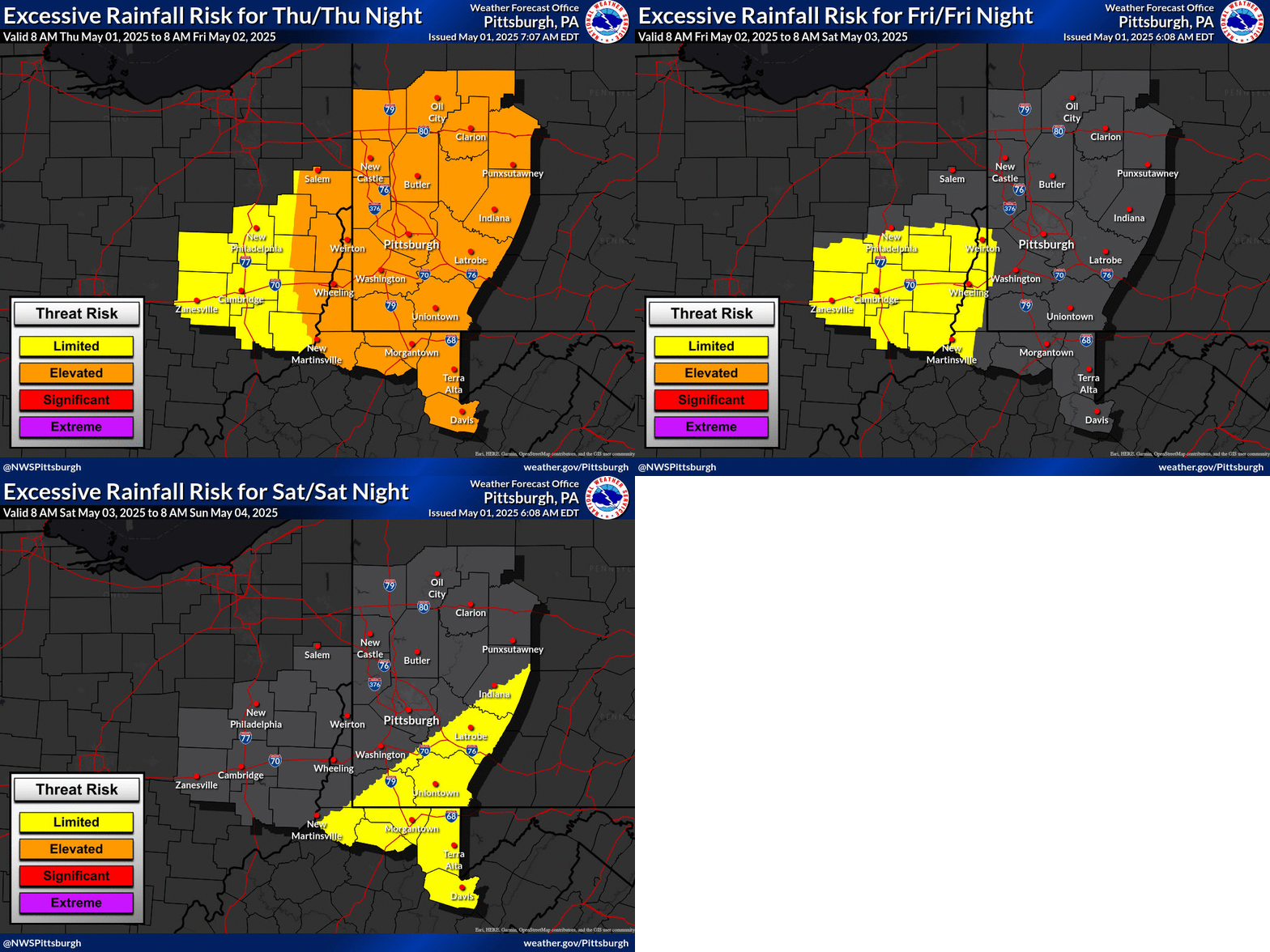
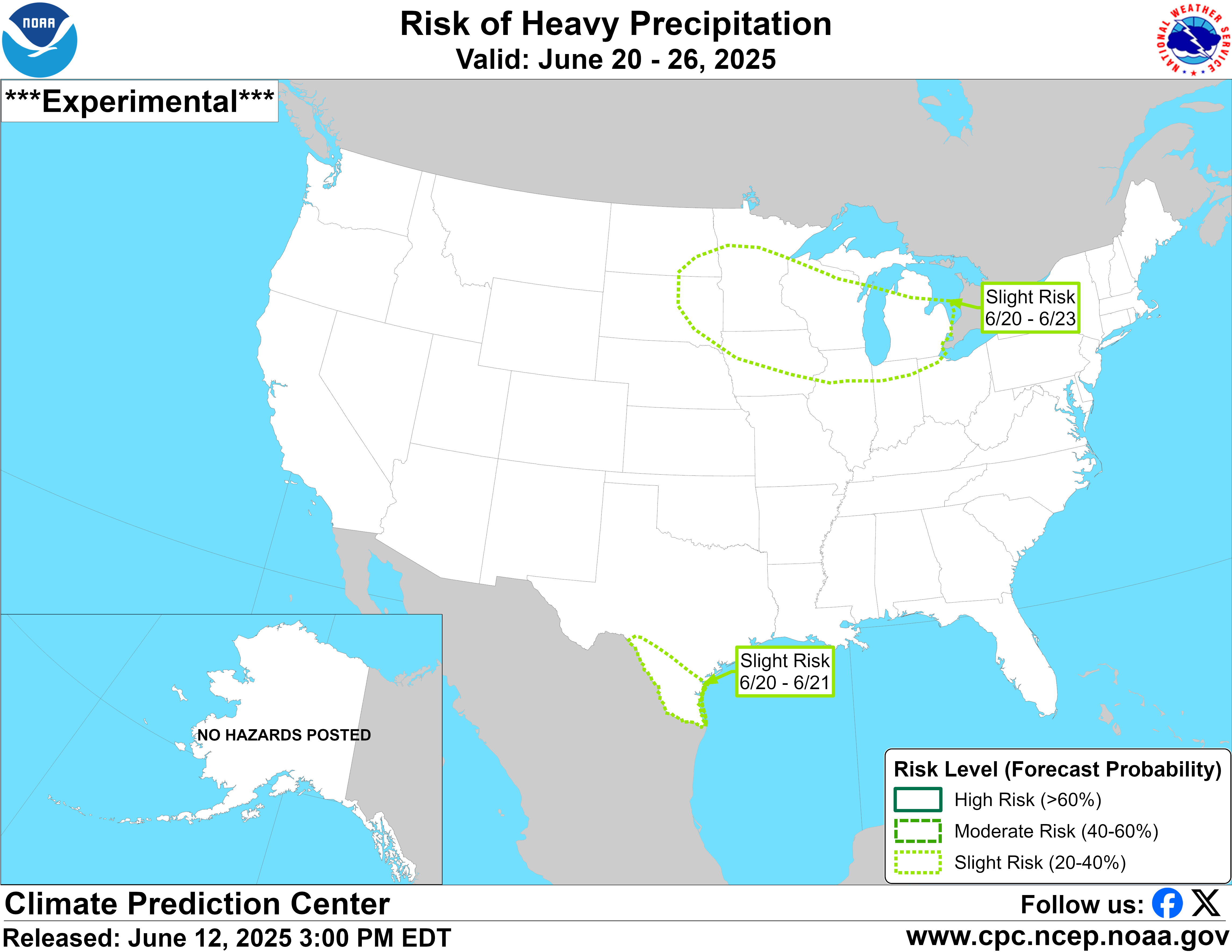
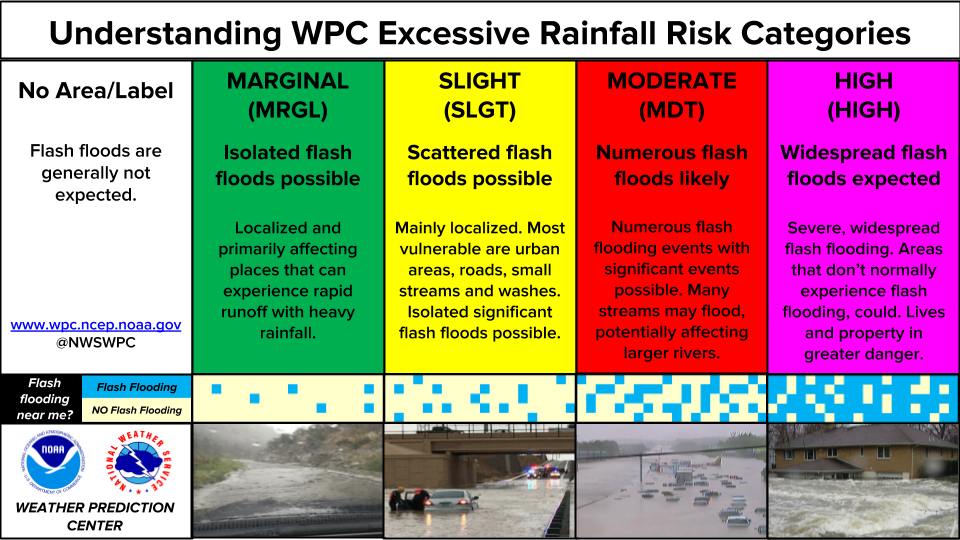 Excessive Rainfall Outlook risk categories. Click to enlarge.
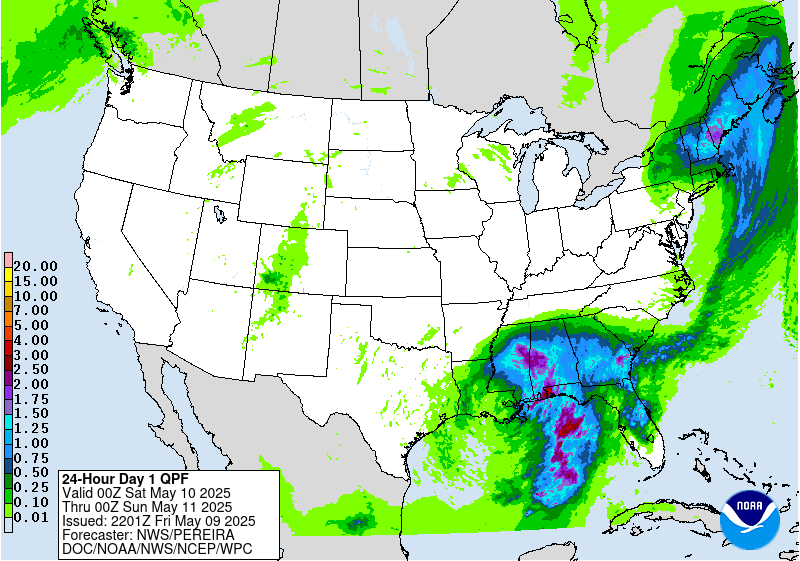
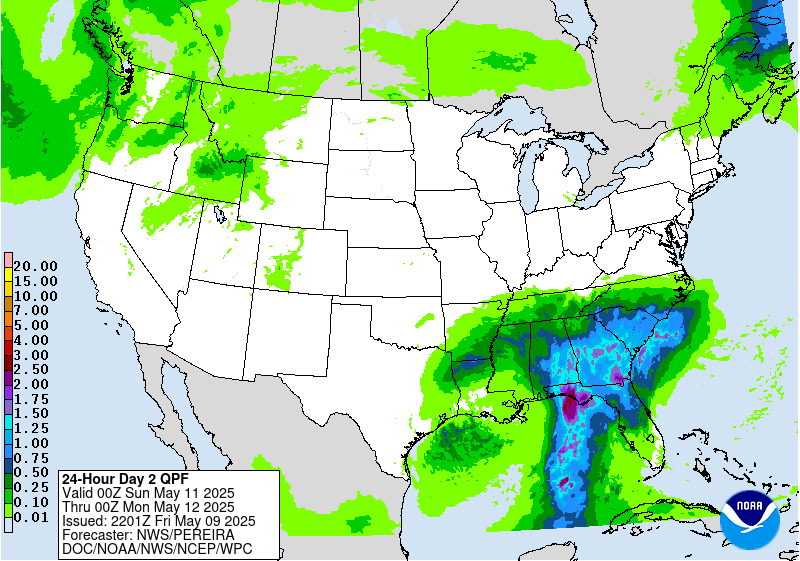
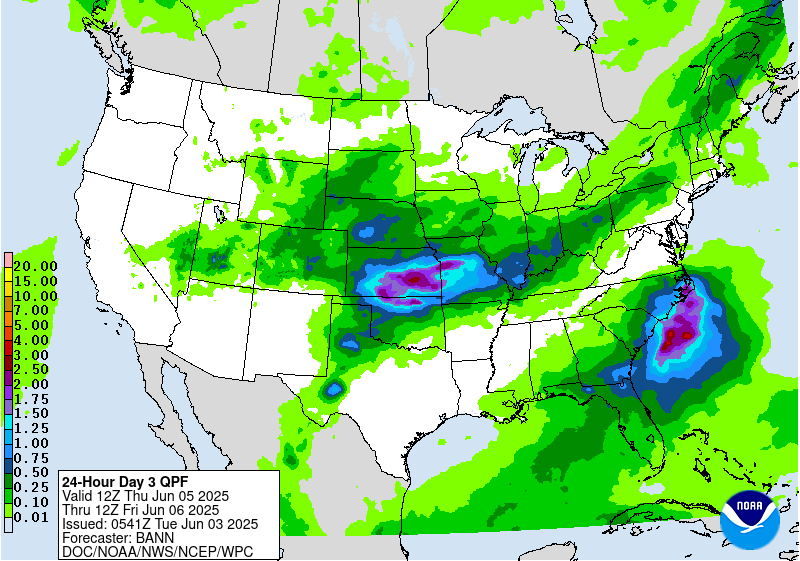
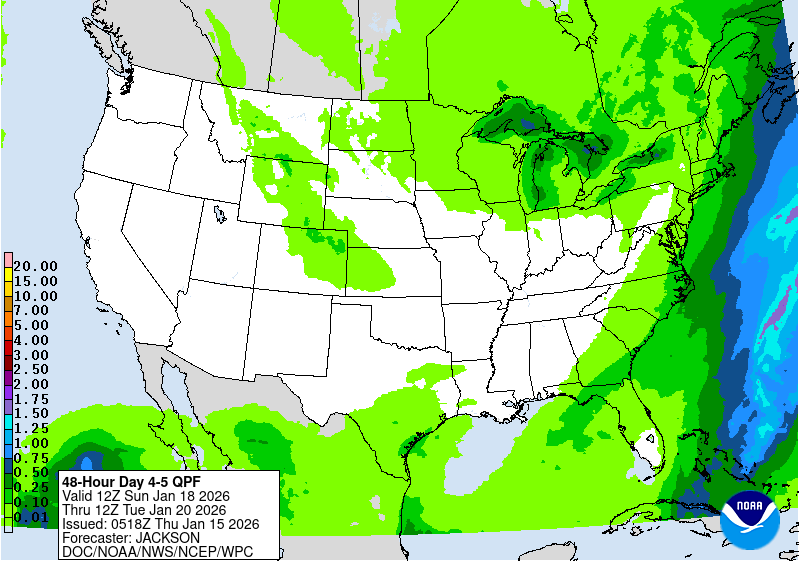
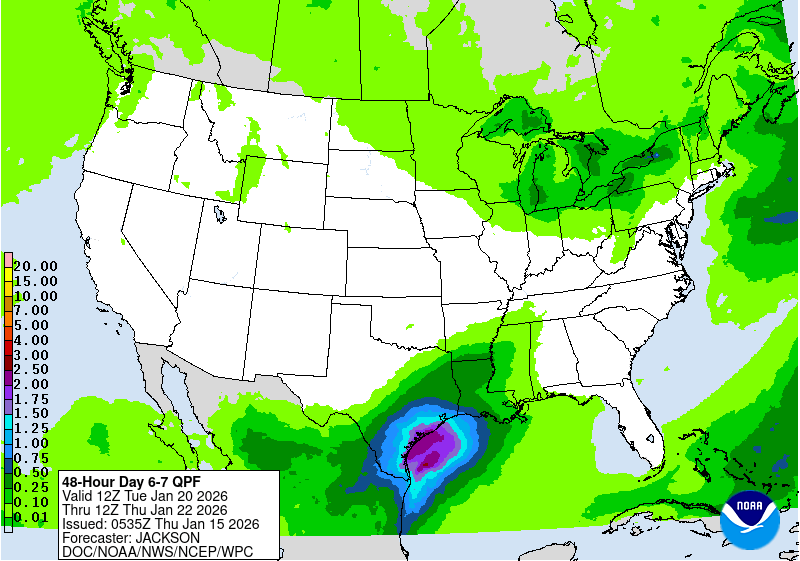
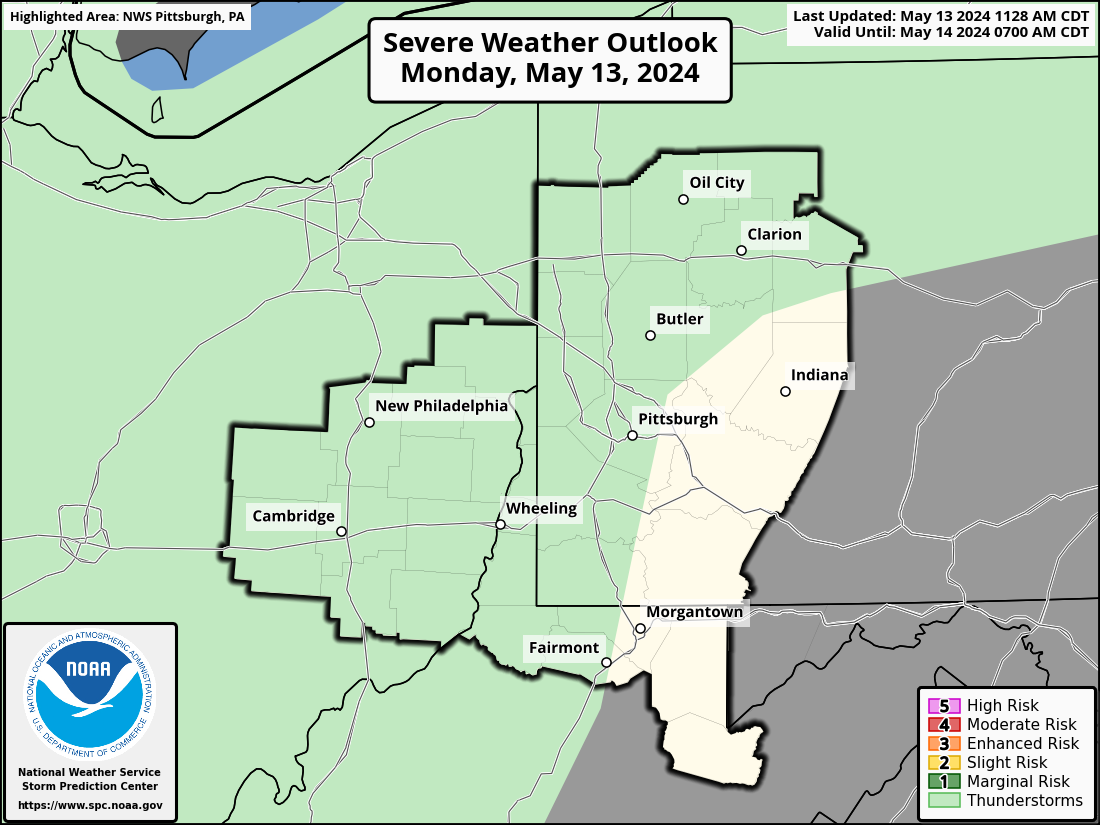


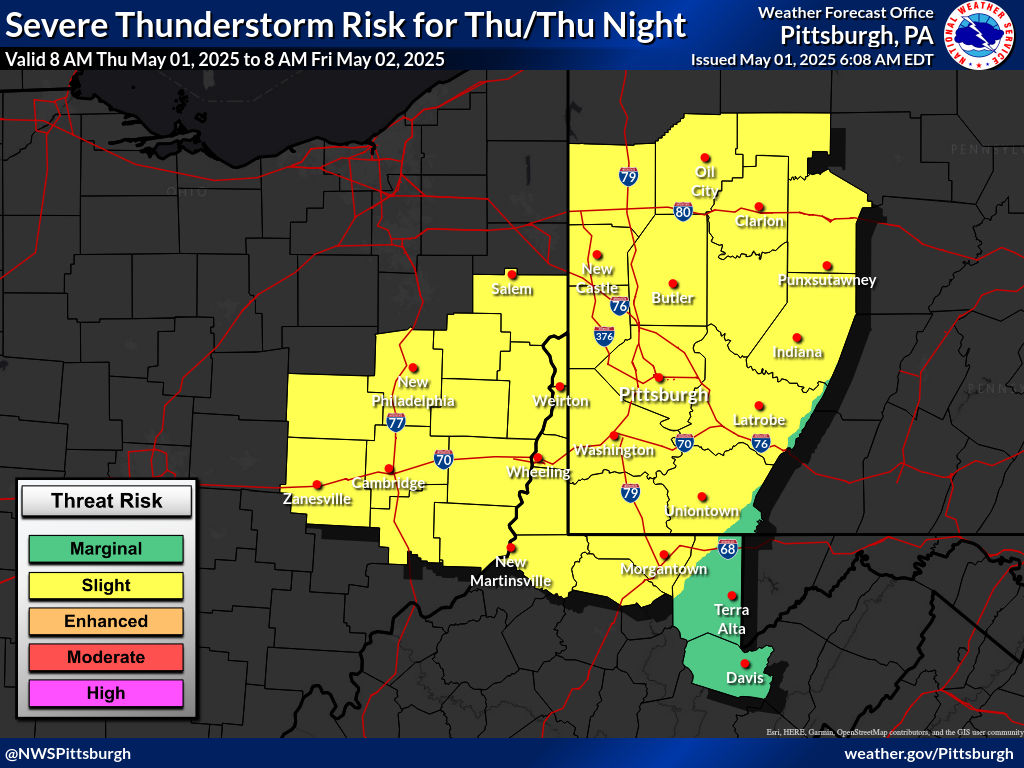
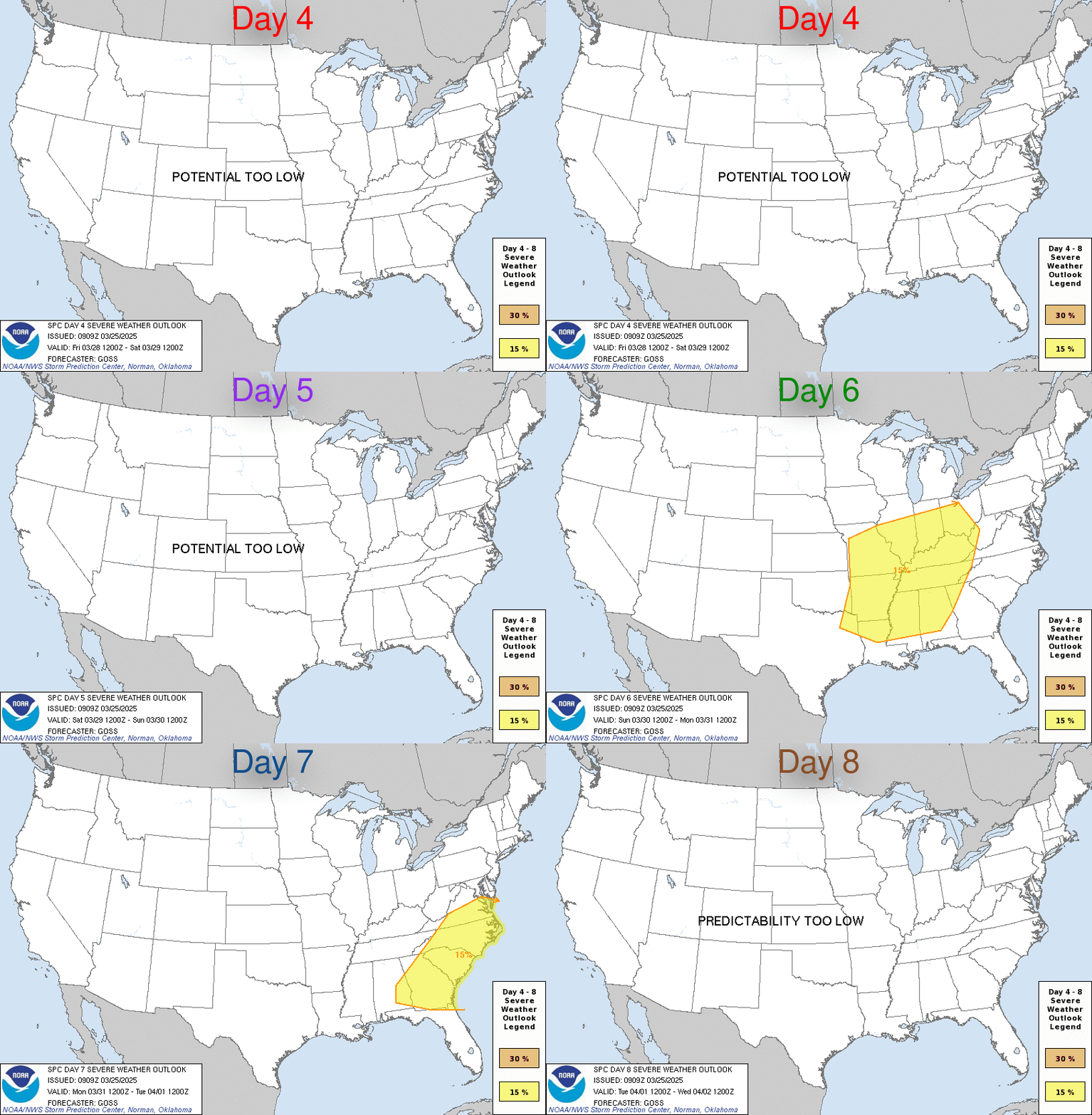
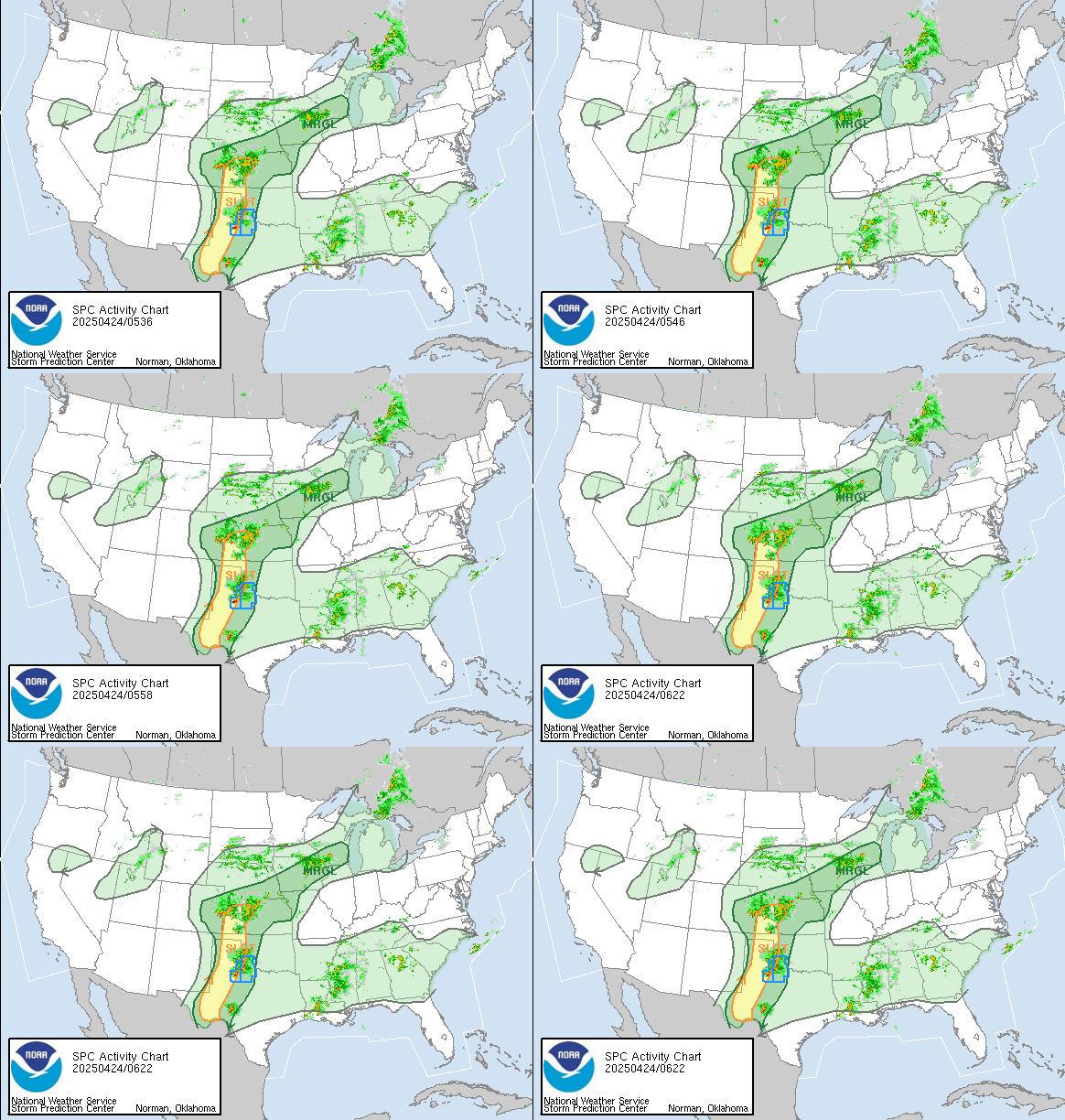
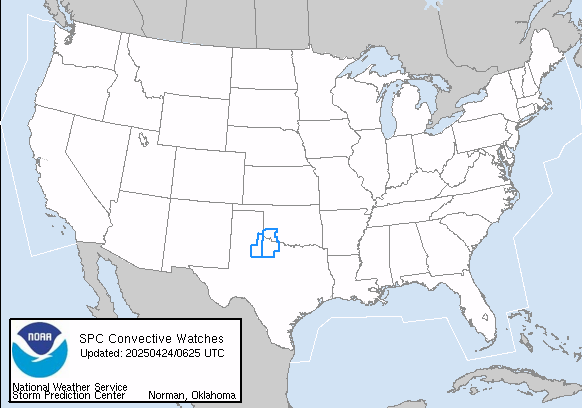
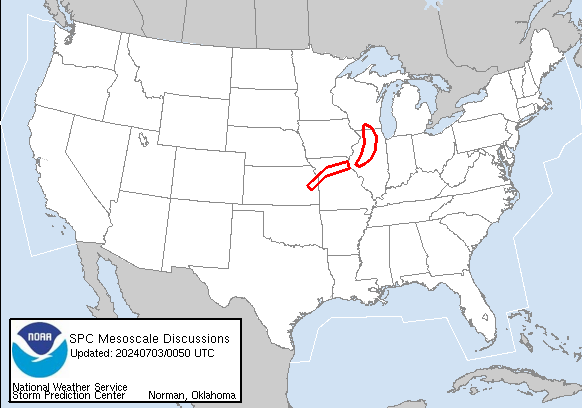
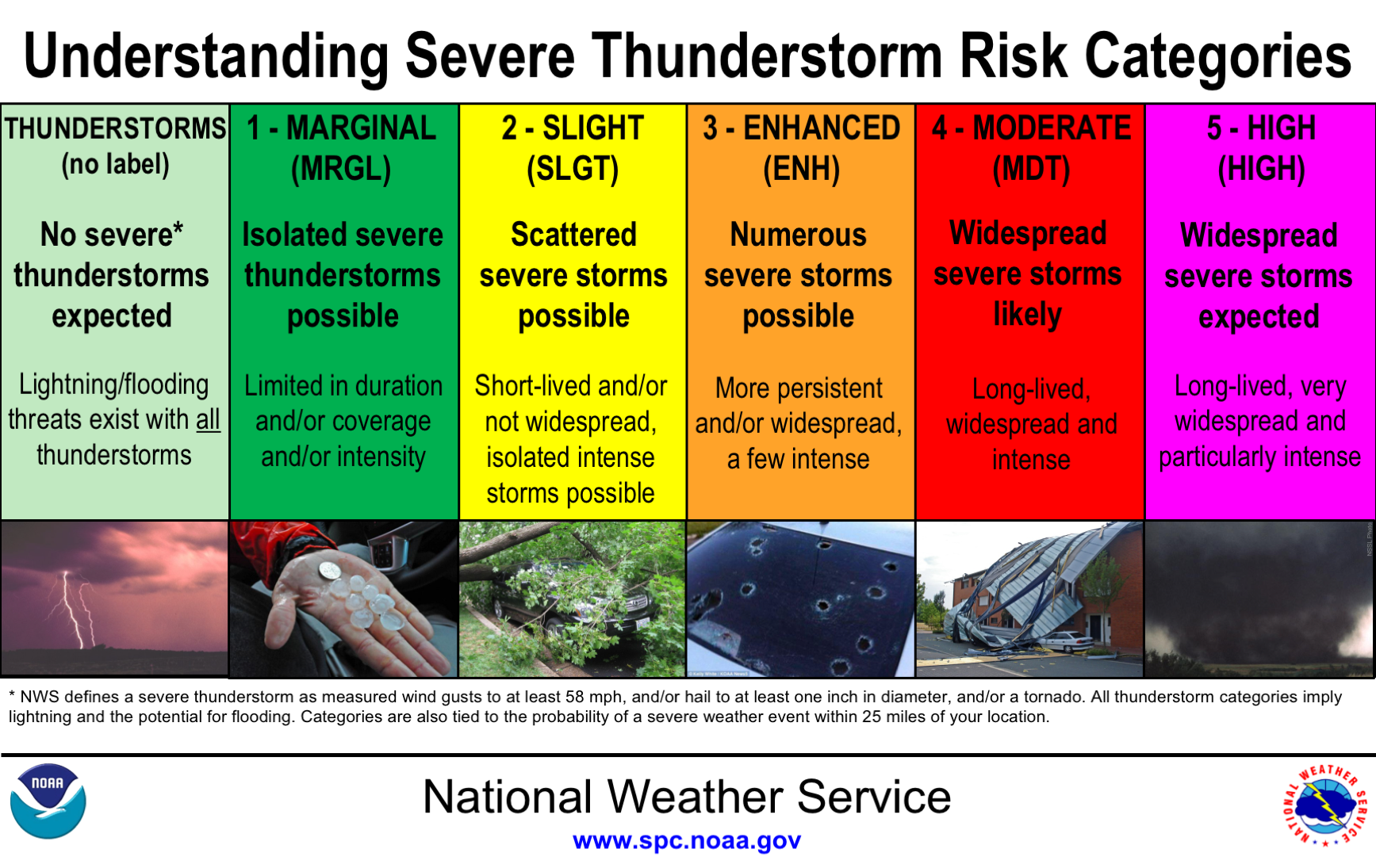 SPC risk categories. Click for full descriptions.


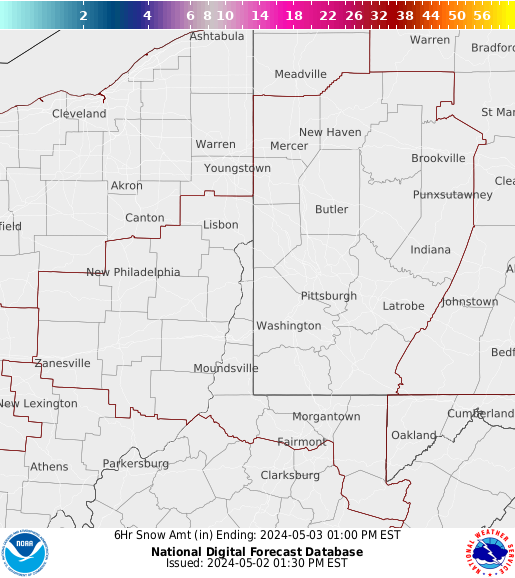
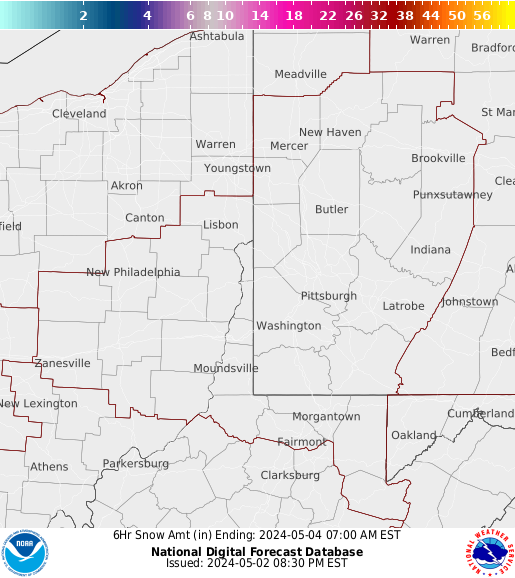
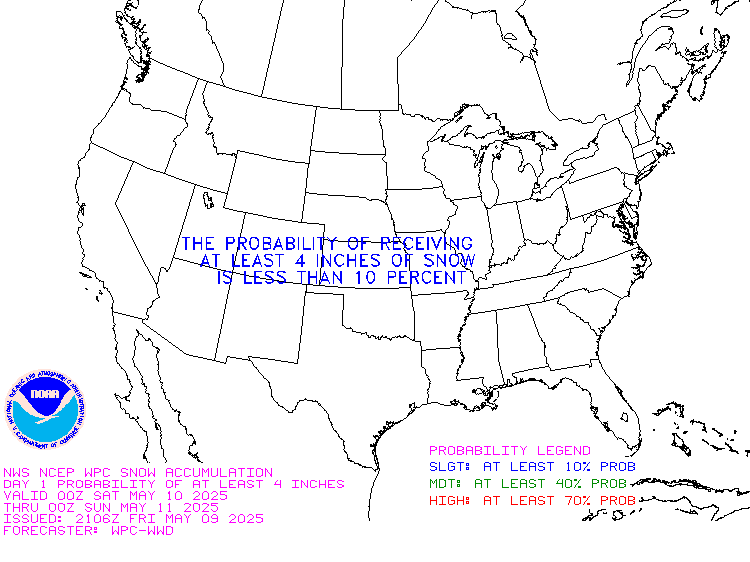
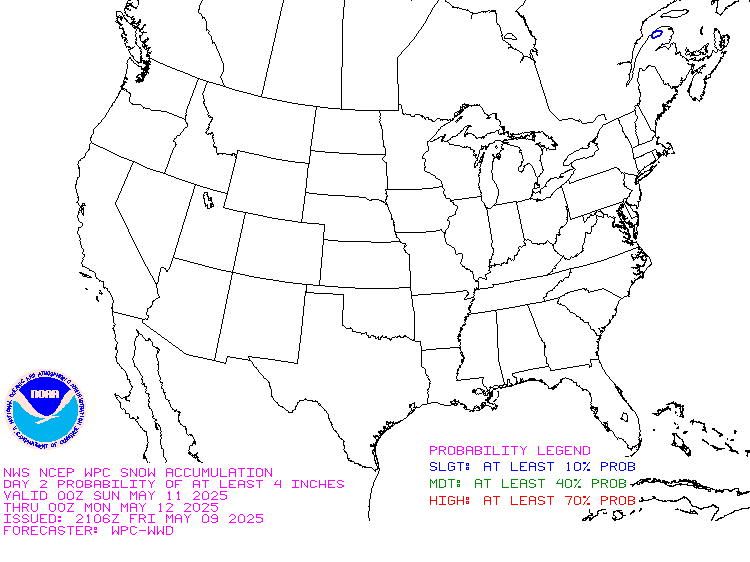
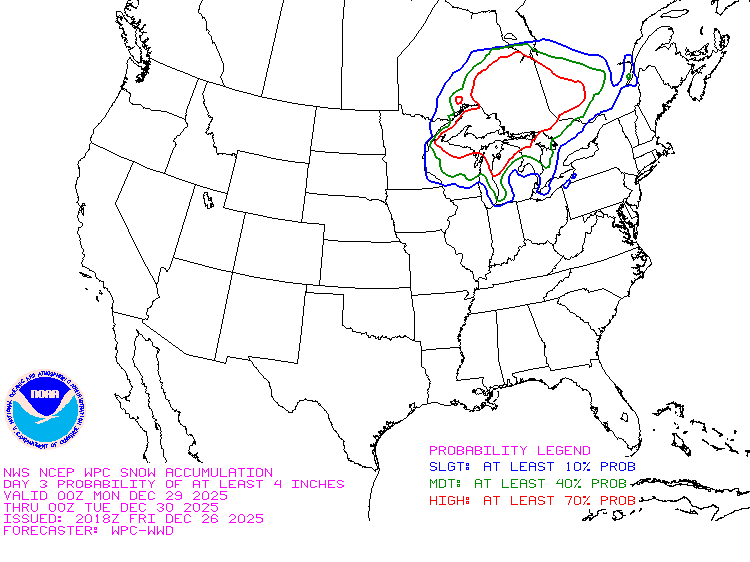
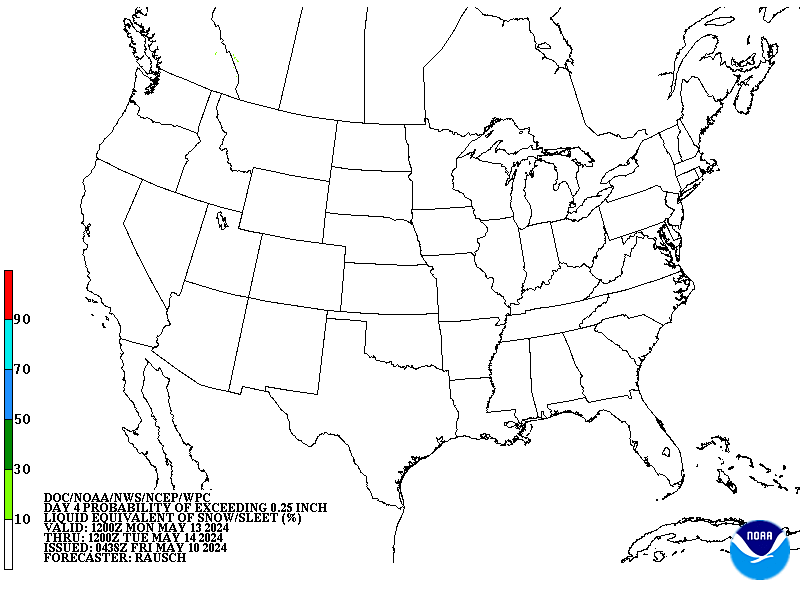
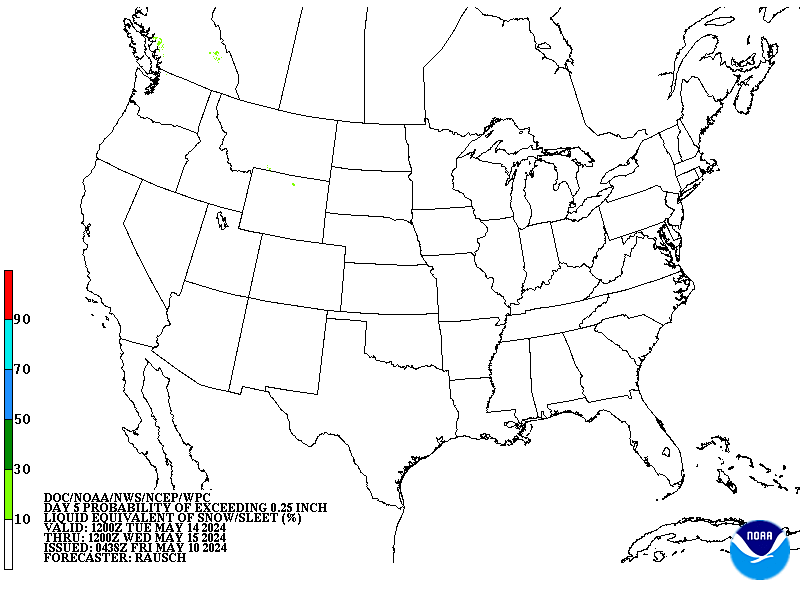
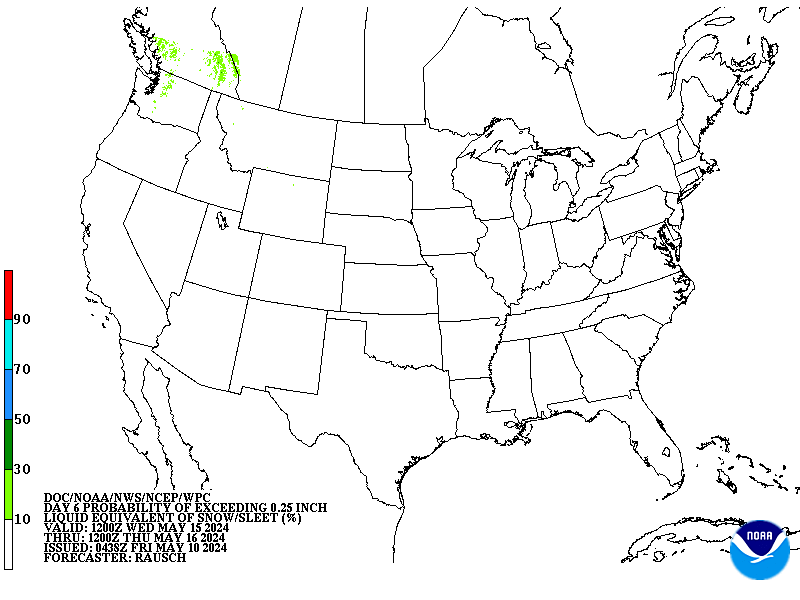
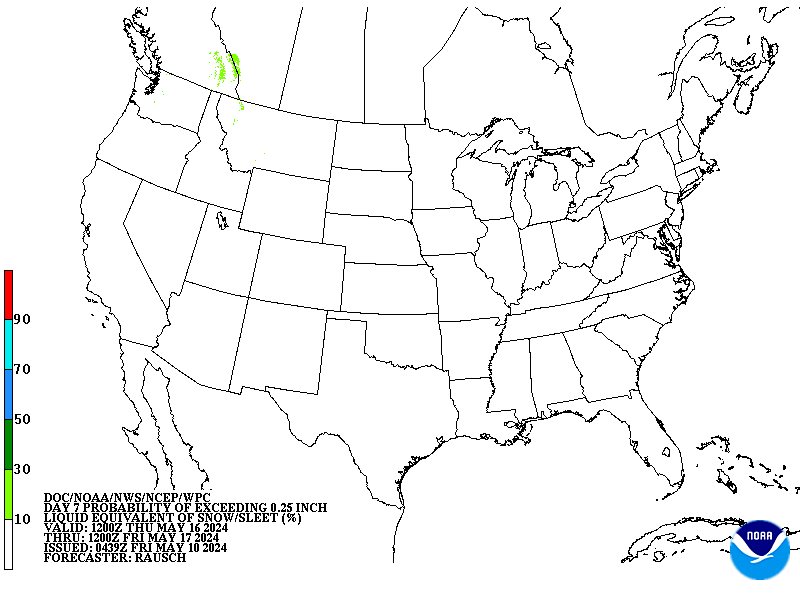
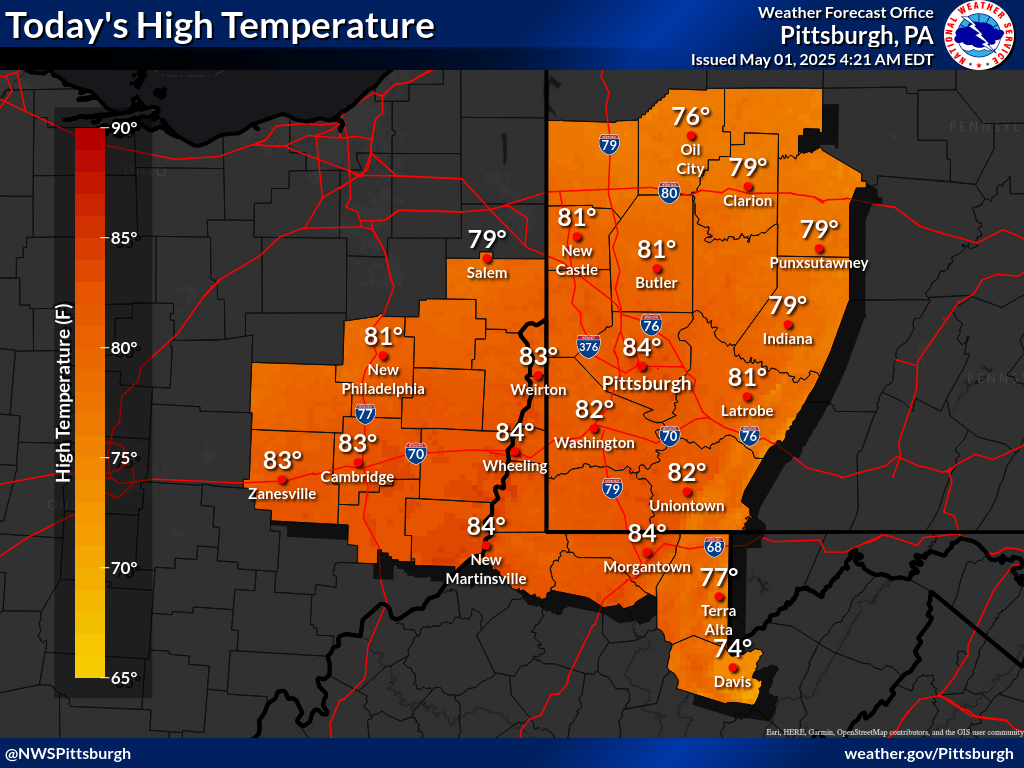
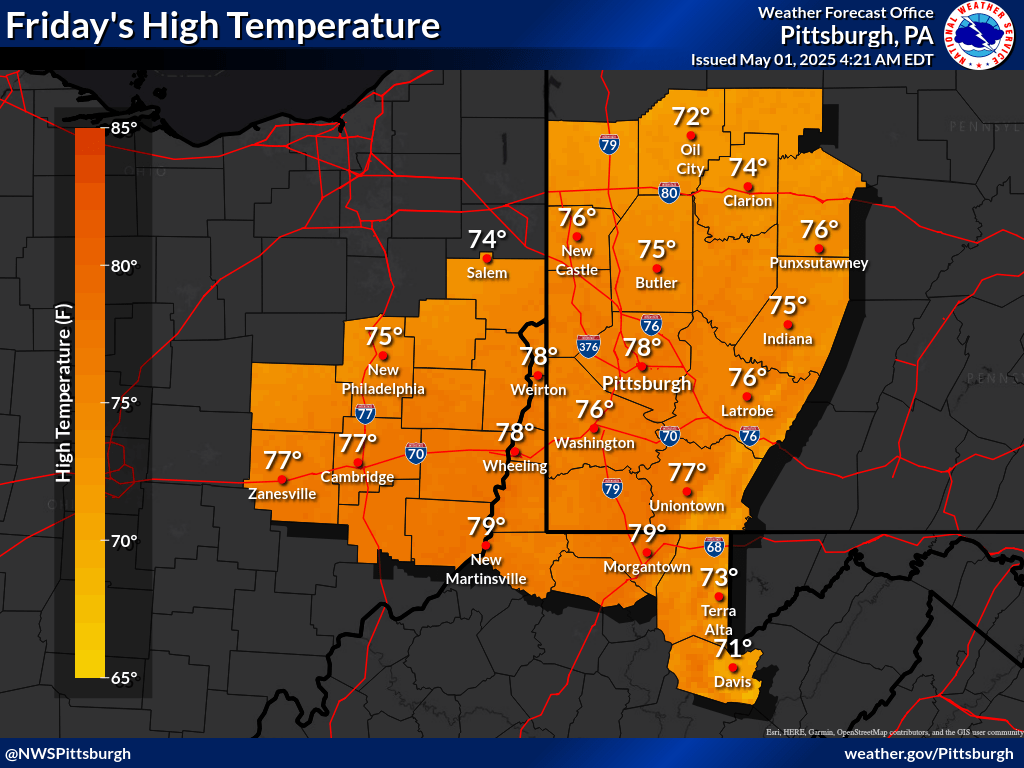
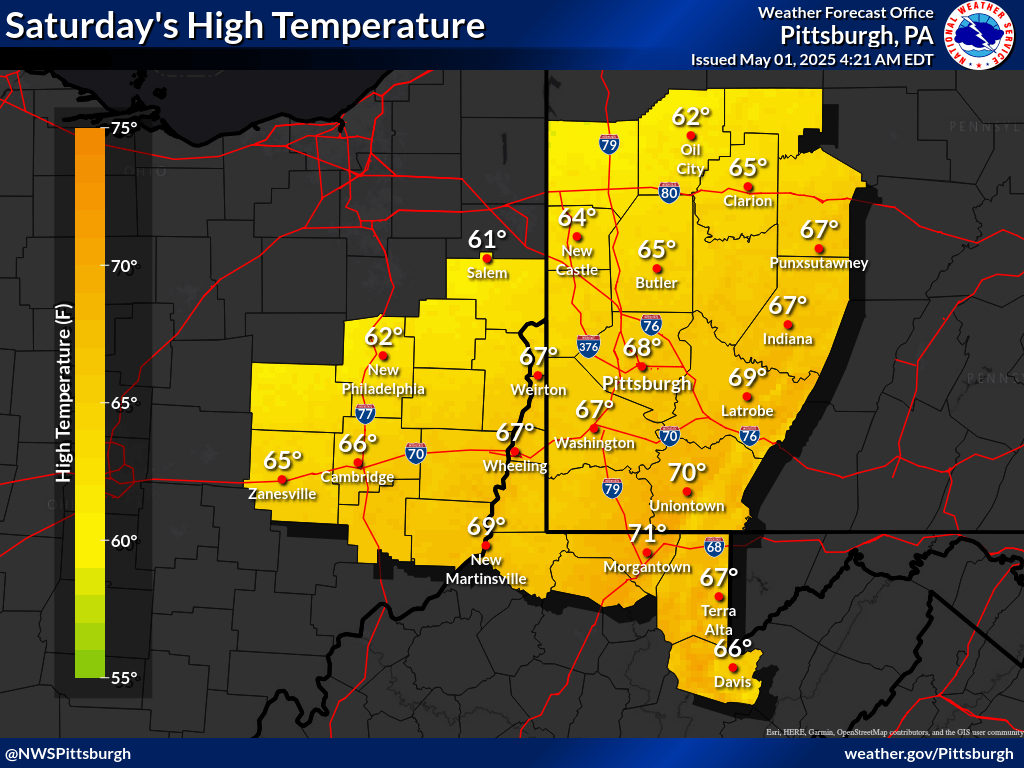
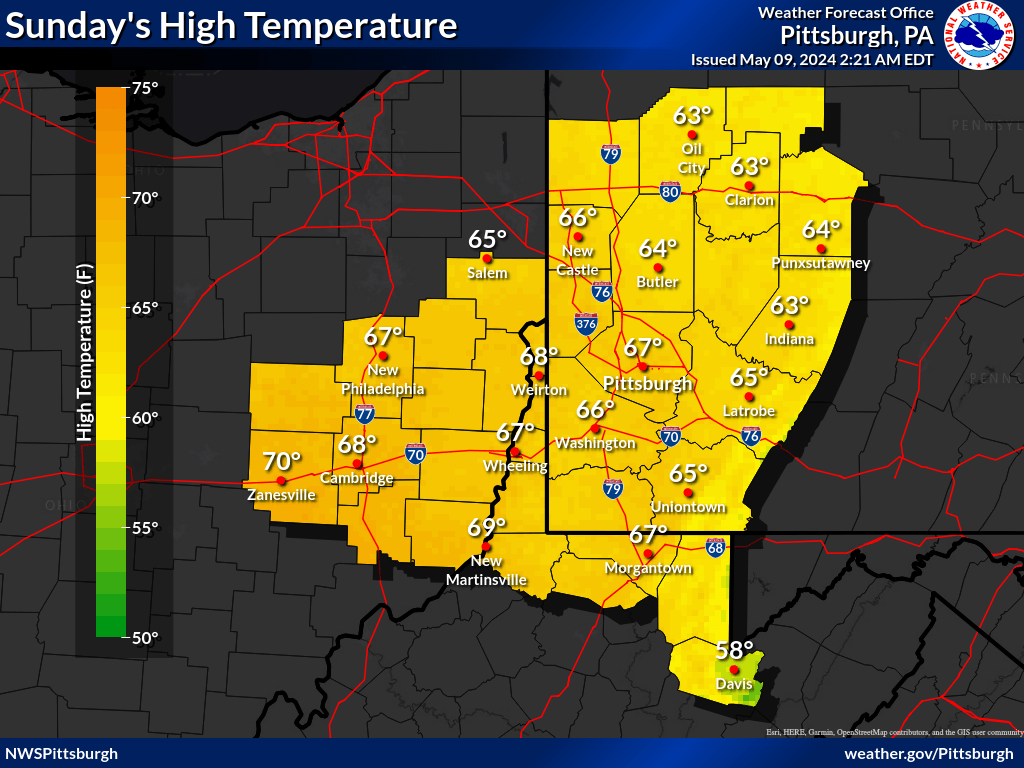
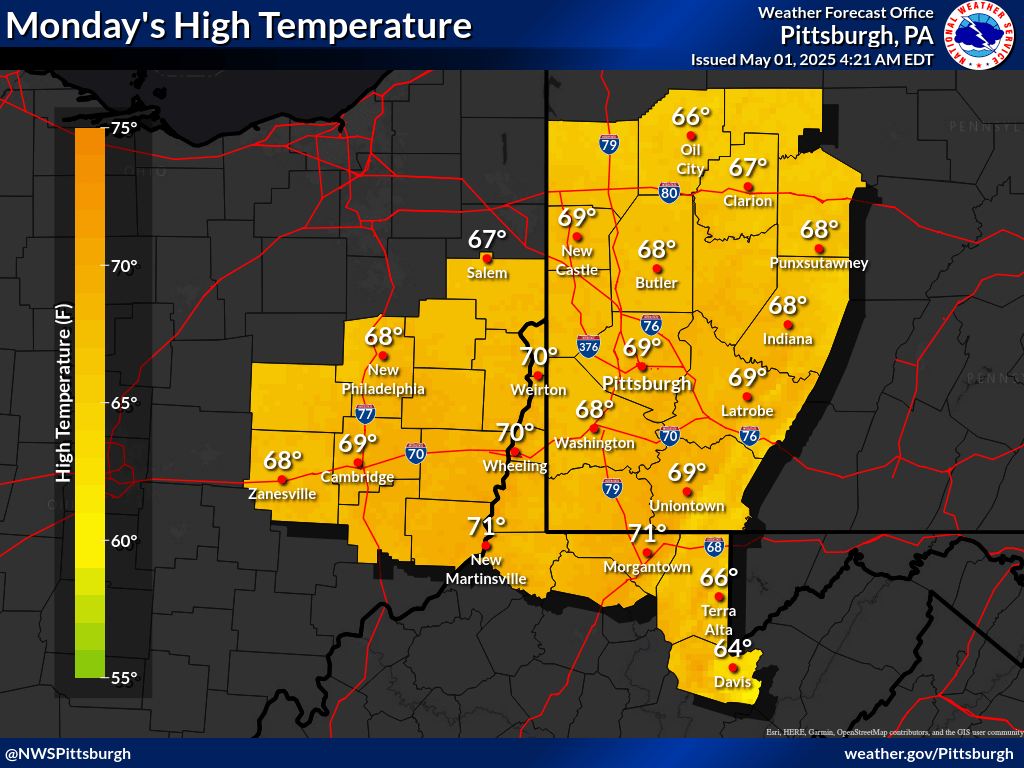
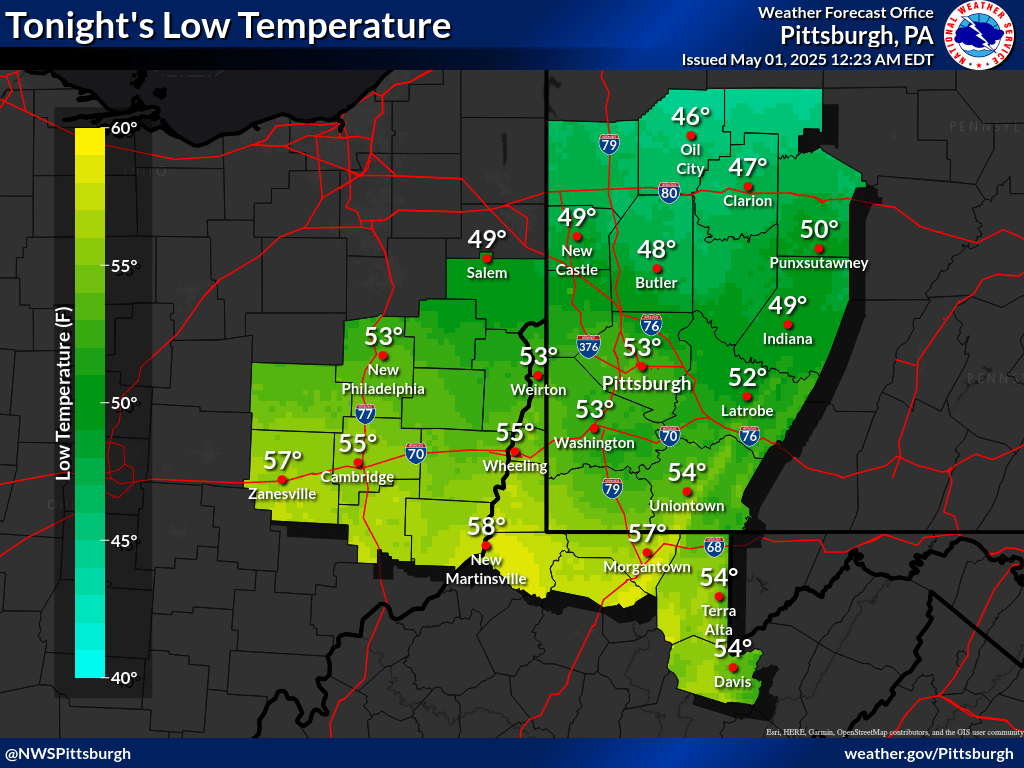
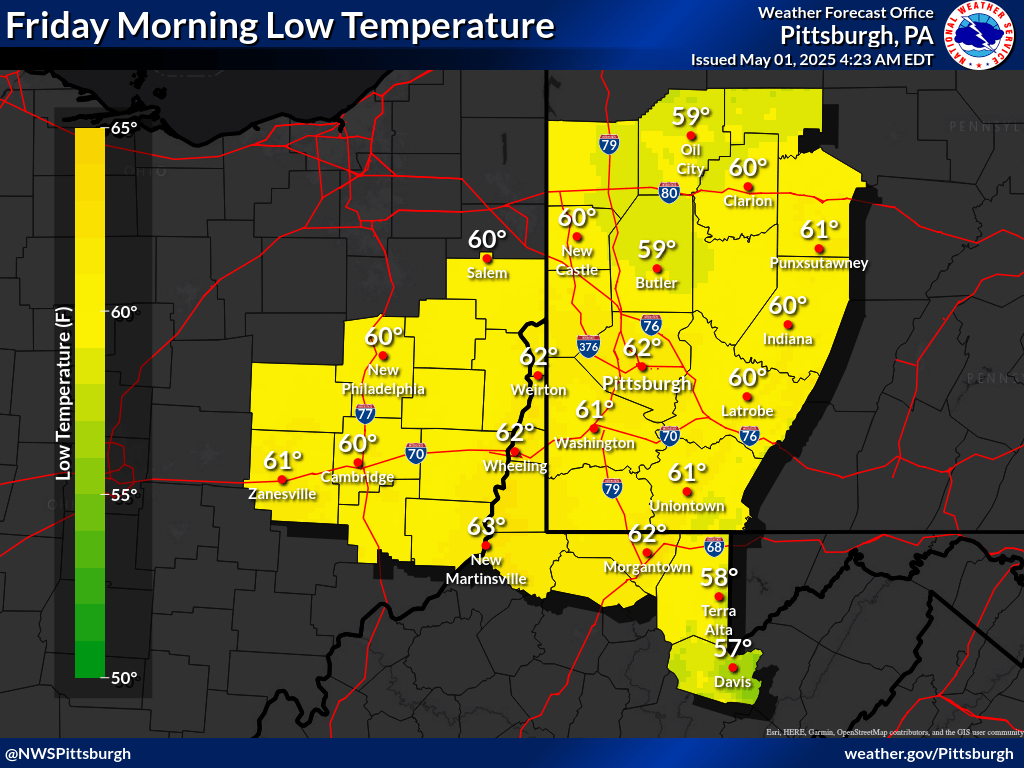
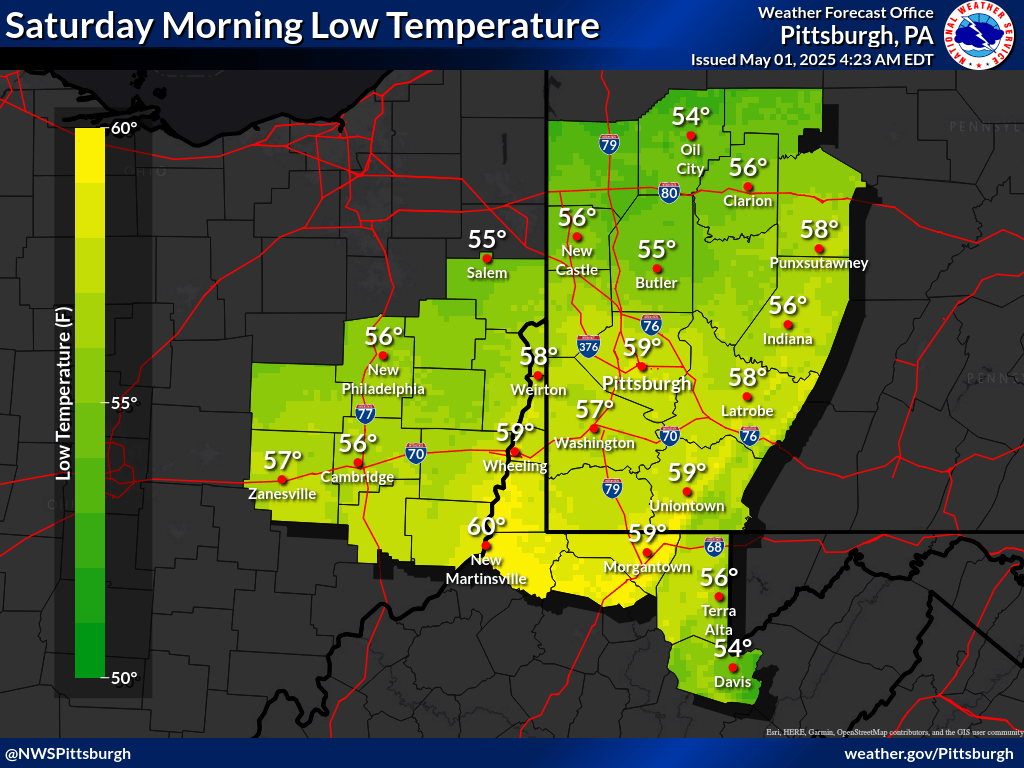
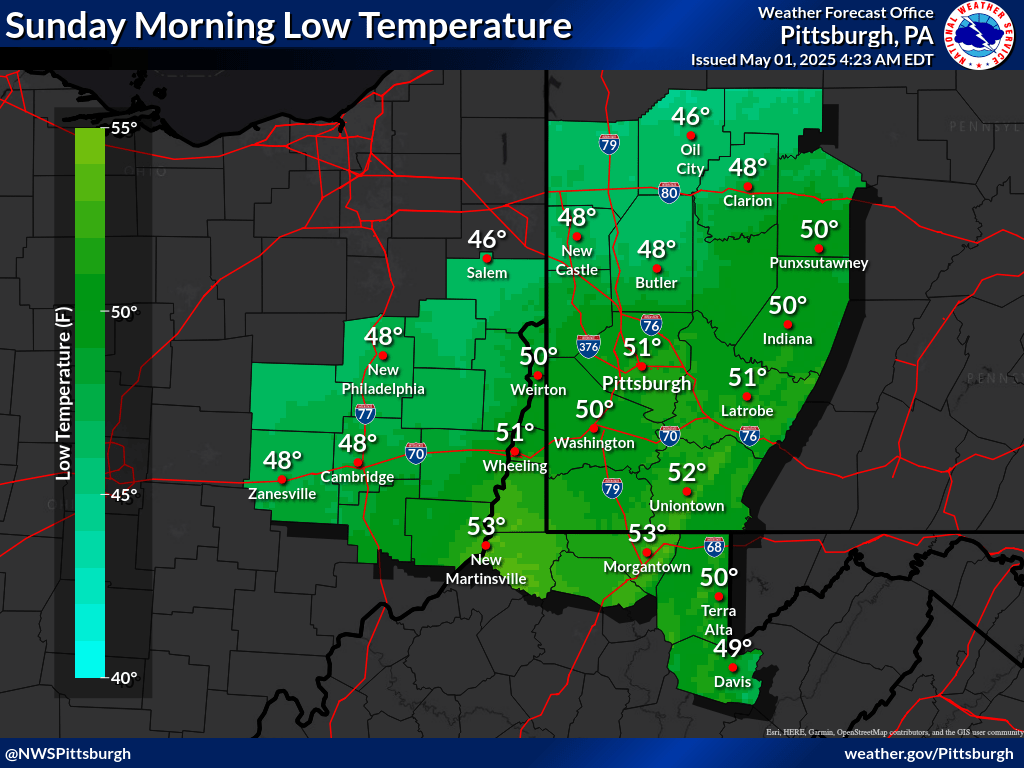
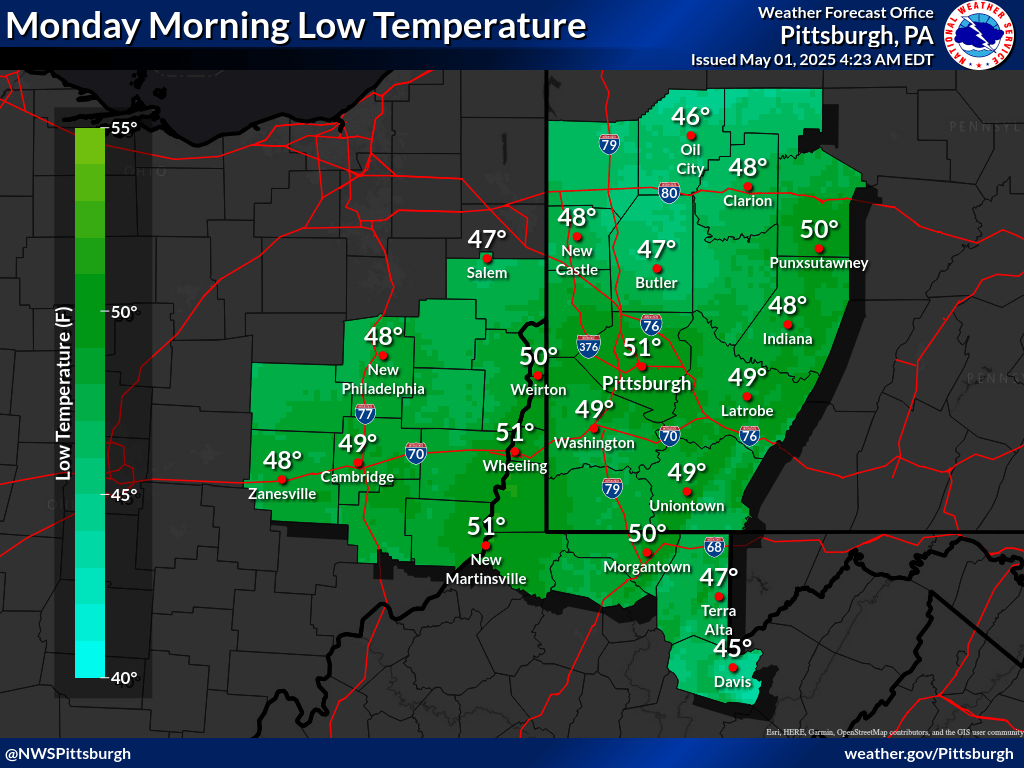
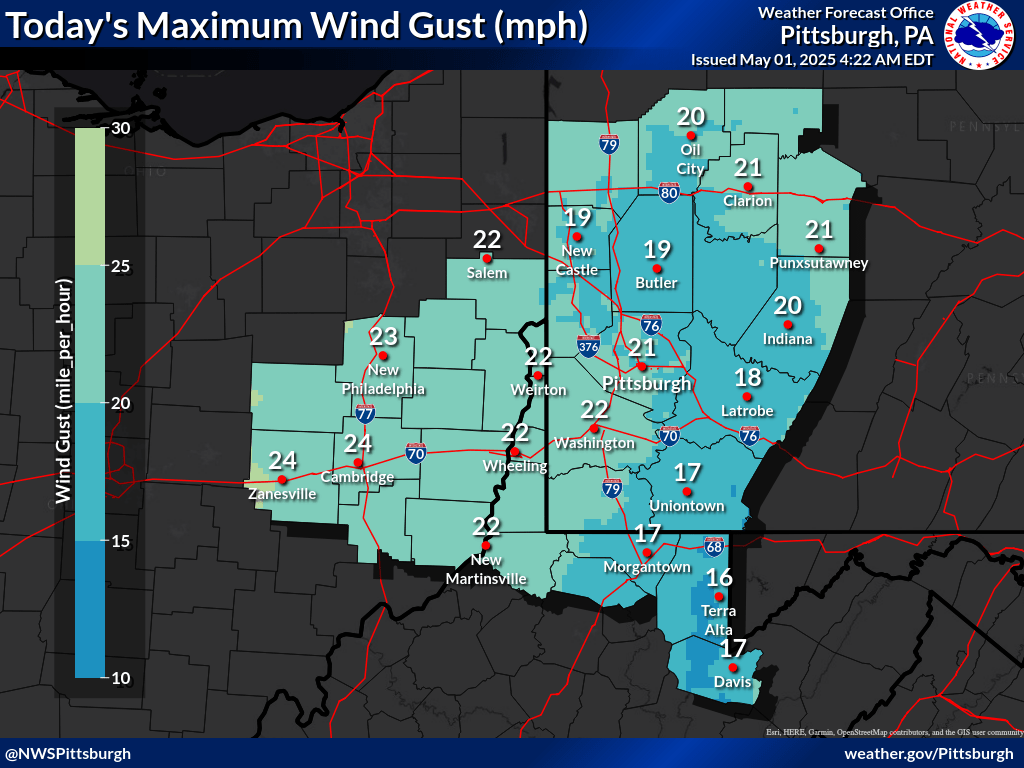
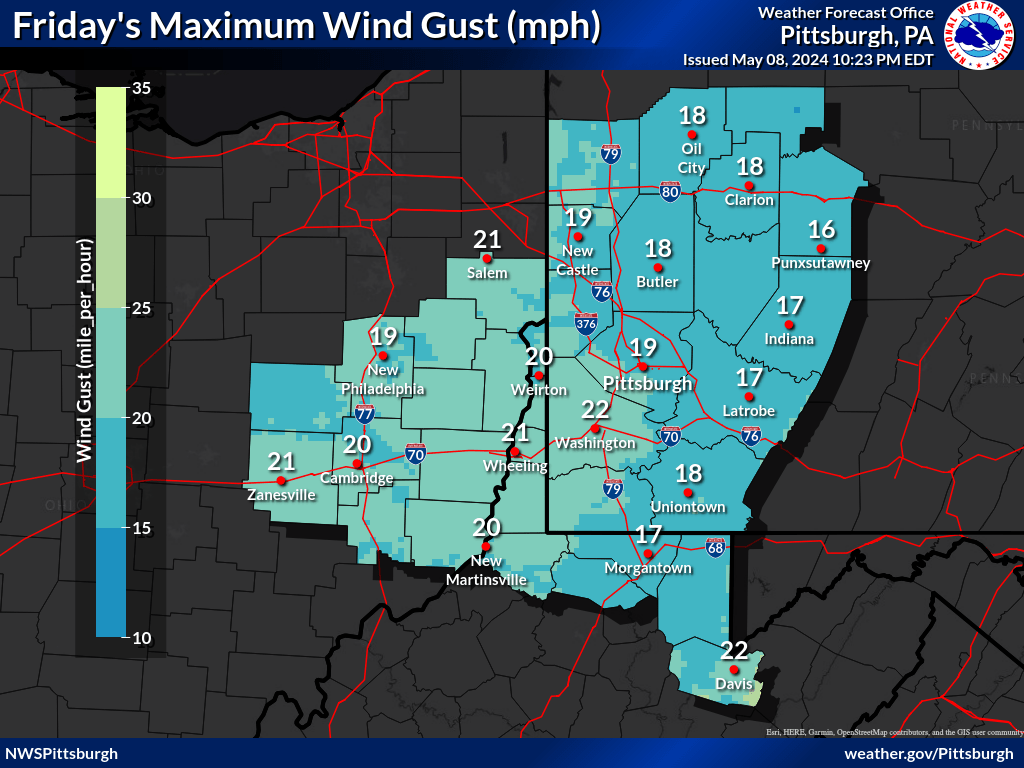
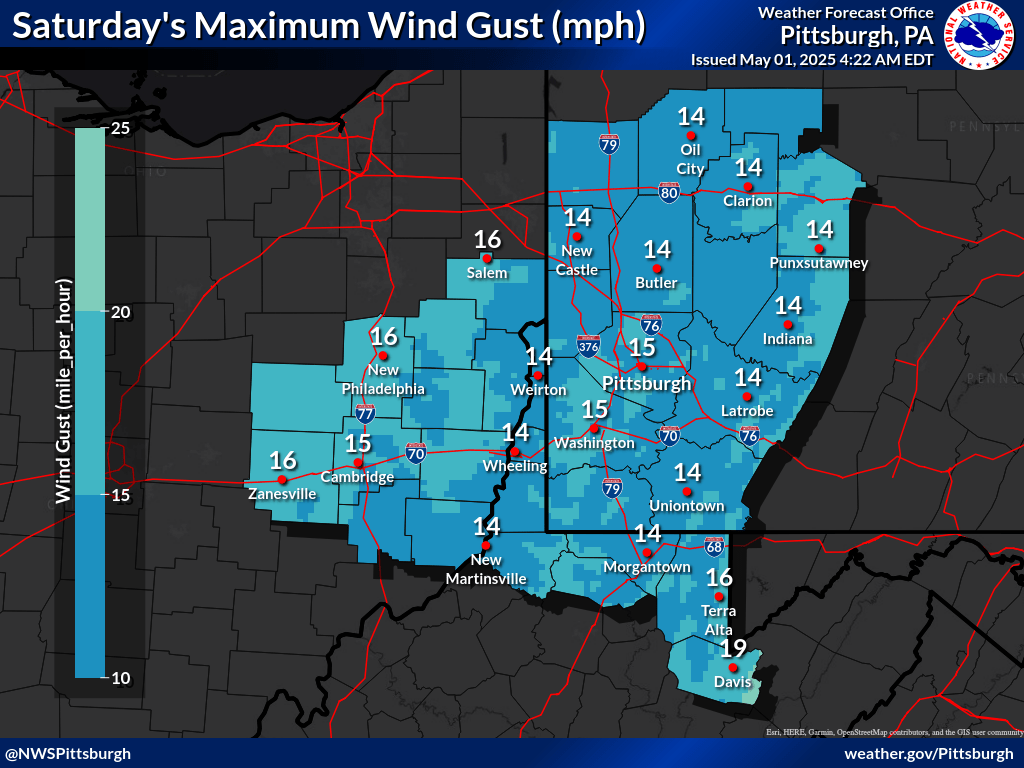
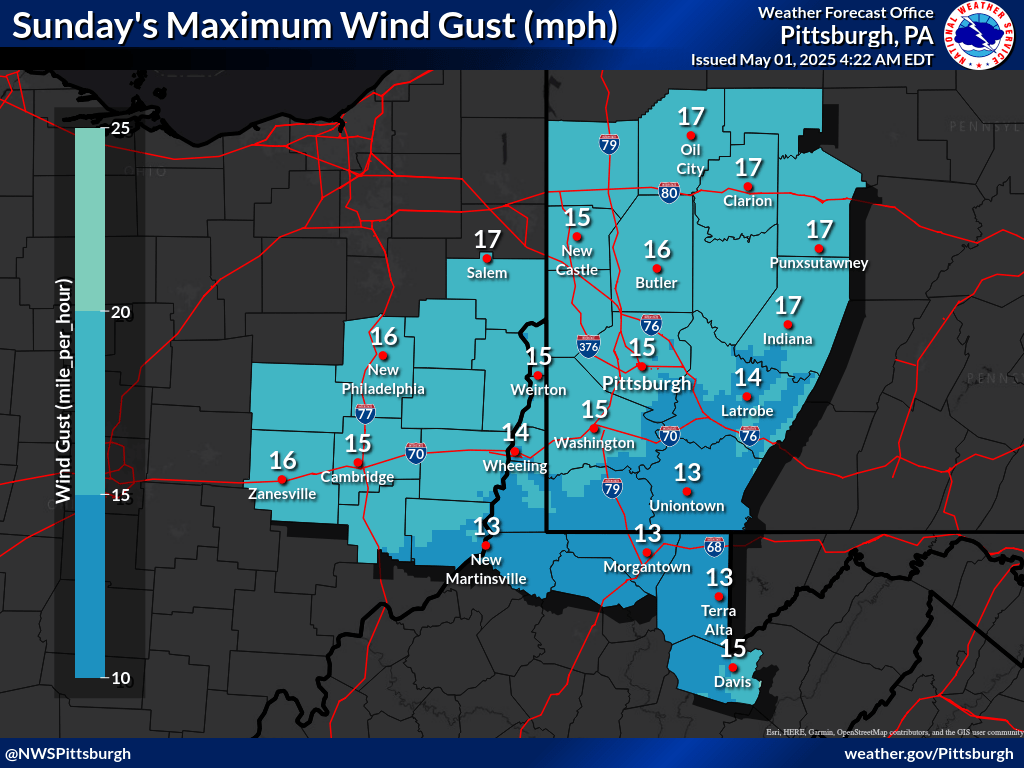
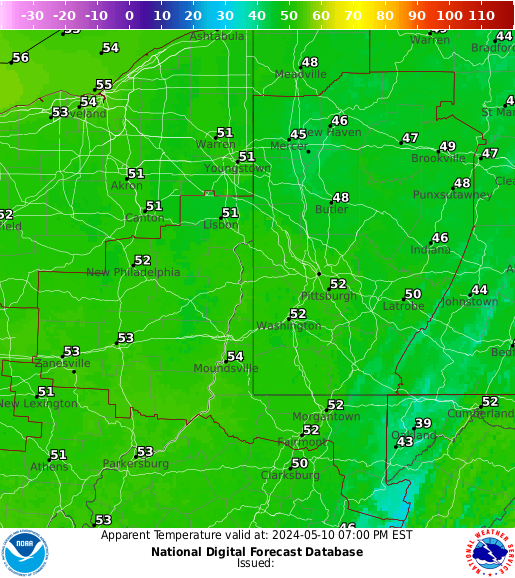
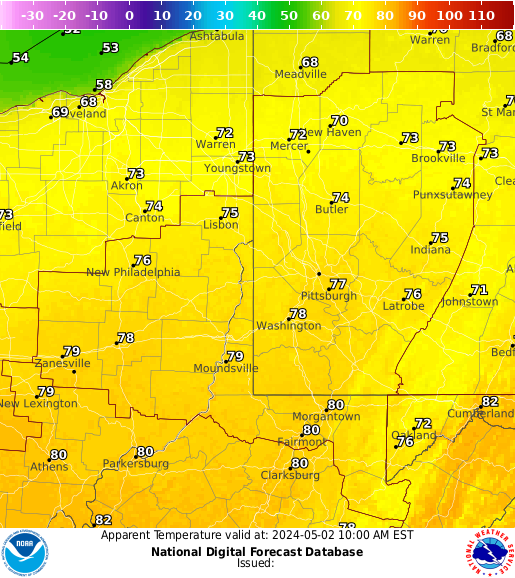
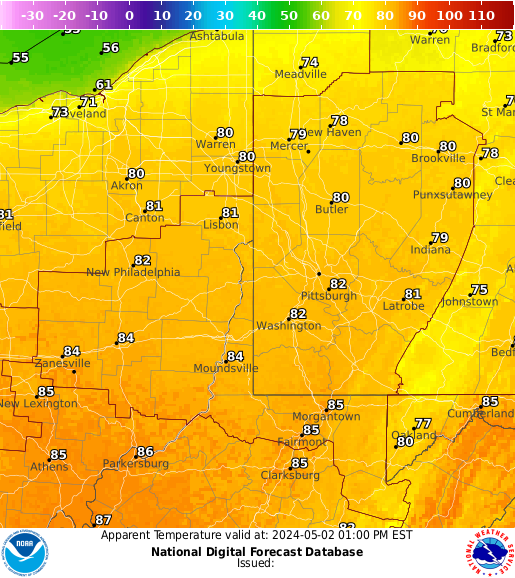
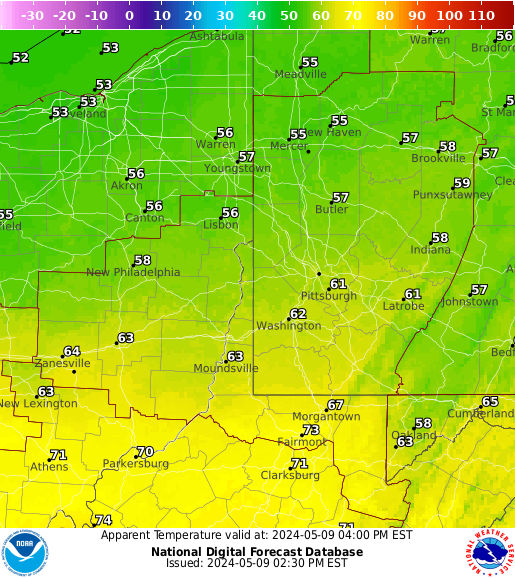
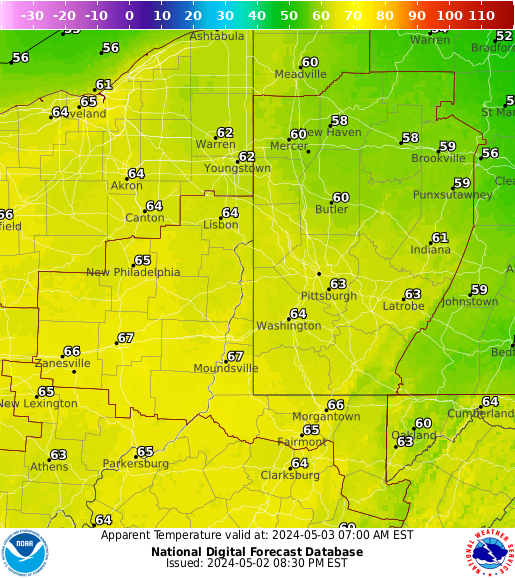
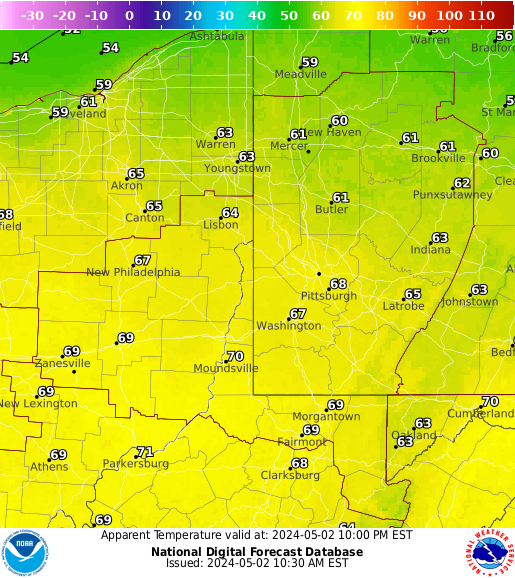
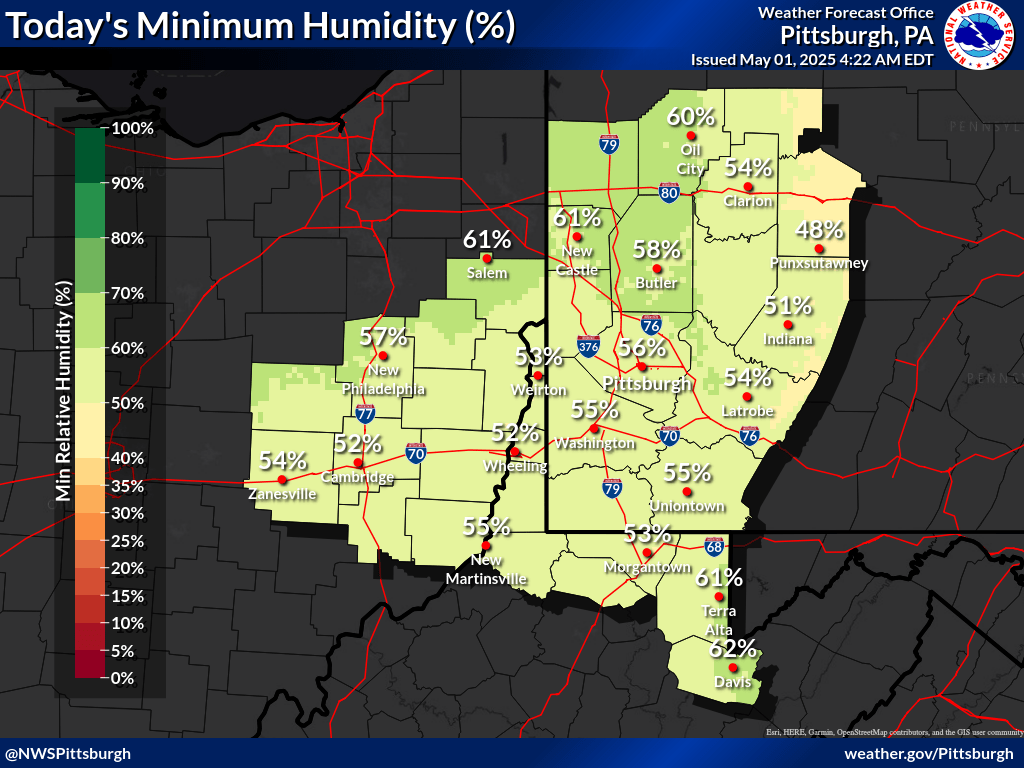
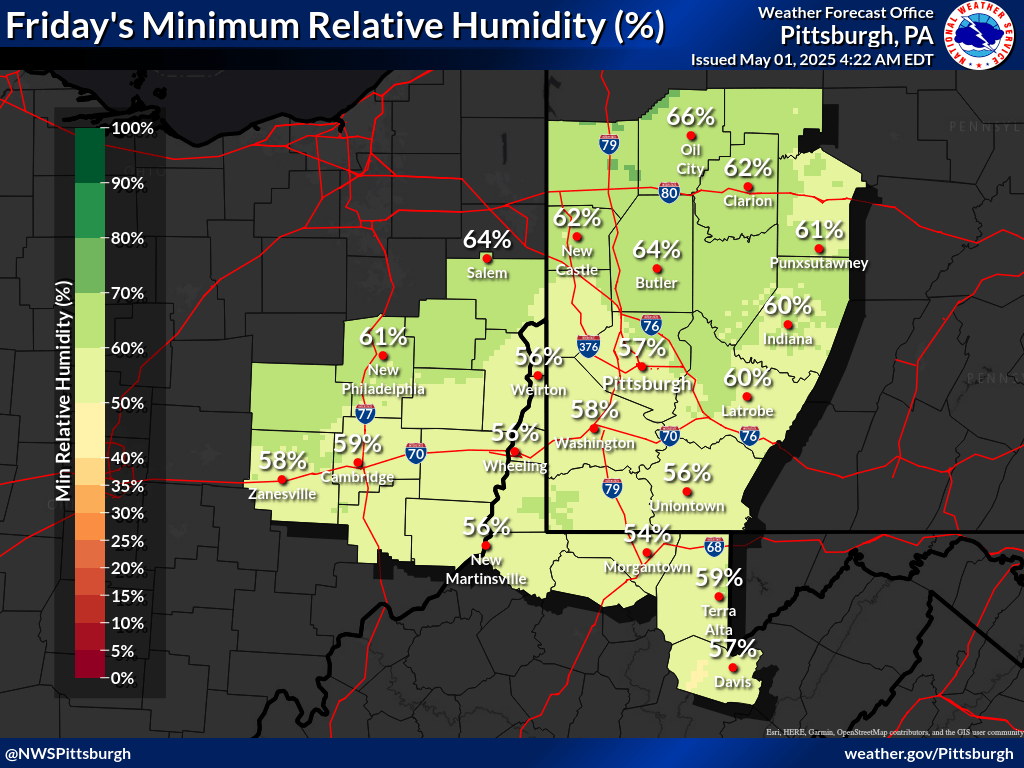
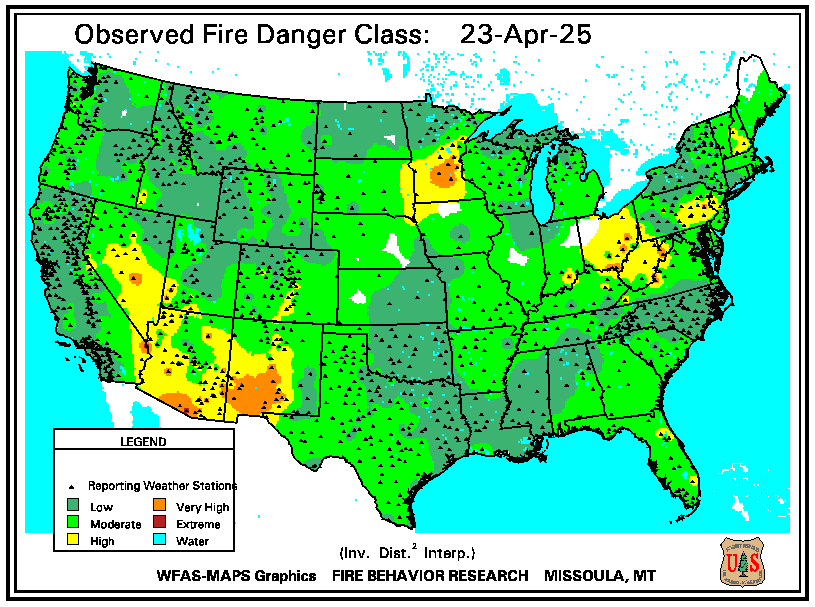
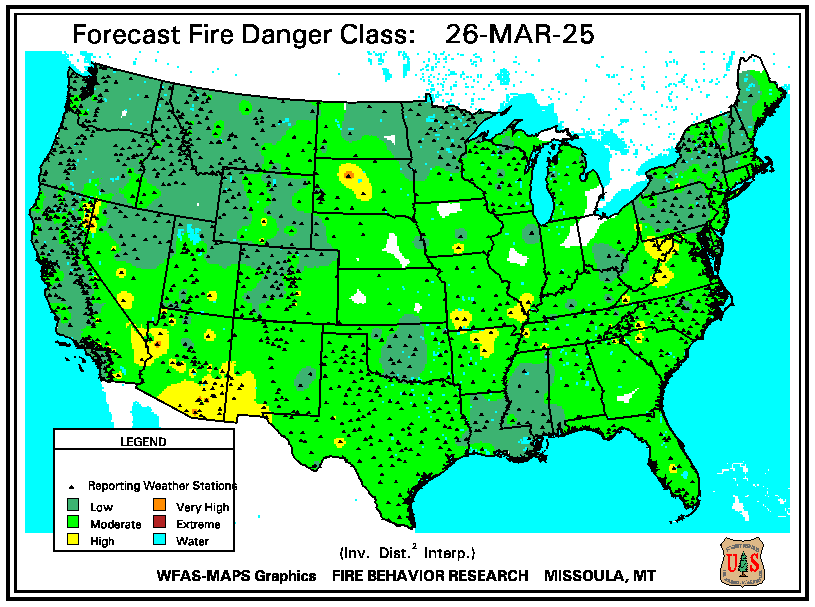
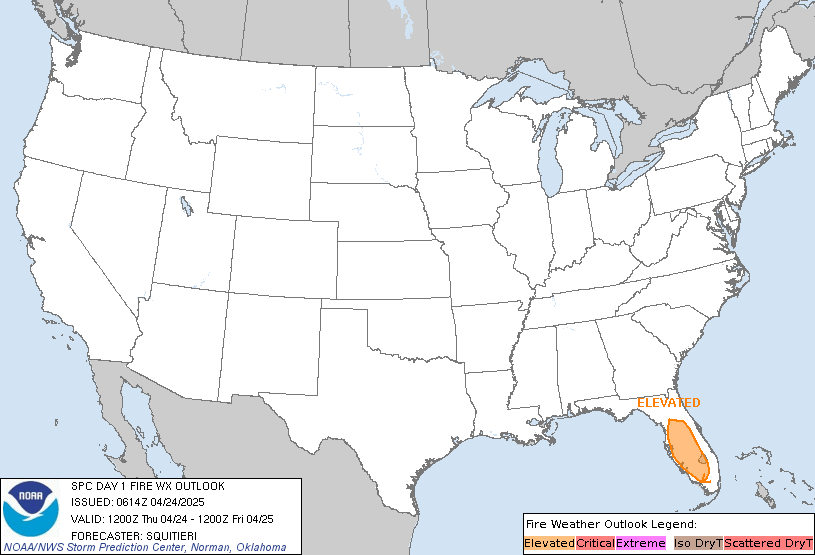
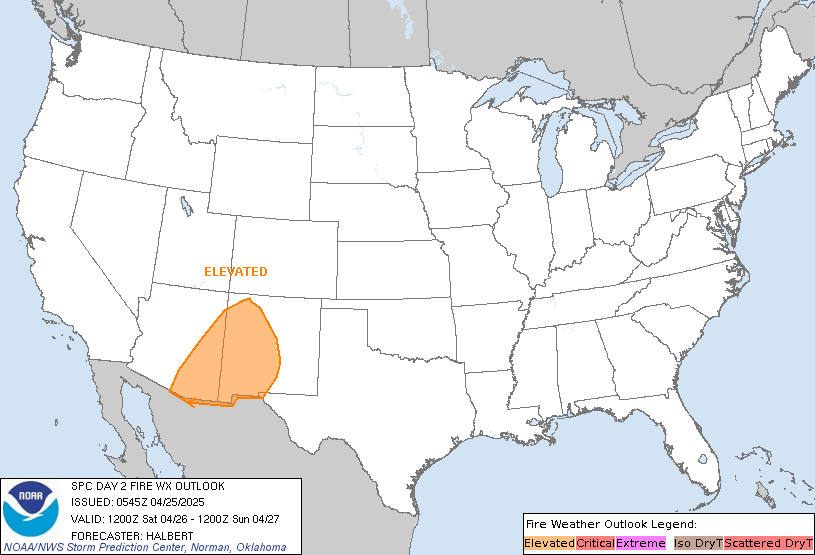
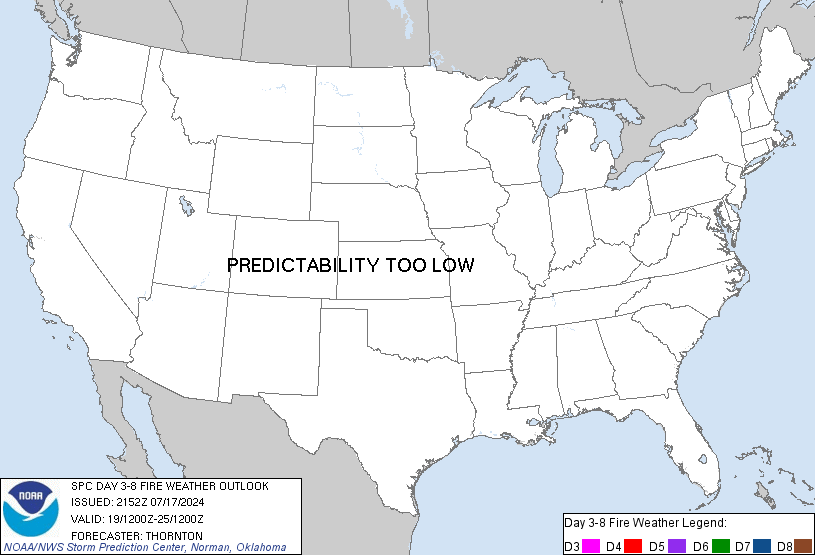
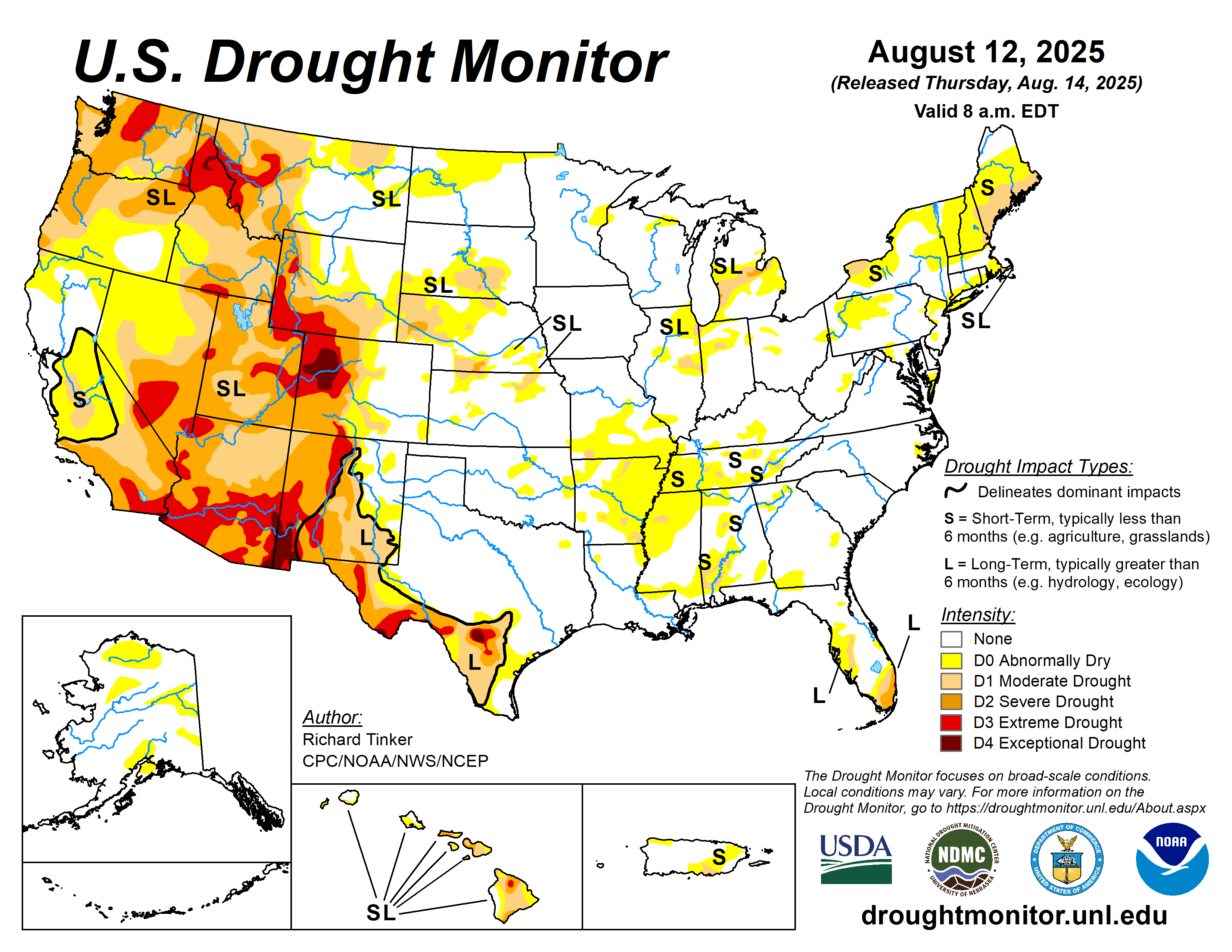
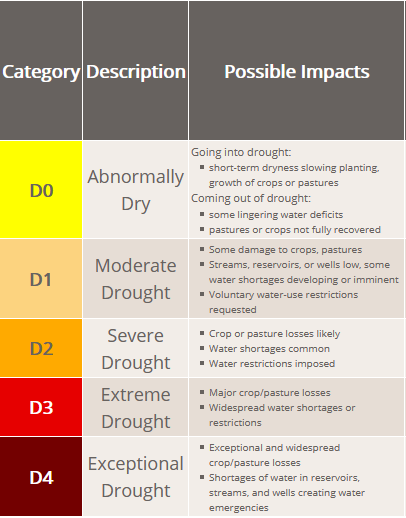
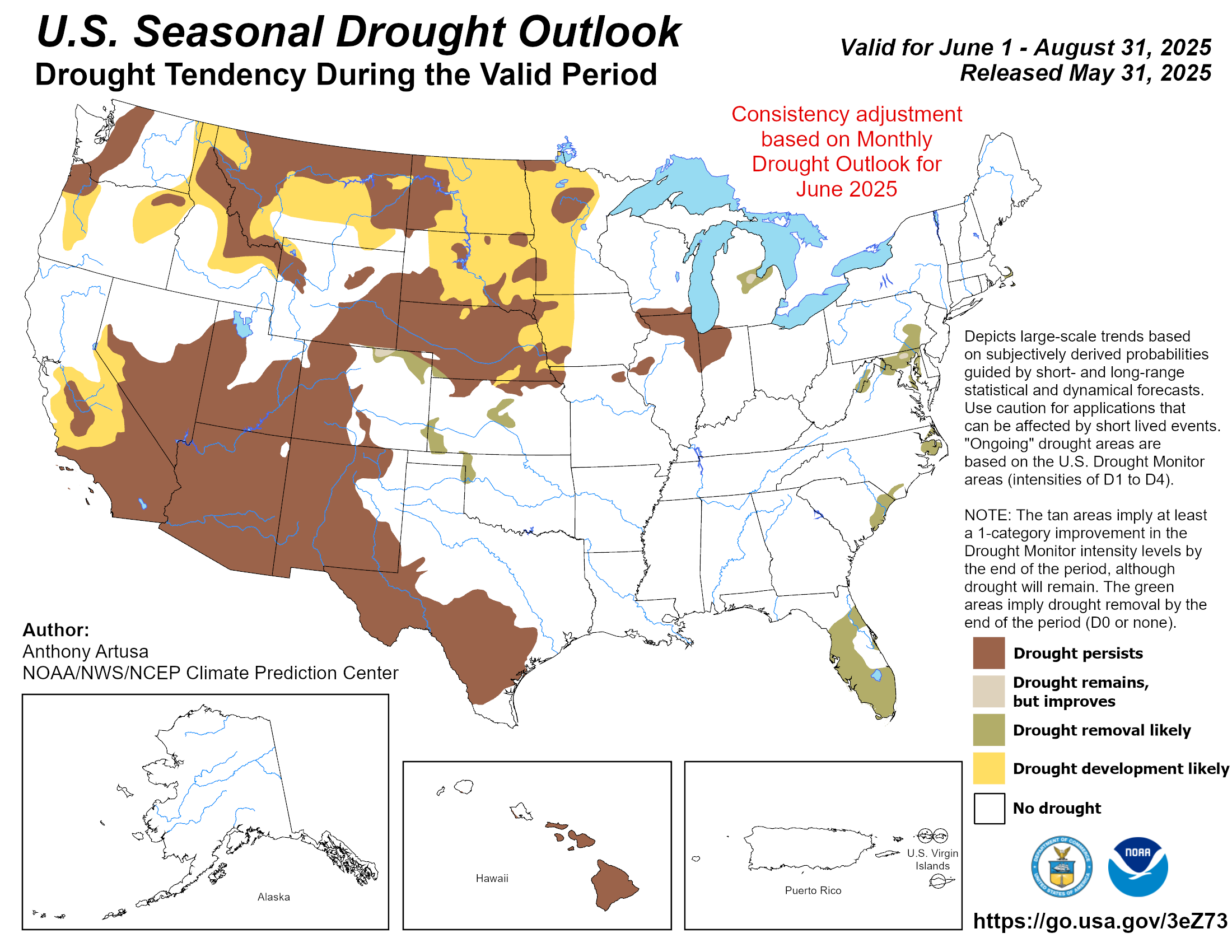
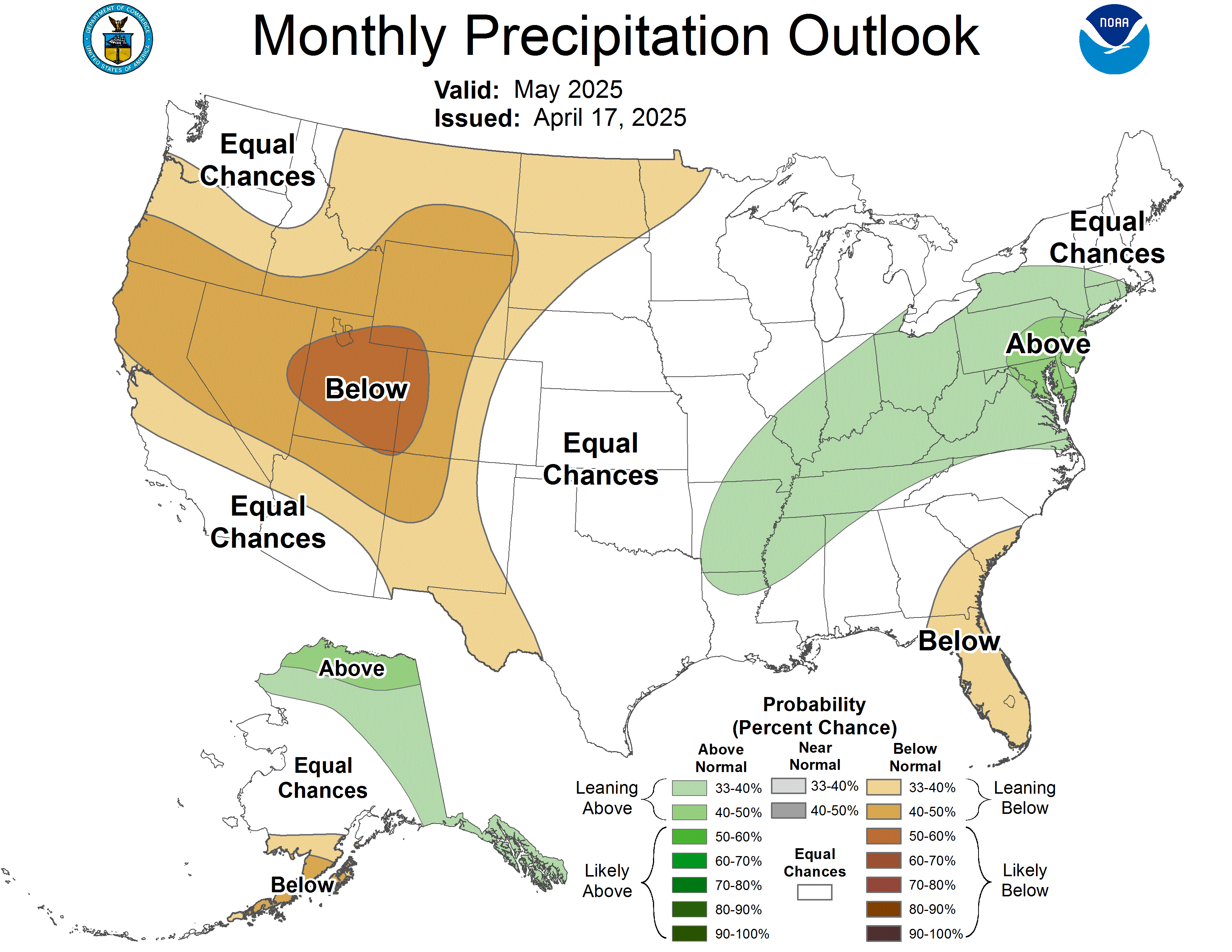
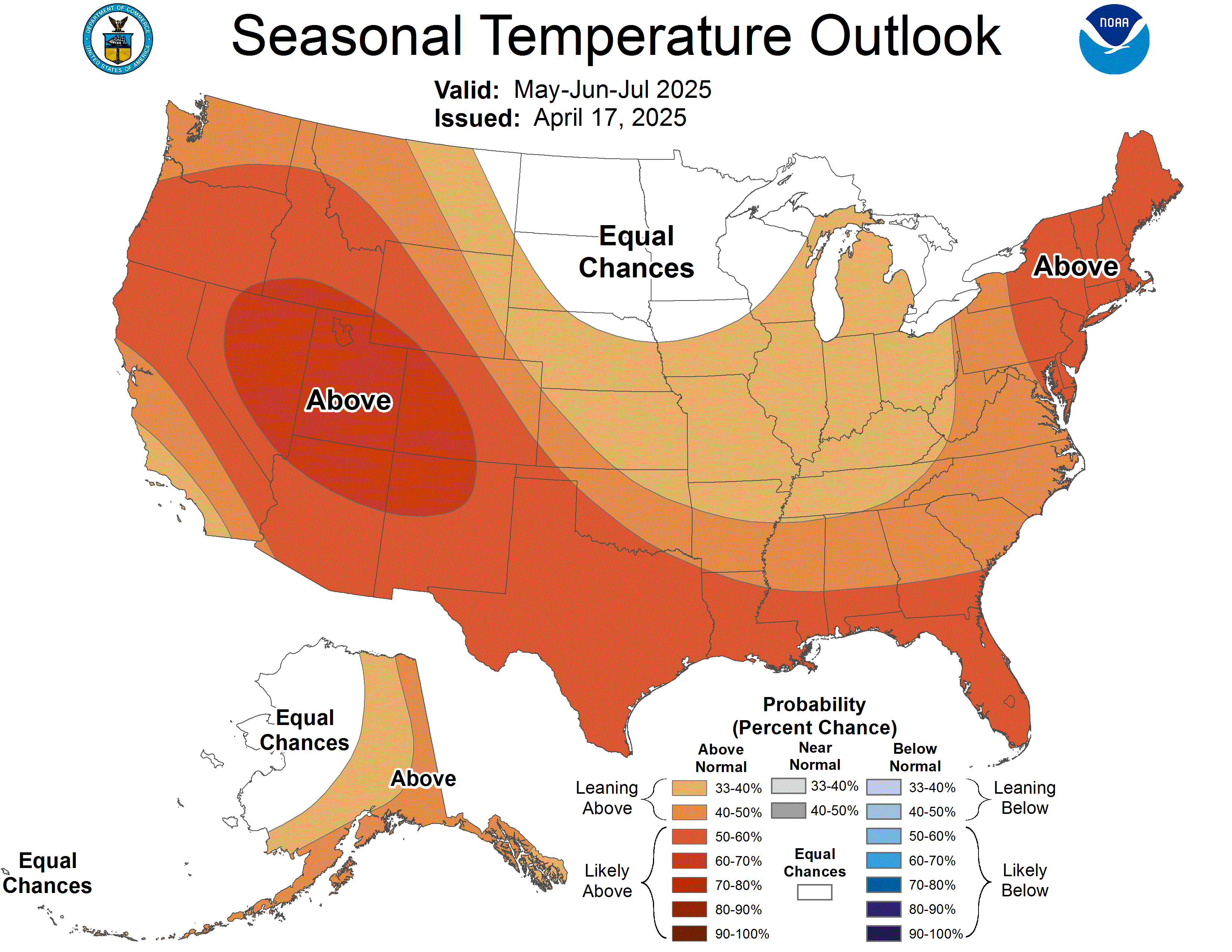
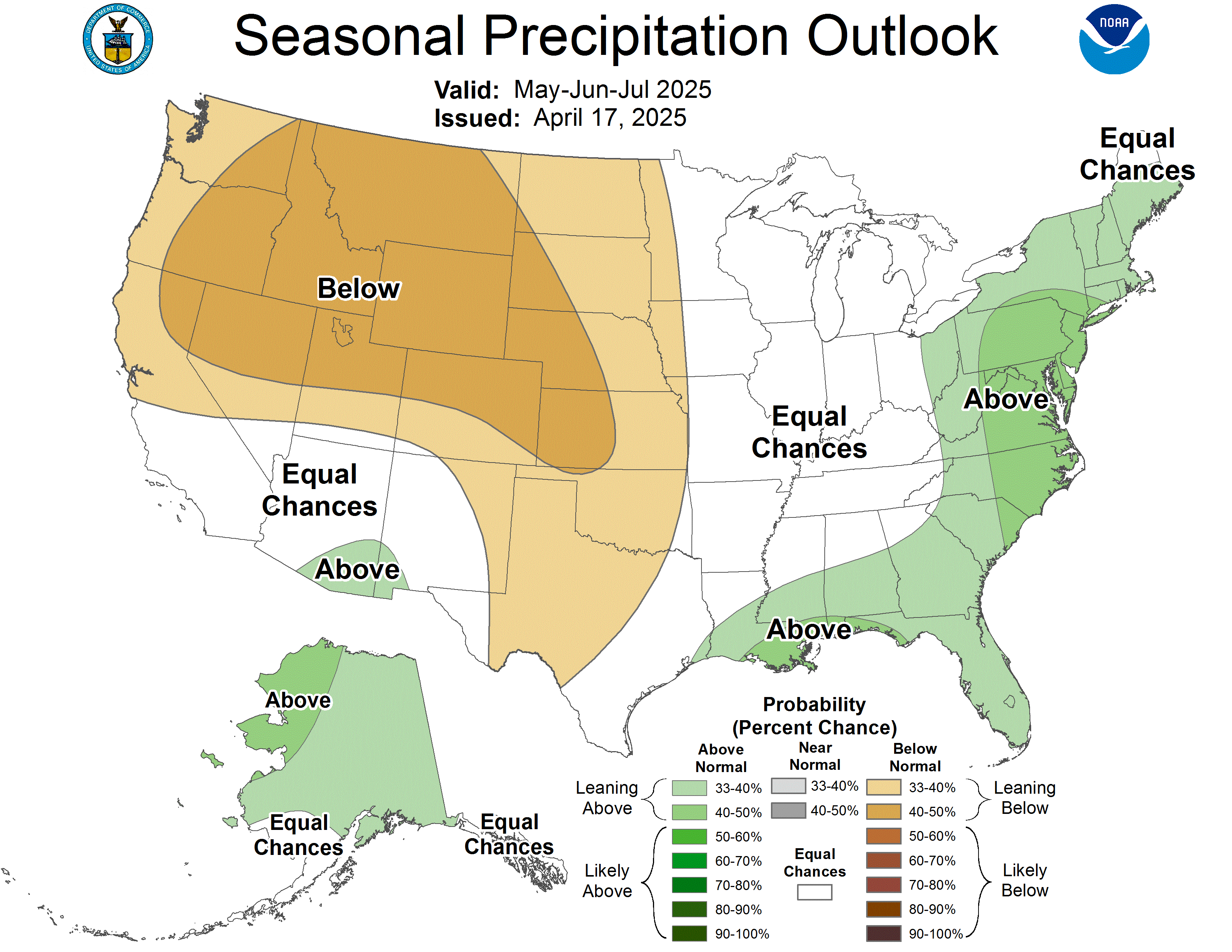
Check for the latest Drought Information Statement (DGT) from NWS Pittsburgh.



 Radar
 Current Weather
 Rivers & Lakes
 Satellite
 Forecast Maps
 Hour by Hour Forecast
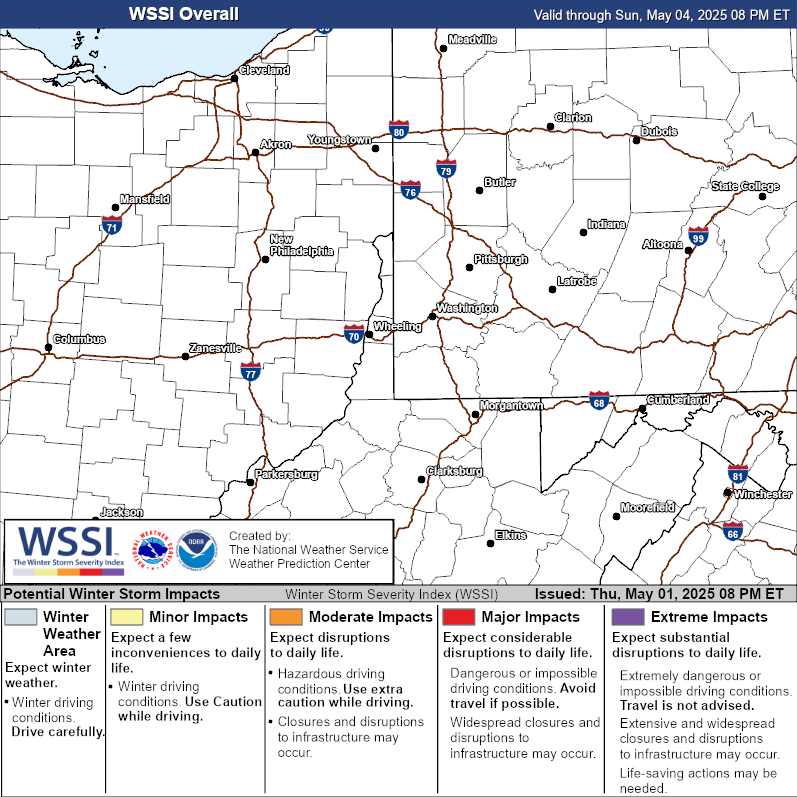
 Winter Weather
 Graphical Hazards
 Weather Hazards Briefing
 Forecaster's Discussion
 Text Bulletins
 Climate Data
 Skywarn
 Submit Storm Report
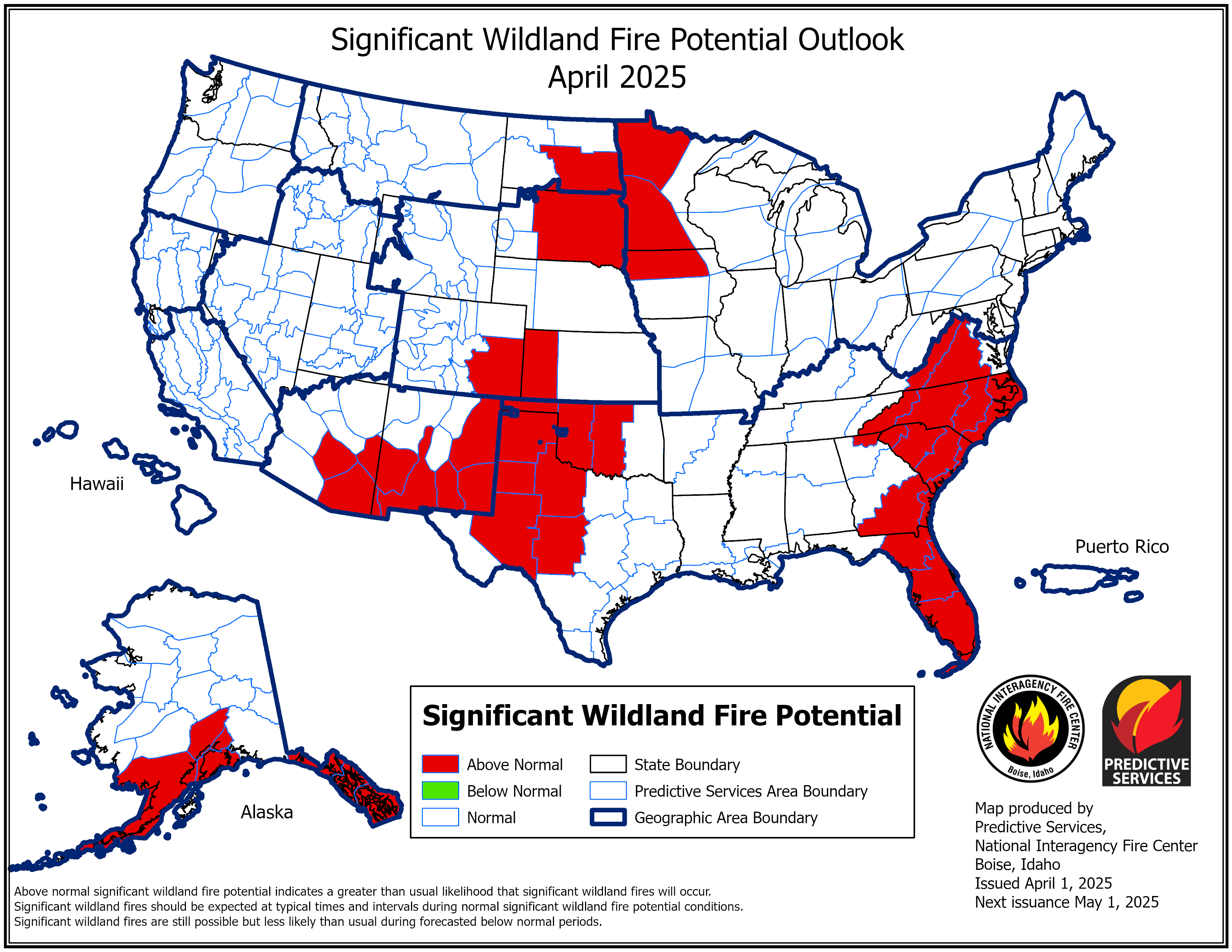
 Fire Weather
 NOAA Weather Radio
 Aviation
 Follow us on X
 Follow us on Facebook
 PBZ RSS Feed