LIGHTNING
  Lightning Fatalities for 2016 by state from NOAA (left) and U.S. Lightning fatalities for 2016 from NOAA (right)
Lightning occurs with ALL thunderstorms. An average 49 deaths and hundreds more injuries occur around the U.S. annually. An estimated 100,000 thunderstorms occur nationwide each year. The southeast Texas area averages 50 to 60 days with thunderstorms per year.
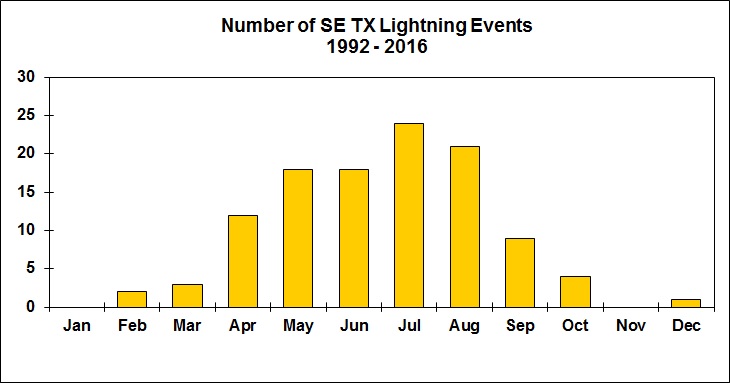
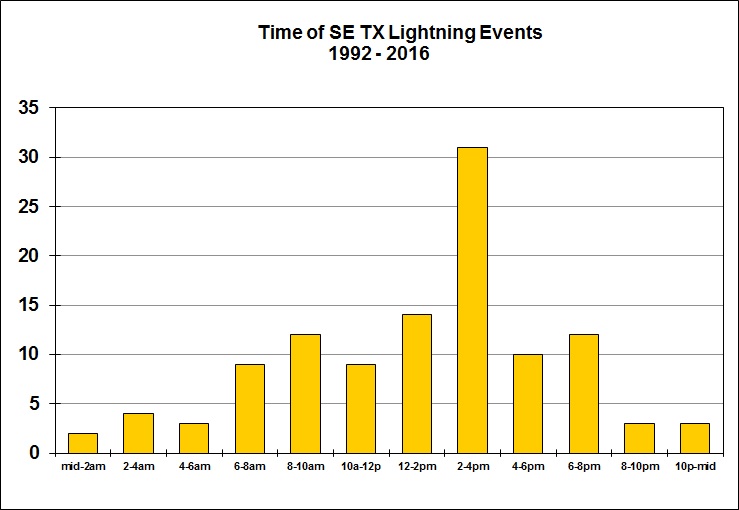
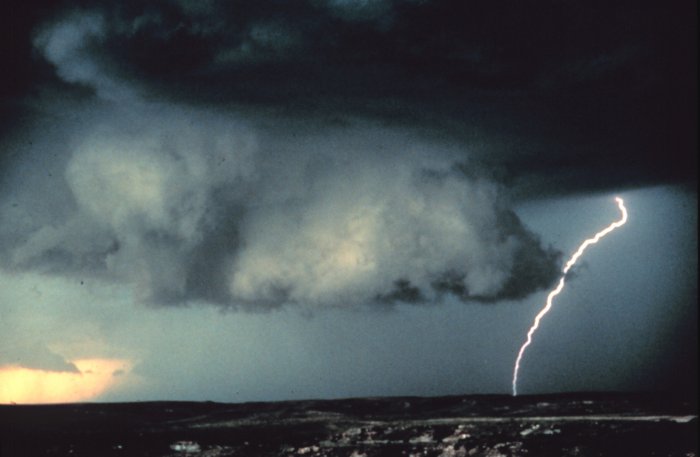 Lightning results from the buildup and discharge of electrical energy between positive and negatively charged areas. Most lightning deaths or injuries occur when people are on a golf course, near water, or standing under trees for shelter. The late afternoon or early evening hours during the summer are the most common times for lightning casualties nationwide, but they can occur just about any time of year near the Gulf coast. The Gulf coast has the highest incidences of lightning strikes annually throughout the U.S. Lightning results from the buildup and discharge of electrical energy between positive and negatively charged areas. Most lightning deaths or injuries occur when people are on a golf course, near water, or standing under trees for shelter. The late afternoon or early evening hours during the summer are the most common times for lightning casualties nationwide, but they can occur just about any time of year near the Gulf coast. The Gulf coast has the highest incidences of lightning strikes annually throughout the U.S.
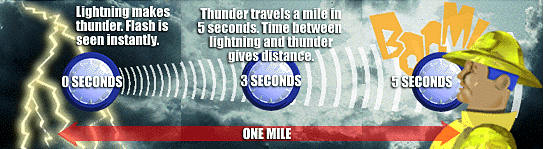
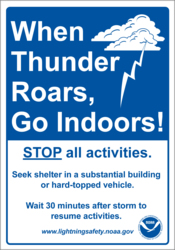
Lightning can strike several miles away from a thunderstorm. If you hear thunder or know a thunderstorm is nearby or approaching, you should immediately take shelter in a building. Remember, when thunder roars, go indoors! and stay away from trees, power poles, antennae and away from lakes ponds and water. Stay away from metal objects such as fences, railroad tracks and metal bleachers. If a closed building is not available, a closed automobile is your next best option for a relatively safe place when lightning occurs. Avoid using telephones and electrical appliances during a thunderstorm.
If you are caught outside during a thunderstorm...
No place outside is safe when lightning is in the area, but if you are caught outside with no safe shelter anywhere nearby, the following may reduce your risk:
- Immediately get off elevated areas such as hills, mountain ridges or peaks
- Never lie flat on the ground
- Stay away from tall isolated trees, power poles and antennae.
- Immediately get out and away from ponds, lakes and other bodies of water
- Stay away from objects that conduct electricity (fences, power lines, railroad tracks, metal bleachers)
- Wait at least 30 minutes since the last thunder is heard to resume activities
If someone is stuck..
- Victims do not carry an electric charge and may require immediate medical attention
- Monitor the victim and begin CPR or AED if necessary
- Call 911 for help
For additional lightning safety information and resources, visit the National Weather Service Lighting Safety Web Site.
What are some lightning events that have impacted Southeast Texas?
- July 15, 2012: Two men died when they were struck by lightning while sheltering under a tree during a thunderstorm. The two men had been playing in a soccer match and sheltered under a tree on the perimeter of the soccer field when the storm began.
-
- June 30, 2012: A utility worker was killed while repairing a power line in northeast Harris County. The man was initially revived at the scene but died the next day.
-
- September 9, 2010: On an elementary school soccer field in Porter (Montgomery County), a 21 year old male and a 9 year old female were struck by an early evening lightning strike. The male's injuries proved fatal almost one month later. The female recovered from her injuries.
-
- June 3, 2009: A male jogger was found dead on Crystal Beach (Bolivar Peninsula, Galveston County). The victim had burns on his torso from a mid morning lightning strike.
-
- October 7, 2007: An afternoon lightning strike in Danburry (Brazoria County) killed a man who was standing underneath a tree.
-
- June 5, 2007: An early morning lightning strike injured a man who was lying on the beach a few miles southwest of the mouth of the Colorado River (Matagorda County).
-
- May 13, 2007: Four people were injured from a afternoon lightning strike at Bear Creek Park (Harris County).
-
- September 14, 2004: One fatality and forty injuries resulted from an afternoon lightning strike during a high school football practice in Grapeland (Houston County).
-
- August 2, 2000: Seventeen teenagers were injured when lightning struck a tree at Astroworld (Harris County) in the afternoon.
Lightning Statistics for Southeast Texas (1992-2016)
|



 Follow us on X
 Follow us on Facebook
 Follow us on YouTube
 HGX RSS Feed