
 August 7, 2025 - Prediction remains on track for above-normal Atlantic hurricane season
As the 2025 Atlantic Hurricane Season enters its historical peak, atmospheric and oceanic conditions continue to favor an above-normal season as NOAA first predicted in May.
 March 27, 2025 - Water level observations return on the Potomac River at Harpers Ferry, West Virginia
Continues nearly 150 years of river level record keeping for a flood-prone region
.png) March 20, 2025 - Spring Outlook: Dry in the West, milder than average in the South and East
March 20, 2025 - Spring Outlook: Dry in the West, milder than average in the South and East
Drought to develop or persist for Rocky Mountains, Southwest and southern Plains. Forecasters predict above-average temperatures for the East and Gulf Coast regions, while drought conditions continue in the Southwest.
 March 18, 2025 - March 18, 1925: Lookback on a harrowing day for the Tri-State of Missouri, Illinois, and Indiana.
One hundred years ago, residents of Missouri, Illinois, and Indiana experienced a real-life horror that we now refer to as the “Tri-State Tornado.”
 March 10, 2025 - National Weather Service revamps Heat Watch and Heat Warning products
To assist with people’s understanding of heat forecasts ahead of the summer season, NOAA’s National Weather Service (NWS) is simplifying its Heat Watches and Heat Warnings.
 March 7, 2025 - 2024 Tornado Activity Reached Near-Historic Levels Across the U.S.
The severe weather that occurred in the U.S. in 2024 can be characterized as near historic and resulted in the second-highest number of tornadoes since record-keeping began in 1950, according to NOAA’s Storm Prediction Center, which is part of the National Weather Service.
 January 13, 2025 - New NOAA system ushers in next generation of hurricane modeling, forecasting
National Hurricane Center saw improved forecast accuracy during 2024 Atlantic hurricane season
 December 20, 2024 - Holiday travels throughout the U.S.
The 2024 holiday season features a rare occurrence of Christmas Day falling on the first day of Hanukkah - which could mean even more folks will be in the air and on the roads than usual. And this time of year, the weather can be downright frightful!
 December 16, 2024 - Get the science behind tsunamis
A tsunami is a series of waves generated by a large and sudden displacement of the ocean.
 December 4, 2024 - 4 tips to keep you safe during a snow squall
It’s that time of year to watch out for one of the most dangerous and underplayed winter hazards while on the road: Snow squalls.
 November 25, 2024 - Atlantic hurricane season races to finish within range of predicted number of named storms
The 2024 Atlantic hurricane season, which officially ends on Nov. 30, showcased above-average activity, with a record-breaking ramp up following a peak-season lull.
 October 1, 2024 - National Weather Service revises watch, warning and advisory products for cold
Hazard Simplification project seeks to simplify weather messaging
 September 26, 2024 - Update to U.S. precipitation frequency standards now accounts for climate trends
NOAA seeks stakeholder feedback on Precipitation Atlas 15 pilot data before expanding nationwide
 September 25, 2024 - NOAA expands Flood Inundation Mapping to 30% of the U.S. population
Mapping services improve flood communication with emergency managers and the public
 September 19, 2024 - Precipitation frequency estimates updated for Idaho, Montana and Wyoming
NOAA Atlas 14 is the authoritative source for precipitation frequency information; used in flood risk management and infrastructure design
 September 6, 2024 - Fall safety: Prepare for wildfires and pending winter weather
Fall may bring images of changing leaves, football games and pumpkin patches to mind, but as we prepare for these annual autumn favorites, it’s also time to prepare for potential weather hazards.
 August 30, 2024 - Fall into autumn with seasonal safety resources
Stay up to date and be prepared by using National Weather Service (NWS) safety tips and infographics. And help spread the word by sharing this information with your family, friends, and social networks!
 August 19, 2024 - National Weather Service completes major upgrades to weather radars
The Radar Operations Center completed a $150 million, nine-year Service Life Extension Program (SLEP) that extends the lifespan of the 159 weather radars that make up the nation’s Next Generation Weather Radar network (NEXRAD).
 July 22, 2024 - NOAA tests next-generation wildfire detection and warning tools
The Next Generation Fire System uses AI to identify fires from observations made by GOES satellites
 July 19, 2024- 'Twisters' movie: NOAA tornado science and staff behind the scenes
NOAA scientists worked with the film's producers to help make content more accurate
 July 16, 2024 - Fire weather tools from the National Weather Service
Whether it is a prescribed burn, ground fire or crown fire, wildland fire managers can use tools from the NWS to help monitor and fight wildfires.
 July 8, 2024 - NOAA’s GOES-U reaches geostationary orbit 22,236 miles above Earth’s equator
Satellite is now designated GOES-19
 June 26, 2024 - Handling waves and currents: How to stay safe in the water
Planning a beach vacation this Independence Day or for later this summer? NOAA’s National Weather Service (NWS) wants you to know how to stay safe when you’re in the water.
 June 25, 2024 - NOAA's GOES-U satellite has lift-off!
Watch video of the satellite launch.
 June 10, 2024 - NOAA to evaluate observations gathered using nano sized UAS in Tulsa, Oklahoma
WeatherHive’s uncrewed nano drones will gather real-time atmospheric measurements in the boundary layer
 June 7, 2024 - Staying Weather-Ready in the great outdoors this summer
NWS Celebrates the important work of our WRN Ambassadors in helping communities address the impacts of extreme weather.
 June 3, 2024 - The Beach and Sun: Summer Safety Tips from NOAA
At the National Weather Service, we usher in each season with new safety tips and infographics on key weather hazards to keep everyone ahead of any storm.
 May 24, 2024 - NOAA to evaluate observations from weather drones
NOAA partners with GrandSKY, Synoptic Data PBC and Meteomatics on research project in North Dakota to deploy advanced weather drones to gather upper air observations to determine usefulness to weather forecasting
 May 24, 2024 - Don’t Fry! Protect Yourself From the Dangers of the Sun
The sun’s UV rays can cause sunburn and damage your skin in as little as 15 minutes, while making you more susceptible to dehydration and heat related illness, such as heat exhaustion and heat stroke.
 May 23, 2024 - NOAA predicts above-normal 2024 Atlantic hurricane season
La Niña and warmer-than-average ocean temperatures are major drivers of tropical activity
 May 22, 2024 - Rip current safety ahead of the Memorial Day weekend
NOAA’s National Weather Service (NWS) is reminding beach goers ahead of the Memorial Day weekend to be aware of the dangers of rip currents and other beach hazards -- and to only swim on beaches that have a lifeguard, if at all possible.
 May 21, 2024 - NOAA predicts a below-normal 2024 central Pacific hurricane season
A quick transition to La Niña conditions is likely this summer
 May 17, 2024 - Biden-Harris Administration invests $30M to improve tsunami ocean-observing system through Investing in America agenda
Funding will support NWS efforts to increase tsunami detection capability for improved tsunami warnings
 May 11, 2024 -- NOAA, Verizon team up to advance disaster response research
Project will explore use of UAS to collect aerial imagery of storm-damaged areas
 May 10, 2024 - NOAA forecasters issue geomagnetic storm warning
Space weather forecasters have observed at least seven coronal mass ejections (CMEs) from the sun.
 April 30, 2024 - Science First Responder: A day in the life of NOAA fire weather forecaster Robert Rickey
When a large wildfire breaks out, NWS is on the scene to help fight fires with weather forecasts
 April 22, 2024 - NOAA expands availability of new heat forecast tool ahead of summer
Collaboration with CDC provides health guidance for those most vulnerable to heat
 April 3, 2024 - 50 years later: Remembering the 1974 tornado Super Outbreak
50 years ago today, the South and part of the Ohio and Tennessee Valleys were devastated by one of the most significant weather events in U.S. history.
 March 28, 2024 - National Weather Service launches new website for water prediction and products
This new hub for water data, products and services combines local and regional forecasts with water data and new national level capabilities, such as flood inundation maps and the National Water Model.
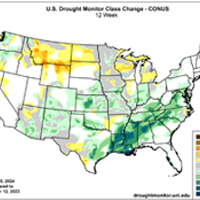 March 11, 2024 - El Niño brought drought relief to places that needed it most
One of the strongest El Niño events on record is starting to weaken as the winter of 2023-2024 enters its final days
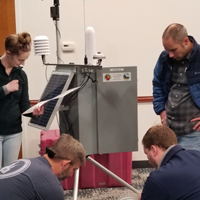 March 7, 2024 -- NOAA Incident Meteorologists prepare for wildfire season
Fire weather training sharpens skills, ensures IMET readiness to keep firefighters safe
 March 1, 2024 - A change of seasons: 2024 NWS Spring Safety Campaign
At the National Weather Service, we usher in each season with a slew of new safety tips and infographics on key pertinent weather hazards to keep everyone ahead of the storm.
 February 7, 2024 - NOAA and Honeywell to explore use of HALAS upper-air data to aid in weather forecasting
Instrument will gather atmospheric pressure, temperature, humidity, wind speed and direction, similar to weather balloons
 February 6, 2024 -- National Hurricane Center proposes changes to the tropical cyclone forecast cone graphic
In August, NHC will begin issuing an experimental version of the cone graphic that includes watches and warnings for inland tropical storms and hurricanes.
 January 17, 2024 - NOAA prepares GOES-U satellite for launch
Learn about the milestones the spacecraft must complete before liftoff this spring
 January 12, 2024 - NWS launches new website to house the next generation of water forecast services and flood inundation maps
Access to water data and water prediction services from NOAA’s National Weather Service just got easier.
 January 10, 2024 - Administration invests $34 million for NOAA fire weather research through Investing in America agenda
Funds will be used to improve early wildfire detection, support emergency response and keep wildland firefighters safe.
 December 19, 2023 - Holiday Weekend Forecast: Mild for Most, Storms for Some
Meteorologists at the National Weather Service may be dreaming of a white Christmas, but they’re not forecasting one for most of the United States. At least the weather is favorable for most people who have plans to travel this year! Here’s the day-by-day breakdown of what to expect.
 December 8, 2023 - New path for space weather collaboration among federal agencies
Space weather scientists at NOAA and experts across the government celebrated a new collaborative effort to improve space weather forecasts and services to mitigate impacts of space weather.
 November 28, 2023 - 2023 Atlantic hurricane season ranks 4th for most-named storms in a year
The above-normal 2023 Atlantic hurricane season, which officially ends on Nov. 30, was characterized by record-warm Atlantic sea surface temperatures and a strong El Nino.
 November 21, 2023 - Thanksgiving weekend: A chill in the air for most, snow in the West
NOAA forecasters anticipate chilly temperatures across the country for Thanksgiving Day and the holiday weekend, with overall low chances of precipitation.
 November 8, 2023 - NOAA-21 Satellite is Now Fully Operational
The newest satellite in the Joint Polar Satellite System (JPSS) constellation that provides critical weather data, NOAA-21 launched last year and has now completed its post-launch testing period.
 October 27, 2023 - NOAA hosts exercise on space weather threats to satellite operations
Satellite orbital drag and energetic particles topped the list of space weather threats to low-Earth orbit satellites discussed at the Satellite Environment Testbed Exercise held in Boulder, Colorado this week.
 October 26, 2023 - NOAA uses Artificial Intelligence to translate forecasts, warnings into Spanish and Chinese
NOAA’s National Weather Service has provided manual translations of weather forecasts and warnings in Spanish for the past 30 years, but now the agency has a new tool to be more accurate, efficient and equitable.
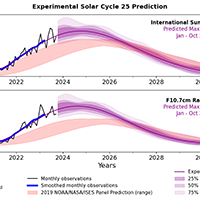 October 25, 2023 - NOAA forecasts quicker, stronger peak of solar activity
NOAA’s Space Weather Prediction Center issued a revised prediction for solar activity during Solar Cycle 25 that concludes solar activity will increase more quickly and peak at a higher level than previously predicted.
 October 19, 2023 - U.S. Winter Outlook: Wetter South, warmer North
This year, El Nino is in place heading into winter for the first time in four years, driving the outlook for warmer-than-average temperatures for the northern tier of the continental United States.
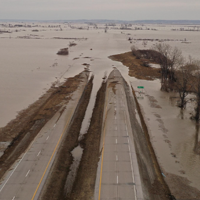 October 11, 2023 - Biden-Harris Administration invests $26 million to improve NOAA forecasts of droughts and floods through public-private partnership
The Bipartisan Infrastructure Law will support NOAA’s efforts to improve monitoring of soil moisture and snow levels throughout the Upper Missouri River Basin.
 September 27, 2023 - Biden-Harris Administration announces $80 million through Investing in America Agenda to improve flood prediction capabilities
This funding supports NOAA’s efforts to upgrade the National Water Model and expand Flood Inundation Mapping services.
 September 26, 2023 - NWS unveils new experimental flood inundation maps for much of east Texas, central Pennsylvania and parts of the Northeast
These new services complement and support the issuance of flood watches and warnings by providing near-real-time, high-resolution, street-level visualizations showing where, when, and how much flood waters are forecast.
 August 10, 2023 - NOAA forecasters increase Atlantic hurricane season prediction to ‘above normal’
Forecasters believe that current ocean and atmospheric conditions, such as record-warm Atlantic sea surface temperatures, are likely to counterbalance the usually limiting atmospheric conditions associated with the ongoing El Nino event.
 August 10, 2023 - NOAA completes upgrade to weather and climate supercomputer system
The increased computing power and storage will help improve forecast model guidance for years to come and allow for other weather prediction advances.
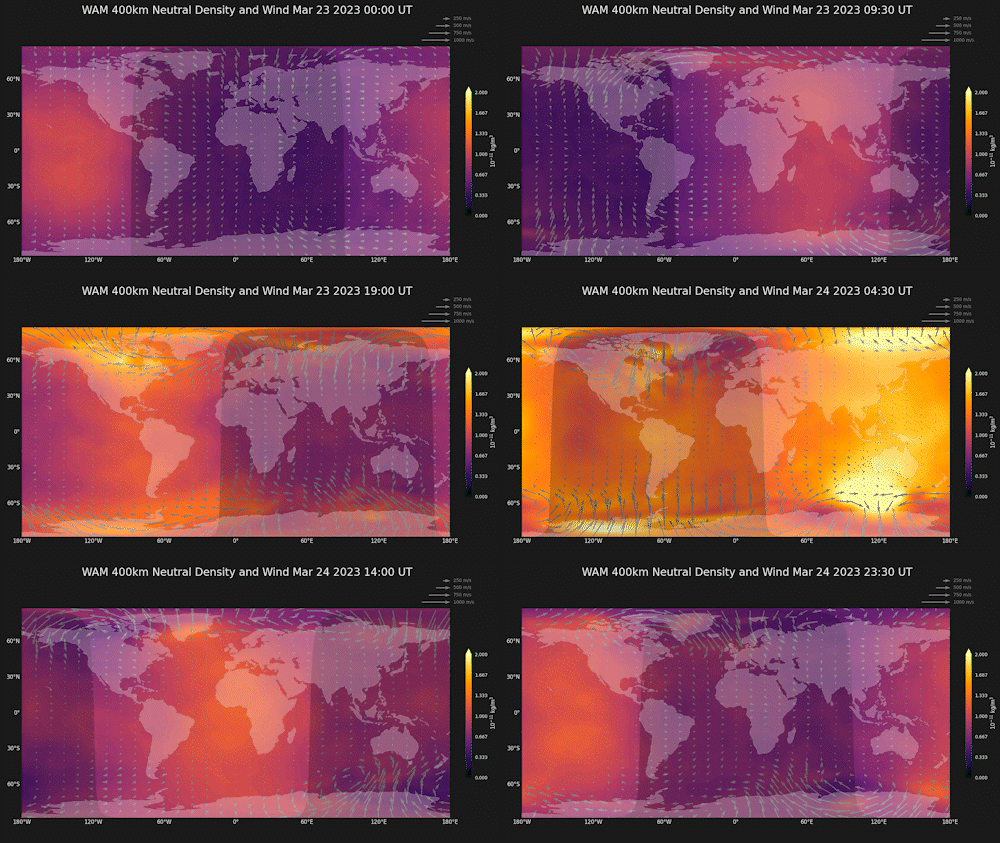 July 27, 2023 - NOAA advances space weather prediction for satellite industry with model upgrade, new products
Model upgrade will provide increased lead time for predicting the impact of geomagnetic storms on communications and navigation systems and will deliver new products for satellite operators to help with decision-making, maneuver planning, orbit prediction, and collision avoidance.
 July 24, 2023 - Creating A Cohesive Marine Forecast
The National Weather Service (NWS), in collaboration with other nations, plays a critical role in generating marine forecasts that contribute to a global network of marine information such as wind speed, wave height, and more.
 July 13, 2023 - NOAA launches new hurricane forecast model as Atlantic season starts strong
The new model will run alongside existing models for the 2023 season before replacing them as NOAA’s premier hurricane forecasting model.
 July 6, 2023 - 8 tools you can use to stay lightning safe this summer
With summer heat comes pop-up thunderstorms across much of the U.S., leading to a daily threat of lightning and other thunderstorm hazards.
 June 29, 2023 - Rip current safety ahead of the July 4th weekend
The National Oceanic and Atmospheric Administration’s (NOAA) National Weather Service (NWS) is reminding beach goers ahead of the July 4th weekend to be aware of the dangers of rip currents and other beach hazards -- and to swim near a lifeguard, if at all possible.
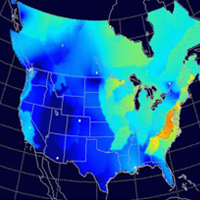 June 21, 2023 - NOAA upgrades space weather model used by the electric power industry
When severe and extreme geomagnetic space weather storms occur, they can generate unexpected currents in electric power transmission lines at the surface, putting the stability of electrical grids at risk. Providing accurate and timely information that allow grid operators to protect their systems is one of the primary missions of NOAA’s Space Weather Prediction Center.
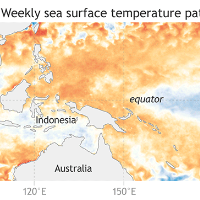 June 8, 2023 - NOAA declares the arrival of El Nino
The expected El Nino has emerged, according to scientists at NOAA’s Climate Prediction Center, a division of the National Weather Service.
 June 2, 2023 - Solar Cycle 25 time-lapse and timeline from December 2019 to April 2023
New time-lapse shows increasing activity on the Sun. NOAA satellites captured the activity while NOAA's Space Weather Prediction Center forecasters issued alerts, watches and warnings, and tracked the solar events.
 May 25, 2023 - NOAA predicts a near-normal 2023 Atlantic hurricane season
NOAA is forecasting a range of 12 to 17 total named storms (winds of 39 mph or higher). Of those, 5 to 9 could become hurricanes (winds of 74 mph or higher), including 1 to 4 major hurricanes (category 3, 4 or 5; with winds of 111 mph or higher).
 May 2, 2023 - NOAA upgrades model to improve forecasts of storm surge during tropical cyclones
This upgrade advances storm surge modeling and forecasting for the contiguous U.S. (CONUS), Puerto Rico and the U.S. Virgin Islands, and comes just in time for the 2023 hurricane season beginning on June 1 and running through November 30.
 April 27, 2023 - Storms from the sun spark collaboration at 24th annual Space Weather Workshop
Scientists and industry offer solutions to improve space weather observations, prediction
 April 24, 2023 - Severe geomagnetic storm hits Earth
NOAA forecasters observed a severe geomagnetic storm (G4) on Earth April 23. The G4 storm was caused by a filament eruption on the sun associated with a solar flare.
 April 11, 2023 - NWS prepares for major upgrade to TAO buoy array
Experts at the National Data Buoy Center have designed a more strategically placed TAO array and the buoys will have additional sensors and new capabilities. Better data will improve the prediction and understanding of El Niño/La Niña climate patterns, which affect weather around the world.
 April 10, 2023 - Mike Brennan selected as director of NOAA’s National Hurricane Center
NOAA has selected Mike Brennan, Ph.D., to serve as the next director of NOAA’s National Hurricane Center (NHC) in Miami, as preparations continue ahead of the 2023 hurricane season. He will assume this new role effective today, April 10, 2023.
 April 7, 2023 - Space weather forecasting and impacts: what you need to know
We connected with SWPC’s Rob Steenburgh to talk about space weather and what to expect during Solar Cycle 25’s solar maximum.
 April 6, 2023 - When Knowing Your Safe Place Meant Everything: The January 2023 Selma, AL Tornado
In the early morning of January 12, 2023, the director of Crosspoint Daycare in Selma, Alabama, gave her employees a quick overview of the potential for severe weather later that day. She had done this numerous times before, but this day would be different.
 March 16, 2023 - Spring Outlook: California drought cut by half with more relief to come
According to NOAA’s U.S. Spring Outlook, the abnormally wet winter will further improve drought across much of the western U.S. as the snowpack melts in the coming months.
 March 13, 2023 - WRN Ambassador Helping Ease the Impact on Children after Weather Disasters
Project Bear Hugs aims to help reduce the lasting effects of natural disasters on children by providing comfort and support in the aftermath of a disaster. Disaster relief kits, filled with comfort items, are designed to help provide children with a sense of security and comfort during a difficult time.
 March 10, 2023 - National Weather Service welcomes American Red Cross as a core partner
Leaders of NOAA’s National Weather Service and the Red Cross signed a groundbreaking agreement that will enhance collaboration between the organizations before and during large-scale weather disasters.
 March 3, 2023 - Are You Weather-Ready for the Spring?
As cold winter nights are replaced by the warmth of longer daylight hours, the National Weather Service invites you to do two important things that may save your life or the life of a loved one.
February 24, 2023 -  The SCOOP: When do the most dangerous storms occur on the high seas?
The National Data Buoy Center (NDBC), part of the National Weather Service, is giving you the SCOOP (Self Contained Ocean Observing Payload) buoy. The SCOOP is an example of recent improvements to oceanic observation capabilities, a requirement for modern weather forecasting models.
February 8, 2023 - 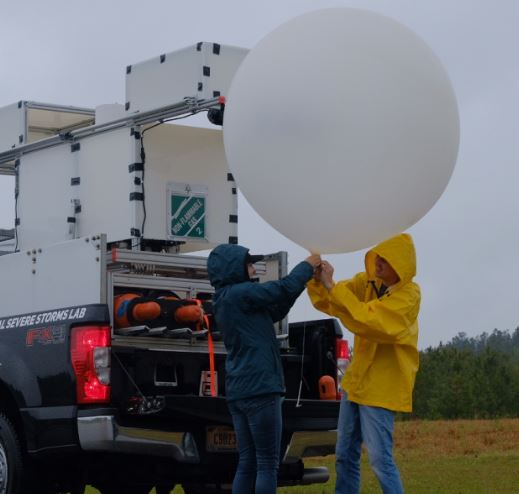 Severe storm research campaign kicks off second year of data gathering
This winter has brought multiple rounds of devastating severe weather to the southeastern U.S., with more than 200 reported tornadoes and 14 fatalities.
January 15, 2023 - Watch: F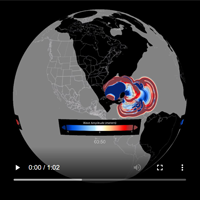 irst global simulation of megatsunami following ancient asteroid impact
The 6+ miles wide asteroid that hit Earth 66 million years ago, widely accepted to have wiped out nearly all the dinosaurs and roughly three-quarters of the planet’s plant and animal species, also triggered a megatsunami with mile-high waves.
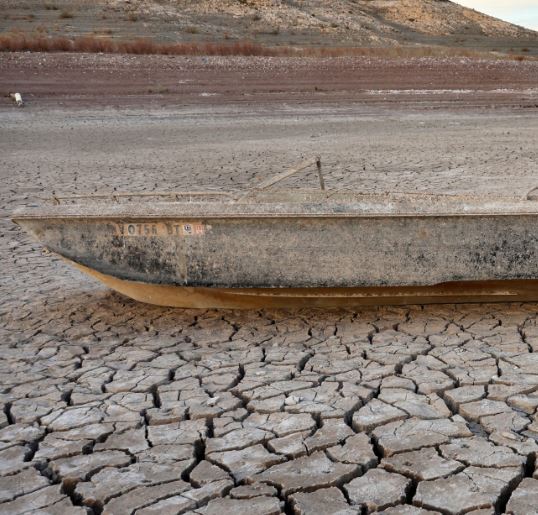 January 10, 2023 - Record drought gripped much of the U.S. in 2022
The year was also marked by numerous severe weather events, devastating hurricanes and deadly flooding across parts of the country.
 January 06, 2023 - Leading Change at the National Weather Service: A Conversation with Ken Graham
Ken Graham became director of the National Weather Service last summer and recently surpassed his first six months as the agency’s 17th leader. Let’s chat with Ken to learn more about how these early days of his tenure unfolded, and what’s up ahead.
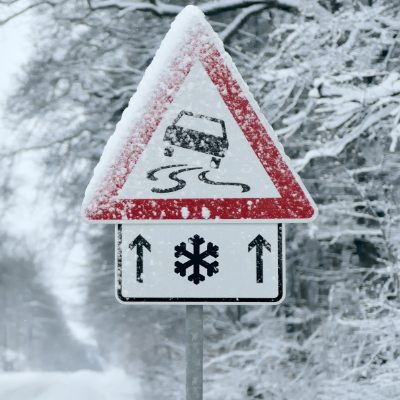 December 21, 2022 - Cold for the holidays: Blast of frigid, Arctic air to affect most of U.S.
Extremely cold arctic air is expected to plunge southward and impact much of the country through Hanukkah and into the week of Christmas, December 22–26, according to NOAA forecasters.
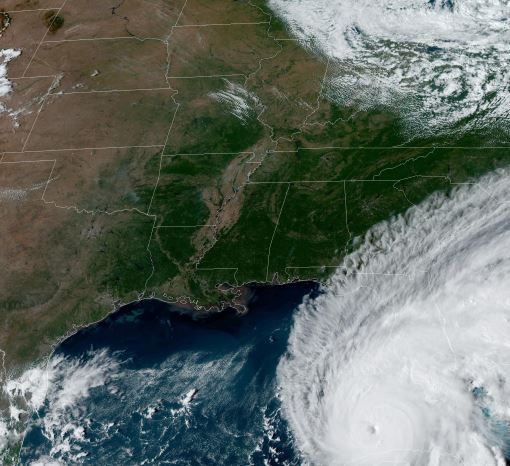 November 29, 2022 - Damaging 2022 Atlantic hurricane season draws to a close
The 2022 Atlantic hurricane season officially ends on November 30, but the impact of Hurricanes Ian, Nicole and Fiona — which brought extensive damage to Florida’s coast and Puerto
 November 22, 2022 - Thanksgiving weekend weather: Mild for most, rainy for some
Be sure to check your local forecast, and give yourself extra time to travel if rain or snow is predicted to occur along your path.
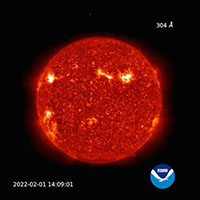 November 15, 2022 - New study highlights need for better space weather observations and forecasts for the emerging commercial spacecraft industry
A new study in Space Weather, a journal published by the American Geophysical Union, provides an analysis of space weather conditions that led to the Starlink satellite loss.
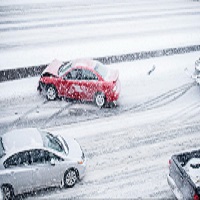 November 7, 2022 - Impact-Based Snow Squall Alerts coming to mobile devices
In an effort to distinguish high-impact snow squalls from others, the NWS will begin issuing impact-based Snow Squall Warnings using the “significant” tag for events that pose a substantial threat to safe travel.
 October 31, 2022 - The rise of women leaders at the National Weather Service: A conversation with Allison Allen
With renewed commitment and an action plan to improve Diversity, Equity, Inclusion and Accessibility, the National Weather Service is promoting more women into leadership positions today than ever before.
 October 20, 2022 - U.S. Winter Outlook: Warmer, drier South with ongoing La Nina
This year La Niña returns for the third consecutive winter, driving warmer-than-average temperatures for the Southwest and along the Gulf Coast and eastern seaboard, according to NOAA’s U.S. Winter Outlook.
 October 17, 2022 - The Tropical Cyclone Track Forecast Cone: A conversation with Jamie Rhome, acting director of the National Hurricane Center
Jamie Rhome, NHC Acting Director, sits down for a question and answer session about the Tropical Cyclone Track Forecast Cone and Hurricane Ian.
 October 3, 2022 - New lightning tool tells a striking story
NOAA’s new Lightning Climatology tool for the continental U.S. shows when cloud-to-ground lightning flashes are historically most frequent for any location across the country.
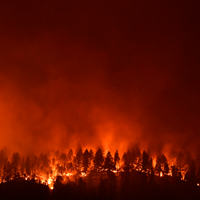 September 20 2022 - Photo story: Travel to the frontlines of a wildfire with NWS Incident Meteorologists
IMETs provide critical fire weather information to wildfire management teams so they can map out the safest possible tactics for firefighters.
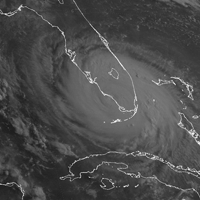 August 22, 2022 - Hurricane Andrew’s 30th Anniversary
In August of 1992, Hurricane Andrew slammed into South Florida before making a second U.S. landfall in Louisiana. At the time, it was the costliest and most damaging hurricane ever to hit the United States.
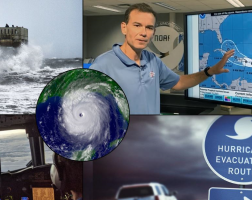 August 4, 2022 - NOAA still expects above-normal Atlantic hurricane season
Atmospheric and oceanic conditions still favor an above-normal 2022 Atlantic hurricane season, according to NOAA’s annual mid-season update issued today by the Climate Prediction Center, a division of the National Weather Service.
 July 26, 2022 - Biden Administration launches Heat.gov with tools for communities facing extreme heat
Heat.gov is a new website to provide the public and decision-makers with clear, timely and science-based information to understand and reduce the health risks of extreme heat.
 July 26, 2022 - NWSChat migrating to Slack
In support of NWS forecasters and their partners, the National Weather Service is upgrading its chat service to improve reliability, security and expand functionality.
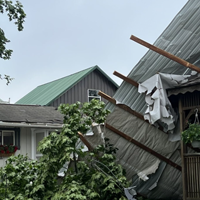 July 11, 2022 - U.S. dominated by remarkable heat, dryness in June
The year so far also brought nine separate billion-dollar weather and climate disasters to the nation — including tornado outbreaks, damaging hail and extreme drought.
 June 28, 2022 - U.S. supercomputers for weather and climate forecasts get major bump
The new supercomputers provide a significant upgrade to computing capacity, storage space and interconnect speed of the nation’s Weather and Climate Operational Supercomputing System.
 June 24, 2022 - National Weather Service celebrates 10th anniversary of life-saving Wireless Emergency Alerts
The first Wireless Emergency Alert (WEA) was sent on June 28, 2012, by the National Weather Service for a Flash Flood Warning near Santa Fe, New Mexico.
 June 21, 2022 - Weather-Ready for the Summer
Enjoying the outdoors is one of the best parts of the summer season. While relishing all the sun and fun, though, are you making sure to keep safety in mind?
 June 7, 2022 - Kenneth Graham selected as next director of NOAA’s National Weather Service
Kenneth Graham is the next NOAA assistant administrator for weather services and the 17th director of the National Weather Service, effective today, June 7, 2022.
 June 1, 2022 - NWS Wet Bulb Globe Temperature forecasts transition to operational
A few minutes of exposure to direct sunlight can be extremely taxing on the human body, so it’s important to know whether or not it’s too dangerous to head outside – especially if you’re planning to engage in strenuous activities.
 May 27, 2022 - Stay Safe in the Heat while having Fun in the Sun
The Friday before every Memorial Day marks Don’t Fry Day, an important day to revisit key tips to stay safe and healthy in the sun, as well as a great opportunity to be reminded of overall heat safety.
 May 24, 2022 - NOAA predicts above-normal 2022 Atlantic Hurricane Season
Forecasters at NOAA’s Climate Prediction Center, a division of the National Weather Service, are predicting above-average hurricane activity this year — which would make it the seventh consecutive above-average hurricane season.
 May 18, 2022 - NOAA predicts a below-normal 2022 Central Pacific hurricane season
There is a 60% chance of below-normal tropical cyclone activity during the Central Pacific hurricane season this year, according to NOAA’s Central Pacific Hurricane Center and NOAA’s Climate Prediction Center, divisions of the National Weather Service.
 May 16, 2022 - National Weather Service’s Mary Erickson Talks Organizational Culture, Women in STEM, and the Future of the National Weather Service
Recently retired NWS Director Louis W. Uccellini guided the agency through organizational change and positioned its workforce for future success. And by his side for the past 5 years ensuring that it all came together has been the agency’s deputy director, Mary Erickson.
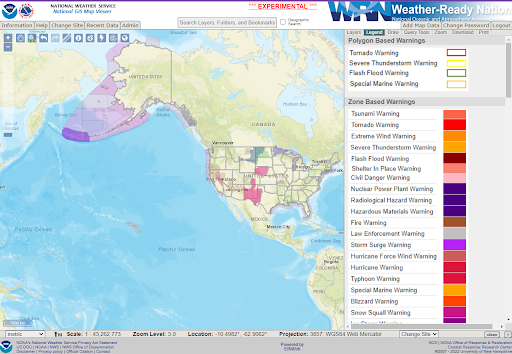 May 5, 2022 - We want your feedback on the NWS Experimental National GIS Map Viewer
In July of 2021, the NWS began an experimental phase of an Experimental National Geographic Information System (GIS) Map Viewer (“the Viewer”) web application, and since then, we’ve made some changes that’d we’d love to hear from you about!
 April 15, 2022 - Photo story: So how do you maintain a huge weather buoy network?
NOAA’s 200 moored buoys operate in a harsh environment, subjected to powerful ocean currents, fluctuating strong winds, surging waves, sea salt, the sun’s ultraviolet rays, cold temperatures and even vandalism.
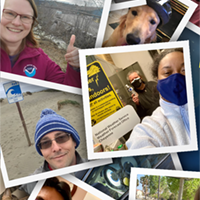 April 5, 2022 - Prepare for extreme weather and share your #SafePlaceSelfie
Extreme weather doesn’t stop for anyone, and it only takes one storm to devastate a community. That’s why it’s essential that you take the time to identify your “safe place” – a secure location that can keep you safe from a specific weather hazard.
 March 22, 2022 - A Decade of WRN: The Making of an IDSS Agency
IDSS factors in not only the traditional aspects of a weather forecast but also expected impacts on public safety, travel, essential services, and government operations.
 March 16, 2022 - NOAA Incident Meteorologists prepare for another busy fire year
Weather is one of the most important determinants of how easily a wildfire starts, how dangerous it is, how fast it spreads and where it goes. That’s why meteorologists at the National Weather Service (NWS) play an important role in the nation’s firefighting efforts.
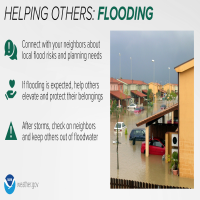 March 8, 2022 - Spring is here! Are you prepared?
It’s starting to feel a lot like spring in some parts of the country – and with that comes spring weather hazards such as flooding, thunderstorms, rip currents, tornadoes, and more.
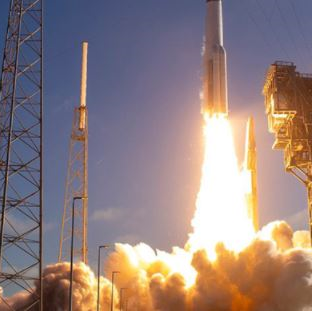 March 1, 2022 - NOAA’s GOES-T blasts into orbit
GOES-T will track destructive wildfires, lightning, Pacific Ocean-based storms, dense fog, and other hazards that threaten the U.S. West Coast, Hawaii and Alaska. It will also monitor solar activity and space weather to provide early warnings of disruptions to power grids, communications and navigation systems.
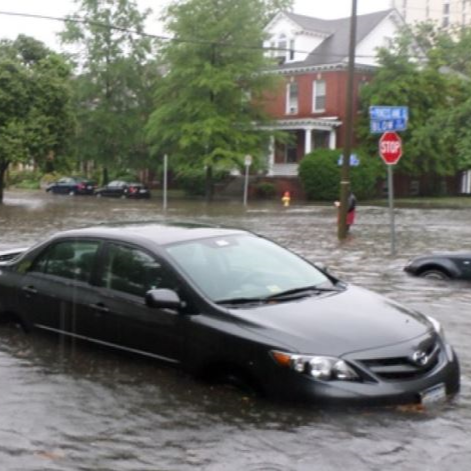 February 15, 2022 - U.S. coastline to see up to a foot of sea level rise by 2050
The United States is expected to experience as much sea level rise by the year 2050 as it witnessed in the previous hundred years. That’s according to a NOAA-led report updating sea level rise decision-support information for the U.S. released today in partnership with half a dozen other federal agencies.
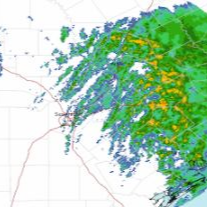 February 15, 2022 - NWS offers a new radar website for low bandwidth users
Local Standard Radar provides individuals on low bandwidth networks with a reliable, fast loading website for radar images, radar loops, and warning polygons in effect. The new option is similar to the NWS’s radar website that was discontinued in Dec. 2020.
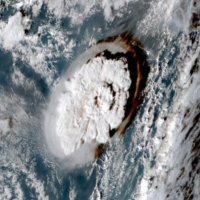 February 7, 2022 - NOAA helps fill critical communication gaps in wake of Tonga Tsunami
As Tonga’s Hunga Tonga-Hunga Ha'apai volcano began to erupt on January 15, 2022, it sent more than tsunami waves across the Pacific Ocean — some forms of communications in the region were sent into the dark, too. The eruption broke an underwater communications cable, leaving most of the island nation without internet access and other forms of communication.
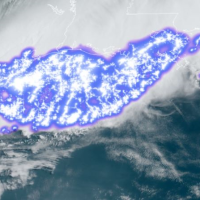 February 1, 2022 - World's longest lightning flash on record captured by NOAA satellites
A single lightning bolt captured by NOAA satellites was recently certified by the World Meteorological Organization (WMO) as the world’s longest flash on record (477 miles).
 January 21, 2022 - Dr. William Burnett named Director of the National Data Buoy Center
Dr. William Burnett is the new director of NOAA’s National Data Buoy Center — a division of NOAA's National Weather Service. As director, he is ensuring the nation's maritime safety by successfully operating the world’s largest real-time marine observation network.
 January 10, 2022 - U.S. saw its 4th-warmest year on record, fueled by a record-warm December
The year 2021 was marked by extremes across the U.S., including exceptional warmth, devastating severe weather and the second-highest number of billion-dollar weather and climate disasters on record.
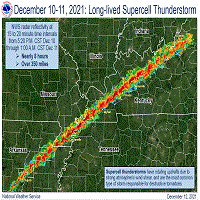 December 15, 2021 - Storm Damage Summaries for Dec 10-11 Tornado Outbreak
A strong storm system moving across the central and southern United States resulted in widespread severe weather across the region on December 10 and 11. The NWS confirmed 41 tornadoes as of today, and several long track tornadoes.
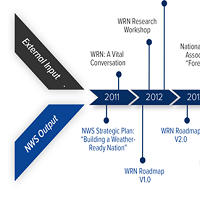 December 14, 2021 - A Decade of Weather-Ready Nation: Looking Back While Moving Forward
In 2011, the U.S. experienced multiple extreme weather events and although NWS issued accurate and timely warnings, over 1,000 lives were lost. This highlighted a hard truth — that while forecasts and warnings are extremely crucial, the public knowing how and when to take the right action based on this information is just as important.
 December 2, 2021 - Heading into backcountry snow? Check the forecasts first
NOAA’s National Weather Service (NWS), the U.S. Forest Service National Avalanche Center, and the Colorado Avalanche Information Center are working together to get you the information you need to keep you safe and informed while enjoying winter recreation.
 November 30, 2021 - Active 2021 Atlantic hurricane season officially ends
The active 2021 Atlantic hurricane season officially concludes today having produced 21 named storms, including seven hurricanes of which four were major hurricanes.
 November 3, 2021 - Partners Working Together to Build a Weather-Ready Nation
Partners within the Weather-Ready Nation all work together to achieve weather-readiness. One example of this occurred on October 16, 2021, a pleasant fall Saturday, when a dangerous marine wind event developed in the Chesapeake Bay.
.png) October 13, 2021 - NWS Recognizes 2021 Ambassadors of Excellence
October 13, 2021 - NWS Recognizes 2021 Ambassadors of Excellence
NOAA’s National Weather Service recognized “Ambassadors of Excellence” during the 5th annual Weather-Ready Nation Ambassador tour for their commitment and significant contributions to building a more Weather-Ready Nation.
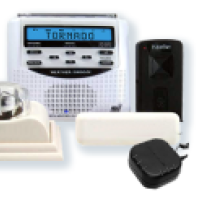 September 22, 2021 - Helping the deaf and hard of hearing become more Weather-Ready
It’s the International Week of Deaf People and this year’s theme is “Celebrating Thriving Deaf Communities.”
 September 17, 2021 - 4 Fall Safety Tips
To help you and your loved ones prepare for fall hazards, such as hurricanes, drought, wildfires and more, the National Weather Service (NWS) launched its Fall Safety Campaign on September 1.
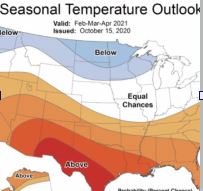 September 16, 2021 - Climate Prediction Center launches new maps for temperature and precipitation outlooks
NOAA’s Climate Prediction Center (CPC) launched a new look and feel to some of their temperature and precipitation maps to better communicate upcoming climate outlooks across the U.S.
 September 14, 2021 - NOAA Announces Appointees to New Space Weather Advisory Group
The members were chosen to provide a range of views that represent the span of the space weather community and end-user sectors.
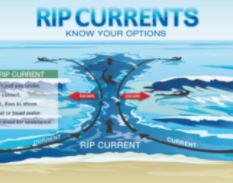 September 13, 2021 - 7 rip current myths debunked
Many people still do not know what rip currents are, how to spot them, or what to do if they are caught in one.
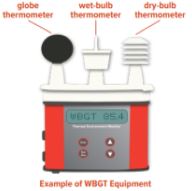 September 10, 2021 - Wet Bulb Globe Temperature: How and when to use it
Extreme heat is a major weather-related hazard. WBGT is an experimental forecast tool indicating expected heat stress on the human body when in direct sunlight.
 September 7, 2021 - Louis W. Uccellini, director of the U.S. National Weather Service, to retire
Louis W. Uccellini, federal scientist, global leader in meteorology and renowned expert and author on U.S. winter storms, has announced his plan to retire from public service on Jan. 1, 2022.
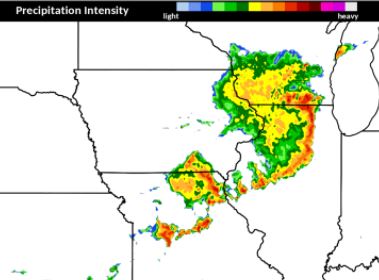 August 5, 2021 - The costliest severe thunderstorm event in United States history
A long-lived line of severe storms known as a "derecho" produced severe wind damage across portions of South Dakota, Nebraska, Iowa, Illinois, Wisconsin, Indiana, Michigan, and Ohio on Monday, August 10, 2020.
 July 27, 2021 - Q&A: NWS employee and husband rescue child caught in rip current
NWS National Cooperative Observer Program Manager, Amy Fritz, and her husband, Ryan, heroically saved a young boy from a rip current while vacationing in North Carolina in August 2020.
 July 22, 2021 - New “Destructive” Severe Thunderstorm Warning category to trigger Wireless Emergency Alerts on mobile phones
Starting August 2, the National Weather Service will better convey the severity and potential impacts from thunderstorm winds and hail by adding a “damage threat” tag to Severe Thunderstorm Warnings.
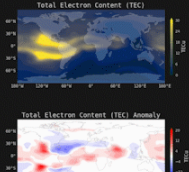 July 21, 2021 - Breakthrough computer model to help NWS provide better space weather forecasts, more targeted warnings
NOAA’s National Weather Service has transitioned a new computer model into operations to increase its understanding of space weather events and improve space weather forecasting capabilities.
 July 20, 2021 - NOAA Upgrades Key Air Quality Prediction Model
NOAA’s Environmental Modeling Center launched an upgrade to the Air Quality Model based on the Community Multiscale Air Quality Modeling System to deliver improved air quality forecast guidance.
 June 29, 2021 - 4 safety tips for summer weather hazards
Though the season brings longer, sunnier days, it also comes with life-threatening weather hazards such as extreme heat, rip currents, and thunderstorms and lightning.
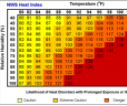 June 21, 2021 - Stay ahead of the heat this summer with these 6 forecast tools
Summer is a great time to enjoy fun in the sun, but the negative effects of heat to people and animals are numerous. Long periods of time lounging in the sun and exercising or working outdoors during extreme heat can be dangerous to your health, even fatal.
 June 17, 2021 - NWS Collecting Public Feedback to Simplify the Watch, Warning & Advisory System
The National Weather Service (NWS) is improving the way it communicates hazard messages — and we need your help!
 June 1, 2021 - NWS Launches 2021 Summer Safety Campaign
To ensure that you’re Weather-Ready for the season ahead, the National Weather Service launched its Summer Safety Campaign today featuring preparedness tips for summer hazards such as flash floods, excessive heat, hurricanes, tornadoes and lightning.
 May 28, 2021 - Don’t Fry Day: 5 Sun Safety Tips
Summer is right around the corner! In an effort to remind everyone to protect their skin while having fun in the sun, today has been designated as “Don’t Fry Day” by the National Council on Skin Cancer Prevention.
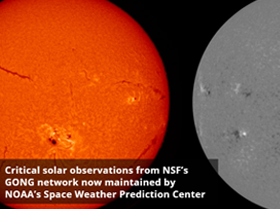 May 24, 2021 - Critical solar observations from NSF’s GONG network now maintained by NOAA’s Space Weather Prediction Center
Recently, the National Science Foundation’s National Solar Observatory successfully transitioned the processing of these important observations of the Sun’s magnetic field and lower atmosphere to the operational control of NOAA’s, Space Weather Prediction Center (SWPC).
 May 24, 2021 - 8 boating safety tips and tools you can use
It’s National Safe Boating Week, and we’ve partnered with the National Safe Boating Council to make it easy to remember what to do when you’re out in a sail- or motor boat, canoe, kayak or other sea-worthy vessel this summer.
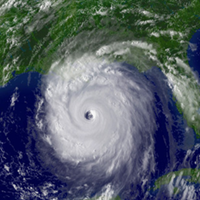 May 20, 2021 - ‘Average’ Atlantic hurricane season to reflect more storms
Beginning with this year’s hurricane season outlooks, NOAA’s Climate Prediction Center (CPC) will use 1991-2020 as the new 30-year period of record. The updated averages for the Atlantic hurricane season have increased with 14 named storms and 7 hurricanes.
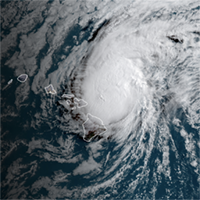 May 19, 2021 - Near- or below-normal 2021 hurricane season predicted for the Central Pacific
For the season as a whole, 2 to 5 tropical cyclones are predicted for the Central Pacific hurricane region. This number includes tropical depressions, named storms and hurricanes. A near-normal season has 4 or 5 tropical cyclones.
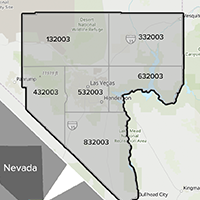 May 14, 2021 - More targeted delivery of weather warnings coming to Clark County, Nevada
The National Weather Service will begin using partial county alerting in Clark County on June 1, 2021.
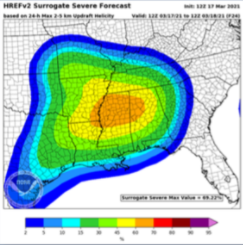 May 12, 2021 - High Resolution Ensemble Forecast system undergoes upgrades
NOAA’s High Resolution Ensemble Forecast (HREF) system is undergoing significant upgrades. This system aids forecasters in the prediction of weather events that include heavy rain and snow, severe convective weather and aviation hazard forecasting.
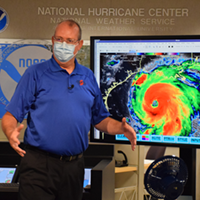 May 11, 2021 - Ken Graham guides nation through the historic 2020 hurricane season with steady hand
For Ken Graham, 2020 was deeply personal. During the most active Atlantic hurricane season in 170 years of recorded history, he’d inform those in harm’s way of 11 landfalling U.S. tropical cyclones. That is a challenge unto itself. But it was also happening in the middle of the worst global pandemic in more than a century.
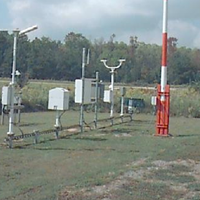 April 26, 2021 - Legions of citizen scientists contributed to NOAA's new Climate Normals
Thousands of amateur meteorologists across the United States help the National Weather Service track weather patterns by performing a daily task - checking the temperature and precipitation amounts on their property.
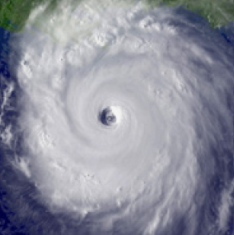 April 9, 2021 - 'Average' Atlantic hurricane season to reflect more storms
Beginning with this year’s hurricane season outlooks, NOAA’s Climate Prediction Center (CPC) will use 1991-2020 as the new 30-year period of record.
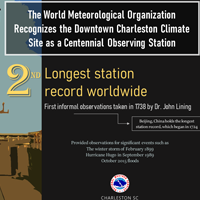 March 25, 2021 - Downtown Charleston Weather Observing Station Recognized as a Centennial Site
The WMO recognized the Downtown Charleston climate site as a Centennial Observing Station, one of only eight stations in the country, 234 in the world, to receive this designation.
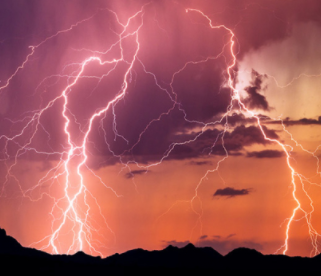 March 22, 2021 - NOAA upgrades flagship U.S. global weather model
NOAA is upgrading its Global Forecast System (GFS) weather model to boost weather forecasting capabilities across the U.S. These advancements will improve hurricane genesis forecasting, modeling for snowfall location, heavy rainfall forecasts, and overall model performance.
 March 15, 2021 - Spring Safety Campaign: Know Your Safe Place
When preparing for extreme weather events, knowing your safe place is a simple but potentially lifesaving action to take. If you are unsure of where your safe place is -- look no further! The theme of the National Weather Service’s Spring Safety Campaign, which kicked off earlier this month, is Spring Safe Places.
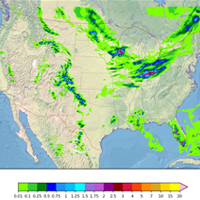 March 04, 2021 - Short-range weather modeling application released to forecasting community
Today, NOAA and its partners are accelerating the advancement of numerical weather prediction by sharing a second application based on the Unified Forecasting System (UFS) framework with the scientific community.
March 04, 2021 - NWS Advances Major Changes to Hazard Messaging Headlines
NWS will replace its “Advisory” and “Special Weather Statement” headlines with plain language headlines that more clearly describe weather or water hazards.
 February 10, 2021 - NOAA’s Updated U.S. Climate Data Will Establish “New Normal”
NOAA will soon release a much-anticipated update of U.S. climate data for placing recent weather conditions—such as heat waves and flooding rain—into historical context.
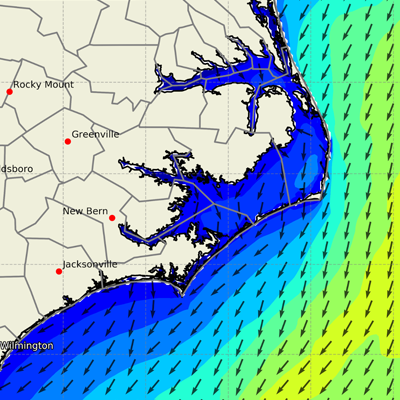 February 3, 2021 - NOAA Upgrades Nearshore Wave Prediction System
As a part of this upgrade, the model will introduce the first-ever hourly probabilistic hazardous rip current guidance up to six days out for the U.S. East and Gulf Coasts, Puerto Rico, Hawaii and Guam.
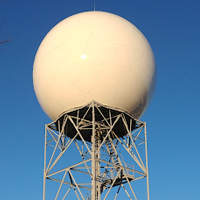 January 22, 2021 - Lake Charles weather radar back online after Hurricane Laura damage
Today, the National Weather Service restored service to the weather radar serving southwest Louisiana and northwest Gulf of America. Category 4 winds from Hurricane Laura significantly damaged the radar, making it inoperable on August 27, 2020.
 January 12, 2021 - Get your snowstorm smarts on: 9 forecast tools to use this winter
We’ve got 9 winter weather forecast tools you can tinker with on your mobile device or computer. Use them regularly to see where, when and how much snow, ice and wind is predicted.
 December 18, 2020 - Get your snowstorm smarts on: 8 forecast tools to use this winter
We’ve got 8 winter weather forecast tools you can tinker with on your mobile device or computer. Use them regularly to see where, when and how much snow, ice and wind is predicted.
 December 16, 2020 - Dr. Michael R. Farrar Selected as new NCEP Director
The National Centers for Environmental Prediction (NCEP) delivers national and global weather, water, climate and space weather guidance, forecasts, warnings and analyses to help save lives and protect property.
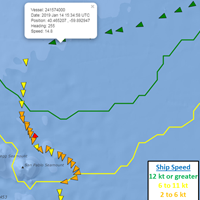 December 10, 2020 - NOAA upgrades flagship ocean forecasting system
Today, NOAA upgraded its flagship ocean and sea ice operational forecast system — the Global Real-Time Ocean Forecast System (Global RTOFS).
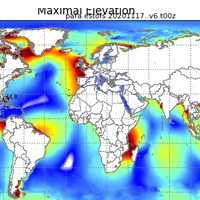 December 10, 2020 - Model Upgrade: Extratropical Surge & Tide Operational Forecast System (ESTOFS) is Now Global
On November 24, NWS upgraded the Global ESTOFS to provide NWS forecasters with high resolution water level forecast guidance including storm tide (storm surge plus tides) for the entire globe.
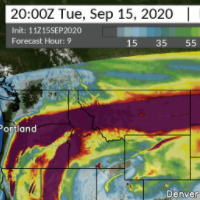 December 2, 2020 - NOAA model upgrades will improve severe weather and aviation forecasts
NOAA implements new enhancements to the High-Resolution Rapid Refresh (HRRR) and Rapid Refresh (RAP) models, which work hand-in-hand to provide the foundation for many vital forecasts issued by the National Weather Service each day.
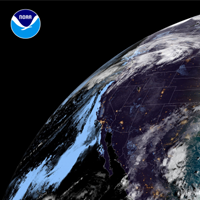 November 24, 2020 - Record-breaking Atlantic hurricane season draws to an end
The extremely active 2020 Atlantic hurricane season is drawing to a close with a record-breaking 30 named storms and 12 landfalling storms in the continental United States.
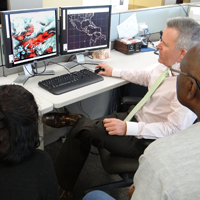 October 6, 2020 - The International Desks: NOAA’s Weather Prediction Center trains meteorology partners from around the world
NOAA’s Weather Prediction Center (WPC) in College Park, Maryland, creates weather forecasts for the entire country, but did you know the center also trains meteorologists from around the world?
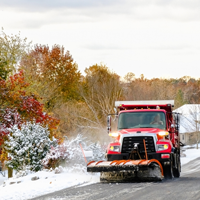 October 2, 2020 - 4 safety tips for fall hazards: Small actions can have big impacts
To stay safe and healthy, simple but effective preparedness actions are key — and NOAA’s National Weather Service has you covered.
 September 23, 2020 - NOAA upgrades Global Ensemble Forecast System
NOAA’s Global Ensemble Forecast System (GEFS) is undergoing significant upgrades to expand its capabilities and improve weather forecasting.
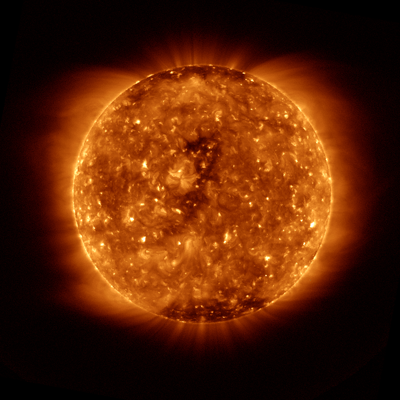 September 15, 2020 - Hello Solar Cycle 25.
Solar scientists announce that ‘solar minimum’ occurred and Solar Cycle 25 began in December 2019. Activity on the sun is predicted to peak in 2025.
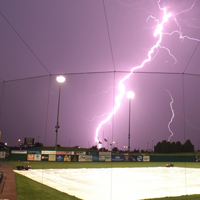 August 19, 2020 - 5 striking facts versus myths about lightning you should know
It might be cool to look at from a safe distance, but lightning kills more than 20 people each year in the United States and injures hundreds more — with some survivors suffering lifelong neurological damage.
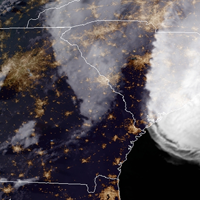 August 6, 2020 - 'Extremely active' hurricane season possible for Atlantic Basin
Atmospheric and oceanic conditions are primed to fuel storm development in the Atlantic, leading to what could be an “extremely active” season, according to forecasters with NOAA’s Climate Prediction Center
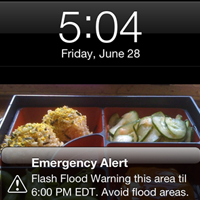 June 24, 2020 - NWS Enhances Weather Warnings on the Go!
If your phone has ever alerted you to severe weather in your vicinity by giving off a blaring alarm followed by a text message then you, like many others, have received a Wireless Emergency Alert (WEA).
 June 23, 2020 - Lightning Survivor Story of Scott Knudsen
Just ahead of lightning safety awareness week, we caught up with Scott Knudsen. He is a lightning survivor, 5th generation Texas cowboy and inspirational speaker. In 2005, his life flashed before his eyes after being struck by lightning, despite the clear blue skies above him.
 June 11, 2020 - NWS Proposes Major Changes to Watch, Warning and Advisory System
There may have been a time that you realized a Watch, Warning, or Advisory was issued for your area -- informing you of expected weather and/or water hazards. If you were unsure how to respond when this happened, then you are not alone.
 June 8, 2020 - Adria Schneck Selected as new NCEP Deputy Director
NOAA has selected Adria Schneck as the new deputy director of the National Centers for Environmental Prediction. NCEP oversees all national forecast products for weather and climate, including specialized forecast centers like the National Hurricane Center and Storm Prediction Center.
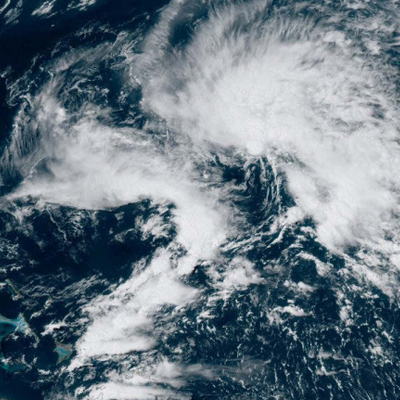 May 15, 2020 - 2020 Poised to Continue Stretch of Pre-Season Tropical Tempests
NOAA’s Climate Prediction Center - a division of the National Weather Service - is poised to release its annual Atlantic Hurricane Season Outlook on May 21, but the Atlantic Hurricane season is poised to jump the gun, so to speak.
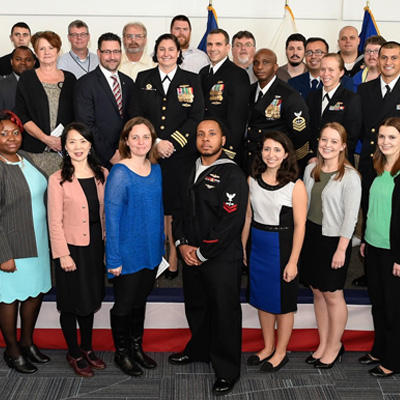 May 11, 2020 - NOAA’s Component of the U.S. National Ice Center Now Part of NWS
Yesterday, the NOAA component of the U.S. National Ice Center (USNIC) transitioned from the National Environmental Satellite, Data, and Information Service to the National Weather Service within NOAA.
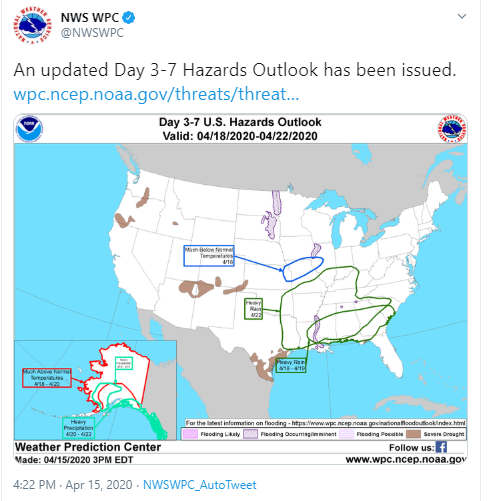 May 1, 2020 - NWS Stayed Weather-Ready During Stormy April in the Southeast
April 2020 became a month of note for severe weather in the Southeastern United States. Starting around April 6, guidance trends began to suggest an active period of severe weather for the region.
 April 27, 2020 - Arthur John “A.J.” Reiss, selected as director for NOAA’s Ocean Prediction Center
OPC provides the world’s best marine forecasts and critical decision support services for mariners, ensuring the safety of lives and vessels at sea by alerting to hazards like hurricane-force winds and high seas.
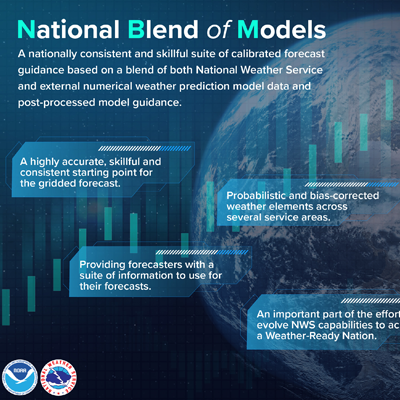 March 18, 2020 - Greater than the Sum of its Parts... The NWS National Blend of Models
The National Weather Service (NWS) recently upgraded the latest forecast guidance to help forecasters deliver the most consistent and accurate weather forecasts and warnings to the Nation.
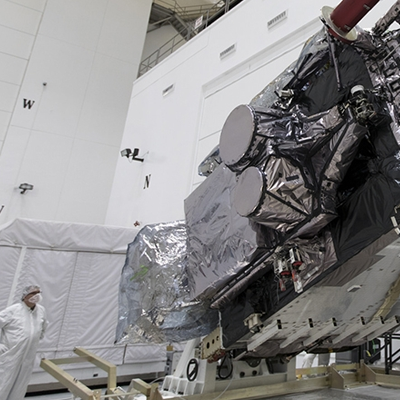 February 11, 2020 - National Weather Service at 150: 7 tech inventions that improved forecasting
As NWS celebrates its 150th birthday, let’s take a look at 7 tech advancements that changed the way we do weather forecasting.
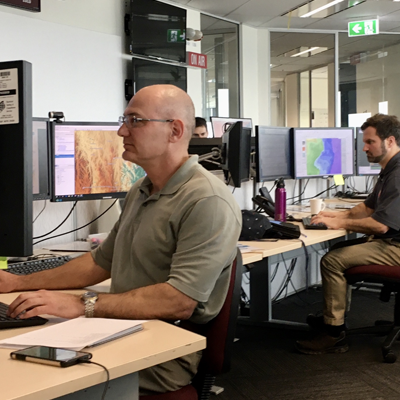 January 10, 2020 - NOAA meteorologists helping Australia battle wildfires
With more than a hundred wildfires burning across Australia, the country reached out to the United States for assistance, and NOAA jumped into action. A team of NOAA National Weather Service Incident Meteorologists (IMETs) have deployed Down Under to help with the firefighting effort.
 December 17, 2019 - Feeling the [wind] chill? Find out what NOAA forecasters are doing to keep you informed (and warm) all winter long.
With meteorological winter officially underway, NOAA’s National Weather Service is ready for snow! Here is a rundown of the newest winter weather tools our forecasters developed in the winter “off-season.”
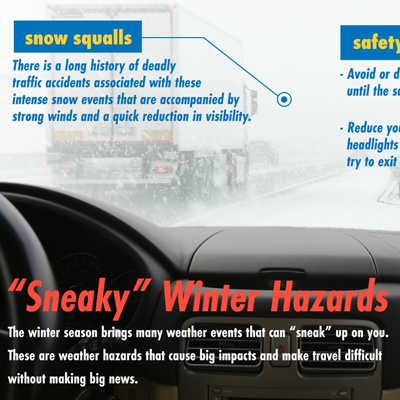
 December 2, 2019 - Are you prepared for 'sneaky' winter hazards?
Big snowstorms. They’re normally well forecast. You’ve got days to prepare, and while they may close schools, businesses, and make travel difficult, you’re not planning on going anywhere anyway. But, what about those weather events that sneak up on you?
 November 15 2019 - Winter Weather Webinar
The Winter Service Program is excited to announce the latest initiatives for the upcoming 2019-2020 winter season. This webinar provides an overview of new and ongoing products that serve to keep our core partners and the public informed of the latest winter threats and their anticipated impacts.
 November 12, 2019 - Weather Safety for Individuals with Disabilities
Every day, extreme weather events impact individuals and communities across the country. Severe weather affects everyone, but can pose unique and difficult challenges for people with disabilities. In an effort to build a Weather-Ready Nation for all, the NWS provides various resources.
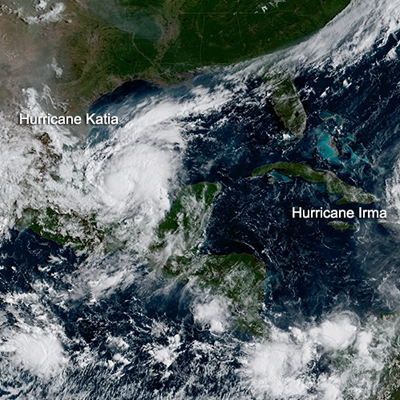 October 29, 2019 - Atlantic high-activity eras: What does it mean for hurricane season?
Why are some Atlantic hurricane seasons more active than others?
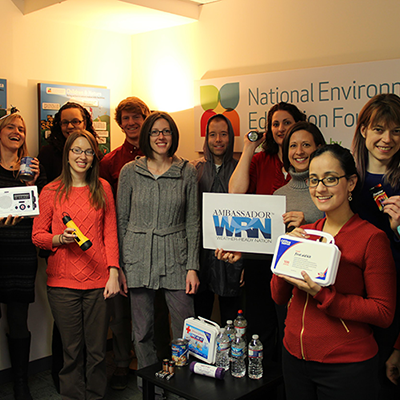 October 29, 2019 - Q&A With NOAA’s First Weather-Ready Nation Ambassador
Today, we're catching up with Sara Espinoza, Vice President of Programs at the National Environmental Education Foundation, also known as NEEF.
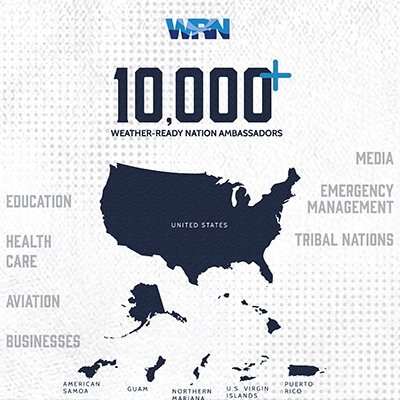 October 29, 2019 - Weather-Ready Nation Ambassador Program Reaches 10,000 Strong
NOAA’s Weather-Ready Nation Ambassador Program celebrates a major milestone, as we introduce our 10,000th ambassador, the Pittsburgh Water and Sewer Authority!
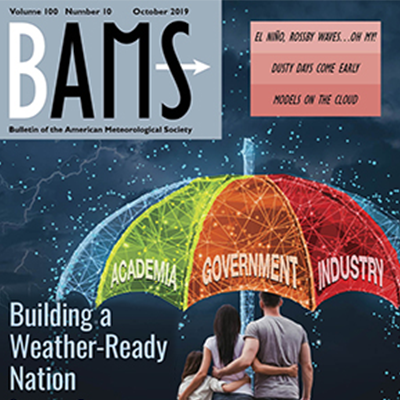 October 28, 2019 - Evolving the National Weather Service to Build a Weather-Ready Nation
The October issue of BAMS - The Bulletin of the American Meteorological Society - features an article authored by Louis Uccellini and John Ten Hoeve of the NWS about how the agency is evolving to meet America’s growing and changing needs for weather information and forecasts.
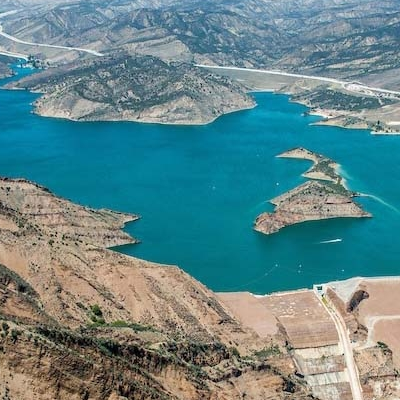 October 18, 2019 - Federal action plan focused on improving water prediction for Western U.S.
In the Western United States, meeting water demands with available water supplies is becoming increasingly complex. Knowing where, when, and how much precipitation in a particular valley, mountain, lake, or river will become available for use to the people living there promotes efficiency as water managers will be able to more effectively prepare and meet the various water users’ needs and obligations.
 October 17, 2019 - Winter Outlook: Warmer than average for many, wetter in the North
Warmer-than-average temperatures are forecast for much of the U.S. this winter according to NOAA’s Climate Prediction Center. Although below-average temperatures are not favored, cold weather is anticipated and some areas could still experience a colder-than-average winter.
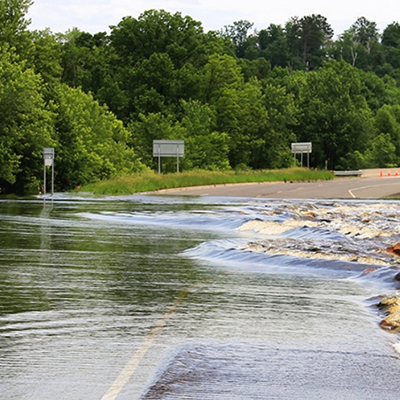 October 2, 2019 - Flash Flood Warnings now issued in easy-to-read format
To better communicate the threat of a flash flood, NOAA’s National Weather Service is moving to a bulleted format for the warnings, with easily readable information, including a description of the flash flood hazard, the source of the information and the hazard impact.
 September 25, 2019 - NOAA Buoy Helps Save Lives
Earlier this month, four people with their lives hanging in the balance were hoisted to safety after finding refuge on a nearby NOAA weather buoy when their vessel took on too much water.
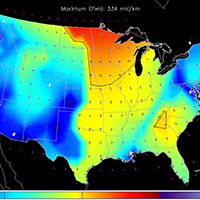 September 20, 2019 - New NOAA-USGS model provides critical data to electrical power grid operators
This week NOAA added a new model to its suite of tools designed to help the nation deal with space weather events. The NOAA-USGS Geoelectric Field Model calculates regional electric field levels caused by disturbances in Earth’s magnetic field from geomagnetic storms.
 September 1, 2019 - NWS Launches the Fall 2019 Safety Campaign
Fall is a season of transition. Summertime conditions give way to the shorter days and longer nights of winter. In some areas of the country, like the mountains of the western U.S., wildfires remain a threat into the fall, all the while the first winter snows arrive early.
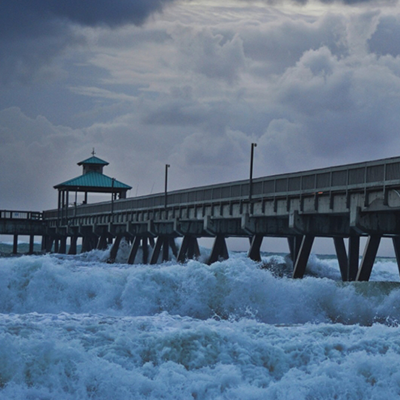 August 26, 2019 - 4 hurricanes in 6 weeks? It happened to one state in 2004.
Florida, officially known as the "Sunshine State," was dubbed the "Plywood State" by media after it was battered by four hurricanes in only six weeks during the 2004 hurricane season. Nearly every square inch of Florida felt the impacts from at least one of those four storms.
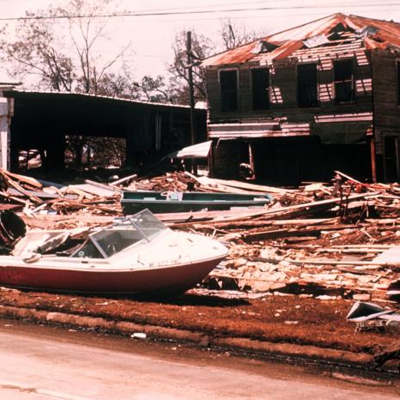 August 16, 2019 - 50 Years After Hurricane Camille, NOAA Satellites Keep U.S. Weather-Ready
In the late evening hours of August 17, 1969, a catastrophic storm named Hurricane Camille slammed into the Gulf Coast. More than 250 people lost their lives and damage was estimated at about $10 billion in 2019 dollars.
 August 8, 2019 - NOAA increases chance for above-normal hurricane season
NOAA forecasters monitoring oceanic and atmospheric patterns say conditions are now more favorable for above-normal hurricane activity since El Nino has now ended.
 July 29, 2019 - White House report showcases NOAA citizen science efforts
At NOAA and beyond, federal scientists are engaging members of the public in citizen science projects to collaboratively address real-world problems.
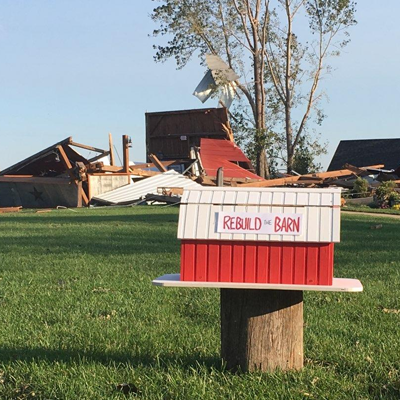 June 14, 2019 - "It Saved My Entire Family" - Survival Story of WEA Alerts
On September 20, 2018, Minnesota experienced one of the most prolific tornado days in the state’s history. Twenty-five tornadoes tracked across the state, with one long-track EF-2 tornado crossing into western Wisconsin.
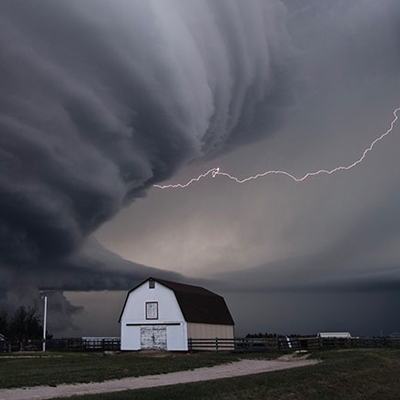 June 12, 2019 - NOAA upgrades the U.S. global weather forecast model
NOAA’s flagship weather model — the Global Forecast System (GFS) — is undergoing a significant upgrade today to include a new dynamical core called the Finite-Volume Cubed-Sphere (FV3).
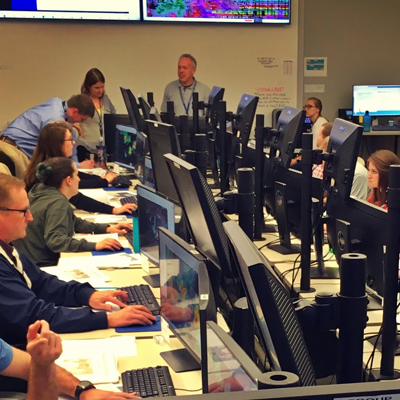 June 10, 2019 - NWS Improves its Employees Career Paths with its "GS 5-12" Initiative
The National Weather Service is creating a more efficient and streamlined career path for the bulk of its meteorologists with the implementation of our GS 5-12 Initiative within the US Civil Service General Schedule (GS) guidelines.
 April 29, 2019 - NOAA’s Climate Prediction Center Celebrates 25 Years of Developing Climate Services in Africa
Twenty five years ago Africa was faced with severe drought, resulting in famine across the continent and challenges for governments as they struggled to cope with the disaster.
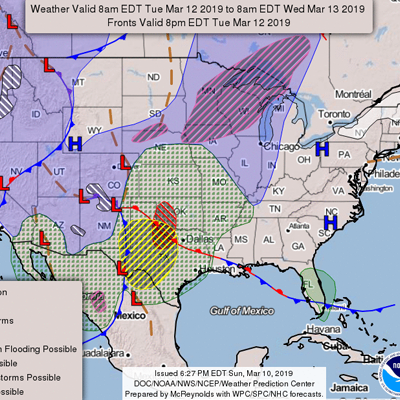 April 2, 2019 - The New NOAA/NWS National Forecast Chart
On April 1, NOAA’s Weather Prediction Center (WPC) officially upgraded its national forecast charts with the most substantial changes in more than 18 years.
 March 26, 2019 - The new NWS Strategic Plan is now available
The plan is a culmination of more than a year-and-a-half of effort and engagement among NWS managers, employees, and Weather Enterprise partners.
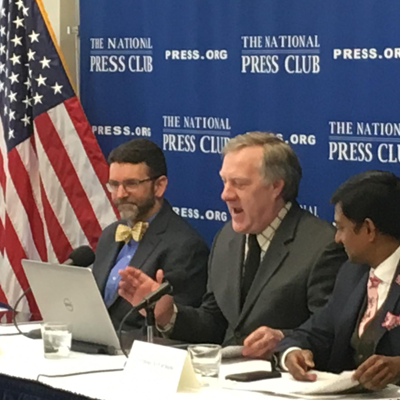 March 7, 2019 - NOAA Talks Hurricanes and Climate at National Press Club
Each year, NOAA helps the United States prepare for hurricanes by issuing a seasonal outlook before the official start of the season on June 1. The outlook offers a prediction of how many storms might occur during the upcoming season.
 February 22, 2019 - Clinton Wallace selected as director for NOAA’s Space Weather Prediction Center
NOAA has selected Clinton Wallace as the director of NOAA’s Space Weather Prediction Center (SWPC) in Boulder, Colorado. SWPC is the Nation’s official civilian source of space weather alerts and warnings, and one of the National Weather Service’s nine National Centers of Environmental Prediction.
 February 1, 2019 - NOAA announces new director of the U.S. National Tsunami Warning Center
NOAA has selected James Gridley, Ph.D., to lead NOAA’s National Tsunami Warning Center in Palmer, Alaska. The center delivers tsunami forecasts and warnings to the lower 48 United States, Alaska and Canada.
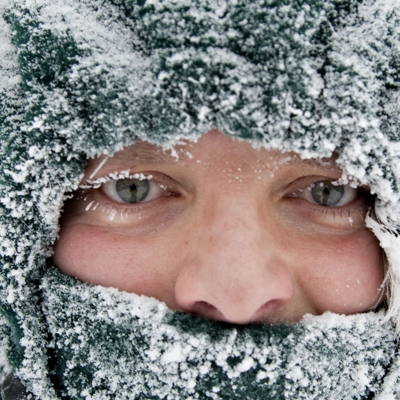 December 19, 2018 - Forecast tools you can use this winter.
If you love snow like we do, become a snow-it-all today!
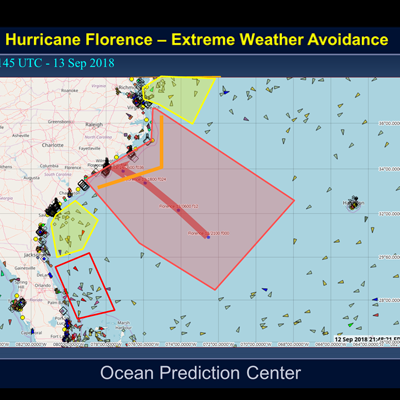 December 12, 2018 - NOAA’s Ocean Prediction Center: Protecting lives at sea, and our economy
We receive weather information every day in a variety of ways – through television, radio, on our smartphones and through conversations around the water cooler. But how do you get weather forecasts on the high seas where WiFi is rarely an option?
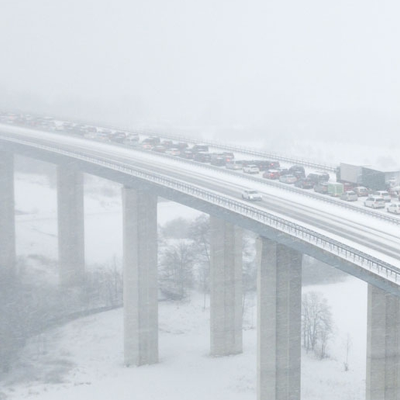 December 7, 2018 - Snow squall warnings now available nationwide
Alerts aimed at reducing vehicle crashes and road fatalities
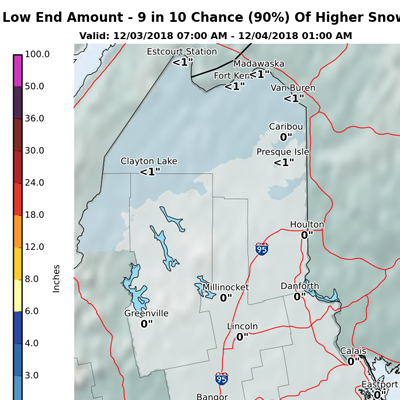 December 6, 2018 - Snow…when, where, how much?
Find out the range of snowfall amounts from oncoming storms.
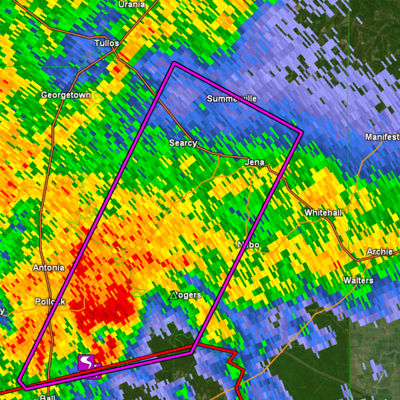 November 27, 2018 - WEA Saves Lives in Louisiana
On Halloween night, Jamie and Donnie Munson were settled into their double-wide mobile home for the night in Trout, LA. Little did they know, their lives were about to change forever.
 November 6, 2018 - The Headline That Wasn't
So many times involving extreme weather, we only hear about events that cause injuries and fatalities, the bad and the ugly, but not times when there were good decisions made and good outcomes.
 October 30, 2018 - Reducing Economic Losses: Theme of 2018’s World Tsunami Awareness Day
Large tsunamis do not happen often, but they pose a significant threat to coastal communities around the world. Globally, since the beginning of the twenty-first century, 48 tsunamis have caused roughly $300 billion (2018 dollars) in damage.
 October 18, 2018 - Winter Outlook favors warmer temperatures for much of U.S.
A mild winter could be in store for much of the United States this winter according to NOAA’s Climate Prediction Center. In the U.S. Winter Outlook for December through February, above-average temperatures are most likely across the northern and western U.S., Alaska and Hawaii..
 October 12, 2018 - Brian Gross, Ph.D. selected as director for NOAA’s Environmental Modeling Center
EMC is a leader in the field of earth system model development in the United States, delivering foundational guidance used by forecasters to produce life-saving watches and warnings.
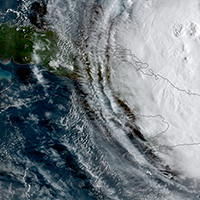 September 4, 2018 - Hurricanes: Common Misperceptions
Millions of people were affected by hurricanes last year. Their perceptions have now been reset, but some don’t line up with reality. Social science may be the answer to fixing it.
 August 21, 2018 - EAA AirVenture: NWS Keeps Aviators, Public Safe From Weather Impacts
For one week each summer, Oshkosh, Wisconsin turns into a mecca for aviation enthusiasts as more than 600,000 people and some 10,000 airplanes come to the Experimental Aircraft Association’s “AirVenture,” dubbed “The World’s Greatest Aviation Celebration.”
 August 15, 2018 - Making a Difference, One Rip Current at a Time: Rip Current Awareness Webinar
Check out this webinar to learn how to stay safe at the beach as we look ahead to Labor Day and the last of summer weather.
 July 12, 2018 - National Weather Service Field Offices Get Major Internet Upgrade
This week, the National Weather Service is celebrating the completion of the OneNWS network. Today we’re talking to Michelle Mainelli, director of dissemination, about ushering in this new high tech era at the nation’s weather agency.
 July 10, 2018 - National Weather Service pushes flood safety with catchy new “Turn Around Don’t Drown" PSA
Today, the National Weather Service unveiled its new public service announcement aimed at reducing the approximately 100 U.S. deaths each year attributed to floods, about 50 percent of which involve a motor vehicle.
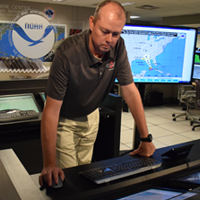 June 18, 2018 - There’s a new director in town - Ken Graham takes the reins of NHC
Ken Graham became the 11th official director of NOAA’s National Hurricane Center in Miami. Florida, on April 1st. It’s one of the most demanding positions in the National Weather Service.
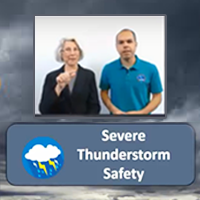 May 17, 2018 - NWS Birmingham produces weather safety videos for deaf and hard of hearing community
Informing and educating citizens on severe weather threats, safety, and preparedness is challenging due to various disabilities and language barriers which can hinder reach and effective messaging.
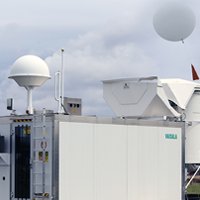 May 7, 2018 - NOAA adopts technology to automate weather balloon launches
NOAA’s National Weather Service is tapping technology to automate weather balloon launches in Alaska, a move that will allow staff to improve public service across the state while saving federal tax dollars.
 April 24, 2018 - NWS Austin / San Antonio provides Impact-Based Decision Support during Final Four Weekend in San Antonio, TX
The NCAA Final Four activities took place Friday, March 30th through Monday, April 2nd in downtown San Antonio. Beginning in the Fall of 2017, and continuing through the Final Four weekend, NWS Austin/San Antonio worked with various partners on weather preparedness, awareness, contingency plans and more.
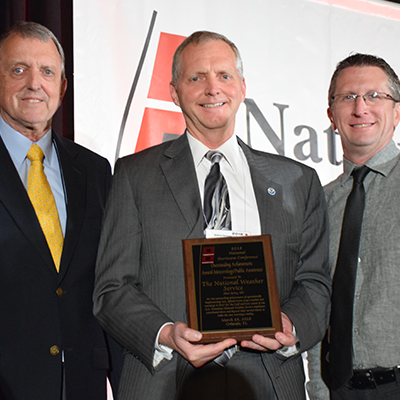 April 5, 2018 - NWS Receives Outstanding Achievement Award at National Hurricane Conference
The prestigious award recognizes the outstanding achievement of operationally implementing new, official, storm surge watches and warnings in 2017 for the U.S East and Gulf coasts.
 March 26, 2018 - Get to know our newest satellite: NOAA-20
The first light images from NOAA-20's CERES FM6 Earth-observing instrument are here!
 March 8, 2018 - NWS Topeka Meteorologists Give Back to their Hometown Schools
A dozen classes of instruction and hands-on severe weather forecasting activities were provided to over 300 students.
 January 31, 2018 - Improved High-Resolution Models Support Accurate Forecast of a Very Rare Winter Storm
On January 3, 2018, a significant winter storm struck northeast Florida and southeast Georgia, an event that occurs once every 25-50 years.
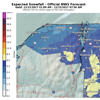 December 21, 2017 - NWS Expands Winter Weather Products
NOAA’s National Weather Service is expanding its experimental local winter weather pages – a one stop shop for winter weather information.
 December 13, 2017 - New Marine Graphical Atlantic Forecast Becomes Operational
On Tuesday December 12, NOAA began delivering High Seas Gridded Forecasts from NHC, and Offshore Gridded Forecasts from OPC, for the first time operationally in the Atlantic basin.
 December 12, 2017 - Report Highlights Social and Economic Impacts of Space Weather
A new report funded by NOAA's National Weather Service begins to quantify impacts from space weather on the United States economy.
 December 5, 2017 - A Season to Remember
The 2017 Atlantic hurricane season is in the record books and it won’t be forgotten.
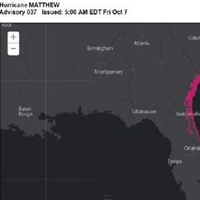 November 19, 2017 - New National Hurricane Center Capabilities Introduced this Hurricane Season
The National Hurricane Center describes three new capabilities introduced in the 2017 hurricane season.
 October 19, 2017 - NWS Aviation Team Bids Farewell to an Old Friend
After serving the nation as one of the primary products of the Aviation Weather Center since the 1930s the CONUS Aviation Area Forecast is now retired.
 October 18, 2017 - United Nations Calls for Support for World Tsunami Awareness Day
Recognizing that the tsunami hazard poses a global threat that requires international attention and cooperation, the United Nations General Assembly designated November 5 as World Tsunami Awareness Day.
 September 13, 2017 - The Atlantic highlights how NWS is building a Weather-Ready Nation
A feature article in The Atlantic on September 12 titled, “The National Weather Service’s New Philosophy” gave the public an insider’s view of backup hurricane forecast operations at WPC and showcased our important strategic goal to create a Weather-Ready Nation.
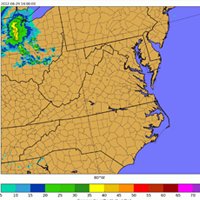 August 2, 2017 - FV3: The Next Step for NOAA’s Global Forecast Modeling
The NWS is overhauling its old global modelling software piece by piece. The new core of our global model comes from NOAA Research, and it's powering the future of forecasts using some impressive advances.
 July 26, 2017 - Q&A with Polar Modeler Bob Grumbine
Bob Grumbine of the National Weather Service’s Environmental Modeling Center is one of hundreds of scientists working to improve weather and sea-ice forecasting in the Arctic and Antarctic through The Year of Polar Prediction (YOPP).
 July 14, 2017 - WFO Los Angeles/Oxnard Provides Support to Emergency Managers Who Rescued 80 Children Trapped by Wildfire
During the incident, the NWS Weather Forecast Office Los Angeles/Oxnard provided critical fire weather forecast information to help the local emergency managers conduct the operation as safely as possible. During the evening of the event the NWS provided several written forecasts focusing specifically on that fire, as well as being in verbal contact to provide updates.
 July 3, 2017 - Hazard Simplification changes set to be implemented
The first changes to the NWS Watch, Warning, and Advisory (WWA) system will be implemented on October 1 based on social science findings from the Hazard Simplification (Haz Simp) project. These initial changes will apply to some our winter WWA products only.
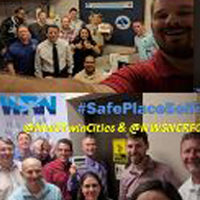 May 30, 2017 - NWS Leads #SafePlaceSelfie Campaign
If there was one extreme weather preparedness action you want your loved ones to take, what would it be? For many, that one action is to know ahead of time where their safe place is located. In early April, NWS offices encouraged their social media followers to take a “selfie” and post with the hashtag #SafePlaceSelfie.
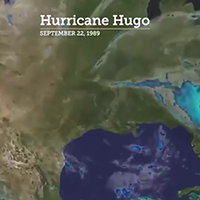 May 5, 2017 - Building a “Hurricane-Ready Nation” One Community at a Time
The Pew Charitable Trusts’ flood-prepared communities’ (FPC) initiative is working to reduce the human impact and high cost of flooding and rebuilding that typically follows natural disasters in ways that help ensure communities don’t just build back, but build smarter.
 April 25, 2017 - Weather-Ready Nation Reaches 5,000 Ambassadors
Fittingly, Weather-Ready Nation Ambassador number 5,000 comes from the heart of our nation. We would like to congratulate Real Country 97.3 KBLR Radio as Ambassador #5,000 in our effort to make the United States a weather-ready nation.
 April 7, 2017 - New Tsunami.gov Website Represents Back to List PagesMajor Advance in Tsunami Warning Center Product Dissemination
NOAA’s tsunami warning capabilities have greatly improved since the 2004 Indian Ocean tsunami, and efforts continue to further enhance tsunami warning center operations to better meet the needs of our domestic and international partners.
 April 6, 2017 - Coordinated Action Prevents Worst of Wildfire Outbreak Impacts in Southern Great Plains
On February 23-24, the Southern Great Plains region was dry and windy, optimal conditions for even the smallest spark to roar into a life and property-threatening wildfire. Large portions of the northernmost Panhandle of Texas, western Oklahoma, eastern New Mexico, eastern Colorado, and westernmost Kansas were ripe for an outbreak.
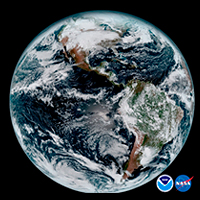 April 3, 2017 - GOES-16: Taking Weather Forecasting to New Heights
NOAA's latest geostationary weather satellite is on orbit and sending back beautiful images of Earth’s Western Hemisphere. GOES-R successfully launched on November 19, 2016 and became GOES-16 when it reached geostationary orbit.
 March 21, 2017 - Wireless Emergency Alerts continue to save lives; and we are hearing about it
On the night of February 19, tornadic thunderstorms tore through northern sections of San Antonio, Texas. Audrey Gagné and her husband were unknowingly heading toward them, on the way home from a trip to Dallas.
 March 1, 2017- IDSS ramped up in preparation of the most significant storms in past 6 years across southern California
Starting the week of January 16, 2017, NWS San Diego began alerting partners of a high confidence significant winter storm which could bring significant impacts from high wind, and flooding.
 February 27, 2017- Weather-Ready Nation Saves Lives During Louisiana Tornado Outbreak
A tornado outbreak in a highly populated area is a meteorologist’s worst nightmare. On February 7, 2017 at least six tornadoes touched down in and around around New Orleans, LA, home to more than three million people.
 February 21, 2017- SPC forecasters develop and document new tool to assess severe weather risk
Storm Prediction Center forecasters John Hart and Ariel Cohen are working together on a major project to improve the way forecasters perform short-term threat assessment of severe thunderstorm hazards.
 December 21, 2016 - Get your snowstorm smarts on: 6 forecast tools to use this winter
Geek out with us to learn about 6 winter weather forecast tools you can tinker with online. In the process, see where, when and how much snow, ice and wind is predicted — important information to share with your friends and family this winter.
 December 7, 2016 - Experimental Snowfall Graphics
New snowfall graphics now available from local NWS websites.
 November 23, 2016 - NWS giving thanks to their communities
This year the National Weather Service gave back to their local communities in many different ways, ultimately showing thanks to all those they serve every day of the year.
 November 22, 2016 - Observing and Predicting the 2015-2016 El Niño
Alongside colleagues in Australia and Peru, NOAA scientists involved with observing and predicting the 2015-2016 El Niño co-authored an article about the event and prediction.
 November 21, 2016 - Improving the Communication of Flood Risk for Better Decision-Making
The Bulletin of the American Meteorological Society (BAMS) published a study in its September 2016 edition titled, “Effectively Communicating Risk and Uncertainty to the Public."
 November 15, 2016 - NOAA’s advanced GOES-R weather satellite launching this month
This month NOAA will be launching its most advanced weather satellite to date, the Geostationary Operational Environmental Satellite-R (GOES-R).
 October 25, 2016 - NWS and Chilean Navy Leaders collaborate to improve Tsunami Warning Capabilities
Collaboration will improve tsunami warning capabilities in both countries and the whole Pacific Basin.
 October 3, 2016 - OneNWS Network: A Faster and Stronger National Weather Service
NWS updates data networks to keep pace with new technologies.
September 9, 2016 - Hazard Simplification Project
For decades, NWS has used the Watch, Warning, and Advisory (WWA) system - is it time for a change?
 September 8, 2016 - U.S. experiences 5th warmest summer on record
Every state in the continental U.S. and Alaska was warmer than average this summer.
 September 1, 2016 - Presidential Proclamation: National Preparedness Month
Preparing ourselves to meet the unknown challenges of tomorrow is a duty we all share.



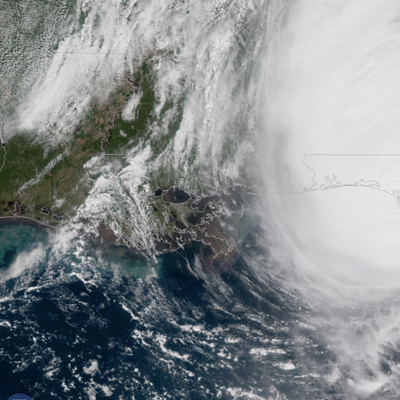
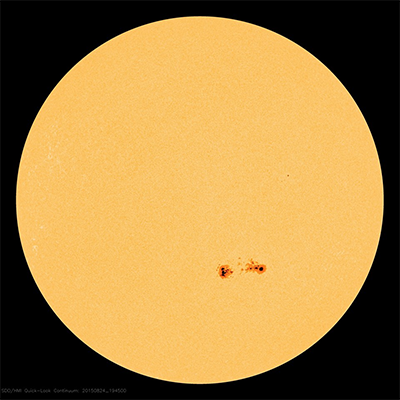

 June 15, 2018 - National Weather Service director cautions: Don't chase single model runs this hurricane season
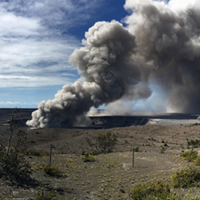 May 17, 2018 - NWS issues first-ever Ashfall Advisory for Hawaii during Kilauea eruption